

Most people assume eating healthier always means adding more fruits, more vegetables, and more “superfoods.” But for someone who needs a low potassium diet, the gentlest support often looks different: not less care, but more tailored care. When potassium needs to stay lower, the goal is not perfection or fear. It is learning how to build meals that feel steady, satisfying, and practical in real life.
She might be standing in her kitchen after a long day, holding a sweet potato in one hand and a bag of rice in the other, wondering why the “healthy choice” suddenly feels complicated. That confusion makes sense. A low potassium diet can feel like nutrition rules have been turned upside down. But with a little structure, it becomes far less overwhelming.
The Quiet Surprise of a Low Potassium Diet
A low potassium diet is often recommended when the body has trouble keeping potassium levels in balance, especially with certain kidney-related health concerns. Instead of chasing trendy meal plans, it asks a softer question: which foods support the body’s current needs right now?
This is where Joyini’s kind of nutrition matters. Food does not need to become a source of shame. It simply becomes information. Some foods that are usually praised for wellness—bananas, avocados, potatoes, tomatoes, spinach—can be higher in potassium. Meanwhile, lower-potassium choices such as apples, berries, white rice, pasta, cabbage, cucumbers, or sourdough bread may fit more easily into everyday meals.
Body signals are not a moral test. They are messages asking for a different kind of care.
Research often uses about 2,000 milligrams of potassium per day as a common reference point for a low potassium diet, though individual needs can vary based on lab values and medical guidance. That is why personalization matters more than rigid food lists.
The “Swap, Soften, Steady” Method for Everyday Meals
Instead of memorizing endless rules, it helps to use a simple micro-framework: Swap, Soften, Steady.
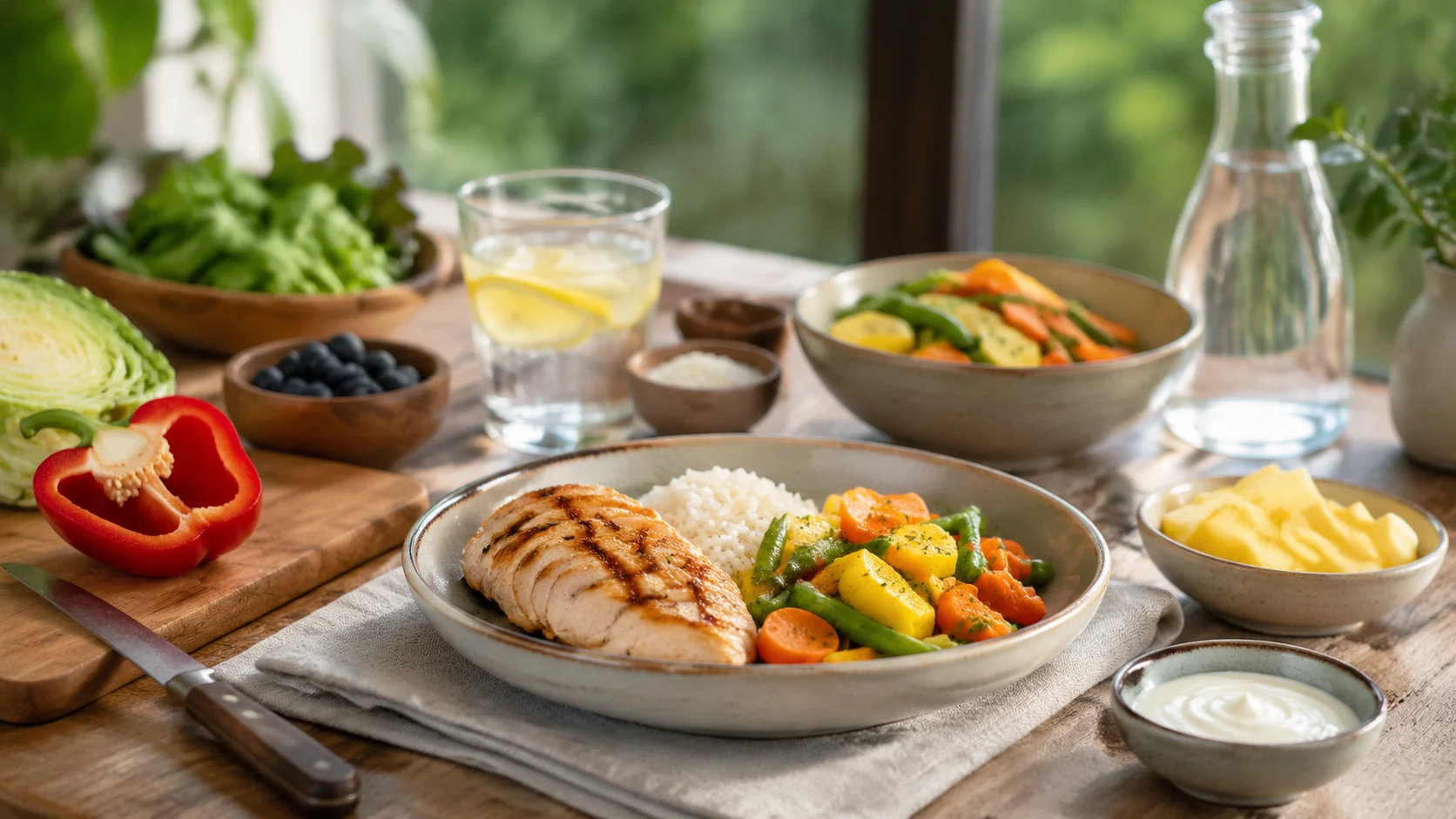
- Swap: Exchange a higher-potassium food for a lower one. Think of choosing rice instead of baked potato, or sliced apples instead of banana in the afternoon.
- Soften: Prepare food in ways that feel easier on a tired day. A bowl of buttered noodles with sautéed cabbage and shredded chicken may be more approachable than a complicated recipe.
- Steady: Build meals that include carbohydrate, protein, and a little fat so energy feels more even. This matters because overly restrictive eating can leave a person more vulnerable to cravings later.
That last part is easy to miss. Some readers may search for a 7-day diet plan for weight loss or a dash diet meal plan when they want structure. But a low potassium diet has a different center of gravity. It is not designed around shrinking the body or following a heart-health plan exactly as written. It is designed around supporting the body’s potassium needs while keeping meals realistic.
What This Can Look Like on an Ordinary Tuesday
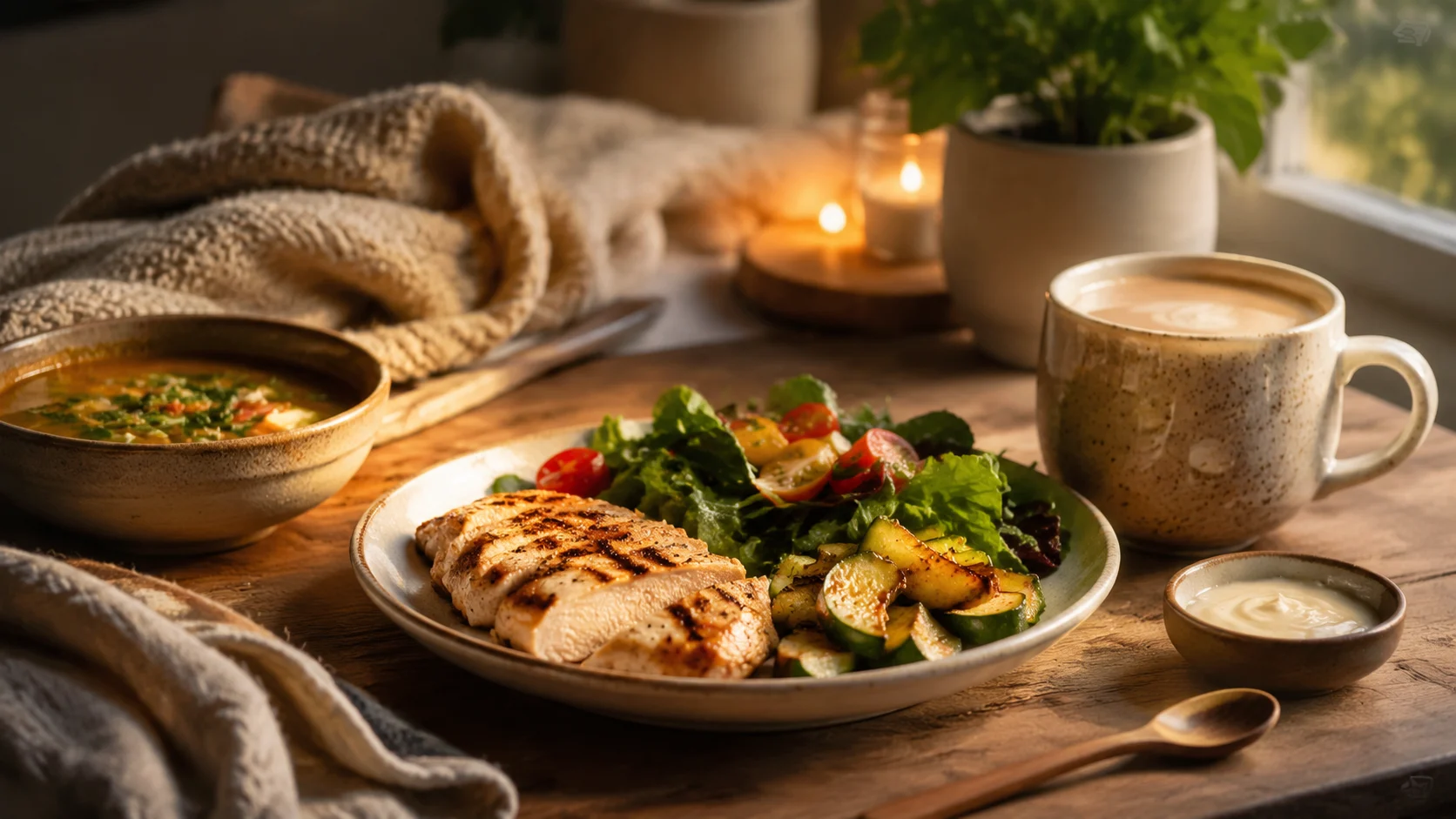
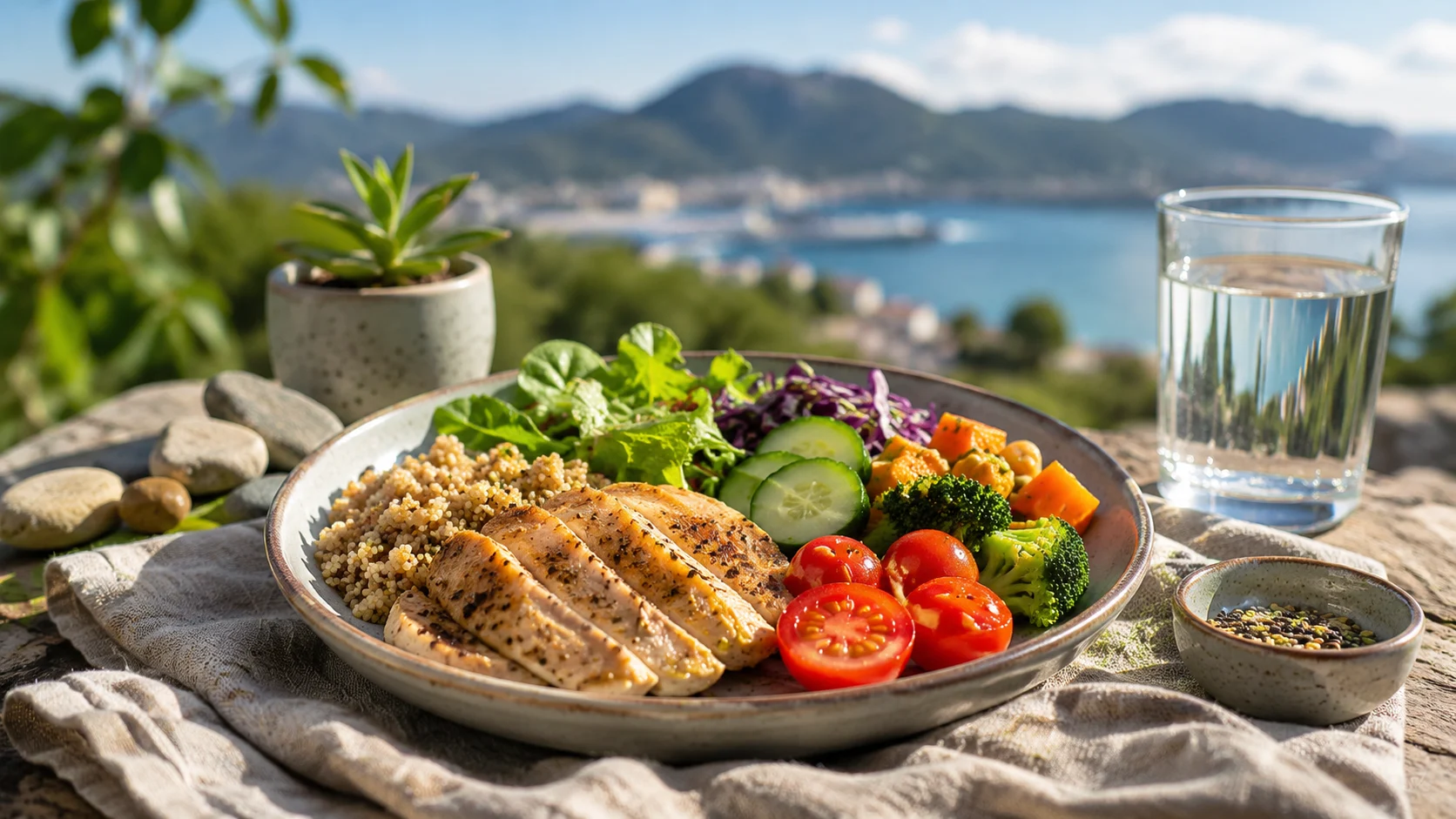
Breakfast could be scrambled eggs with toast and a small bowl of blueberries. Lunch might be a turkey sandwich on sourdough with crisp cucumber slices and a side of pretzels. Dinner could be grilled chicken, white rice, and green beans cooked until tender. None of it needs to look dramatic to be nourishing.
For women balancing work, family, stress, and low energy, this simplicity matters. A gentle meal is still a real meal. If she usually leans on a dash diet meal plan, she may need to adapt the vegetable and dairy choices with professional guidance, because some DASH staples are naturally higher in potassium. If she has been drawn to a 7-day diet plan for weight loss, it may help to pause and ask whether structure is being used for support—or for self-punishment.
The body is not a project to shrink. It is a place to support, especially when its needs change.
Foods That Often Feel Easier to Build Around
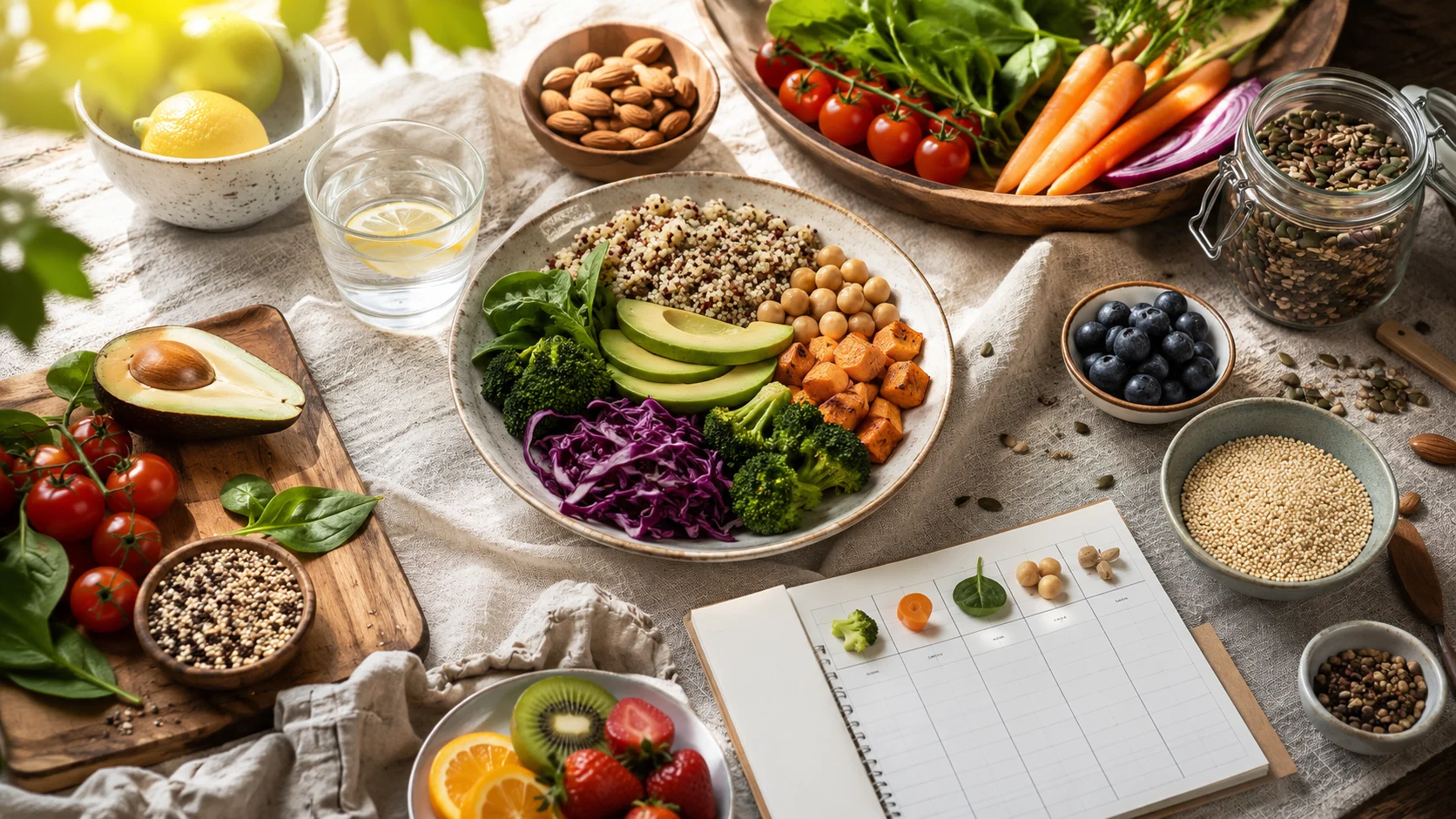
Here are a few lower-potassium building blocks that can make a low potassium diet feel less abstract:
- Grains and starches: white rice, pasta, tortillas, couscous, and bread can create a comforting base when energy is low.
- Proteins: eggs, chicken, turkey, tuna, or tofu in moderate portions can help meals feel grounding and balanced.
- Fruits: apples, grapes, strawberries, peaches, and pineapple often fit more gently than bananas or oranges.
- Vegetables: cabbage, cauliflower, lettuce, onions, peppers, and cucumbers can bring freshness without pushing potassium too high.
- Comfort extras: cream cheese, olive oil, herbs, rice crackers, or a warm muffin can make eating feel human, not clinical.
Portion size still matters, and food labels can be useful when packaged foods list potassium. Some people also use techniques like boiling certain vegetables and discarding the water to lower potassium content a bit, though this should complement—not replace—individual guidance.
Questions That Often Come Up
Can someone follow a low potassium diet and still eat balanced meals?
Yes. Balance does not disappear just because certain foods are limited. It simply shifts. Meals can still include protein, satisfying carbohydrates, gentle fats, and lower-potassium produce.
What if healthy eating suddenly feels confusing?
That is a very common feeling. Many wellness messages praise foods that may not fit a low potassium diet. Confusion does not mean failure. It usually means the body needs more specific support than generic advice can offer.
Is a low potassium diet the same as a dash diet meal plan?
Not exactly. A dash diet meal plan often emphasizes foods that can be higher in potassium, so it may need adjustment. They are not interchangeable.
Can I use a 7-day diet plan for weight loss if I also need low potassium meals?
It is wiser to be careful. Many weight-loss meal plans are not built with potassium limits in mind. A plan that looks healthy on paper may still include too many high-potassium foods.
What is the easiest first step?
Start with one familiar meal. Choose a lower-potassium fruit, a simple starch like rice or toast, and a steady protein. Small clarity is often more helpful than a full kitchen overhaul.
Please note: Every body has its own unique rhythm. This gentle guide is for educational purposes and does not replace personalized advice from a healthcare professional or registered dietitian, especially if you have kidney concerns or have been told to monitor potassium closely.
Leave a Reply