

She may think a low salt diet for chf means bland food, constant restriction, and one more set of rules to follow. But often, the quieter truth is this: the goal is not to punish meals—it is to help the body hold less fluid, feel less strained, and move through the day with more ease. With a few steady shifts, meals can still feel warm, comforting, and real. And when those meals lean toward more fiber, gentler fats, and steadier carbohydrates, they may also help lower cholesterol by diet and fit into a thoughtful diet plan for sugar diabetes.
When Salt Hides in the Quiet Corners of the Day
For many women, sodium does not come from the salt shaker alone. It slips in through canned soups on tired evenings, deli sandwiches between meetings, bottled dressings, frozen comfort meals, and restaurant food that tastes “normal” but carries a heavy sodium load. In congestive heart failure, that extra sodium can encourage the body to hold onto more fluid, which may increase swelling or shortness of breath.
A practical target often suggested is around 1,500–2,000 mg of sodium per day, though personal guidance can differ. That number may sound abstract, so it helps to picture sodium like background noise: a little here, a little there, and by dinner the body is already carrying more than it needs.
“The body is not a project to control. It is a home asking to be cared for.”
The Soft Plate Method: Flavor Without the Flood
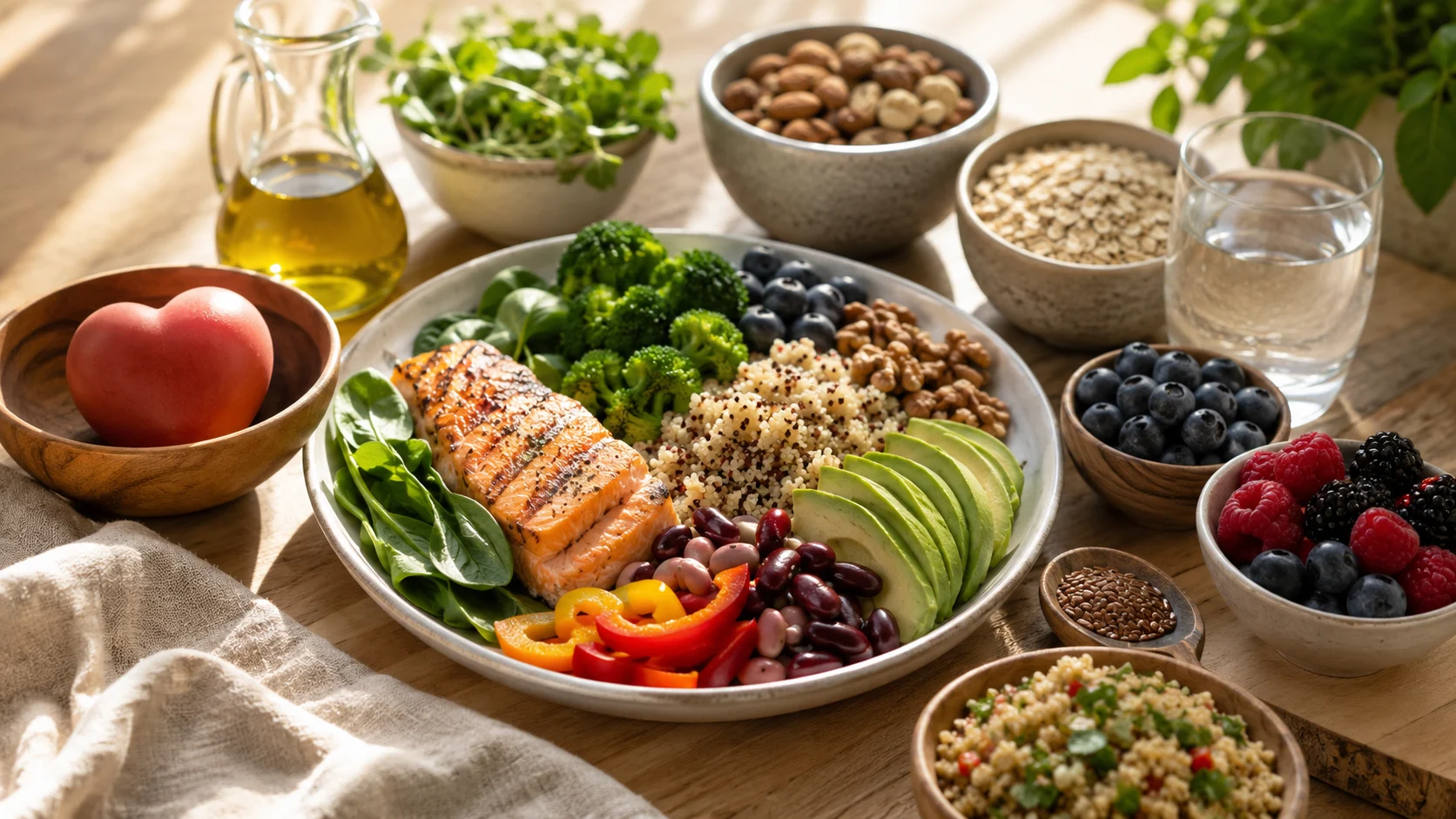
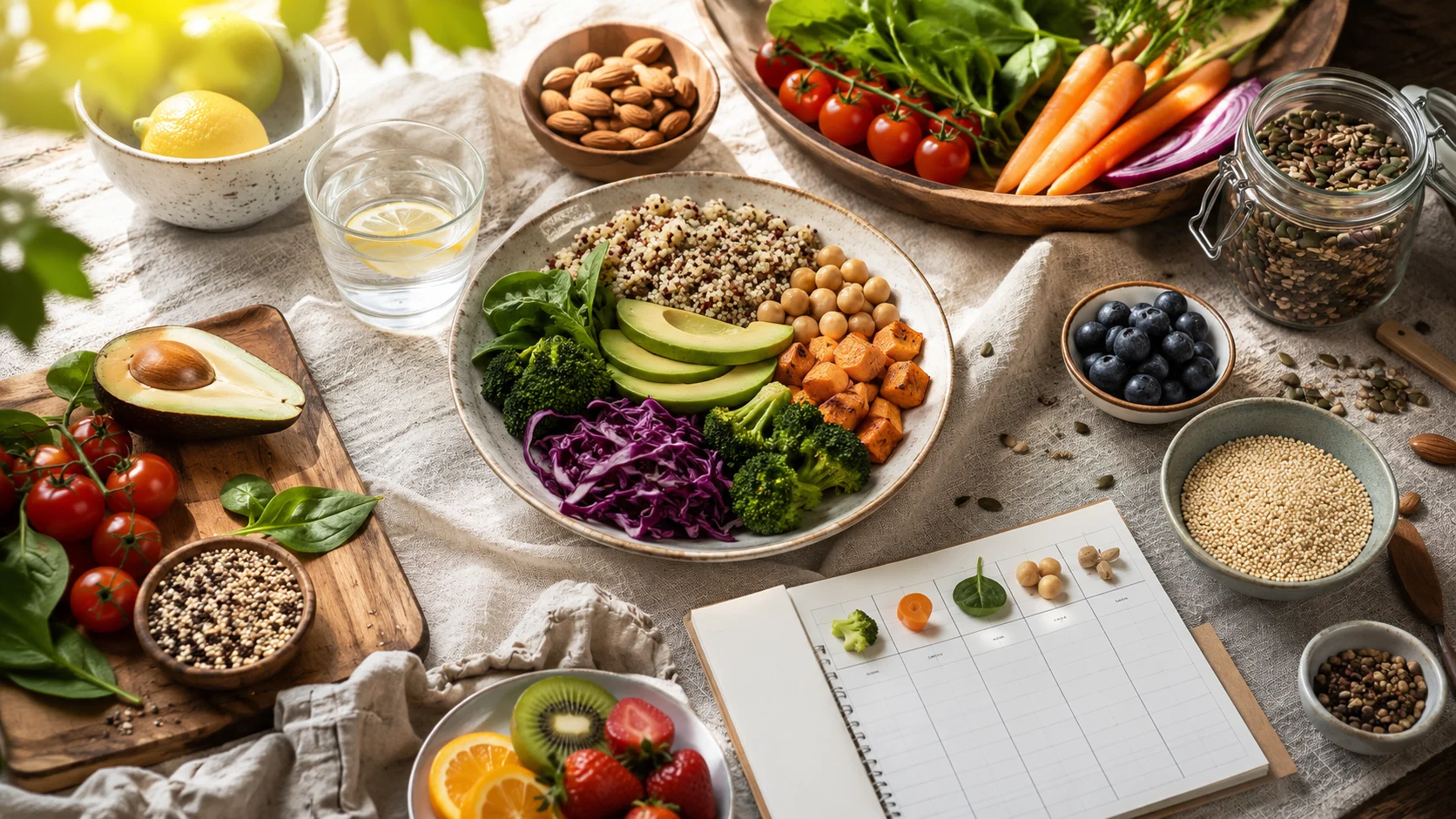
Instead of building meals around what must be removed, it helps to use a simple micro-framework: the Soft Plate Method. Think of it as a way to compose a plate that feels grounded, satisfying, and supportive.
- Start with a calm base. A bowl of warm oats, a scoop of brown rice, or a baked sweet potato can bring steadier energy than highly processed sides. This is one reason the same meal pattern may support a diet plan for sugar diabetes as well.
- Add a quiet protein. Unsalted beans, plain Greek yogurt, baked salmon, eggs, or chicken cooked at home can help meals feel more complete. When she eats enough protein, cravings often soften later in the day.
- Layer in color and texture. Roasted carrots with olive oil, sliced cucumber with lemon, or berries folded into yogurt offer flavor that does not depend on sodium.
- Finish with bright flavor. Garlic, onion, dill, paprika, black pepper, lemon zest, vinegar, and fresh herbs can wake up a meal beautifully.
This kind of low salt diet for chf does not need to feel empty. It simply shifts the source of flavor—from sodium to aroma, texture, acidity, and warmth.
A Table for Tired Evenings and Real-Life Decisions
| Common choice | Gentler swap | Why it helps |
|---|---|---|
| Canned noodle soup | Homemade broth-based soup with no-salt-added beans and vegetables | Far less sodium and more fiber for steadier fullness |
| Deli turkey sandwich | Home-roasted chicken on whole grain bread with avocado and lettuce | Supports a low salt diet for chf and may help lower cholesterol by diet when replacing processed meats |
| Frozen mac and cheese | Whole grain pasta with olive oil, wilted spinach, and white beans | More fiber, gentler fats, and more stable energy |
| Sweet pastry breakfast | Warm oatmeal with crushed walnuts and cinnamon | Better fit for a thoughtful diet plan for sugar diabetes |
One Plate, Three Kinds of Support
A nourishing eating pattern rarely helps only one thing. When meals are lower in sodium, lighter in processed meats, and richer in oats, beans, vegetables, nuts, and olive oil, they often create a ripple effect. That is how a low salt diet for chf can overlap naturally with efforts to lower cholesterol by diet. Soluble fiber in foods like oats and beans has been shown to help reduce LDL cholesterol, and patterns rich in minimally processed carbohydrates may also support steadier blood sugar.
Research has observed that eating about 5 to 10 grams of soluble fiber per day can reduce LDL cholesterol by a modest but meaningful amount. In real life, that may look like a morning bowl of oatmeal, lentils folded into soup, or an apple with a spoonful of nut butter in the afternoon.
“Gentle nutrition works like rain, not thunder—small shifts, repeated often, can change the whole landscape.”
What a Gentle Day of Eating Might Look Like
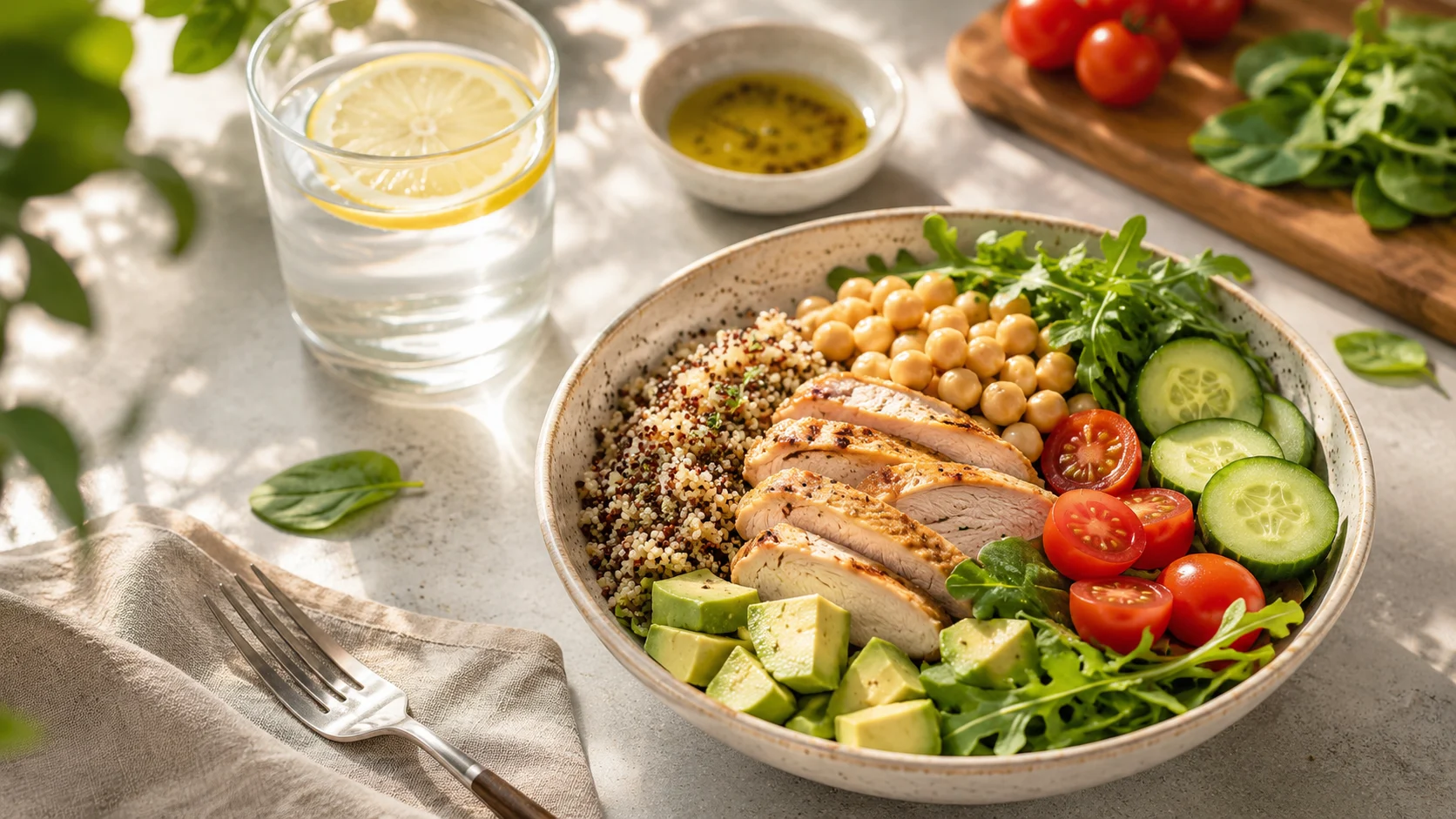
Morning may begin with oatmeal simmered until soft, topped with blueberries and crushed walnuts. Lunch could be a rice bowl with grilled chicken, cucumber, avocado, and a squeeze of lime instead of a bottled sauce. By late afternoon, when energy dips and the vending machine starts to whisper, a small bowl of plain yogurt with berries can feel more steady than a salty snack mix. Dinner might be baked salmon beside green beans and a roasted sweet potato, warm and simple, the kind of meal that feels like exhaling.
That is the heart of a low salt diet for chf: not perfection, not fear, but repetition of supportive choices. The same rhythm can gently support women who want to lower cholesterol by diet or follow a realistic diet plan for sugar diabetes without turning food into a battleground.
Please note: Every body has its own rhythm, and needs can vary widely with heart health, medications, blood sugar patterns, and kidney function. This gentle guide is for educational purposes only and does not replace personalized advice from a physician or registered dietitian who knows your health history.
You Might Also Wonder
Is a low salt diet for chf always bland?
No. Many people find that once they rely more on lemon, herbs, garlic, vinegar, pepper, and roasted flavors, meals begin to taste fuller rather than flatter.
What if she eats out often because life is busy?
It can help to ask for sauces and dressings on the side, choose grilled items, skip soups and processed meats, and pair the meal with plain vegetables or a baked potato when available.
Can the same meals help lower cholesterol by diet too?
Often yes. Meals centered on oats, beans, vegetables, nuts, olive oil, and less processed meat can support both heart health and cholesterol goals in a natural way.
How does this fit a diet plan for sugar diabetes?
When meals include fiber, protein, and less heavily processed carbohydrates, they tend to feel steadier. That can be useful for supporting more even blood sugar across the day.
What matters most when starting?
Usually the biggest shift is not perfection but awareness. Noticing where sodium hides—and replacing just one or two high-salt staples each week—can make the plan feel livable.


Leave a Reply