
Many women have been taught to believe that calorie controlled diets for for weight loss only work when eating becomes rigid, joyless, and ruled by numbers. But often, the deeper problem is not a lack of discipline. It is that the body has been asked to live on too little support for too long. A more sustainable approach can still include structure, while making room for satisfaction, steadier energy, and a calmer relationship with food.
For a busy woman moving from coffee to meetings to a late dinner on the couch, a diet for weight reduction does not have to feel like punishment. The gentlest versions of diets for weight loss are not built on fear. They are built on meals that are balanced enough to help her feel fed, clear-headed, and less likely to rebound into all-or-nothing eating later.
When Less Isn’t Always Better
There is a common myth hiding inside many conversations about weight loss: if eating a little less helps, eating far less must help more. Real life rarely works that way. When intake drops too low, hunger often grows louder, cravings become more persistent, and food can start taking up far more mental space than before.
Calorie controlled diets for for weight loss tend to feel more supportive when they create a modest, realistic gap rather than a dramatic one. Research has long observed that aggressive restriction can make long-term adherence harder, partly because hunger, stress, and low energy begin to stack on top of each other. In other words, the body is not being difficult. It is trying to protect you.
Body change is rarely supported by self-punishment. It is more often supported by consistency that feels livable.
The Gentle Plate Rhythm
A simple way to think about a diet for weight reduction is through what Joyini might call the Gentle Plate Rhythm: each meal carries enough substance to steady the next few hours, instead of leaving a woman emotionally and physically stranded by midafternoon.

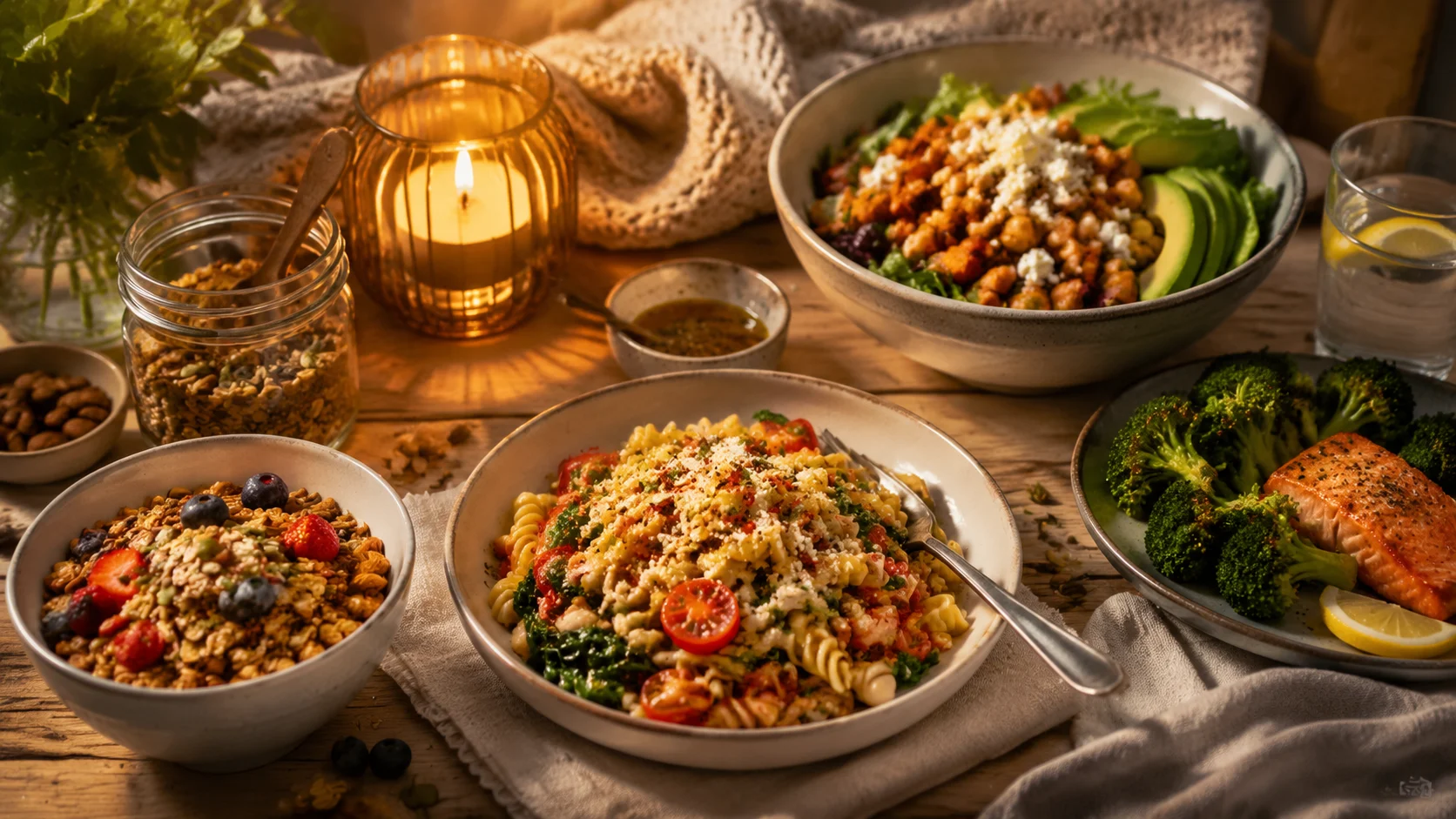
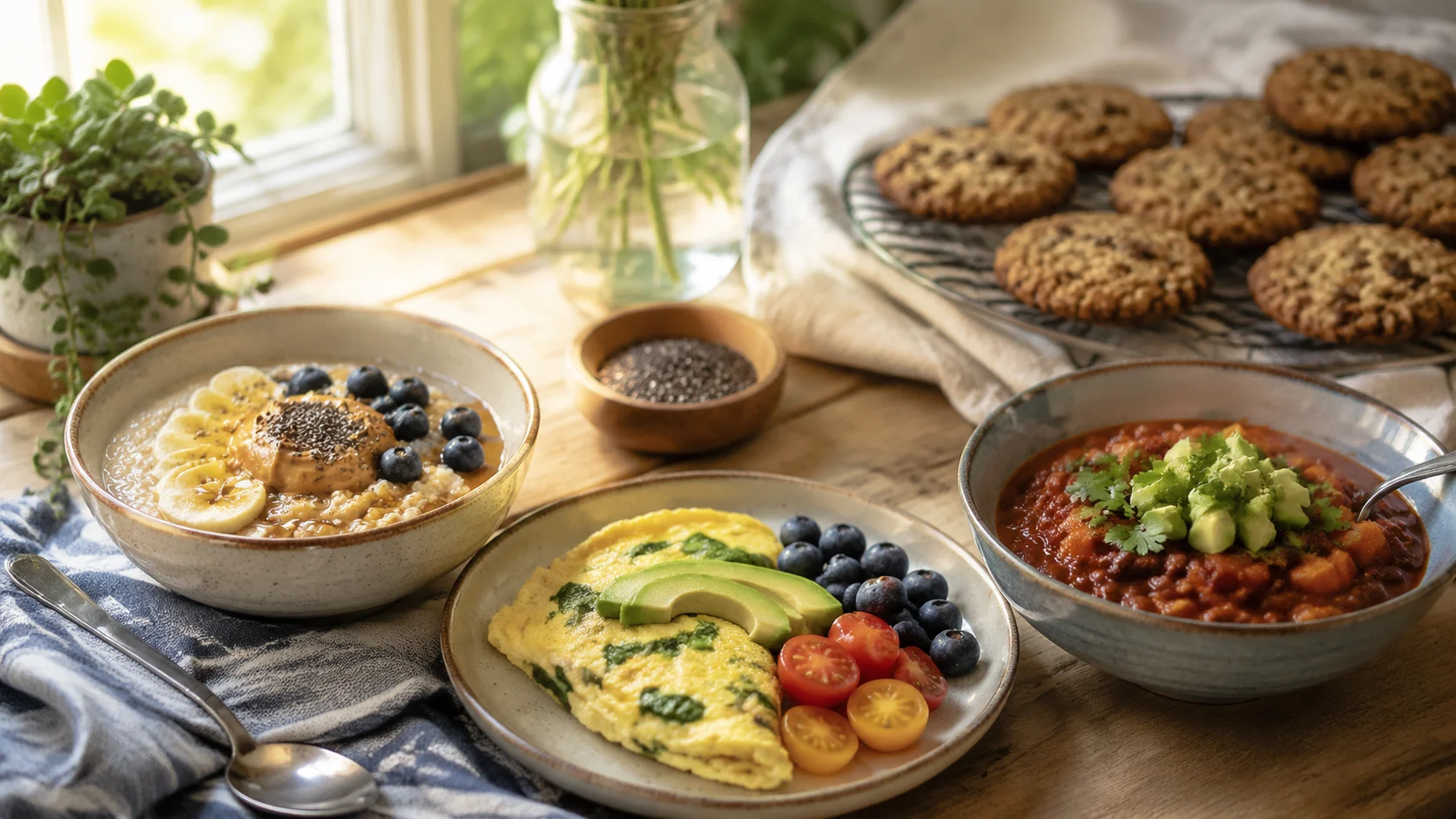
- Start with an anchor. This might look like Greek yogurt with berries and walnuts in the morning, or a warm bowl of oatmeal with chia seeds and peanut butter. The point is not perfection. The point is staying power.
- Add softness, not just rules. A salad eaten while still thinking about toast all afternoon is not always satisfying enough. Sometimes adding rice, potatoes, bread, or pasta is what makes the meal feel complete and prevents later overeating.
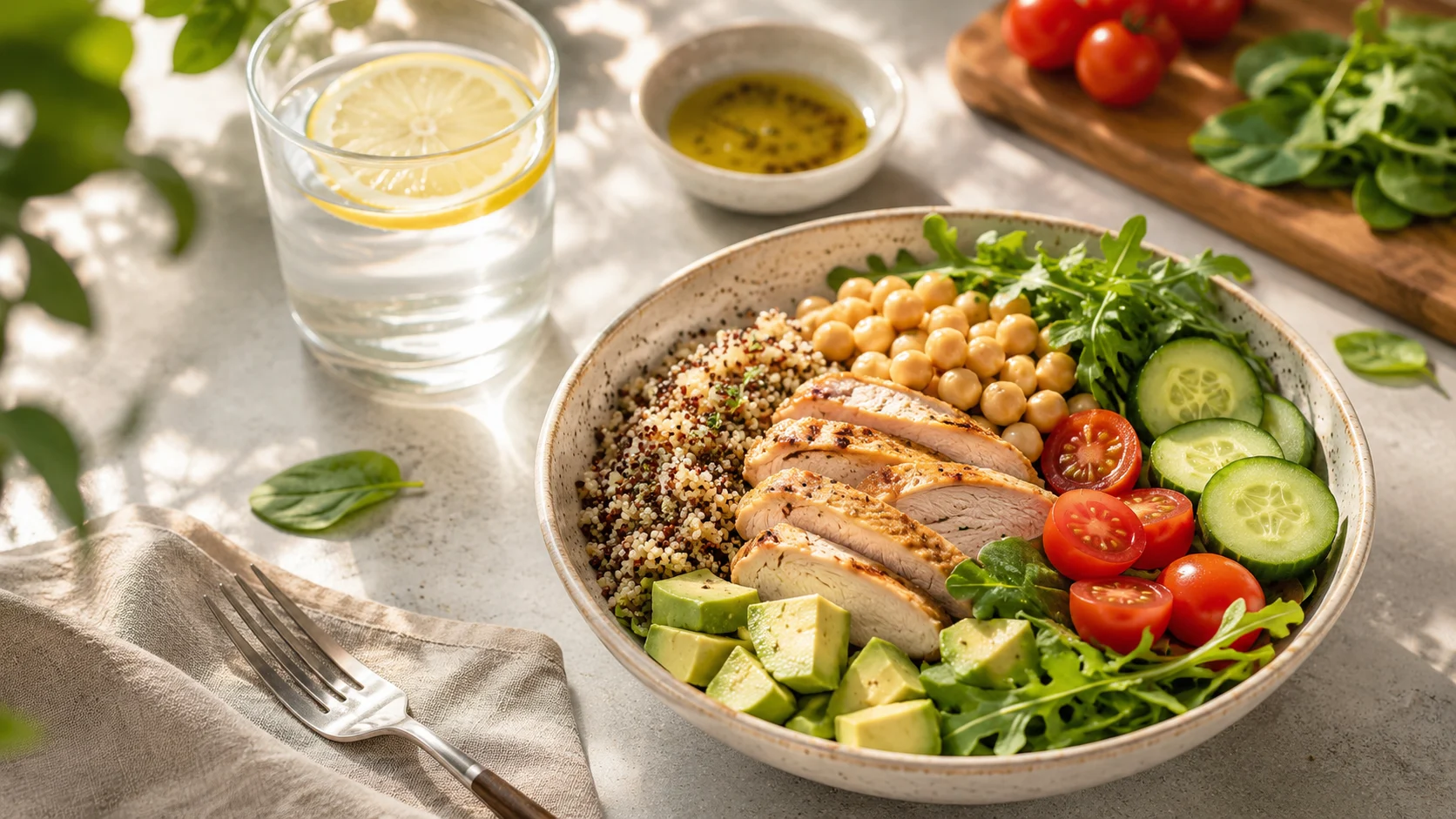
- Let protein and fiber travel together. Think of grilled salmon beside roasted vegetables, or lentil soup with a slice of crusty bread. This pairing often supports fullness with more ease than chasing low-calorie volume alone.
- Leave room for comfort. A square of chocolate after dinner or a creamy latte in the afternoon does not automatically undo progress. When comfort is allowed, it often stops shouting.
The body is not a project to conquer. It is a home asking for steadier care.
What Balanced Calorie Awareness Actually Looks Like
The most realistic diets for weight loss usually do not begin with cutting out favorite foods. They begin with noticing patterns. Maybe lunch is too small, so evenings feel chaotic. Maybe breakfast is skipped, and by 3 p.m. the desk drawer starts calling. Maybe takeout is not the issue at all; maybe the real issue is going too long without enough nourishment.
Balanced calorie awareness can look like:
- Building meals, not picking at snacks. A turkey sandwich with avocado and fruit often carries someone further than crackers grabbed between calls.
- Creating a gentle deficit, not a dramatic one. Even a moderate reduction can support change over time while feeling less stressful day to day.
- Respecting hunger cues. If someone is ravenous every night, the answer may not be more control. It may be more support earlier in the day.
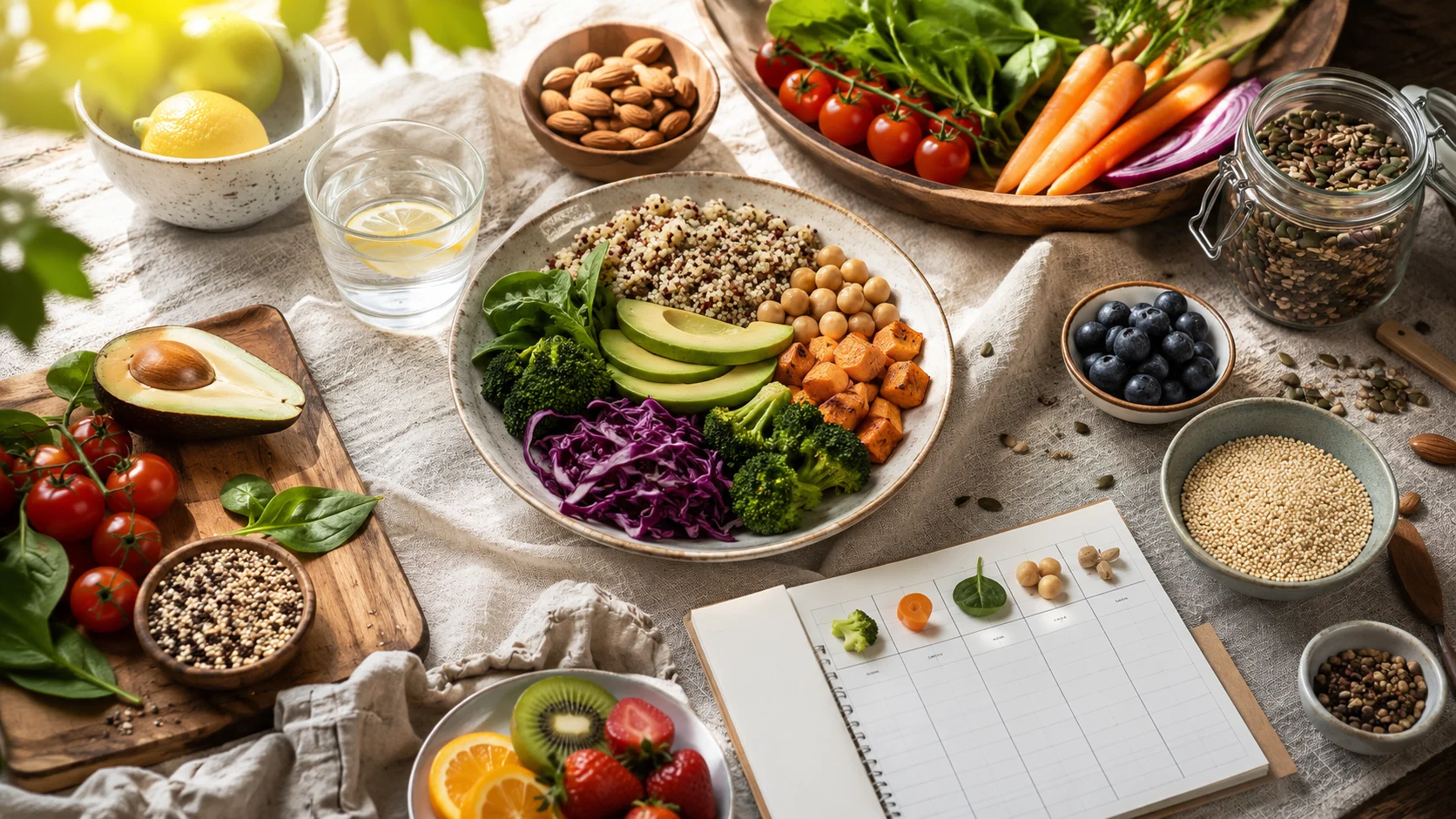
- Choosing repeatable meals. A few dependable breakfasts, lunches, and dinners usually work better than chasing endless diet novelty.
One review often cited in weight-management research suggests that sustainable habits matter more for long-term outcomes than short bursts of strict compliance. That matters because many women do not need another perfect week. They need a way of eating they can still recognize on a tired Thursday night.
A Softer Way to Think About Progress
For some readers, calorie controlled diets for for weight loss may sound emotionally loaded because they recall years of tracking, second-guessing, and feeling at war with dinner. That history matters. A gentler approach does not ignore weight-related goals, but it refuses to treat shame as a strategy.
If a woman wants a diet for weight reduction, she may be better served by asking quieter questions: Does this meal help me feel steady? Am I eating enough earlier in the day? Am I choosing structure that supports me, or rules that exhaust me? These questions often lead somewhere kinder and more sustainable than obsession ever could.
Please note: Every body has its own rhythm, needs, and health history. This gentle guide is for educational purposes only and does not replace personalized advice from a registered dietitian or healthcare professional, especially if there is a history of disordered eating, medical conditions, or major changes in appetite or weight.
You Might Also Wonder
Do calorie controlled diets for for weight loss always mean counting every calorie?
Not necessarily. Some women feel better with loose structure rather than detailed tracking. Portion awareness, balanced meals, and consistent eating times can offer support without turning every bite into math.
What if a diet for weight reduction makes me think about food all day?
That can be a sign the plan is too restrictive, too rigid, or simply not satisfying enough. Often the answer is not more control, but meals with more balance, comfort, and staying power.
Are diets for weight loss supposed to leave me hungry?
Mild hunger may happen sometimes, but constant hunger usually makes a plan harder to maintain. A sustainable approach should help you feel reasonably nourished through the day.
Can I still eat comfort foods while trying to lose weight?
Yes. In many cases, allowing satisfying foods in a thoughtful way helps reduce rebound cravings and the feeling of being trapped by rules.