

She may think the bloating after lunch means she “ate the wrong thing” or simply lacks discipline. But with low fodmap diet irritable bowel syndrome, the story is often less about willpower and more about how certain carbohydrates pull water into the gut and ferment quickly. A gentle, structured low FODMAP approach can help some people with IBS notice patterns, reduce discomfort, and build meals with more ease—without turning food into a daily fight.
When the Gut Feels Loud, Simpler Can Feel Kinder
For many women, IBS does not arrive dramatically. It shows up in the middle of a workday, in the swelling of a once-comfortable waistband, in the cramping that makes dinner feel like a chore instead of comfort. The low fodmap diet irritable bowel syndrome approach is often used as a short-term way to calm that noise.
FODMAPs are a group of carbohydrates found in everyday foods like onions, garlic, wheat, some dairy products, beans, and certain fruits. In sensitive guts, they can act like tiny party crashers—drawing in fluid and feeding gas-producing bacteria too fast. That can mean more bloating, pain, gas, or unpredictable bathroom trips.
“The body is not a problem to outsmart. It is a place asking to be understood more gently.”
Research often cited from Monash University and related clinical studies has found that around 50% to 80% of people with IBS may experience symptom improvement on a low FODMAP plan when it is used carefully and temporarily. That does not make it a forever diet. It makes it a tool.
The Three-Layer Plate: A Softer Way to Build Meals
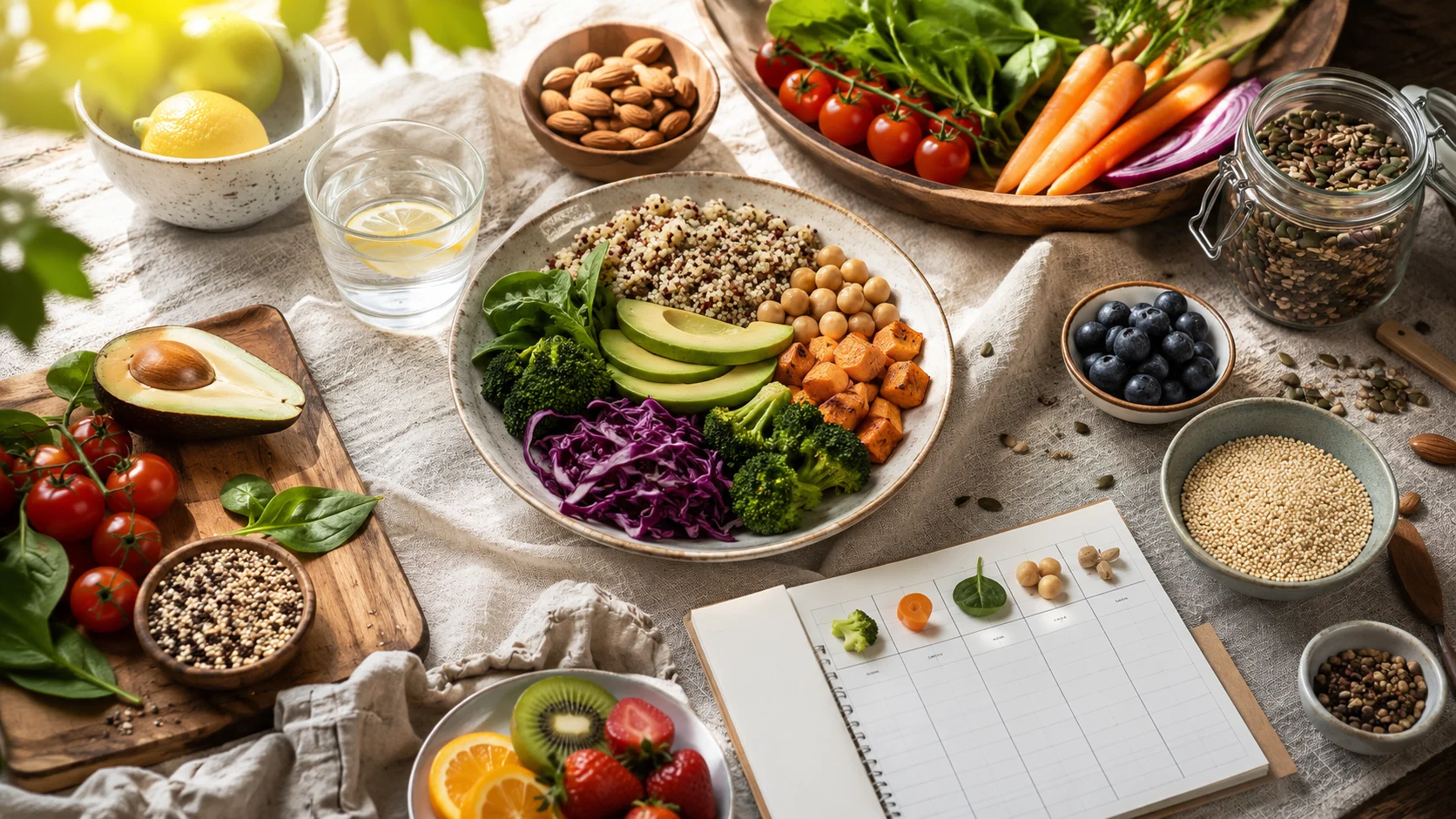
Instead of memorizing endless food rules, it helps to picture a simple framework: the Three-Layer Plate.
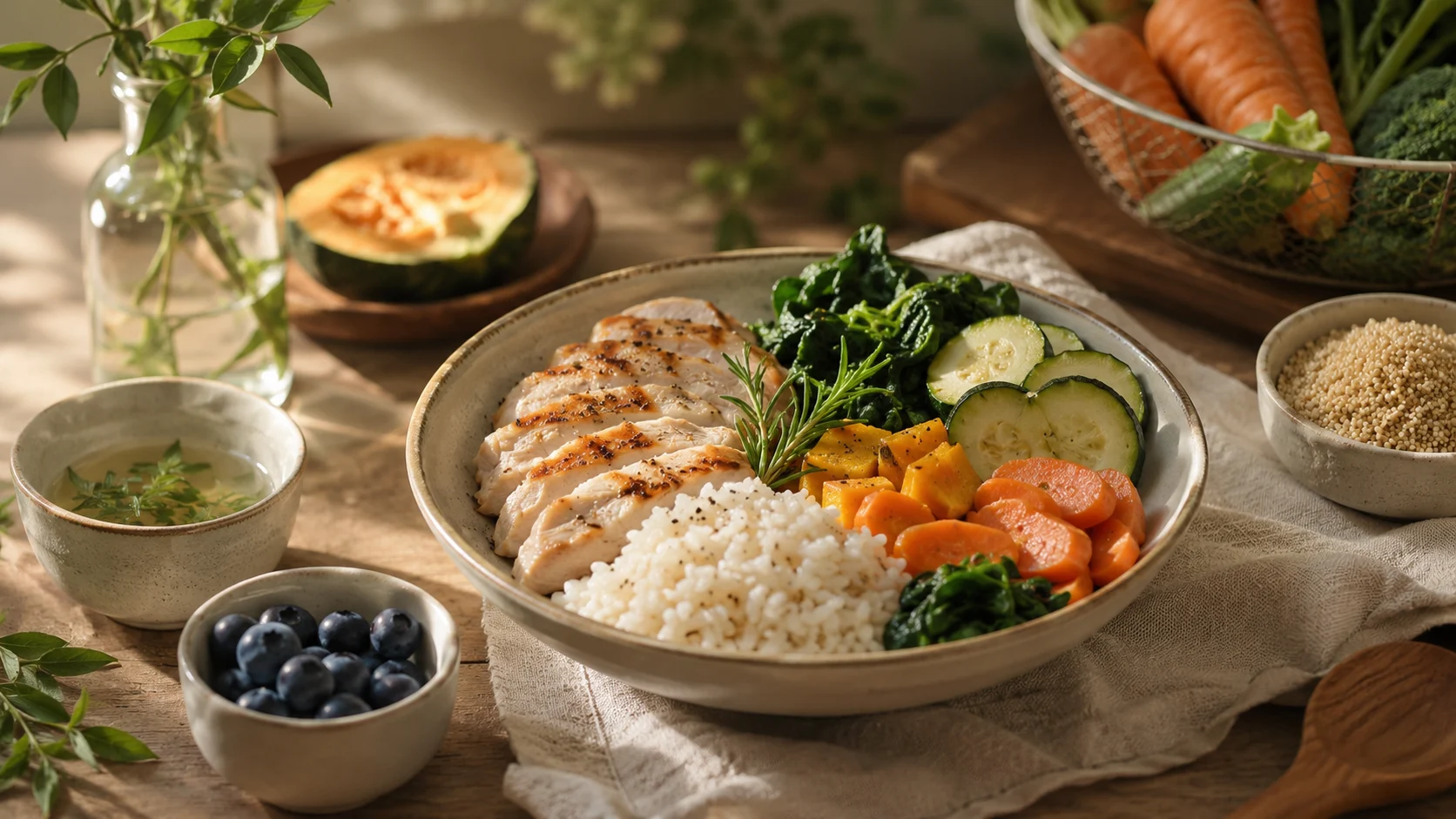
- A grounding base — think of a bowl of rice, roasted potatoes, or oats that brings steadier energy and feels easy on the stomach.
- A gentle protein — perhaps eggs folded softly into a skillet, baked salmon, tofu if tolerated, or shredded chicken tucked into warm rice.
- A softer plant layer — low FODMAP vegetables or fruit in portions that feel manageable, like spinach in soup, zucchini ribbons, or a handful of blueberries beside breakfast.
This is where real-life nutrition matters. The goal is not perfection. It is building meals that feel balanced, comforting, and realistic on a tired Tuesday night.
Some readers also wonder how this compares with other food patterns, such as a low oxalate diet or a low purine diet. These plans are designed for different concerns. A low FODMAP plan focuses on fermentable carbs and digestive symptoms, while a low oxalate diet and low purine diet are usually discussed for other medical reasons. They should not be blended casually unless a clinician has suggested a clear reason.
What This Approach Is—And What It Is Not
The hardest part of low fodmap diet irritable bowel syndrome guidance is that it can quietly turn into another restrictive spiral. That is where many women feel lost. They start with symptom relief in mind and end up afraid of garlic, restaurants, and spontaneous meals.
A gentler understanding helps:
- It is not meant to be permanent. The strict phase is usually short, followed by reintroductions to learn personal tolerance.
- It is not a purity test. One meal does not define success or failure.
- It is not the same as a low oxalate diet or low purine diet. Each approach has its own purpose, and stacking them without guidance can make eating unnecessarily stressful.
“Relief does not have to come from eating less and less. Sometimes it begins with understanding more.”
The Reintroduction Season Matters More Than People Expect
If the elimination phase is the quiet room, reintroduction is where the real learning begins. This is the part many people rush past, yet it holds the most freedom. A woman may discover that wheat in a sandwich bothers her less than onion in a pasta sauce, or that yogurt feels fine while a large apple does not.
That is why the best version of a low fodmap diet irritable bowel syndrome plan is not the smallest food list. It is the one that helps her return to the widest, most nourishing range of foods she can comfortably enjoy.
In daily life, that may look like scrambled eggs with sourdough if tolerated, a rice bowl with carrots and sesame salmon, or a simple soup where flavor comes from herbs, ginger, or garlic-infused oil instead of whole garlic. Little shifts can create a surprising amount of ease.
Please note: Every body has its own rhythm. This gentle guide is for educational purposes only and does not replace personalized advice from a registered dietitian or healthcare professional, especially if symptoms are severe, changing, or overlap with needs related to a low oxalate diet, a low purine diet, food allergies, or other digestive concerns.
You Might Also Wonder
What if I feel better quickly and want to stay on the elimination phase?
That reaction makes sense, especially after weeks or months of discomfort. Still, staying there too long can shrink food variety and increase anxiety. Reintroduction is the part that helps rebuild confidence and identify your actual triggers.
Can I try a low fodmap diet irritable bowel syndrome plan on my own?
Some people begin with trusted educational resources, but support from a dietitian can make the process clearer and less overwhelming. It often helps prevent unnecessary restriction.
What if I also heard about a low oxalate diet online?
It is easy to collect food rules from the internet when the body feels unpredictable. But a low oxalate diet serves a different purpose. It is kinder to pause and ask whether that extra restriction is truly needed for your situation.
Does a low purine diet help IBS too?
Not usually as a direct IBS strategy. A low purine diet is generally used in other health contexts. If digestive symptoms are the main issue, the low FODMAP framework is the more relevant conversation.
What if eating out feels impossible now?
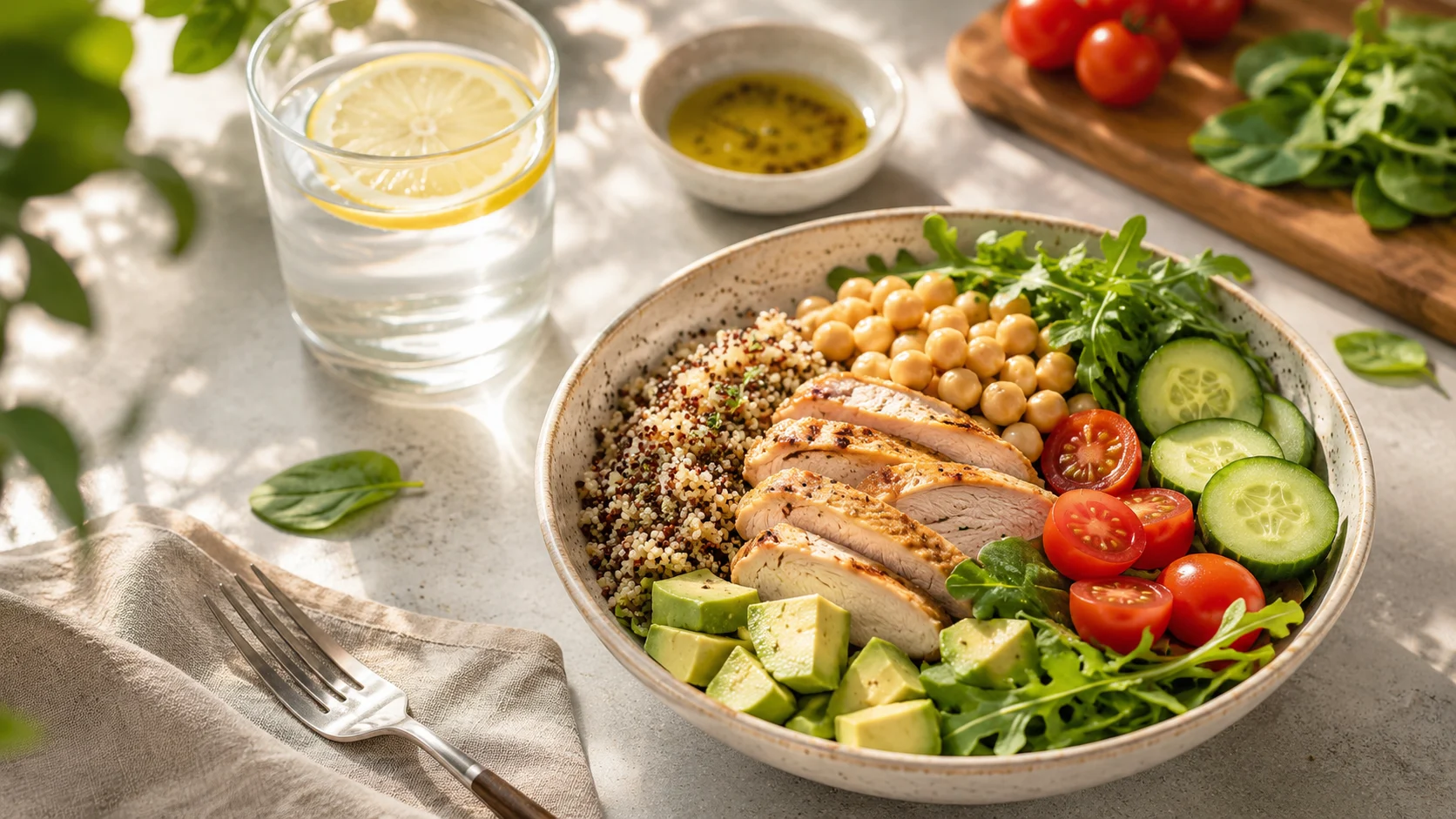
Start smaller than “perfect.” A simple rice-based bowl, grilled protein, cooked vegetables, and sauce on the side can often create more calm than trying to control every ingredient. Ease matters too.


Leave a Reply