

Many women are told that ph diet foods will “fix” everything, when often the real shift is much simpler: eating more plants, enough protein, steady carbs, and meals that feel supportive instead of strict. For a busy woman moving from coffee to meetings to a tired evening on the couch, the appeal of a more alkaline-style plate is often less about rules and more about feeling lighter, steadier, and less overwhelmed by food choices.
The misunderstanding begins there. A pH-focused way of eating is not a magic reset, and the body already works hard to regulate blood pH on its own. What these eating patterns often do well, though, is gently pull someone closer to a whole foods diet—more vegetables, fruit, beans, herbs, nuts, and less dependence on ultra-processed meals that leave energy shaky.
When “alkaline” really means calmer, simpler eating
At first glance, ph diet foods can sound like a chemistry project. In real life, they often look like a breakfast bowl with warm oats, berries, and spoonfuls of almond butter; a lunch with roasted vegetables tucked beside quinoa and salmon; or a soft, comforting dinner of lentil soup with olive oil and crusty whole-grain toast.
That is the quieter truth: many foods praised in this style of eating are simply foods that support steady energy and gentle nourishment. Leafy greens, bananas, avocados, beans, sweet potatoes, cucumbers, melon, and almonds tend to appear often. Not because the body needs to be “forced” into balance, but because these foods bring fiber, minerals, water, and satisfaction.
“The body is not a project to overpower. It is a place to listen more closely.”
Research has observed that diets rich in fruits and vegetables are associated with better overall diet quality and metabolic health markers. That does not mean every “acid-forming” food is a problem. It means the larger pattern matters more than perfection.
The Soft Plate Method: a micro-framework for real life
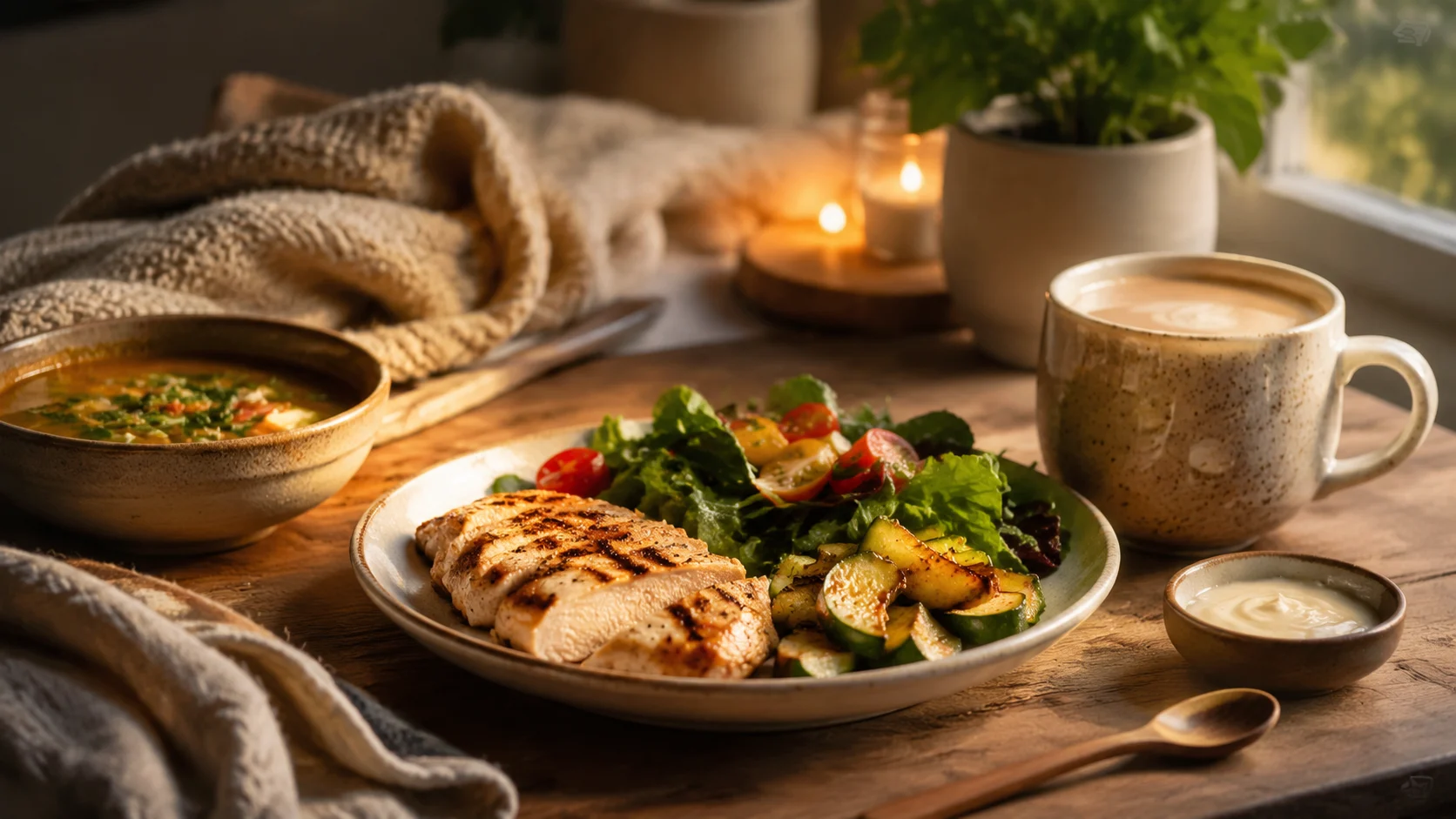
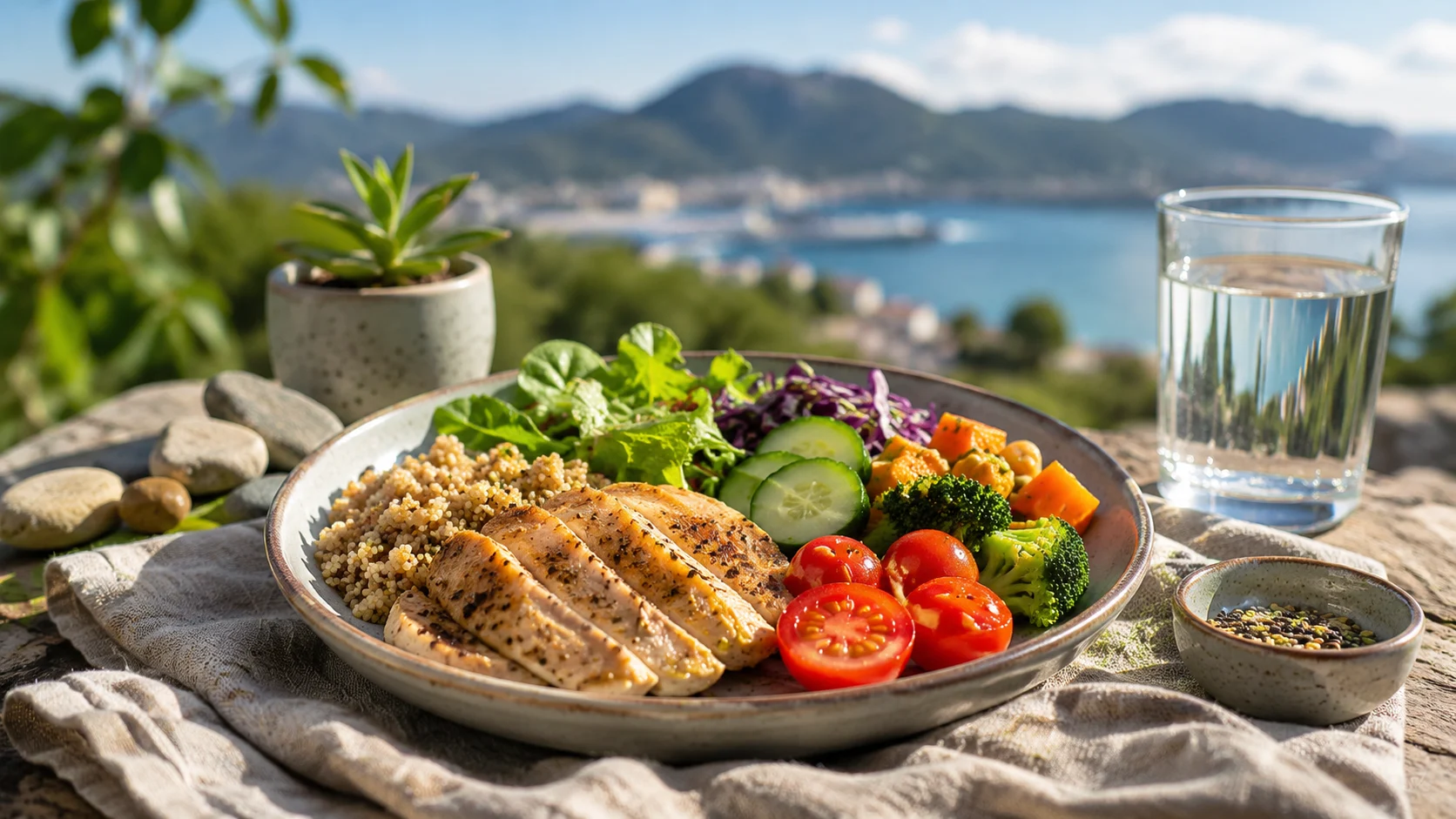
Instead of chasing complicated food charts, Joyini’s gentle approach can be thought of as the Soft Plate Method. Picture a plate that feels easy on a tired nervous system:
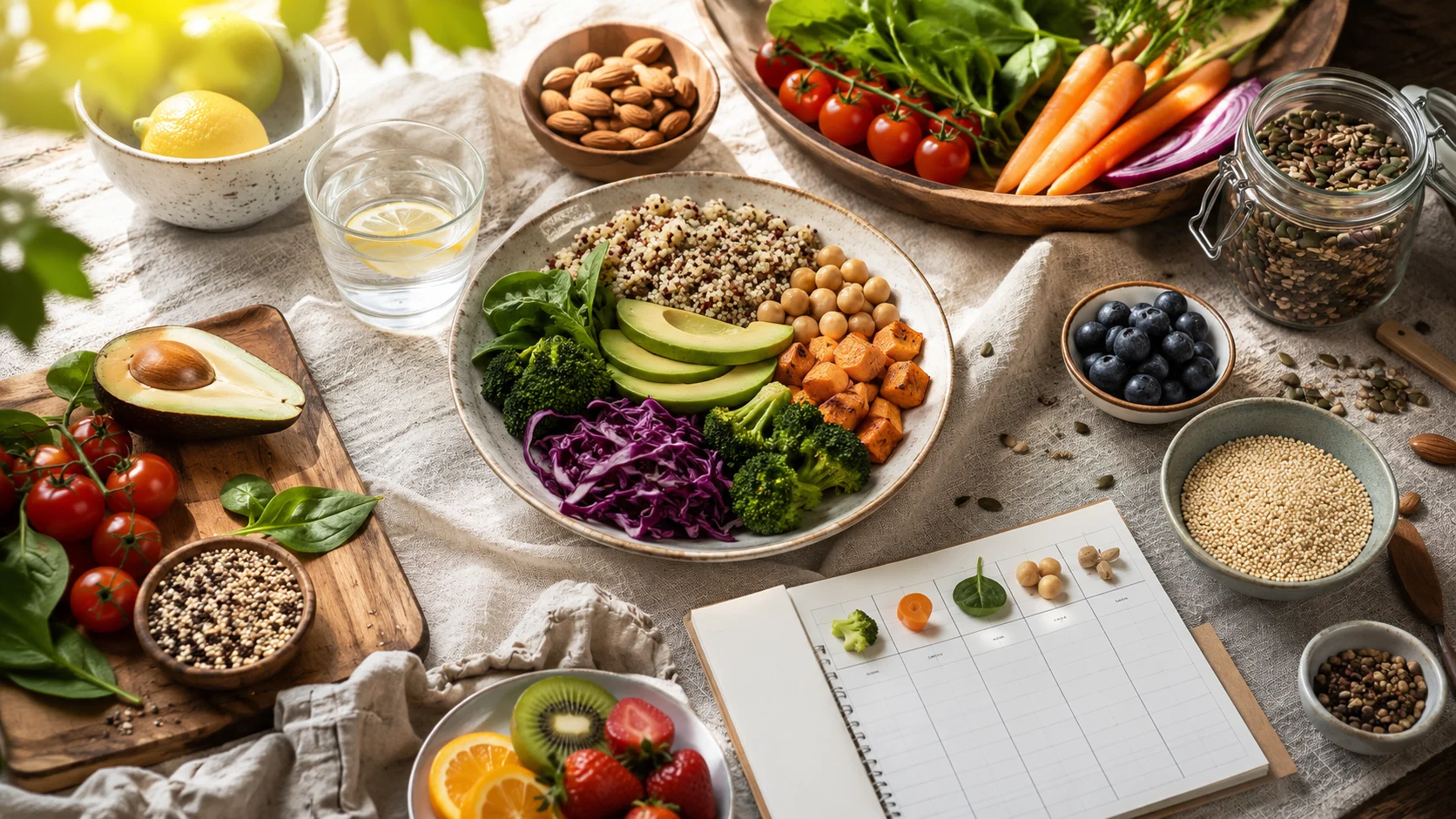
- A grounding base — something comforting like roasted potatoes, brown rice, oats, or whole-grain toast. This is the part that helps a woman stop white-knuckling her hunger.
- A steady center — grilled chicken, tofu, Greek yogurt, beans, eggs, or fish. Protein helps meals feel more anchored and satisfying.
- A generous green or colorful side — arugula with olive oil, zucchini folded into pasta, or a bowl of berries on the side. This is where many naturally alkaline-leaning foods come in.
- A little richness — avocado, tahini, nuts, seeds, or olive oil. Not as decoration, but as comfort and staying power.
For many readers, this feels far more sustainable than trying to follow a rigid 7 day diet menu to lose weight. A structured menu can offer ideas, but if it ignores stress, cravings, schedule, and appetite, it rarely creates ease. A supportive meal pattern should bend with real life.
A gentle look at ph diet foods and everyday choices
Below is a simple comparison that keeps the idea practical rather than perfectionistic.
| Everyday moment | A more supportive choice | Why it may feel better |
|---|---|---|
| Skipped breakfast, afternoon crash | Warm oatmeal with sliced pear, chia, and yogurt | Adds fiber, protein, and slower energy |
| Takeout lunch at a desk | Rice bowl with greens, beans or chicken, avocado, and salsa | Feels more balanced and satisfying |
| Snacky evening | Apple slices with almond butter and cinnamon | Offers comfort with steadier fullness |
| Too tired to cook dinner | Soup with white beans, spinach, and toast | Low effort, warm, and nourishing |
Many of these are consistent with ph diet foods, but they also belong to a broader whole foods diet. That overlap matters. Sometimes what people are seeking is not a new doctrine. It is a softer way back to meals that feel recognizable, balanced, and kind.
“Food peace often begins where food rules start getting quieter.”
What to borrow from a 7 day diet menu to lose weight—without borrowing the pressure
There is nothing wrong with liking structure. For some women, a 7 day diet menu to lose weight feels appealing because decision fatigue is real. After a long workday, even choosing what to eat can feel heavy. The helpful part of a weekly menu is not the promise of shrinking. It is the relief of having a plan.
So instead of following a rigid script, she might borrow the rhythm:
- Repeat a few breakfasts — maybe eggs with toast on busy mornings, and oats on slower ones.
- Build two reliable lunches — like a grain bowl and a hearty salad with beans or salmon.
- Keep three low-effort dinners in rotation — soup, sheet-pan vegetables with protein, or pasta with greens and white beans.
- Leave room for comfort — chocolate after dinner, a bakery muffin on Saturday, takeout when life is full. Supportive eating is not erased by pleasure.
This approach keeps the usefulness of planning without turning food into a performance.
You Might Also Wonder
Do ph diet foods actually change the body’s pH?
The body regulates blood pH very tightly on its own. What these foods may change is the overall quality of meals, which can support digestion, hydration, and steadier energy.
Can I still eat animal protein in a pH-style approach?
Yes. Many women feel best when meals include protein that truly satisfies them. The gentler idea is to add more plant foods around it, not force all-or-nothing rules.
What if I want structure but dislike strict diets?
A loose meal rhythm often works better than a rigid plan. Think repeating a few dependable breakfasts, lunches, and dinners rather than obeying an exact menu.
Is a whole foods diet the same thing as alkaline eating?
Not exactly, but they often overlap. A whole foods diet focuses on less processed, more nourishing foods, and many of those foods are also commonly listed among ph diet foods.
What if I’m using a 7 day diet menu to lose weight because I feel out of control around food?
That feeling deserves gentleness, not punishment. When food feels chaotic, the answer is often more consistent meals, enough nourishment, and less restriction—not more pressure.
Please note: Every body has its own unique rhythm. This gentle guide is for educational purposes and does not replace personalized advice from a healthcare professional or registered dietitian, especially if someone has a medical condition, digestive concerns, or specific nutrition needs.
Leave a Reply