

Most women do not need a harsher plan. They need a diet plan weight loss diet that feels steady enough to live with. When her afternoon energy drops or late-night cravings grow louder, it often is not a sign that she lacks discipline. More often, it is the body asking for more balanced support, more satisfaction, and more consistency. A gentle approach can help her eat in a way that supports weight goals without turning food into a daily battle.
The Quiet Problem With “Starting Over on Monday”
When she sits at her desk at 3 p.m., staring at a half-finished to-do list and thinking about something sweet, the usual advice can feel strangely empty. Eat less. Be stricter. Cut carbs. But a sustainable diet plan weight loss diet rarely begins with more rules. It often begins with noticing where meals have become too light, too delayed, or too disconnected from real hunger.
That is where Joyini’s gentle lens matters. A helpful plan is less like a punishment and more like a rhythm. Think of it as the Steady Plate Method: build meals with enough protein, fiber-rich carbohydrates, fat, and comfort so the body does not spend the whole day trying to catch up by evening.
Body cues are not a character flaw. They are often the soft language of unmet needs.
Research has consistently linked higher-protein, higher-fiber meal patterns with better fullness and easier appetite regulation across the day. In practical terms, that can look like Greek yogurt with berries and walnuts in the morning, or a warm rice bowl with salmon, avocado, and roasted vegetables at lunch. The goal is not perfection. The goal is steady energy.
What a Gentle Plan Looks Like on an Ordinary Tuesday
A realistic diet plan weight loss diet should survive a rushed morning, a work meeting that runs long, and an evening when cooking feels impossible. Instead of rigid meal rules, it helps to think in anchors:

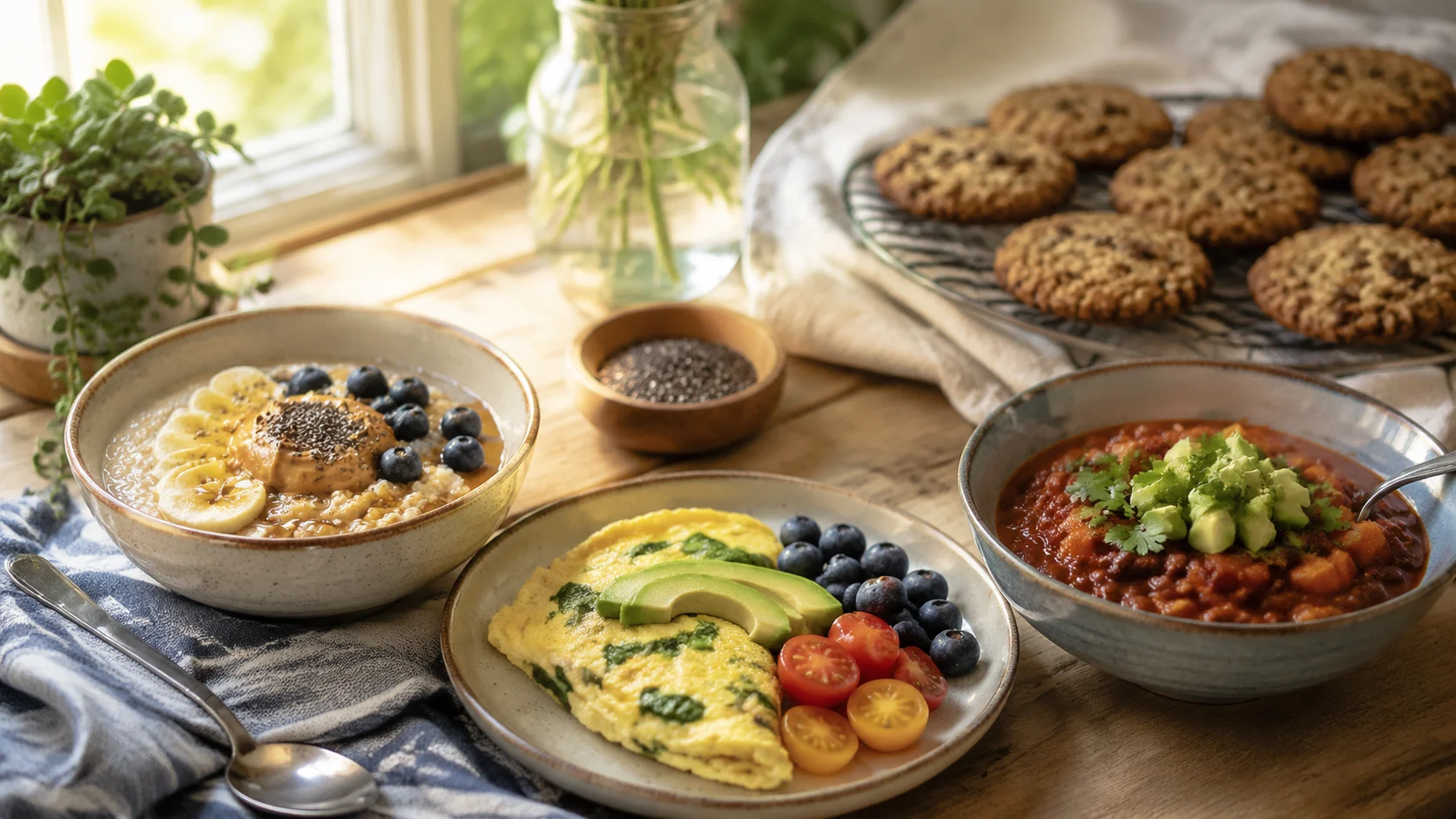
- A grounding breakfast: something that feels easy but substantial, like oatmeal softened with milk and topped with chia, sliced banana, and almond butter.
- A stabilizing lunch: not a sad placeholder meal, but something that carries her through the afternoon, like a turkey wrap with crunchy greens and a side of fruit.
- A comforting dinner: a plate that calms hunger instead of restarting it, like baked potatoes, rotisserie chicken, and buttered green beans.
- A permission-based snack: perhaps apple slices with peanut butter, or cottage cheese with cinnamon and peaches, before cravings become overwhelming.
This is also why some women searching for a diet plan weight loss diet end up reading about very different eating plans online, from brat diet foods to veterinary product names like purina pro plan veterinary diets. The internet blends everything together. But human nutrition support works best when it stays grounded in the person’s own body signals, daily routine, and emotional reality.
Why Cravings Get Louder When Meals Get Smaller
Many women have learned to praise themselves for eating “light” all day, only to feel confused when nighttime hunger arrives with force. Yet the body is rarely confused. If breakfast was coffee, lunch was a small salad, and stress filled the spaces in between, cravings are not random. They are often a predictable response.
The Three-Window Balance can help: eat within three broad windows of the day, and make each one matter. Morning, midday, evening. If one window is missed or made too small, the next one often carries extra urgency.
A body that feels safe around food usually shouts less.
This is where a gentle diet plan weight loss diet becomes different from old-school restriction. It does not ask her to ignore hunger. It asks her to understand it earlier, so the day feels softer and more supported.
How to Hold Weight Goals Without Losing Food Freedom
Weight-related goals do not have to mean fear, shame, or endless tracking. A supportive diet plan weight loss diet can include structure without becoming obsessive. It may help to focus on a few grounded questions before meals: Will this keep her full? Does it offer comfort as well as nourishment? Will it support her energy an hour from now?
That mindset leaves room for real life. Pasta can fit. Chocolate can fit. Takeout can fit. The point is not to perform “perfect eating,” but to build a pattern that feels calm enough to repeat. And repeatability matters more than intensity.
Please note: Every body has its own rhythm, history, and needs. This gentle guide is for educational purposes only and does not replace personalized advice from a registered dietitian, physician, or other qualified healthcare professional.
You Might Also Wonder
What if she wants a diet plan but hates counting calories?
She can start with meal balance instead. Building meals around protein, fiber, and satisfaction often feels more humane and easier to sustain than tracking every number.
What if afternoon sweet cravings happen every day?
That pattern often points to an earlier meal that was not filling enough. A more substantial lunch or a planned afternoon snack can soften the intensity.
Can comfort foods still fit into a weight-supportive routine?
Yes. Comfort foods often work better when they are included openly and paired with enough overall nourishment, rather than pushed into a cycle of restriction and rebound eating.
Is it okay to eat at night if hunger shows up late?
Yes. Late hunger is still hunger. The gentler question is why it arrived so loudly, and whether the day needed more support earlier on.

Leave a Reply