

Most women are told that eating for the heart has to feel strict, bland, or joyless. **It doesn’t.** In real life, heart healthy meals often look less like perfection and more like a softly built plate that keeps energy steady, feels satisfying, and supports the body without turning dinner into another self-improvement project. For the woman standing in her kitchen at 6:40 p.m., tired and hungry, that shift changes everything.
She may have spent years bouncing between “healthy” rules and all-or-nothing evenings. But a more supportive path exists: meals that are warm, practical, and deeply nourishing. This is where heart health and real-life comfort can meet. And yes, these meals can also fit naturally into conversations about healthy and weight loss foods or a healthy eating diet to lose weight—without becoming punishing or extreme.
The Quiet Misunderstanding About Eating for the Heart
Many people assume heart healthy meals are only about what needs to be removed: less salt, fewer fried foods, smaller portions, more discipline. But the body often responds better when the focus shifts toward what can be gently added. **More fiber. More color. More steadying fats. More meals that actually satisfy.**
That is the pattern interrupt many women need to hear: **the problem is not always that she wants “too much” food; sometimes her meals have simply not been built to carry her through the day.** A lunch made of crackers and coffee can easily become an evening of intense cravings, takeout urgency, or nibbling without relief.
Body care begins to feel lighter when food stops being a test and starts becoming support.
Research has consistently linked dietary patterns rich in vegetables, legumes, nuts, whole grains, and unsaturated fats with better cardiovascular health. For example, the American Heart Association continues to emphasize these food patterns as part of supporting blood pressure, cholesterol, and overall heart wellness.
The “Warm Plate Balance” Method
Instead of chasing rules, it helps to picture what Joyini might call the Warm Plate Balance method. Think of it as building a meal the way someone might arrange a room she wants to rest in: with steadiness, softness, and enough substance to stay awhile.
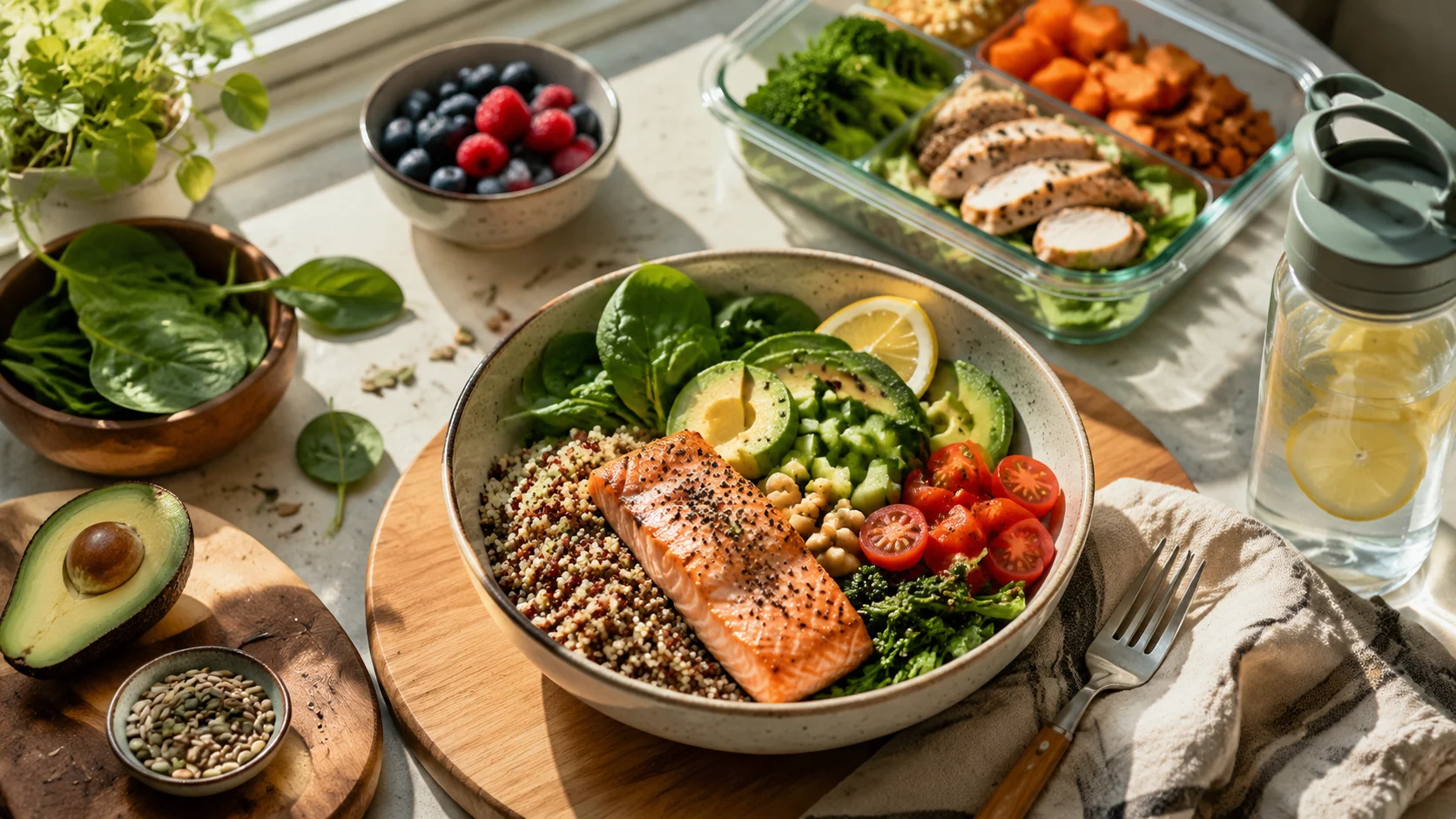
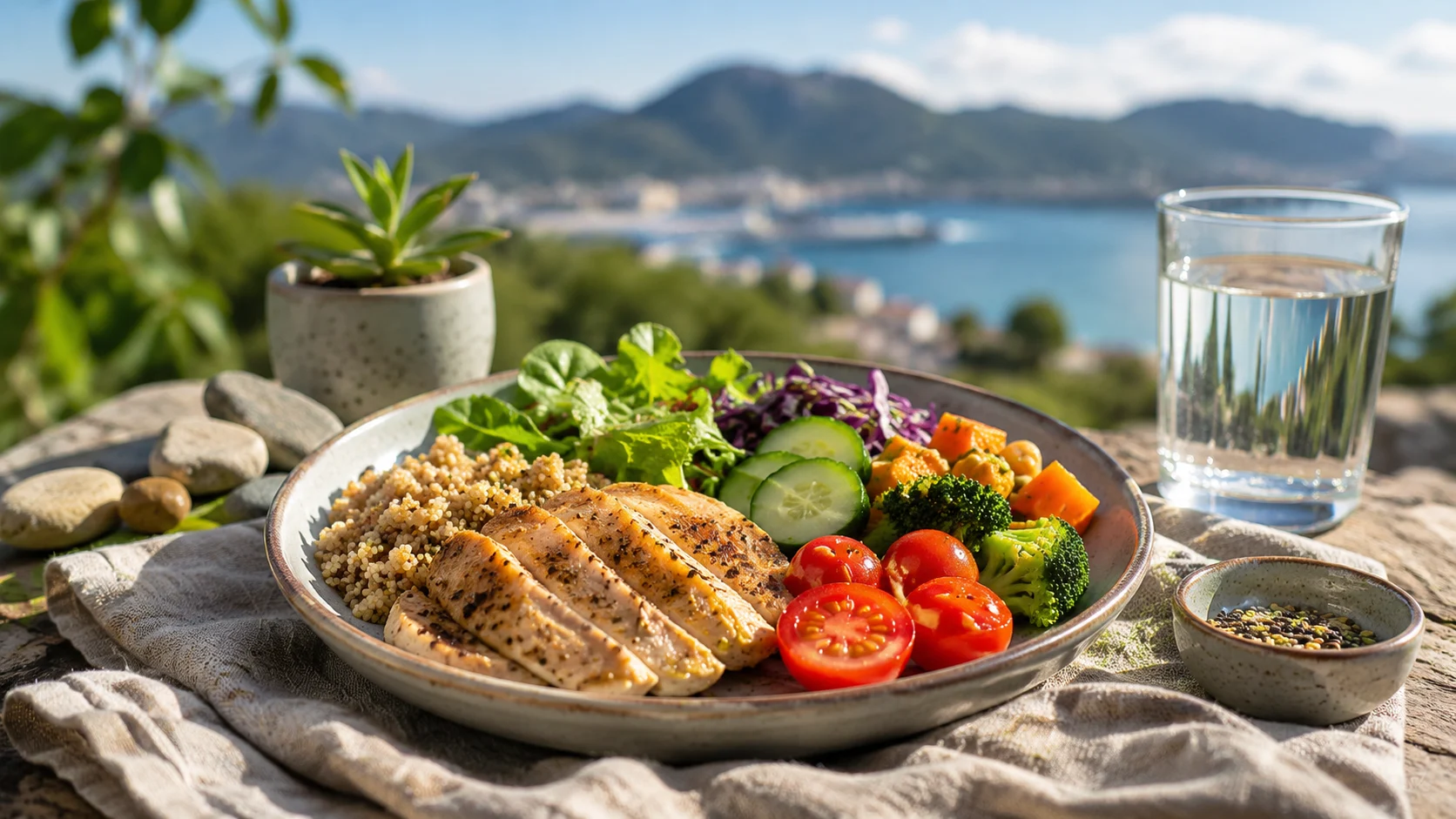
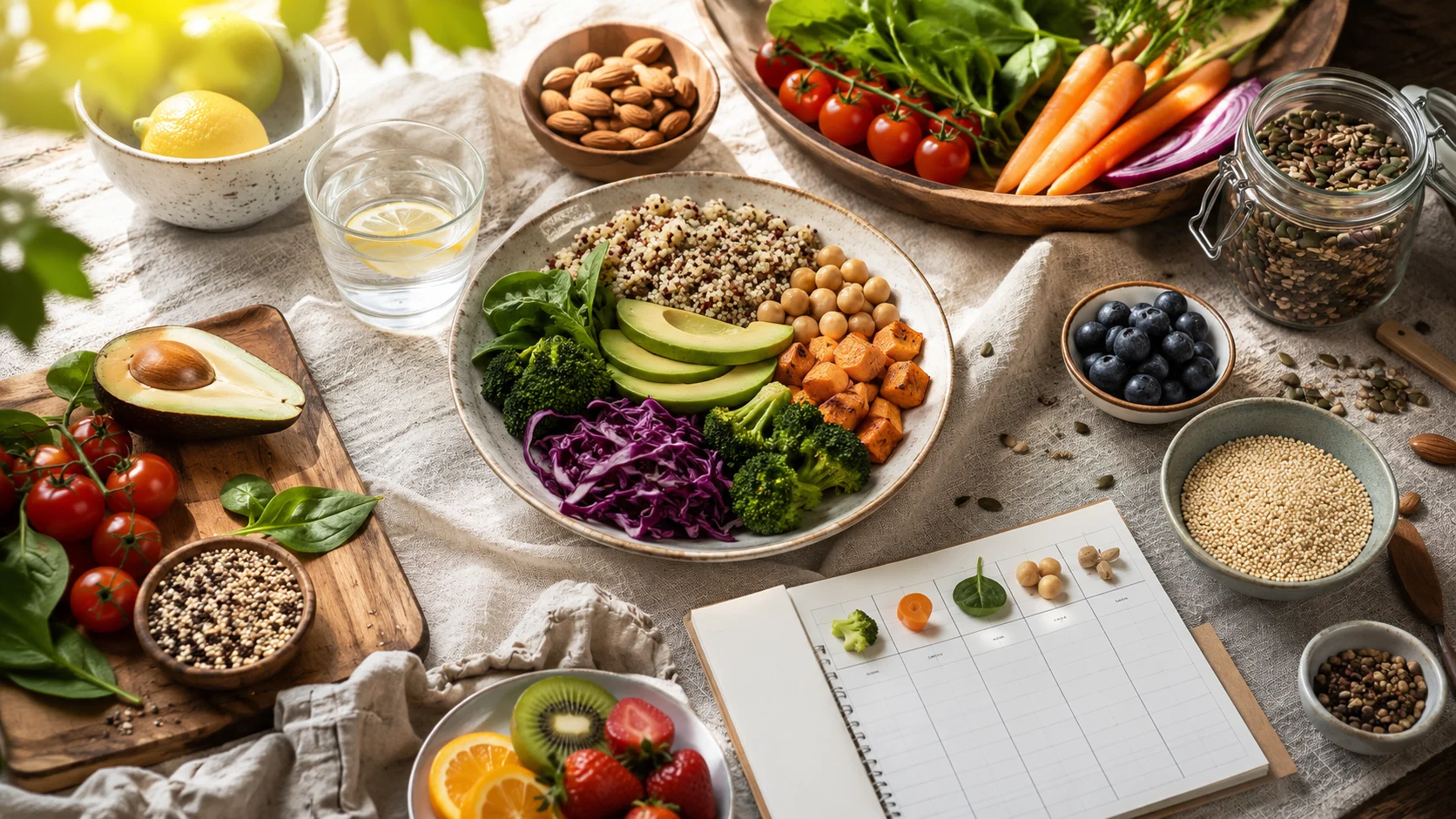
- A grounding base: something comforting like brown rice, roasted potatoes, farro, or a thick slice of whole grain toast. This brings staying power and can help meals feel emotionally complete, not sparse.
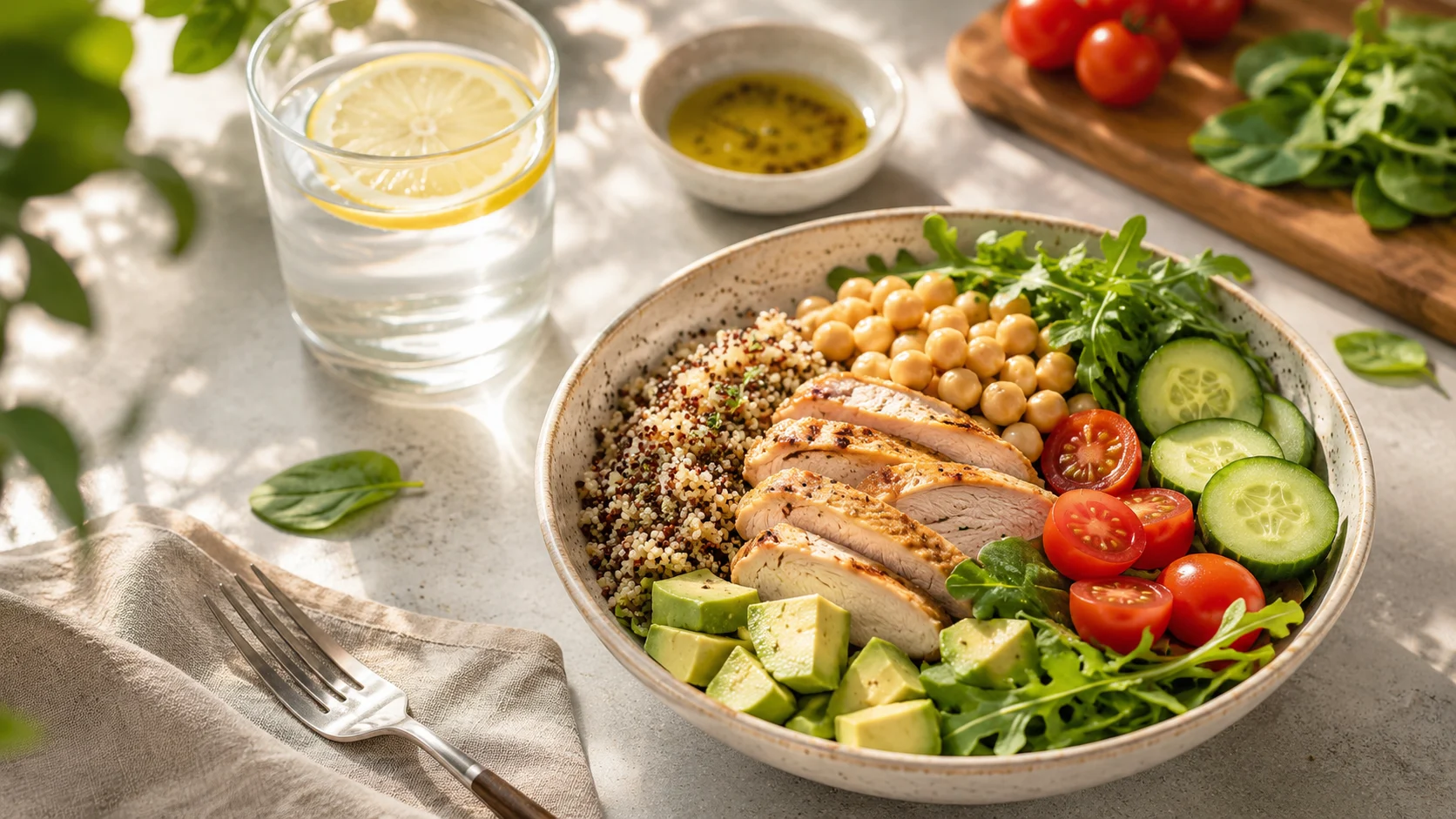
- A satisfying protein: perhaps salmon flaking into a grain bowl, white beans folded into tomato broth, or shredded chicken tucked beside roasted vegetables. This is often the piece that helps energy last longer.
- A gentle fat: olive oil, sliced avocado, tahini, nuts, or seeds. These ingredients add richness and support heart-friendly eating in a way that feels elegant rather than restrictive.
- A generous plant layer: peppery greens, roasted Brussels sprouts, juicy tomatoes, sautéed zucchini, or a handful of berries on the side. Color is not decoration here; it is part of the nourishment.
When women search for heart healthy meals, they are often also searching for meals that help them feel human again at the end of a long day. The Warm Plate Balance method makes that easier.
The healthiest meal is rarely the one with the most rules. It is often the one that brings steadiness, satisfaction, and peace.
What These Meals Can Look Like on an Ordinary Tuesday
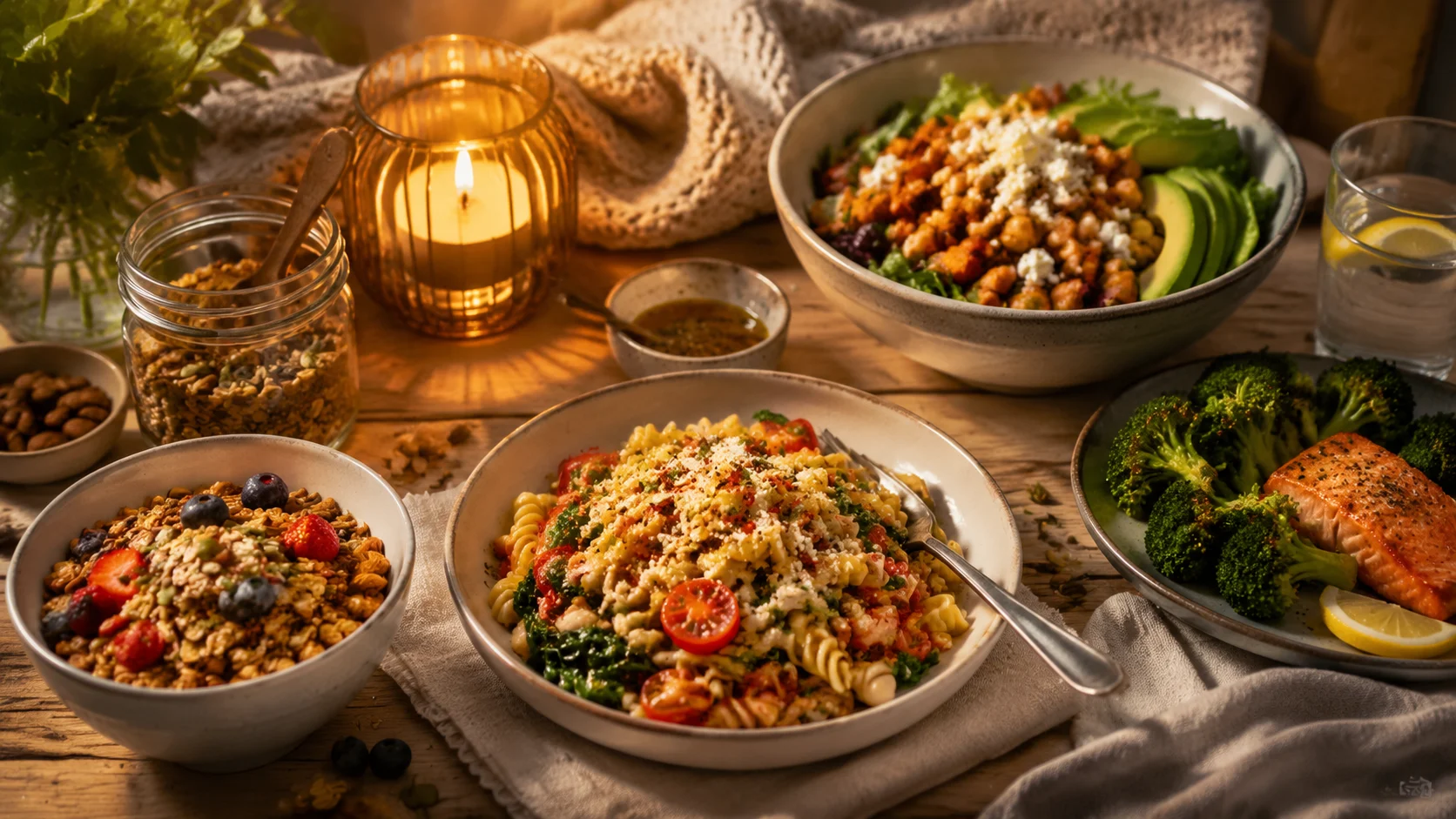
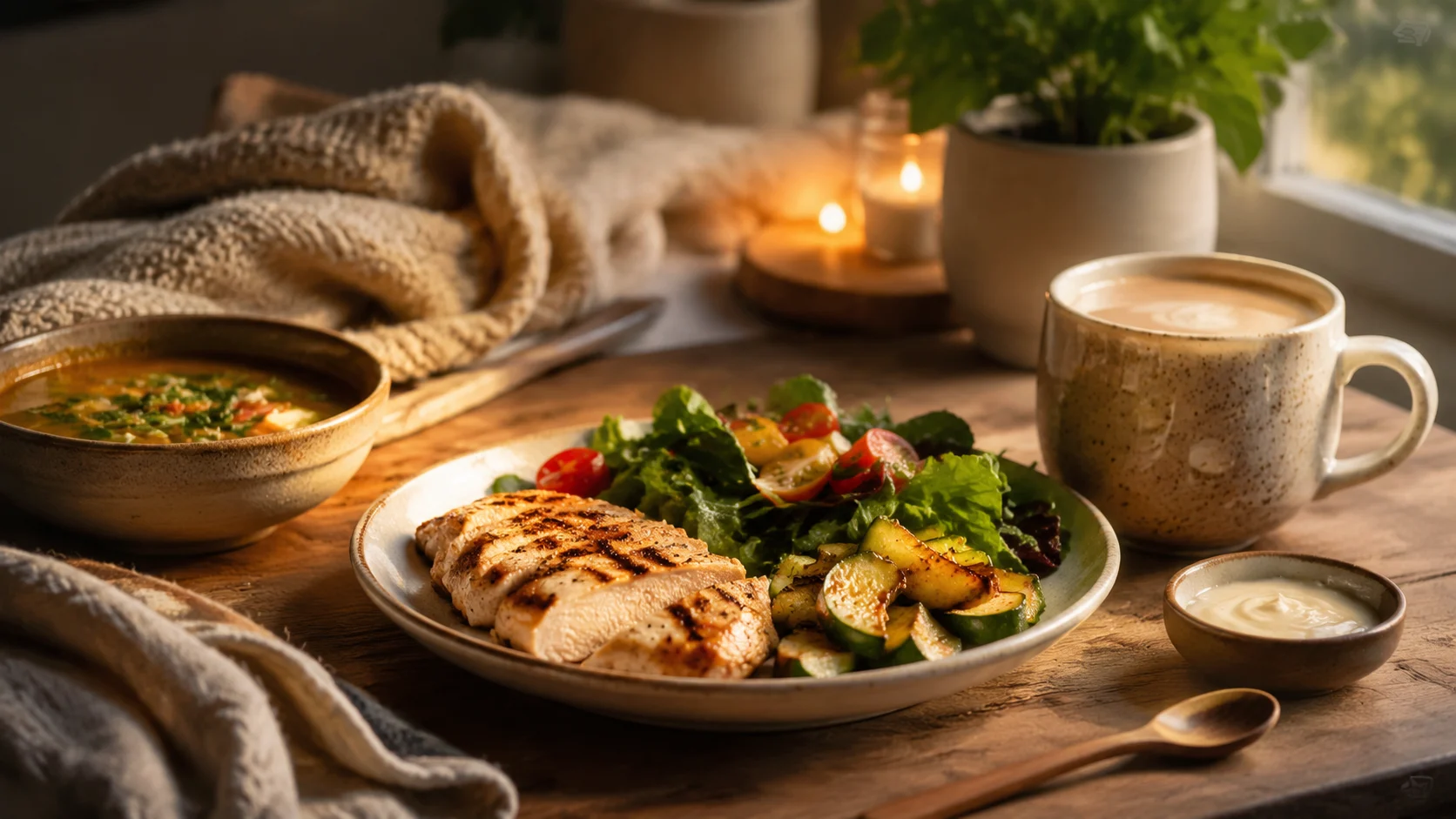
Heart healthy meals do not need to be complicated to be meaningful. They can be as simple as a bowl of lentil soup with olive oil brushed across warm toast, or baked salmon beside tender rice and cucumber salad brightened with lemon. On a low-energy night, it might be a supermarket rotisserie chicken paired with microwaved sweet potatoes and a bagged salad dressed with pumpkin seeds.
For the woman trying to explore healthy and weight loss foods without slipping back into food anxiety, these meals offer a more grounded way forward. They are not built around deprivation. They are built around staying nourished enough that late-night grazing feels less chaotic.
And if someone is curious about a healthy eating diet to lose weight, it helps to remember that sustainable eating usually looks repetitive in the best way: familiar ingredients, flexible combinations, and meals that are satisfying enough to repeat without resentment.
Small Shifts That Make Heart Healthy Meals Easier to Repeat
Consistency often grows from ease, not intensity. A few quiet adjustments can make heart healthy meals much more realistic in everyday life:
- Cook with one generous ingredient in mind: a sheet pan of roasted vegetables, a pot of quinoa, or a lemony bean salad can carry several meals without demanding a full prep day.
- Let convenience be supportive: frozen vegetables, canned beans, prewashed greens, and instant brown rice are not shortcuts to feel bad about. They are tools that help nourishment happen on tired days.
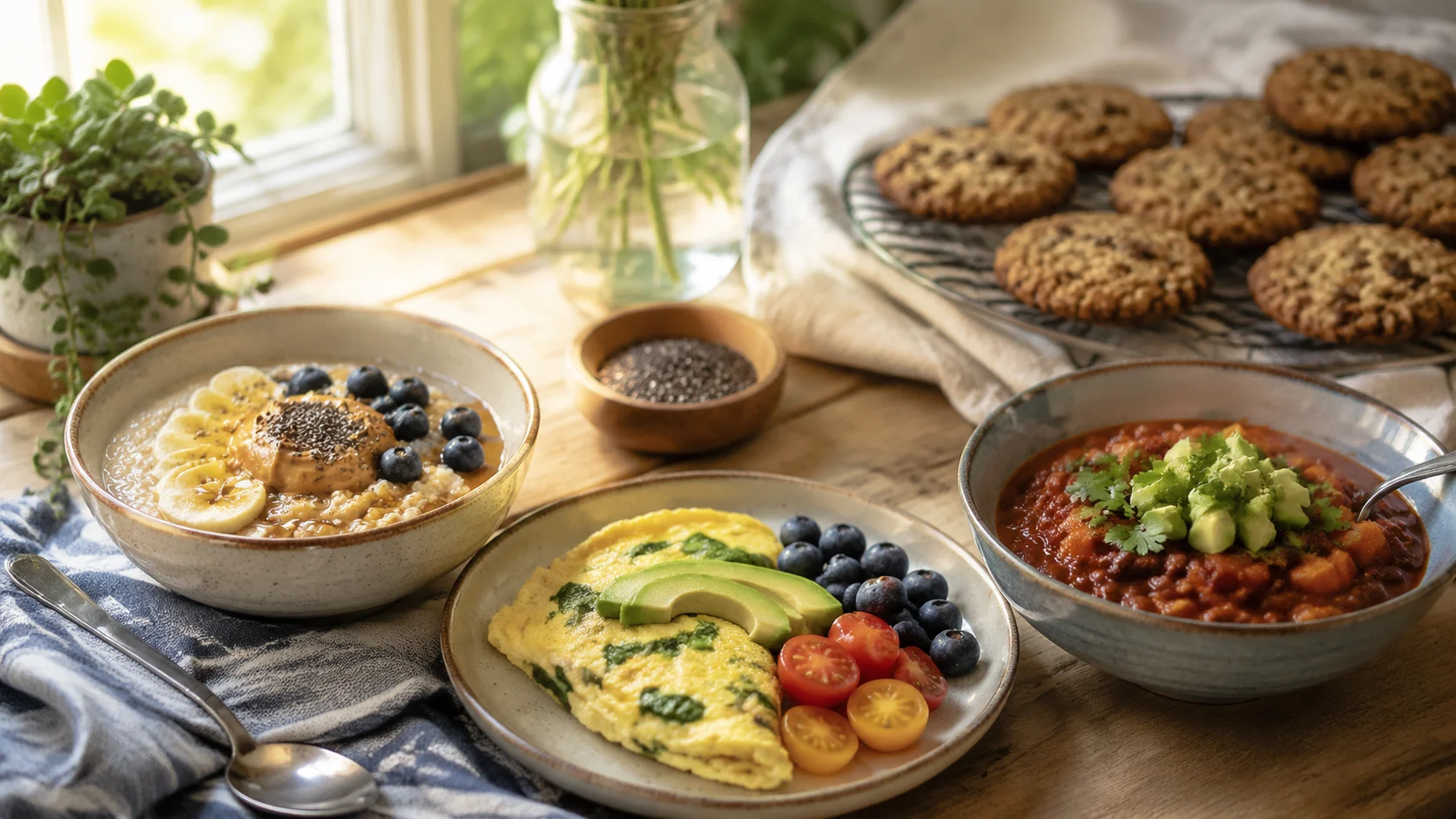
- Build “bridge meals” for hard evenings: oatmeal with walnuts and fruit, toast with hummus and eggs, or yogurt with chia and berries can hold the body over when cooking feels impossible.
- Notice how a meal feels two hours later: calm, clear, and gently full is useful information. This is often more helpful than obsessing over whether a meal was “perfect.”
Heart healthy meals become sustainable when they fit the rhythm of ordinary life, not an imaginary version of it.
Please note: Every body has its own rhythm, health history, and needs. This article is for educational purposes only and is not a substitute for personalized guidance from a doctor or registered dietitian, especially if someone is managing a heart condition, blood pressure concerns, or other medical needs.
You Might Also Wonder
What if she is too tired to cook a full dinner?
A simple meal still counts. Toast with avocado and white beans, a bagged salad with rotisserie chicken, or soup with whole grain crackers can absolutely support heart health.
Do heart healthy meals have to be low fat?
Not at all. In many cases, meals feel more satisfying and supportive with fats like olive oil, nuts, seeds, or avocado. The goal is balance, not fear.
Can these meals also support weight goals?
Yes, sometimes they can. Meals that are balanced and satisfying may help reduce the restrict-then-overeat cycle. That is often a gentler path than chasing strict plans.
What if she keeps craving takeout?
That craving may be about exhaustion as much as flavor. Re-creating one comforting element at home—crispy potatoes, a savory sauce, a warm rice bowl—can help meals feel more emotionally satisfying.
Is it okay to repeat the same few meals every week?
Absolutely. Repetition can be a form of care. A small set of reliable heart healthy meals often makes healthy eating feel calmer and more doable.
Leave a Reply