

The Quiet Appeal of Cutting Everything Out
A no carb diet can sound simple on paper: remove bread, rice, pasta, fruit, and other carbohydrate-rich foods, and maybe life will feel more controlled. But for many women, the first thing that changes is not peace around food. It is often energy, mood, and the intensity of cravings. In real life, a no carb diet may lower carbohydrate intake dramatically, yet it can also make daily eating feel tighter, harder, and more emotionally loaded.
That is the part many people do not hear early enough. The problem is not that someone “lacks discipline.” Often, the body is responding exactly as bodies tend to respond when one of their easiest energy sources suddenly disappears.
Body signals are not a character flaw. They are often the first honest language the body uses when something feels scarce.
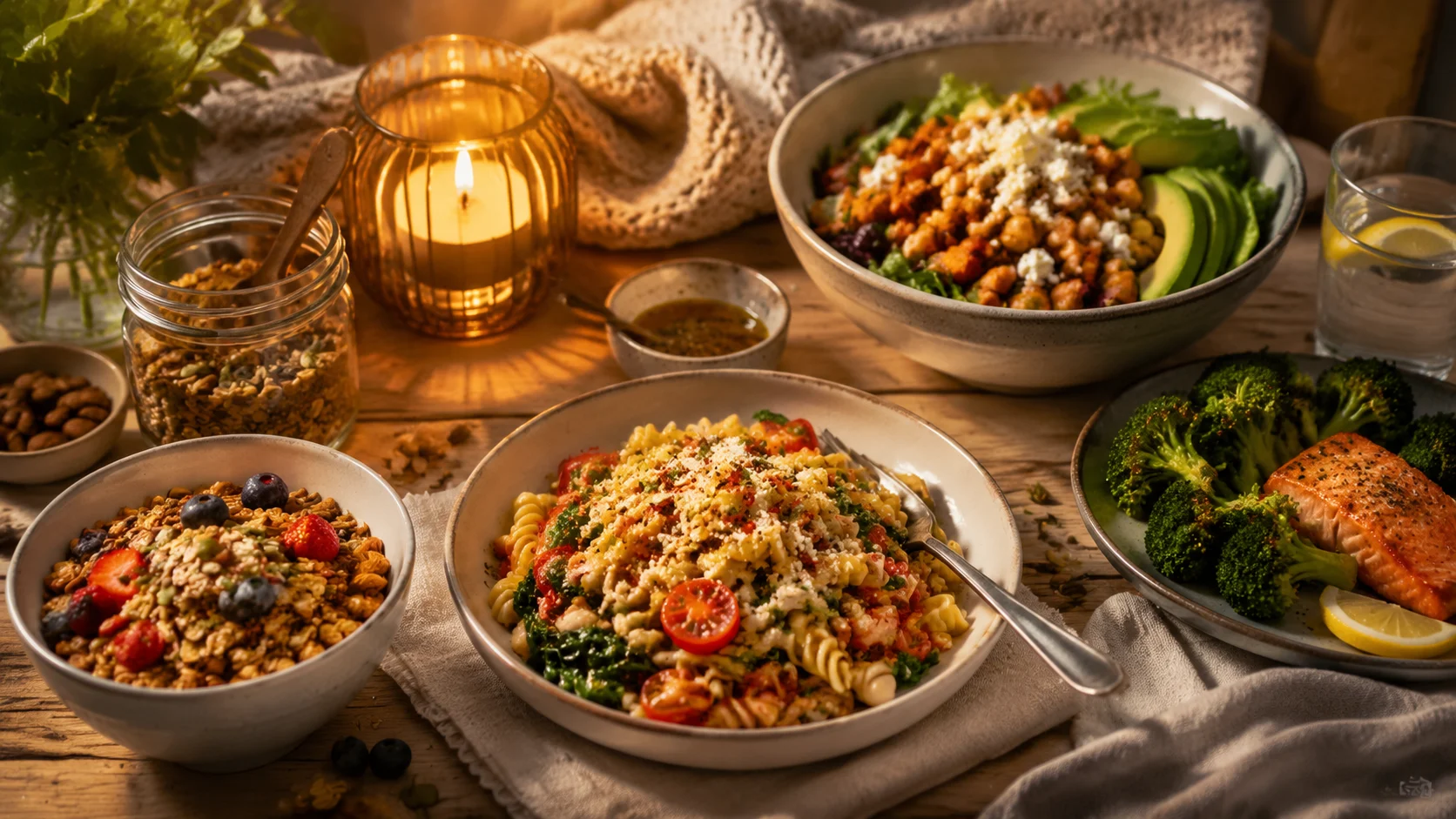
Carbohydrates are not just found in pastries and takeout containers. They also live in the steam rising from oatmeal, the sweetness of berries, the comfort of beans simmering in a pot, and the crisp bite of an apple on a rushed afternoon. A no carb diet usually removes far more than people expect.
When “Control” Starts to Feel Like Static
There is a common belief that fewer carbs automatically means steadier energy. For some people, reducing highly processed foods can indeed help them feel better. But a true no carb diet is much more extreme than simply building balanced meals. It often cuts out foods that provide fiber, quick fuel, and practical comfort during busy days.
When she is answering emails at 3 p.m. with a fading mind and a tight jaw, what looks like a “sugar craving” may actually be a body asking for accessible energy. A strict no carb diet can make that signal louder. Some women notice brain fog, irritability, lower exercise stamina, or a stronger pull toward overeating later at night.
Research has also observed that the brain typically relies heavily on glucose for energy, and low-carbohydrate approaches can affect appetite, performance, and mood differently from person to person. That does not mean carbs must dominate every meal. It simply means removing them completely is not automatically more supportive.

The Lantern Plate Method
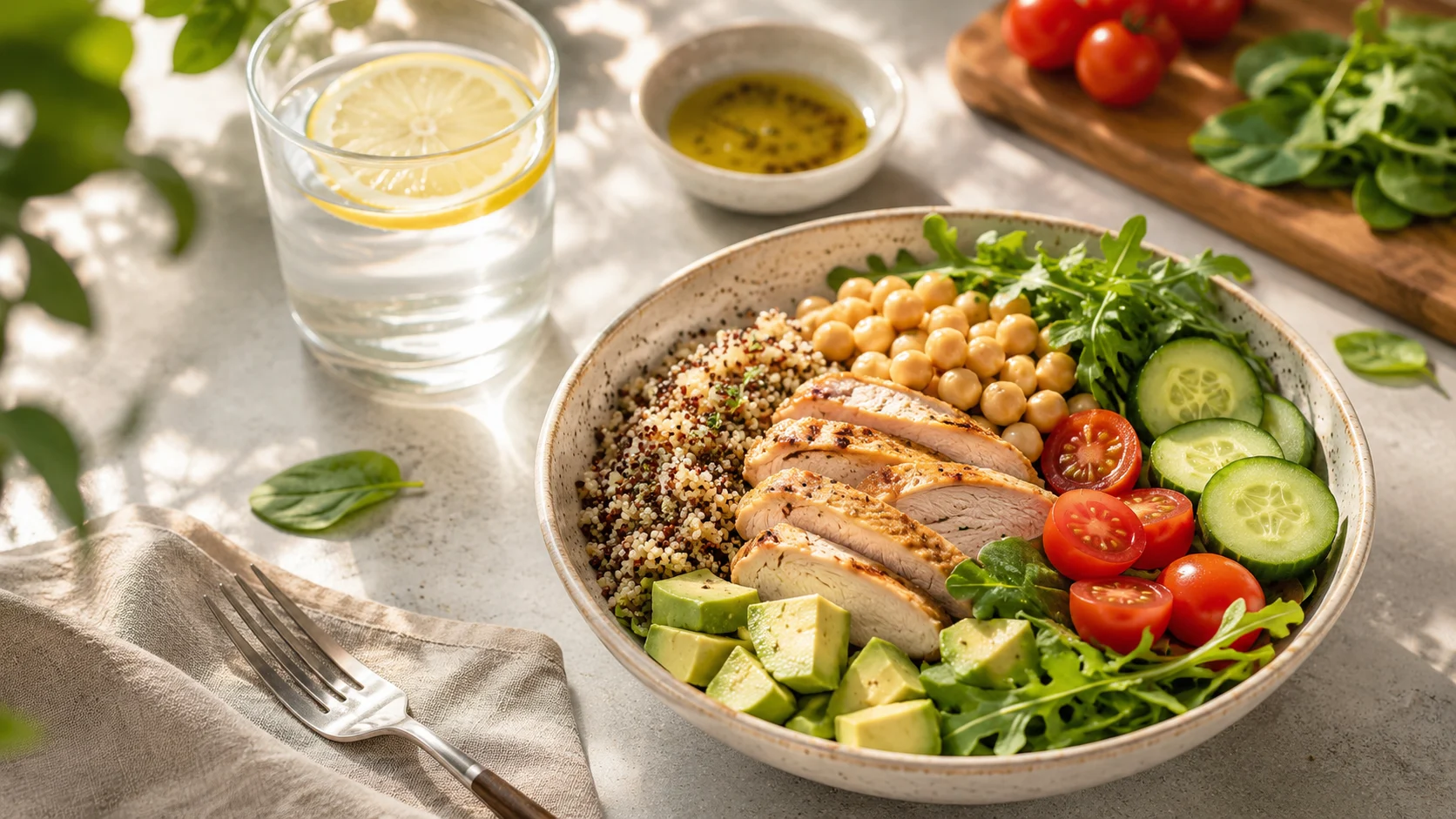
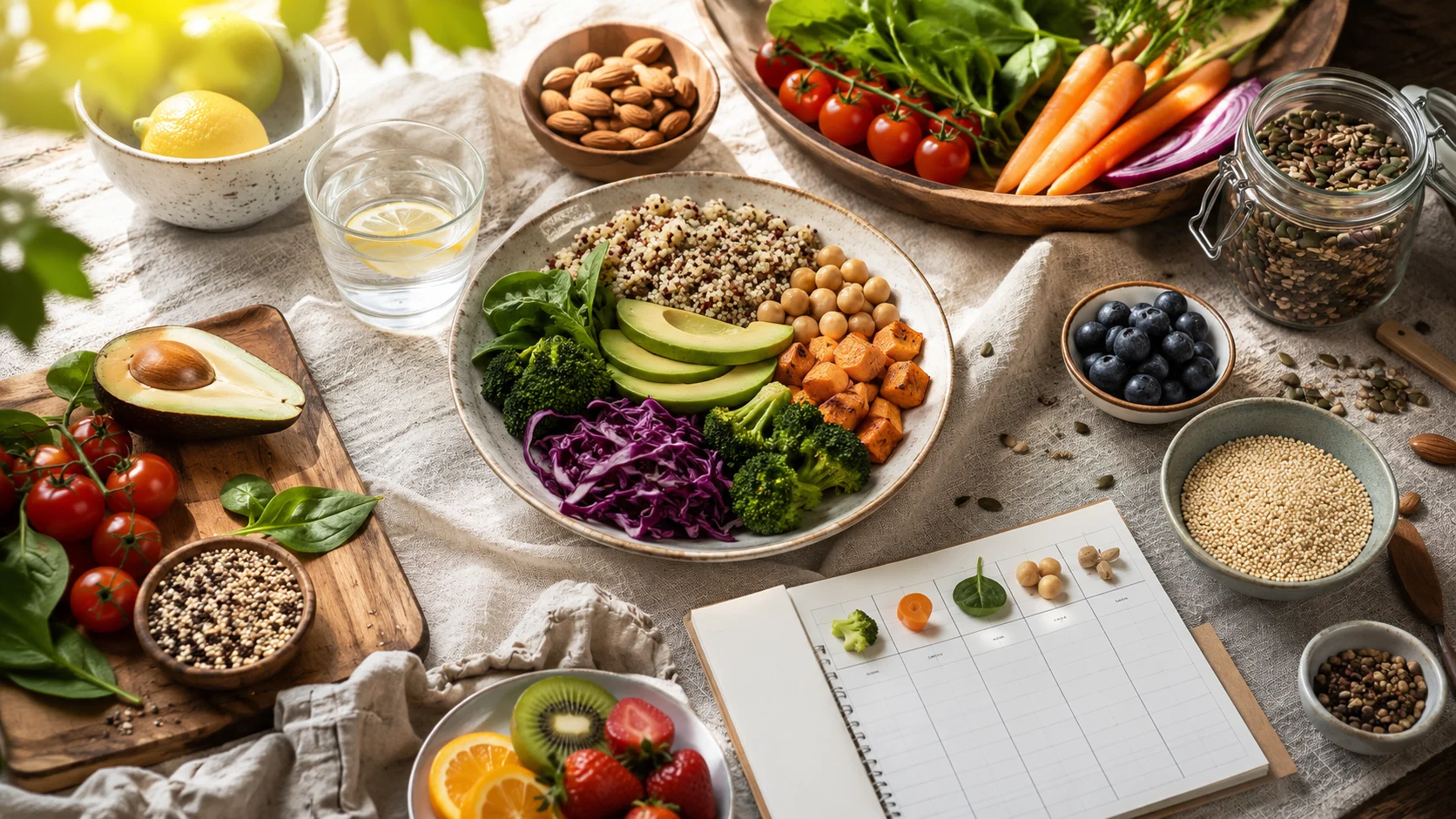
Instead of swinging between carb overload and a no carb diet, it can help to picture a gentler framework: The Lantern Plate Method. A lantern does not flood a room with harsh light; it offers enough steady brightness to help someone keep going. Meals can work in the same way.
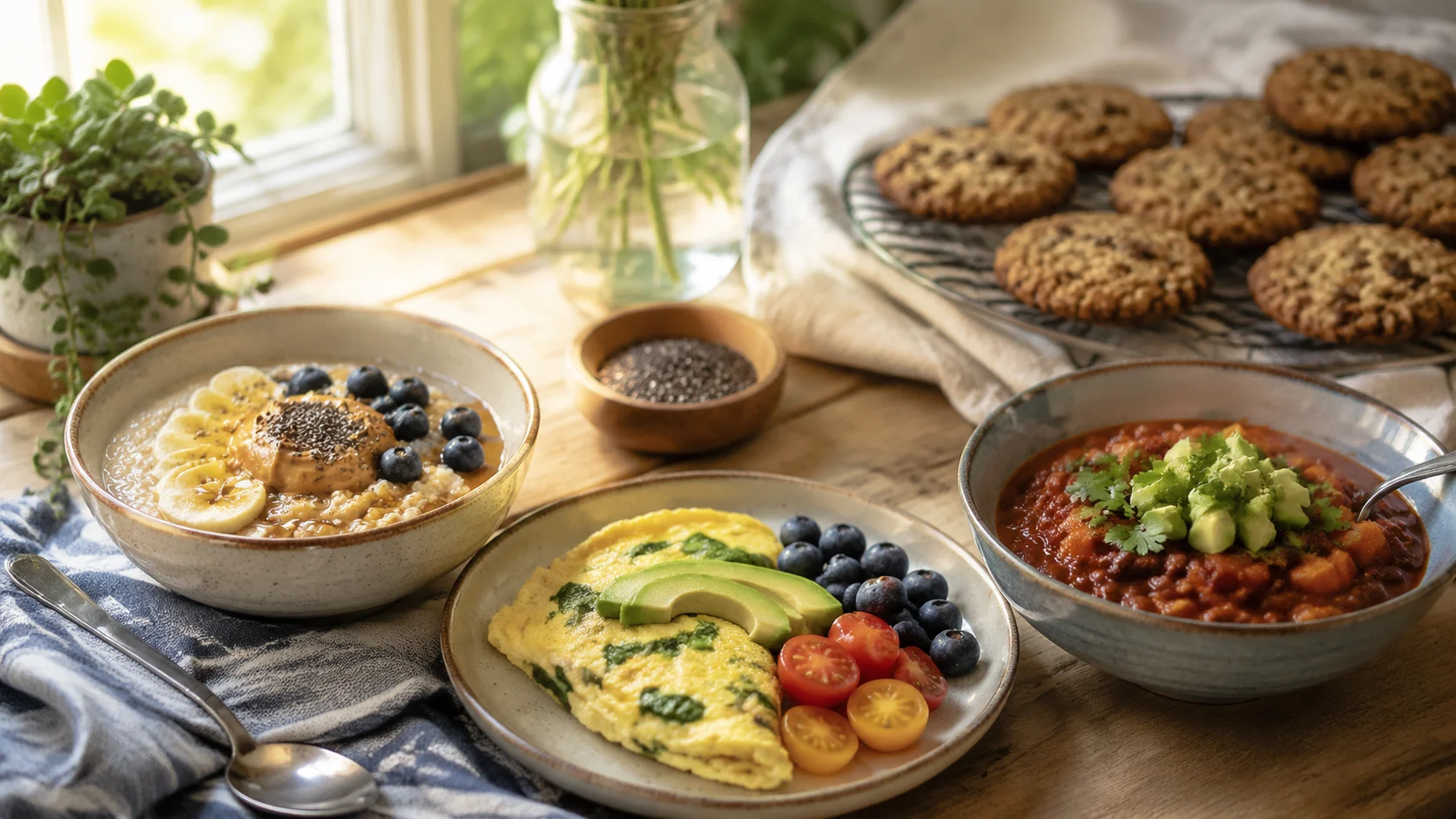
- Start with an anchor. This could be eggs beside sautéed greens, Greek yogurt with seeds, or salmon flaked over a warm bowl. Protein and fat help a meal feel grounding.
- Add a steady glow. This is where carbohydrates can come in with more ease: a scoop of rice, roasted sweet potato, lentils, or a slice of sourdough. Not excess. Not fear. Just usable energy.
- Bring in softness. Think roasted vegetables, berries, avocado, olive oil, or a spoonful of hummus. These details make meals feel satisfying instead of clinical.
For a woman trying to recover from years of food rules, this often works better than a no carb diet because it supports both satiety and emotional steadiness. The meal feels livable. The body does not have to panic.
What a No Carb Diet May Miss
A no carb diet is often presented as a clean equation, but bodies are not spreadsheets. They are responsive, cyclical, and shaped by sleep, stress, hormones, movement, and history with food. For women especially, highly restrictive patterns can become tangled with PMS hunger, late-night cravings, or the old familiar feeling of trying to be “good” all day and feeling unraveled by evening.
Carbohydrate-containing foods can support more than fullness. Many also bring fiber for digestion, enjoyment for the nervous system, and flexibility for real life. Beans in a tomato-rich soup, a banana before a walk, or rice tucked beside chicken and vegetables may not look dramatic, but they can help eating feel calmer and more sustainable.
The goal is not to eat with perfect control. The goal is to eat with enough support that control no longer has to shout.
This does not mean every person must eat the same amount of carbs. It means that before choosing a no carb diet, it is worth asking a softer question: Does this way of eating help her feel nourished, stable, and free enough to live her life?
A Few Practical Questions
Is a no carb diet the same as a low-carb diet?
Not quite. A low-carb approach reduces carbohydrates, while a no carb diet aims to remove them almost entirely. In everyday life, that difference can feel much bigger than it sounds.
Why do cravings feel stronger when carbs are cut out?
Sometimes the body is simply asking for available energy. Restriction can also make certain foods feel emotionally louder, especially for someone with a long history of dieting.
Can someone eat fewer carbs without becoming overly restrictive?
Yes. Some people feel better with fewer refined carbs and more balanced meals. The key is whether the approach still includes enough nourishment, flexibility, and satisfaction.
What if she feels better at first on a no carb diet?
That can happen, especially if meals become more structured or ultra-processed foods decrease. The more useful question is whether that improvement still holds when stress, social life, and ordinary fatigue enter the picture.
What is a gentler first step than going no carb?
Try pairing carbohydrates with protein, fat, and fiber more consistently. A bowl of soup with beans and chicken, or toast with eggs and avocado, often supports steadier energy without the sharp edges of total restriction.
Please note: Every body has its own rhythm, history, and needs. This gentle guide is for educational purposes only and does not replace personalized advice from a physician or registered dietitian, especially if someone is pregnant, managing a medical condition, or noticing significant changes in energy, mood, or eating patterns.


Leave a Reply