

A gentler way to think about weight loss
Many women are told that a weight loss diet has to feel strict to “work.” But often, the opposite is closer to the truth. A thoughtful mediterranean diet for weight loss can support steadier energy, more satisfying meals, and a calmer relationship with food—without turning every bite into a test of discipline. For the woman standing in her kitchen at 6:40 p.m., too tired to cook and too tired to start over on Monday, that matters.
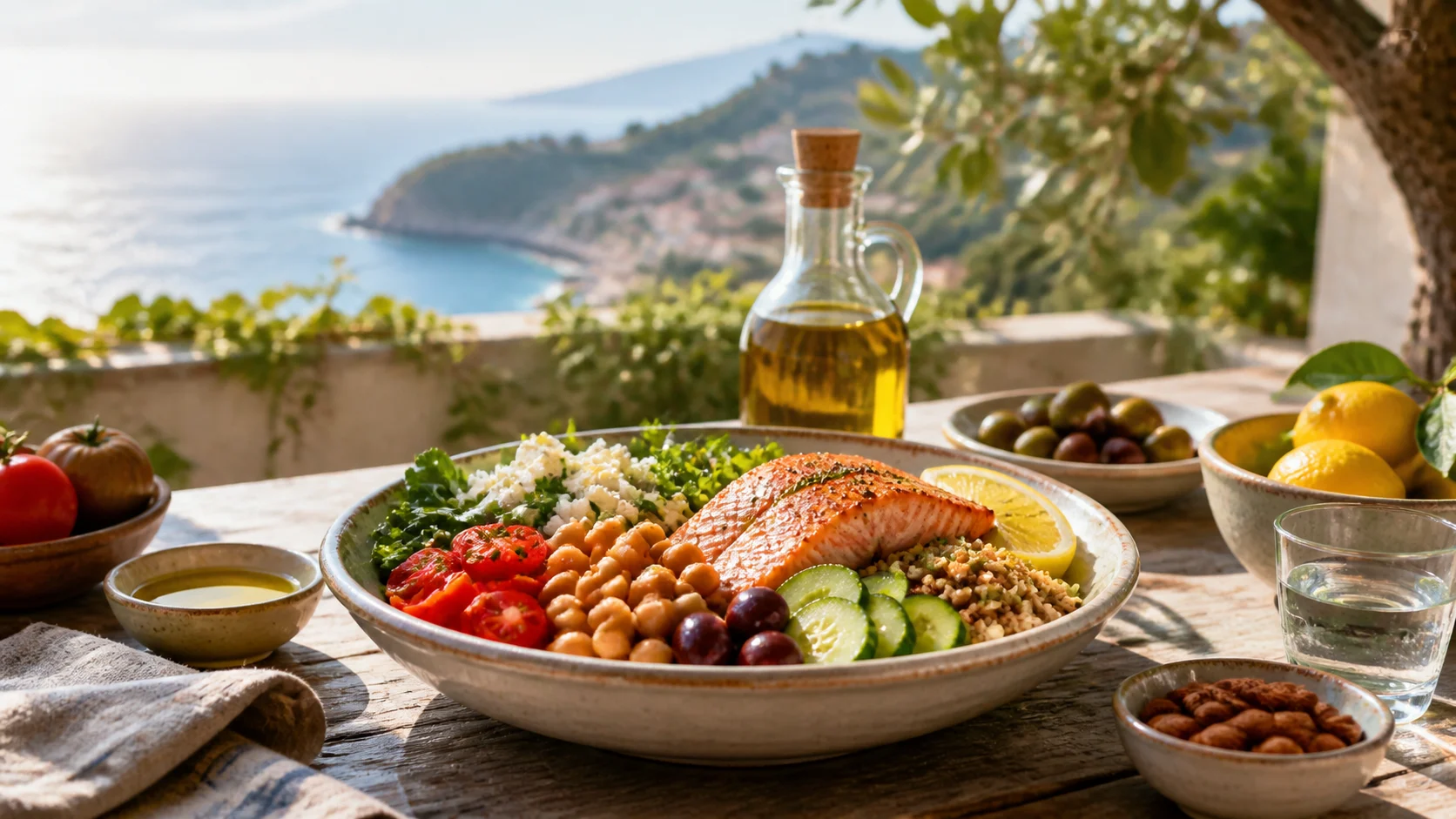
The Mediterranean pattern is less like a rulebook and more like a table that stays welcoming: olive oil shimmering over roasted vegetables, beans folded into a warm soup, salmon beside herbed rice, fruit waiting in a bowl where it can be seen. Its strength is not perfection. Its strength is repeatability.
Body changes rarely come from punishment. They tend to grow from patterns the body feels safe enough to keep.
Research has repeatedly linked Mediterranean-style eating with better cardiometabolic health, and some studies have found it can support modest, sustainable weight loss, especially when meals are built around fiber-rich plants, satisfying fats, and enough protein. In one large review published in The American Journal of Medicine, Mediterranean-style eating was associated with meaningful improvements in weight and waist measures compared with more typical eating patterns.
Why this pattern often feels easier to stay with
When she has spent years swinging between restriction and rebound eating, what helps is not more pressure. It is meals that bring satiety, comfort, and steady energy. A mediterranean diet for weight loss tends to work gently because it leans on foods that digest more slowly and feel more complete.
- Fiber softens the sharp edges of hunger. Think lentils in a tomatoey stew, berries over yogurt, or whole-grain toast beside eggs. These meals do not just “check nutrition boxes”—they help the afternoon feel less frantic.
- Healthy fats make meals feel finished. A drizzle of olive oil, a spoonful of tahini, a handful of pistachios. Satisfaction is not a side note; it is often what prevents the late-night pantry spiral.
- Protein adds steadiness. Greek yogurt at breakfast, chickpeas at lunch, fish or tofu at dinner. Not in a bodybuilder way—just enough to help energy stop rising and crashing so hard.
This is where Joyini’s gentle lens matters: a weight loss diet that constantly leaves someone hungry can quietly pull her farther away from her body signals.
The Olive Plate Method: a simple micro-framework for real life
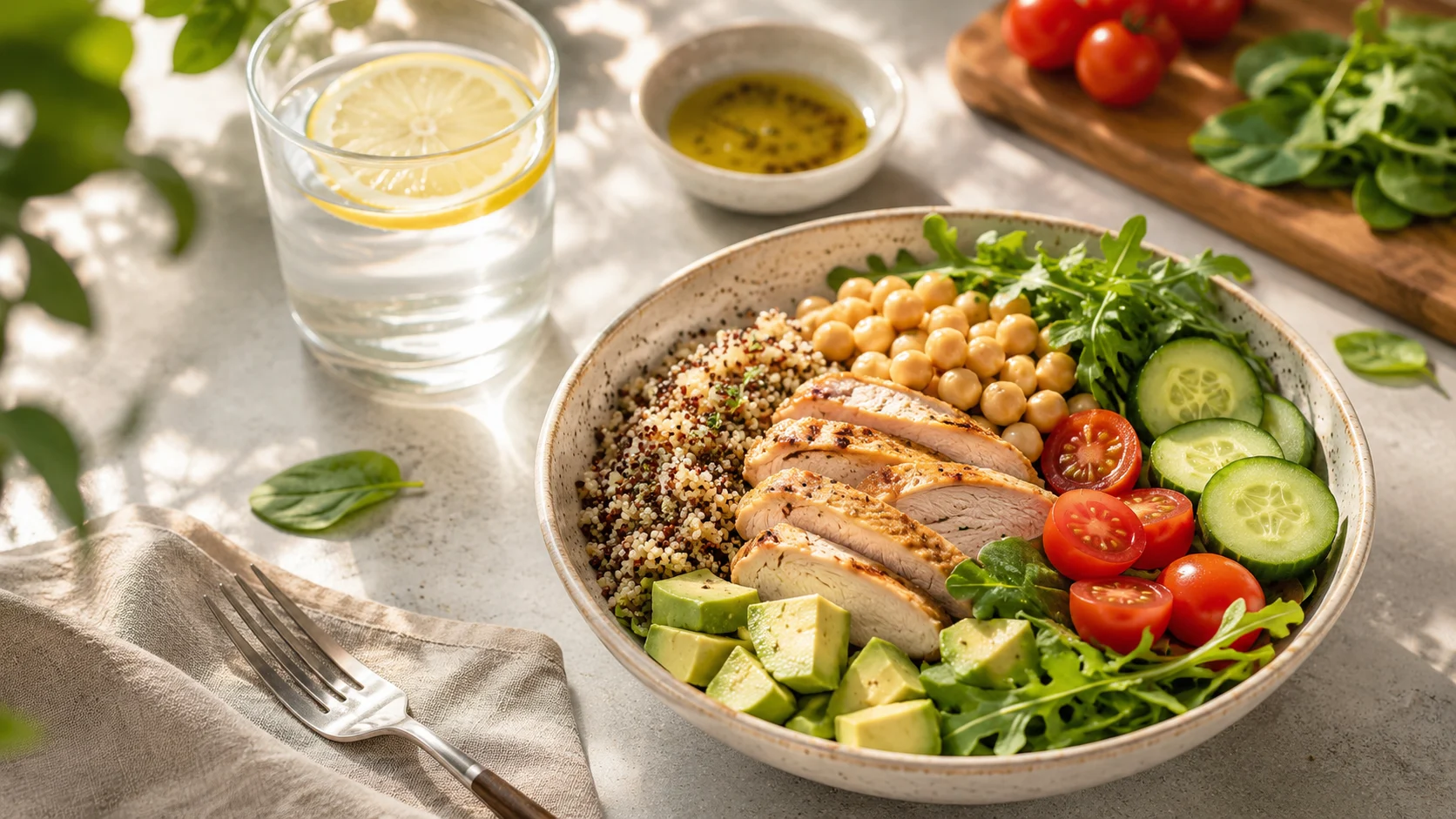
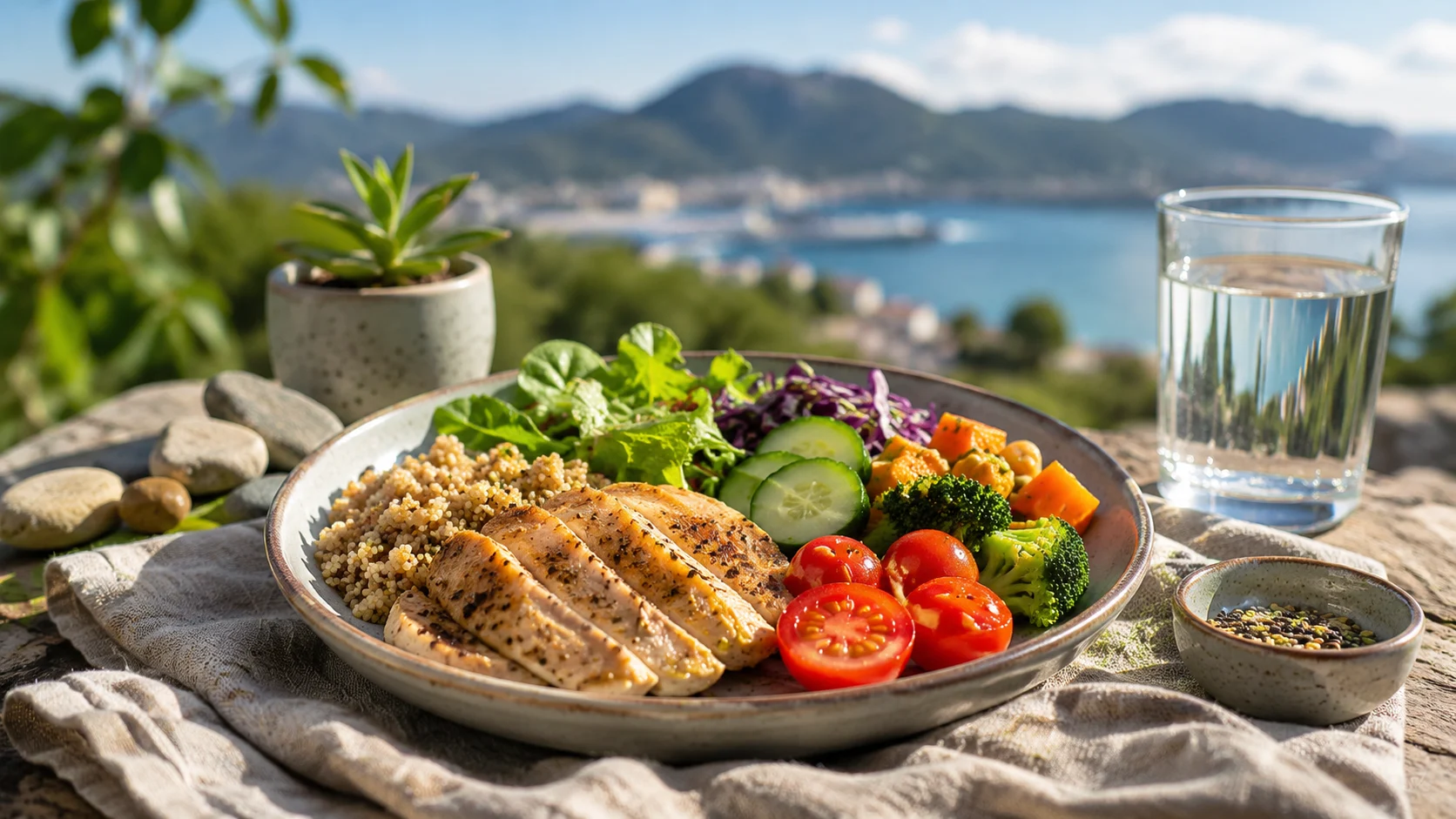
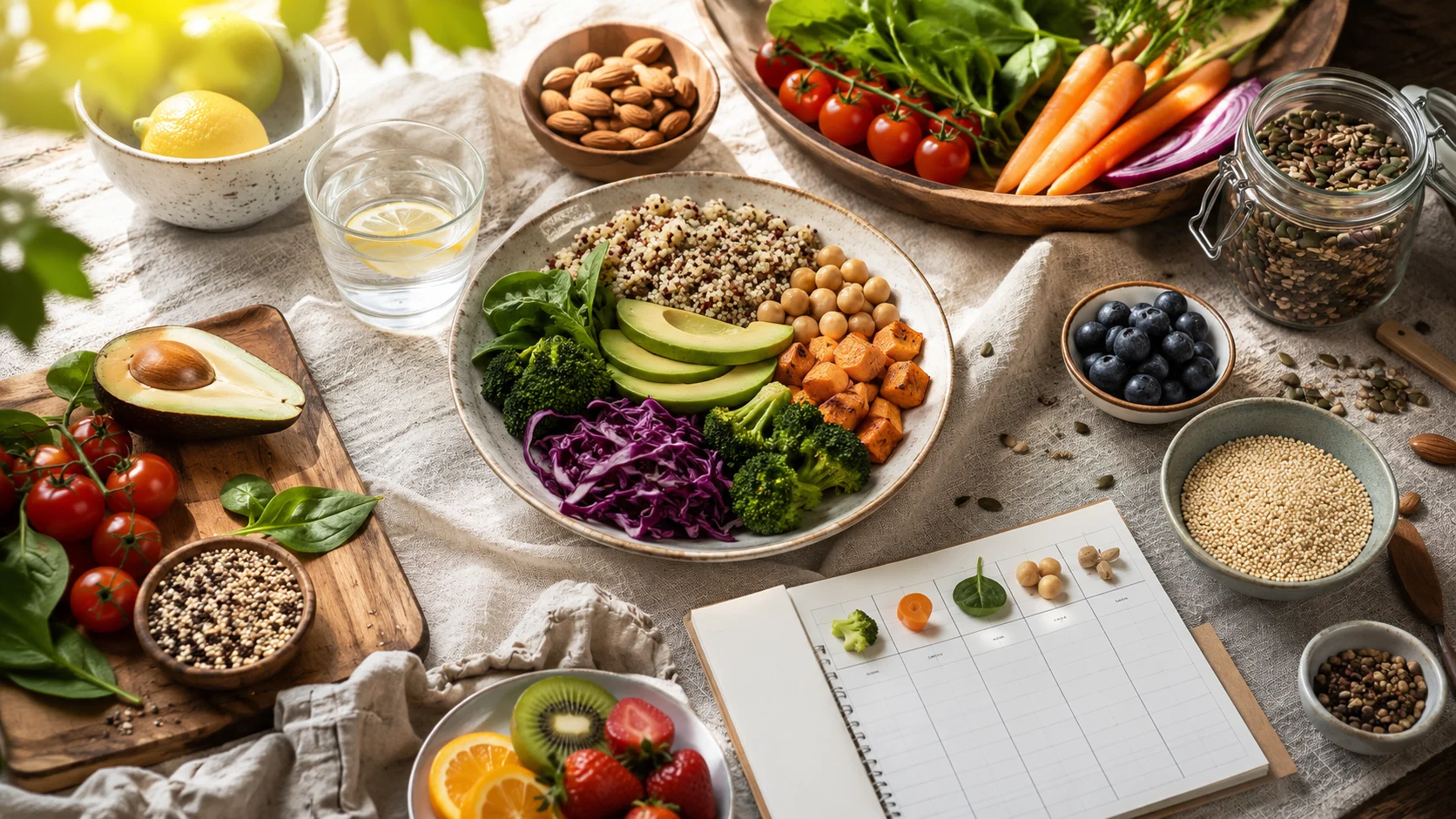
Instead of counting and recalculating, she can use a small visual rhythm called the Olive Plate Method. It is simple enough for weekday lunches and flexible enough for takeout nights.
- Half the plate in color. Roasted carrots, cucumber and tomato salad, garlicky greens, or a vegetable soup that actually feels comforting.
- A palm of anchoring protein. Grilled chicken, white beans, baked salmon, tofu, or a thick scoop of cottage cheese tucked beside sliced peaches.
- A scoop of grounding carbohydrate. Brown rice, quinoa, baby potatoes, warm pita, or pasta in a portion that supports energy instead of fear.
- A finishing touch of fat. Olive oil, avocado, olives, nuts, or a swipe of hummus to make the meal feel satisfying enough to remember.
The goal is not to eat as little as possible. The goal is to eat in a way that makes the next decision easier.
For many women, this is what makes a mediterranean diet for weight loss feel more livable than a rigid plan. It creates structure without turning dinner into math.
What this can look like on a tired Tuesday
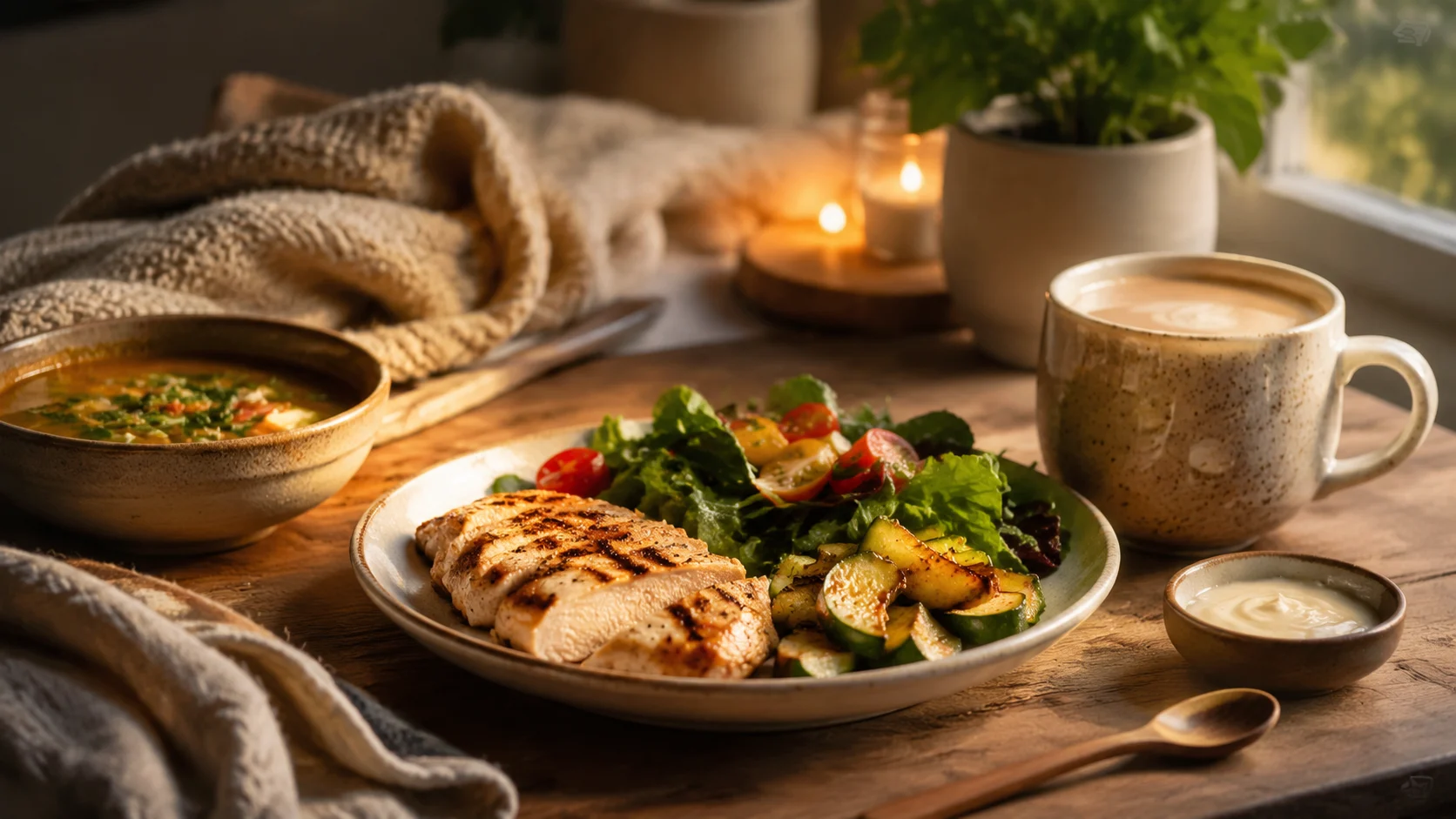
She opens the fridge and sees a container of cooked rice, a rotisserie chicken, a jar of olives, and a box of arugula beginning to wilt. In another diet mindset, this might feel “not perfect enough.” In a Mediterranean one, it becomes dinner: arugula tossed with olive oil and lemon, warm rice, shredded chicken, a few olives, maybe a spoon of feta. Balanced. Fast. Real.
Or lunch is a bowl of white beans warmed with garlic, cherry tomatoes, and olive oil, eaten with toast and a crisp apple. Breakfast could be plain Greek yogurt with walnuts, cinnamon, and soft blueberries that burst under the spoon. None of this is flashy. That is part of the beauty. A sustainable weight loss diet often looks ordinary from the outside.
Where gentle expectations matter most
A mediterranean diet for weight loss is not magic, and it does not need to be. Weight can be influenced by sleep, stress, medications, hormones, cycle changes, and past dieting history. If her body has learned to live on extremes, trust may return more slowly than a headline promises.
Still, this pattern offers something more useful than urgency: a steadier baseline. More fiber. More meal satisfaction. Fewer all-or-nothing swings. More room to enjoy food without making it the enemy. That alone can change the emotional weather around eating.
Please note: Every body has its own rhythm. This gentle guide is for educational purposes and does not replace personalized advice from a healthcare professional or registered dietitian, especially if someone has a medical condition, a history of disordered eating, or changing nutrition needs.
You Might Also Wonder
Can the Mediterranean diet help with weight loss if she does not want to count calories?
Yes, often it can. Many women find that meals built with fiber, protein, and healthy fats naturally feel more filling, which may support weight changes without constant tracking.
What if she craves sweets in the afternoon?
That craving may be less about failure and more about low energy. A more balanced lunch—like grain, protein, vegetables, and olive oil—can help. Pairing something sweet with substance, such as fruit and yogurt, can also feel more steady than trying to “be good” and ending up ravenous later.
Does bread have to be removed from a Mediterranean eating pattern?
Not at all. Bread can fit beautifully, especially when it is paired with satisfying foods like soup, beans, eggs, cheese, or salad. The pattern is about balance, not fear.
What if she is too busy to cook most nights?
This style of eating can still work. Rotisserie chicken, bagged salad, canned beans, microwavable grains, hummus, fruit, and yogurt can come together quickly and still support a balanced plate.
Is this better than every other weight loss diet?
Different approaches fit different people, but this one is often easier to live with because it does not rely on extreme restriction. For many women, that makes consistency more possible.
Leave a Reply