

When “Eating Better” Starts to Feel Heavy
Many women meet fob diet food through a rulebook mindset, but the gentler truth is this: it does not have to become another rigid food system. In real life, fob diet food can simply mean building meals that feel more grounded, more satisfying, and more supportive of steady energy—often with the spirit of a whole food diet, but without perfection pressure.
By three in the afternoon, when she is staring at her screen and wondering why focus disappeared again, the issue is often not a lack of discipline. It may be that lunch was too small, too rushed, or missing the kind of nourishment that helps energy last. That is where a softer approach matters.
Body signals are not a character flaw. They are often the quiet language of unmet needs.
Instead of asking whether a food plan is “good enough,” it helps to ask a different question: Does this meal support steadier energy, comfort, and ease?
The Quiet Difference Between Rules and Support
There is a common misunderstanding that fob diet food only works when meals are perfectly planned and highly controlled. But for busy women, control usually breaks first. Support lasts longer.
A helpful way to picture this is Joyini’s “Steady Plate Lens”: looking at a meal through three soft points of support rather than strict rules.
- Something grounding — a warm bowl of oats, roasted potatoes, rice, or toast that helps the body feel settled rather than deprived.
- Something sustaining — Greek yogurt, eggs, beans, salmon, tofu, or chicken that helps fullness linger a little longer.
- Something softening — berries, olive oil, avocado, greens, or even a square of chocolate that brings pleasure and balance instead of tension.
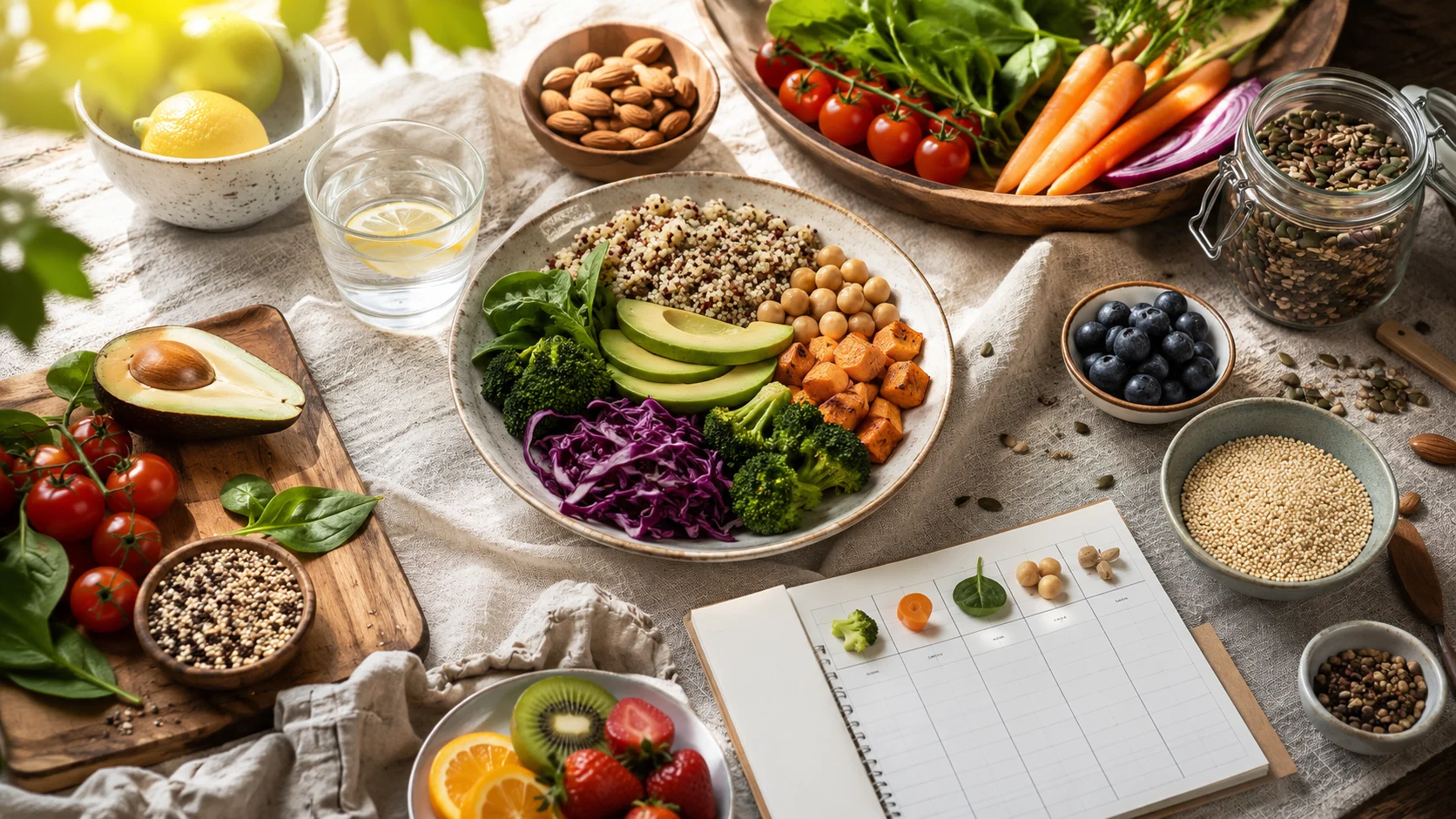
This is where fob diet food begins to make sense in a more human way. It is less about chasing dietary purity and more about creating meals that are practical enough to repeat. A whole food diet can fit beautifully here, not as a moral badge, but as a simple way to include foods that feel closer to their natural form more often than not.
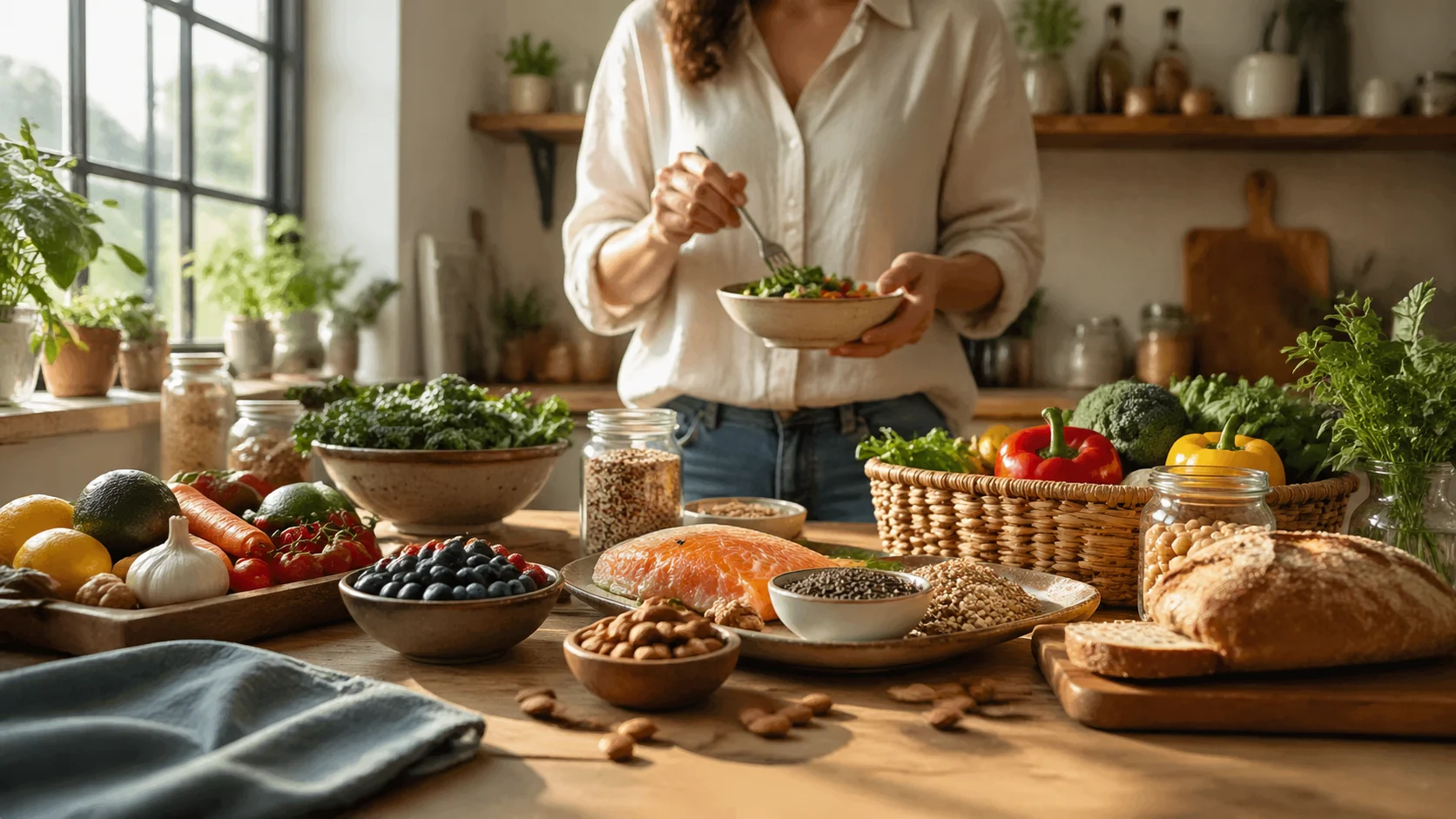
A meal does not need to be perfect to be supportive; it only needs to meet the moment with a little more care.
What This Can Look Like on an Ordinary Tuesday
For someone trying to make fob diet food feel less abstract, ordinary meals are the best place to begin.
- Breakfast on a rushed morning — a warm bowl of oatmeal with crushed walnuts, banana slices, and a spoonful of yogurt. It feels gentle, but it also gives the body carbohydrate, fat, and protein in one easy rhythm.
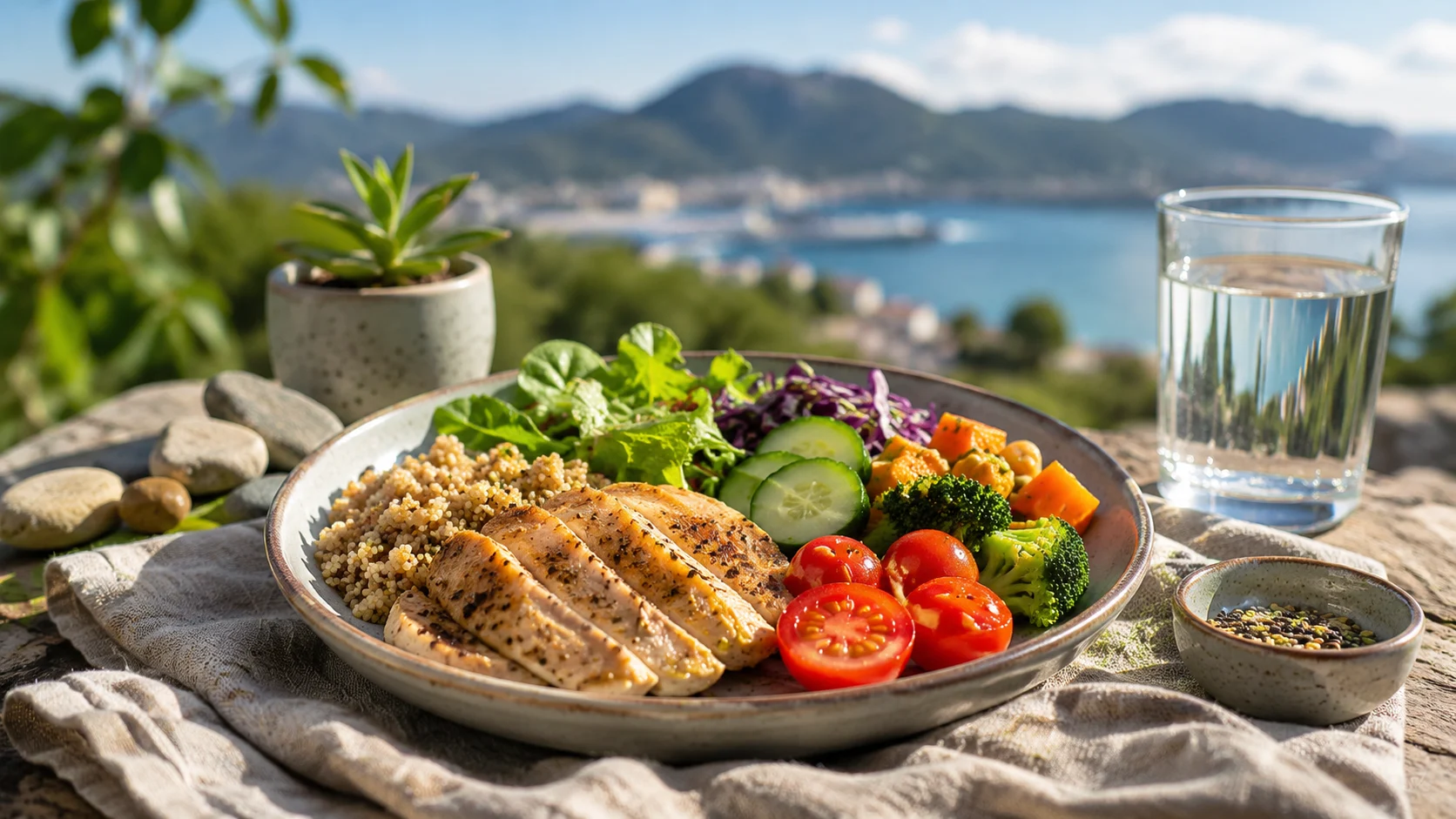
- Lunch between meetings — a grain bowl with rice, black beans, roasted vegetables, avocado, and salsa. This kind of plate often reflects the heart of a whole food diet without asking for complicated prep.
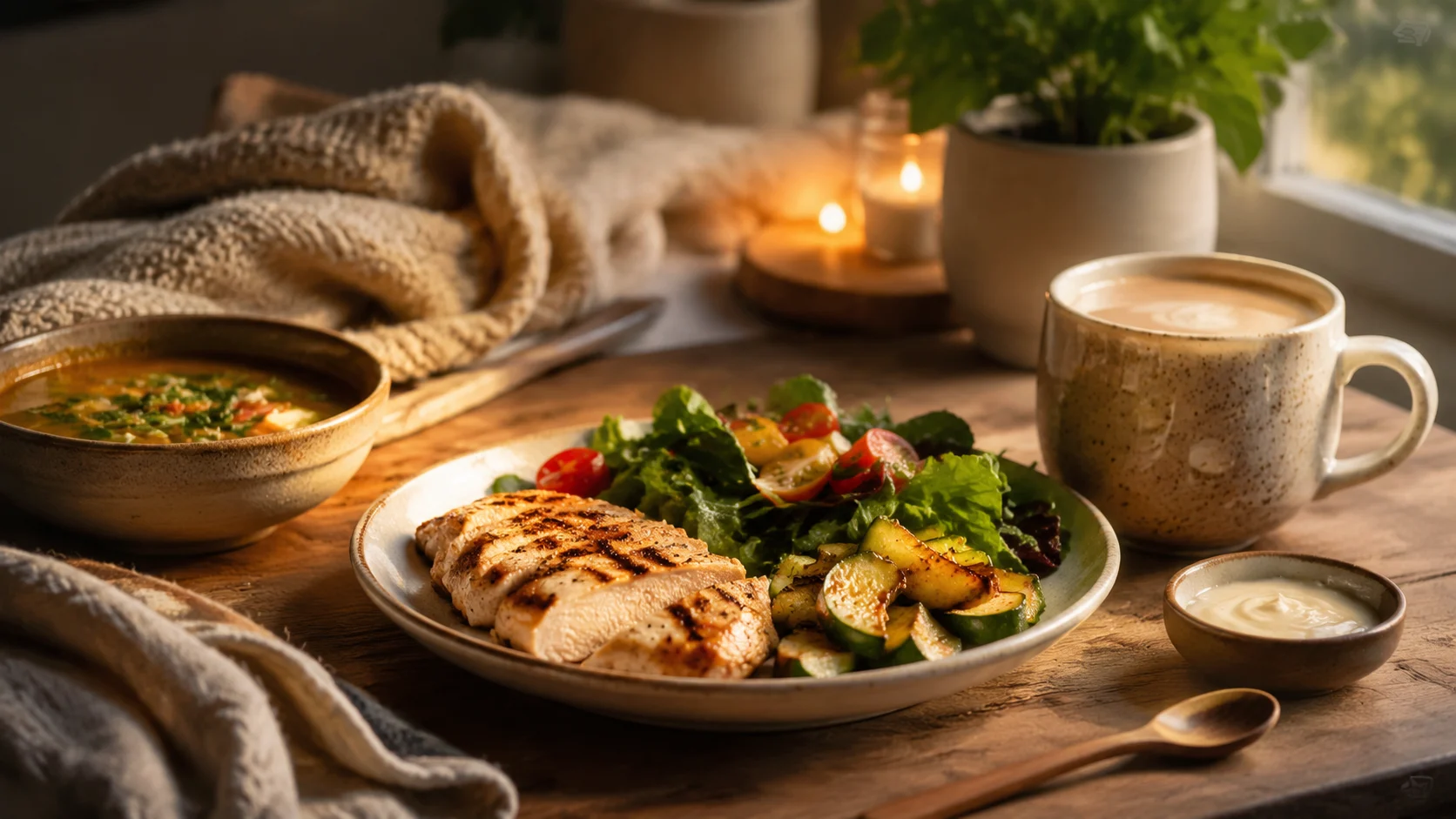
- Dinner on a low-energy night — rotisserie chicken, microwaved sweet potatoes, and a bagged salad with olive oil. Not glamorous, but deeply real-life.
- An afternoon bridge — apple slices with peanut butter, or crackers with cheese. Small snacks like these can keep the body from arriving at dinner overly depleted.
Research often points in a similar direction: eating patterns with more minimally processed foods, fiber, and protein are linked with better satiety and steadier energy. One large review published in Nutrients noted that ultra-processed food intake is often associated with less favorable diet quality and appetite regulation patterns. That does not mean all processed foods are off-limits. It simply reminds us that the body usually appreciates a bit more structure and nourishment.
Why FOB Diet Food Can Backfire When It Turns Too Strict
Some women try fob diet food with the best intentions, then find themselves thinking about food all evening. This does not mean they failed. Often, it means the plan became too small, too restrictive, or too disconnected from real appetite.
When a whole food diet is interpreted as “never eat convenience food” or “never eat dessert,” it can quietly create the old restrict-and-rebound pattern. A gentler version leaves room for reality: frozen meals, restaurant food, bread from the corner bakery, or a comforting dessert after a long week.
The body tends to trust consistency more than intensity. If fob diet food becomes another reason to ignore hunger or fear satisfaction, it stops being supportive. If it helps someone build steadier meals and reduce food chaos, it can become useful.
A Softer Way to Begin Without Starting Over
For most women, the kindest starting point is not a pantry purge. It is one repeatable shift.
- Add before subtracting — before removing anything, add a source of protein or fiber to the meal already on the table.
- Build one reliable meal — maybe it is eggs on toast with fruit, or a rice bowl kept on weekly repeat. Familiar meals lower decision fatigue.
- Let convenience help — pre-cut vegetables, canned beans, soup, frozen grains, and bagged salads still belong in a realistic whole food diet.
- Notice energy, not perfection — the most useful question after eating is often, “How steady do I feel now?”
fob diet food works best when it becomes less of an identity and more of a gentle tool. The goal is not to eat like a machine. The goal is to feel a little more nourished inside a very human life.
Please note: Every body has its own rhythm, preferences, and health needs. This article is for educational purposes and does not replace personalized guidance from a qualified healthcare professional or registered dietitian.
You Might Also Wonder
Is fob diet food the same as a whole food diet?
Not exactly, but they can overlap. fob diet food may be used as a meal-planning idea, while a whole food diet usually describes eating more foods in their simpler, less heavily altered form.
What if I do not have time to cook most days?
That is very common. Rotisserie chicken, canned beans, frozen vegetables, yogurt cups, microwavable rice, and pre-washed greens can still create balanced meals with very little effort.
Can I still eat dessert if I am trying this approach?
Yes. A gentle nutrition approach makes room for satisfaction. Dessert does not erase a supportive meal pattern; in many cases, flexibility helps make that pattern more sustainable.
What if whole foods make me feel like I am “doing diet culture again”?
That feeling matters. The answer may be to loosen the rules and return to body trust. The point is support, not self-surveillance.
How do I know if this way of eating is helping?
Look for quieter signs: steadier afternoon energy, less chaotic hunger, feeling more satisfied after meals, and fewer moments of food panic at night.
Leave a Reply