

When a Diabetic Diet Plan Feels Hard, the Problem Is Often the Plan
Many women are told a diabetic diet plan has to feel strict, joyless, and ruled by perfect choices. In real life, that usually backfires. A more supportive approach focuses on steady energy, balanced meals, and food patterns that feel possible on busy days. For many people, that also means borrowing ideas from an anti inflammatory diet food list—not as a rigid set of rules, but as a gentle way to build meals around fiber, protein, healthy fats, and colorful plants.
When she is standing in the kitchen at 6:30 p.m., already tired and already hungry, the body does not need perfection. It needs something dependable. That is where a softer framework can help: not punishment, not fear, just a way to make meals feel steadier.
Body signals are not a character flaw. They are often the quiet language of unmet needs.
This is the heart of a sustainable diabetic diet plan: meals that support blood sugar steadiness without turning food into a daily moral test.
The Steady Plate Method: A Kinder Way to Build Meals
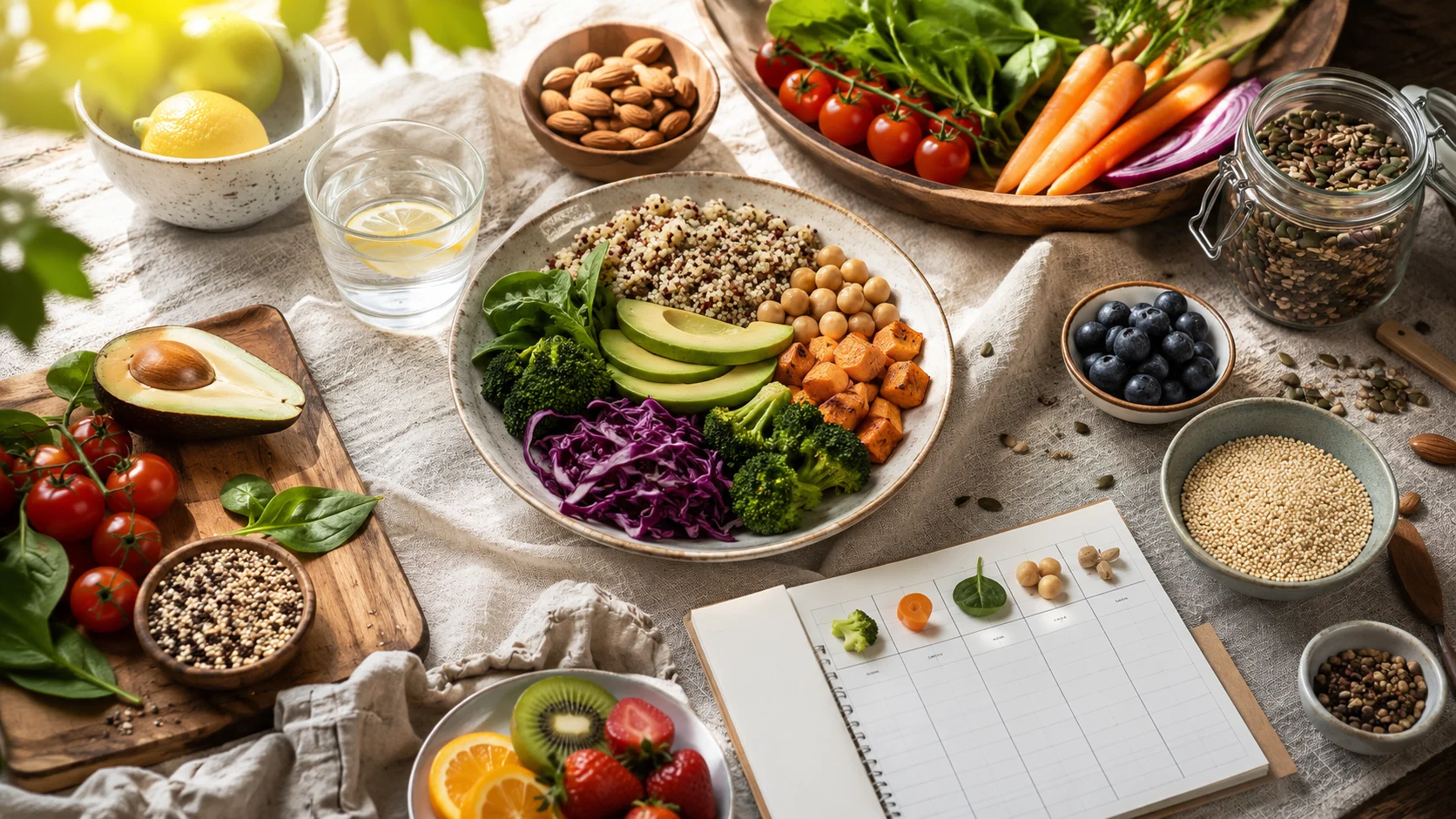
Instead of memorizing endless food rules, it helps to picture what Joyini might call the Steady Plate Method. Imagine a plate that does not ask for control, only balance.
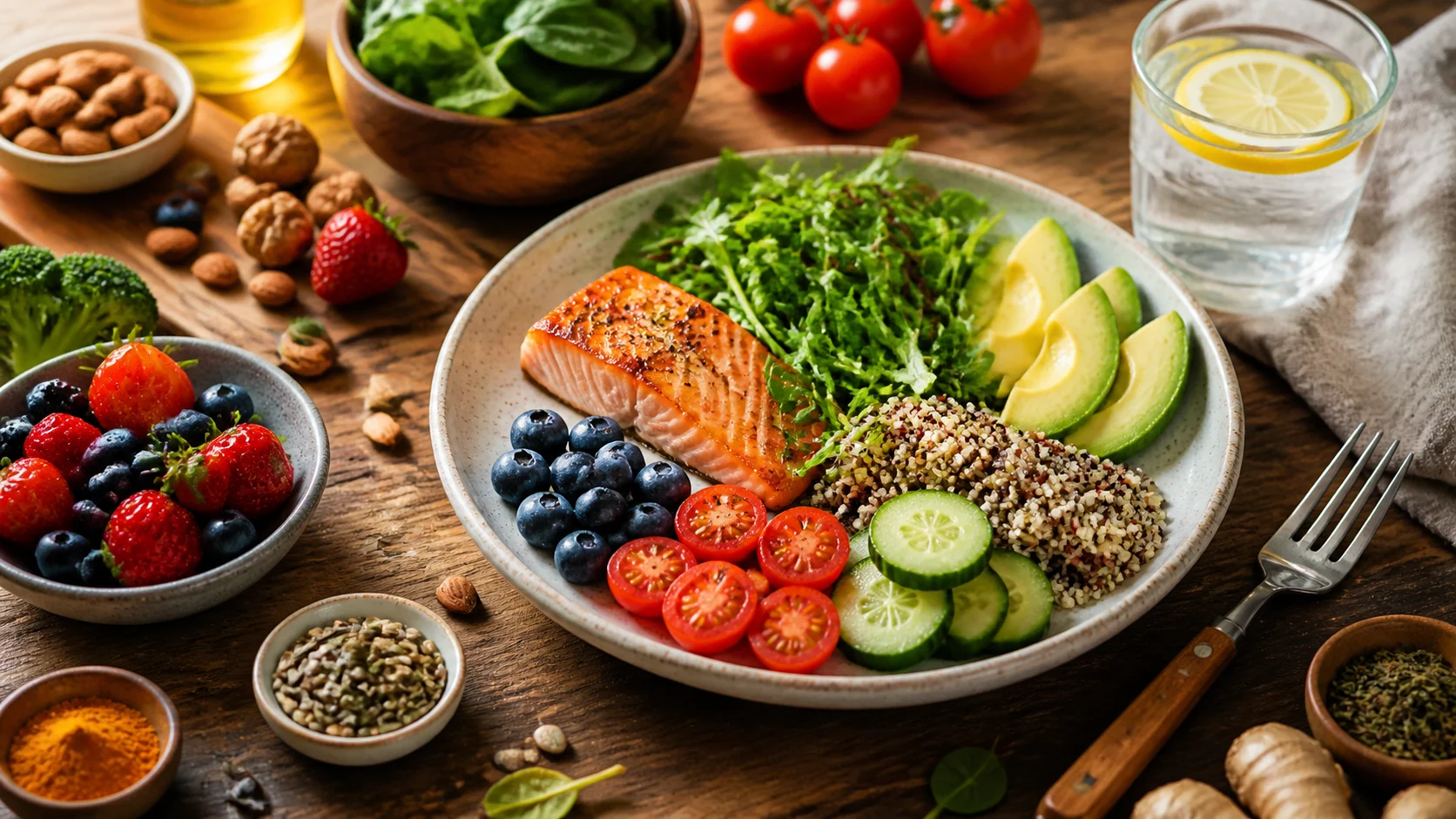
- A grounding base of fiber-rich carbs — like roasted sweet potato, brown rice, beans, or a warm bowl of oats. These foods can feel especially supportive when paired rather than eaten alone.
- A satisfying anchor of protein — perhaps Greek yogurt with berries in the morning, salmon tucked beside greens at lunch, or eggs folded into a quick dinner scramble.
- A gentle layer of fat — avocado, olive oil, nuts, tahini, or peanut butter can slow the meal down in the best way, helping it feel more satisfying.
- Color and texture from plants — not because anyone needs a perfect rainbow, but because leafy greens, berries, broccoli, tomatoes, and peppers often bring both fiber and compounds linked with lower inflammation.
Research has consistently observed that higher-fiber eating patterns can help support blood sugar management, and the American Diabetes Association also emphasizes overall eating patterns rather than one single “perfect” food. That can be a relief for the woman who is tired of trying to get every meal exactly right.
What an Anti Inflammatory Diet Food List Can Add to the Picture
An anti inflammatory diet food list can be helpful when it is used as inspiration instead of pressure. Think of it less like a list of foods to obey and more like a basket of options that tend to support a calmer, steadier body.
Some of the most practical choices include:
- Berries and cherries — easy to scatter over yogurt or oatmeal when mornings feel rushed.
- Leafy greens — a handful of spinach can disappear into eggs, soup, or pasta sauce without creating more work.
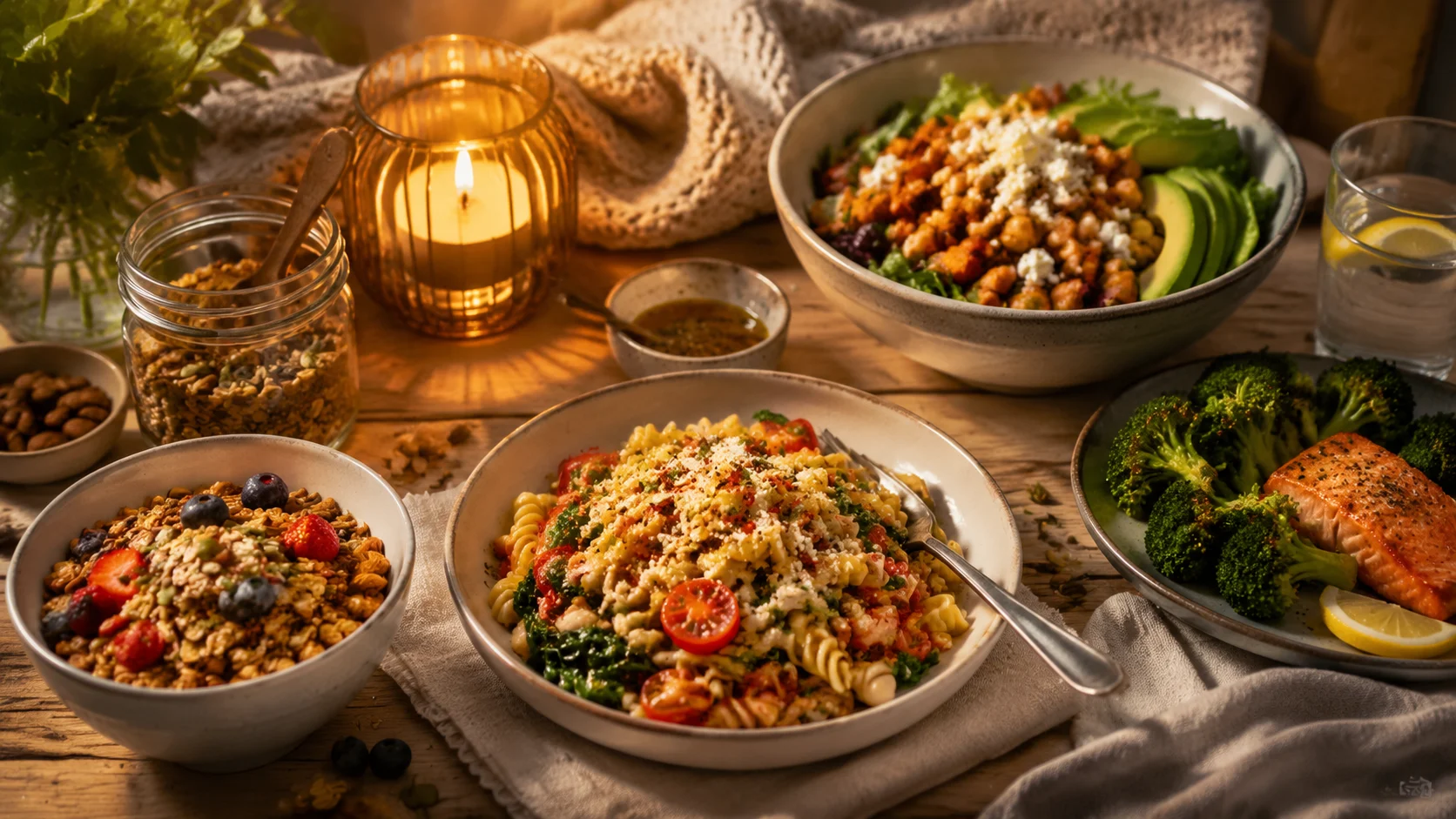
- Beans and lentils — deeply useful for a diabetic diet plan because they bring both carbs and fiber in one comforting bowl.
- Fatty fish — salmon, sardines, or trout offer omega-3 fats that are often associated with anti-inflammatory eating patterns.
- Nuts, seeds, and olive oil — small additions that make meals feel more grounded and satisfying.
- Whole grains — quinoa, oats, barley, or brown rice can support steadier energy when paired with protein and fat.
This is where many women feel surprised: the goal is not to remove every pleasurable food. The goal is to build enough support around a meal that cravings, crashes, and frantic hunger do not run the entire day.
A balanced meal is not a test to pass. It is a form of care the future self can feel.
Real-Life Meal Rhythms for Busy Days
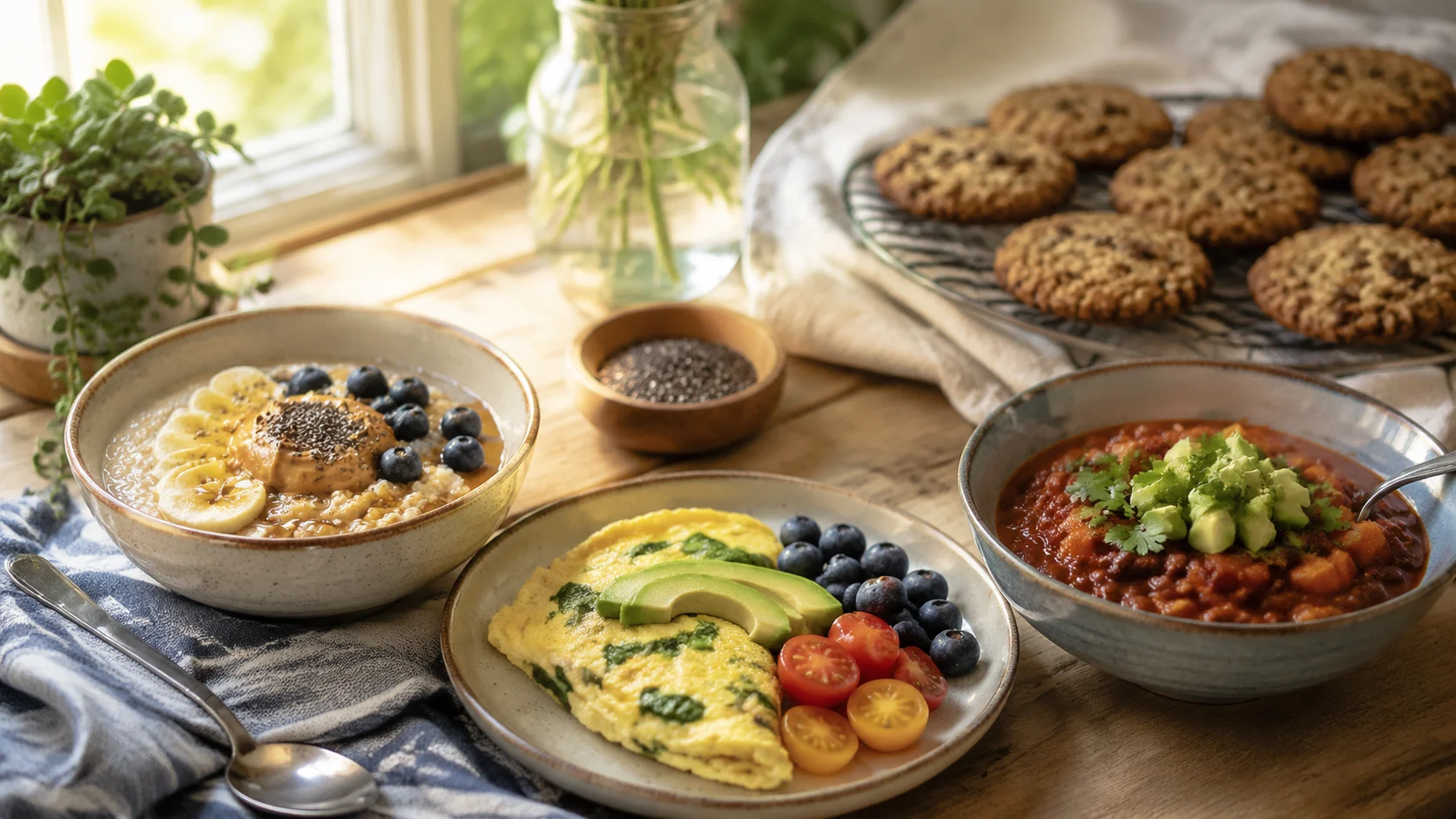
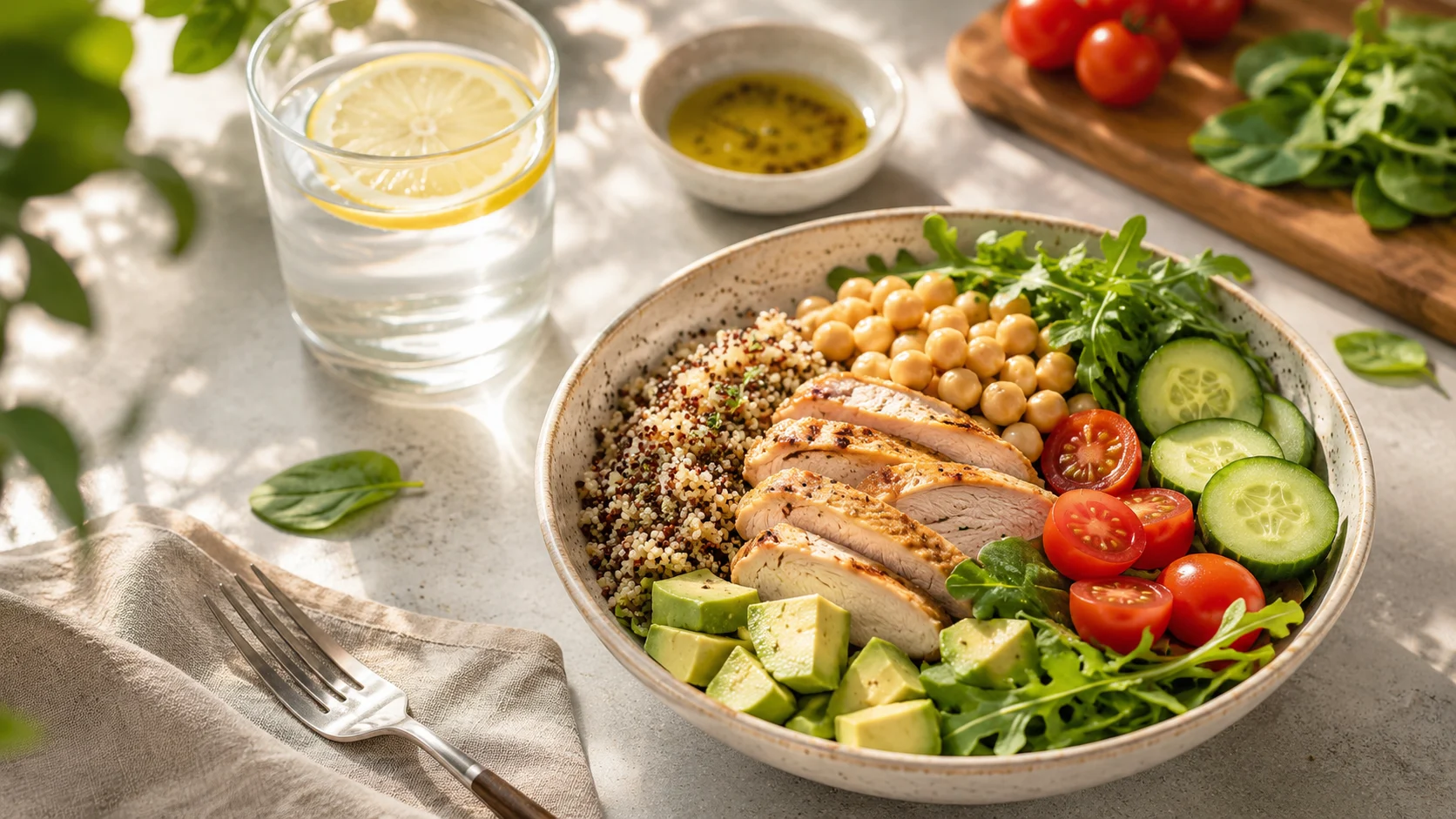
A gentle diabetic diet plan works better when it matches actual life. That might look like a breakfast of oatmeal warmed with cinnamon, chia seeds, and a spoonful of almond butter. It might look like lunch eaten between meetings: a grain bowl with chicken, farro, cucumber, greens, and olive oil. It might look like dinner on a tired evening: canned beans simmered with tomatoes, garlic, and spinach, spooned over brown rice with sliced avocado on top.
Even snacks can become steadier with a little pairing. An apple with peanut butter. Crackers with hummus. Cottage cheese with fruit. Small combinations like these often help reduce the sharp swing from “fine” to “ravenous.” That is one of the quiet strengths of a realistic diabetic diet plan.
And if takeout is what the night allows, balance can still exist there too. A rice bowl with vegetables and salmon. A burrito bowl with beans, fajita vegetables, salsa, and guacamole. A sandwich paired with soup instead of trying to survive on coffee until dinner.
Questions That Often Come Up
What if she craves sweets in the afternoon even after lunch?
That craving may be less about lack of discipline and more about a lunch that needed more protein, fiber, or satisfaction. Sometimes adding a more complete midday meal softens the 3 p.m. pull.
Does a diabetic diet plan mean giving up carbs?
No. Carbohydrates are not the enemy. Many people do better when carbs are paired with protein, fat, and fiber instead of eaten on their own.
How can an anti inflammatory diet food list help without becoming overwhelming?
It helps to choose just two or three anchor foods for the week—perhaps berries, beans, and leafy greens—then repeat them in simple ways rather than chasing variety for its own sake.
What if cooking feels impossible after work?
Then the most supportive plan is the one built from easy foods: rotisserie chicken, microwaveable grains, frozen vegetables, canned soup, yogurt, nuts, and fruit. Ease matters.
Please note: Every body has its own rhythm, preferences, and medical needs. This article is for educational purposes only and does not replace personalized advice from a healthcare professional or registered dietitian, especially for anyone managing diabetes, blood sugar concerns, or medication adjustments.


Leave a Reply