

The Kindest Surprise About a Diet for High Cholesterol
Many women assume a diet for high cholesterol means bland meals, strict rules, and a long list of foods to fear. But often, the more helpful truth is gentler: the body usually responds better to steady, balanced eating than to extremes. For a woman rushing from morning emails to school pickup to a tired evening in the kitchen, cholesterol support can look less like punishment and more like a return to rhythm.
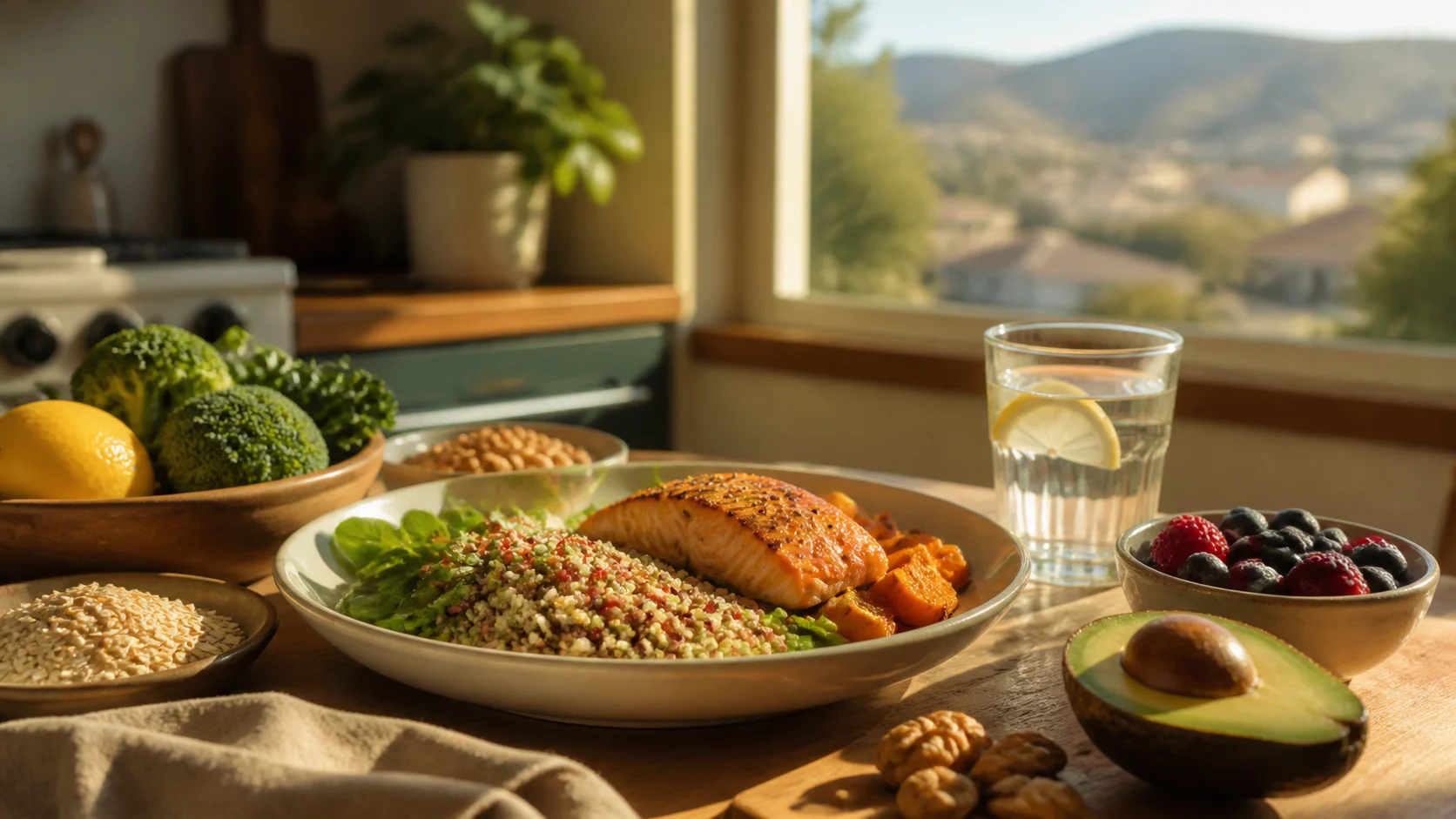
That is where Joyini’s approach feels different. Instead of chasing perfection, she begins with what can be called the Soft Plate Rhythm: fiber, satisfying fats, and consistent meals woven into ordinary days. A bowl of warm oats with berries and walnuts in the morning, a turkey and avocado wrap with crunchy greens at lunch, a simple bean soup with olive oil and toast at night—this is still comfort, just with more support built in.
“The body is not a project to control. It is a home to nourish, one ordinary meal at a time.”
Research has consistently found that soluble fiber can help lower LDL cholesterol, the kind often linked with heart risk. Foods like oats, beans, lentils, barley, and apples help by gently binding cholesterol in the digestive tract. One well-known estimate is that 5 to 10 grams of soluble fiber a day may help reduce LDL cholesterol. That is not a dramatic overnight fix. It is something quieter, and often more sustainable.
When the Pantry Becomes a Place of Support
A supportive diet for high cholesterol does not begin with deleting everything she loves. It begins by adding what her meals may have been missing. In many kitchens, that looks like replacing a sparse breakfast with something that lasts longer, or giving dinner a little more structure so late-night grazing feels less urgent.
- Let oats do the heavy lifting. A warm bowl topped with cinnamon, chopped pecans, and sliced pear can feel grounding on a rushed morning while offering soluble fiber.
- Invite beans into familiar meals. Stir white beans into tomato soup, spoon black beans into tacos, or fold chickpeas into a lemony salad instead of treating them like a “health food assignment.”
- Choose fats that support, not punish. Olive oil, nuts, seeds, and avocado bring satisfaction. When meals satisfy, they are easier to repeat.
- Make room for gentle swaps. Sometimes whole-grain toast with nut butter simply carries the afternoon better than a pastry alone. Not because one food is morally better, but because it offers steadier energy.
Even local readers looking for the diet of santa clarita style of practical wellness often are not searching for rigid plans—they are looking for something realistic enough to survive a busy California weekday. That instinct is wise. The best eating pattern is often the one she can return to without dread.
The Quiet Power of the Soft Plate Rhythm
The Soft Plate Rhythm is simple enough to remember on tired days:
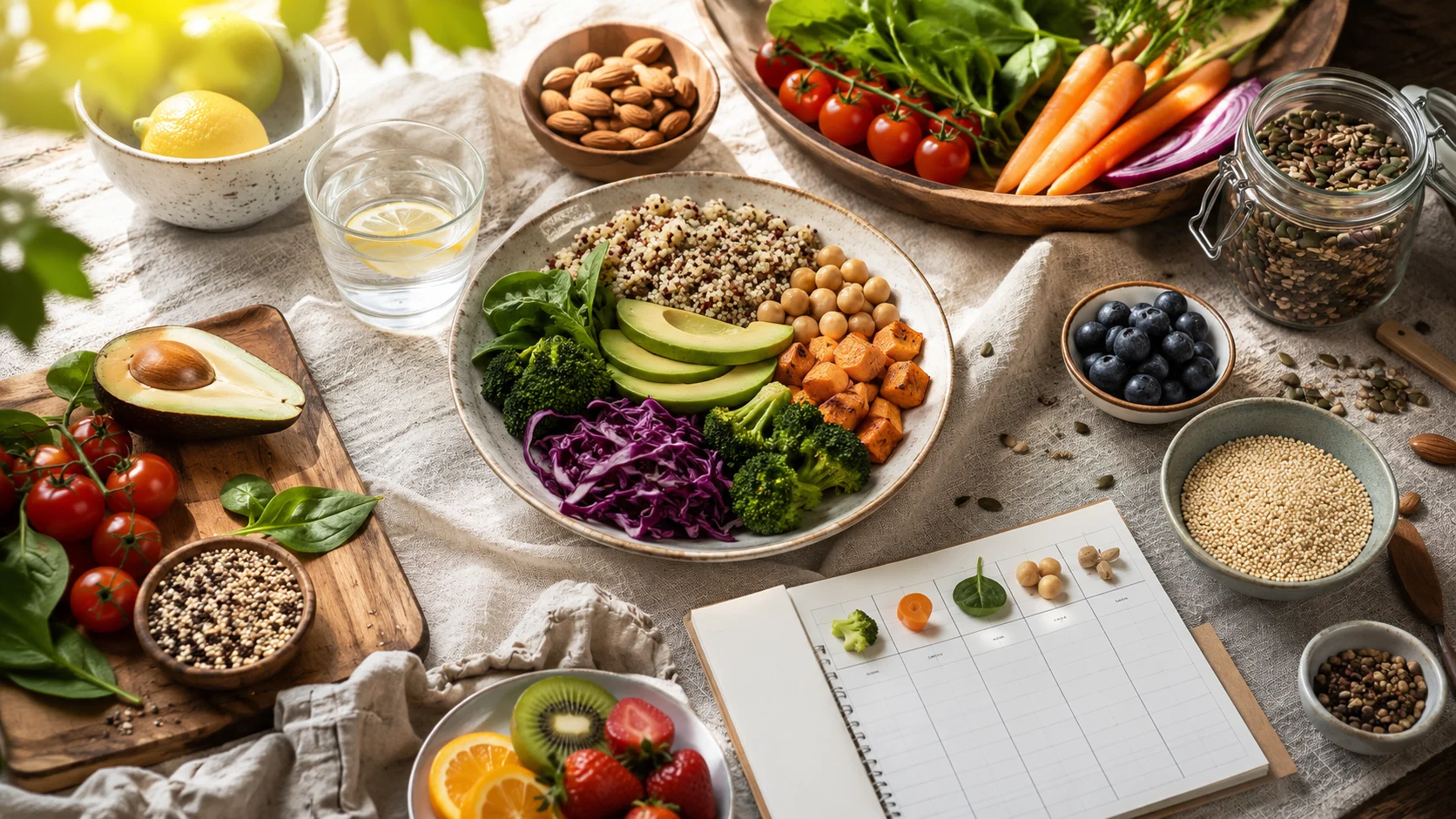
- Start with fiber. Think lentil stew, roasted vegetables, berries over yogurt, or a grain bowl with farro and greens.
- Add a satisfying fat. A drizzle of olive oil, a spoonful of tahini, a few almonds, or slices of avocado help meals feel complete.
- Keep meals consistent. Skipping meals can set up a rebound pattern later, especially when stress is already high.
This matters because health is rarely built in one heroic dinner. It is built in repeatable meals that do not ask her to become a different person first.
“A nourishing pattern is not the one that looks most disciplined. It is the one that still holds her on the nights she is tired, tender, and fully human.”
What a Real-Life Day Can Look Like
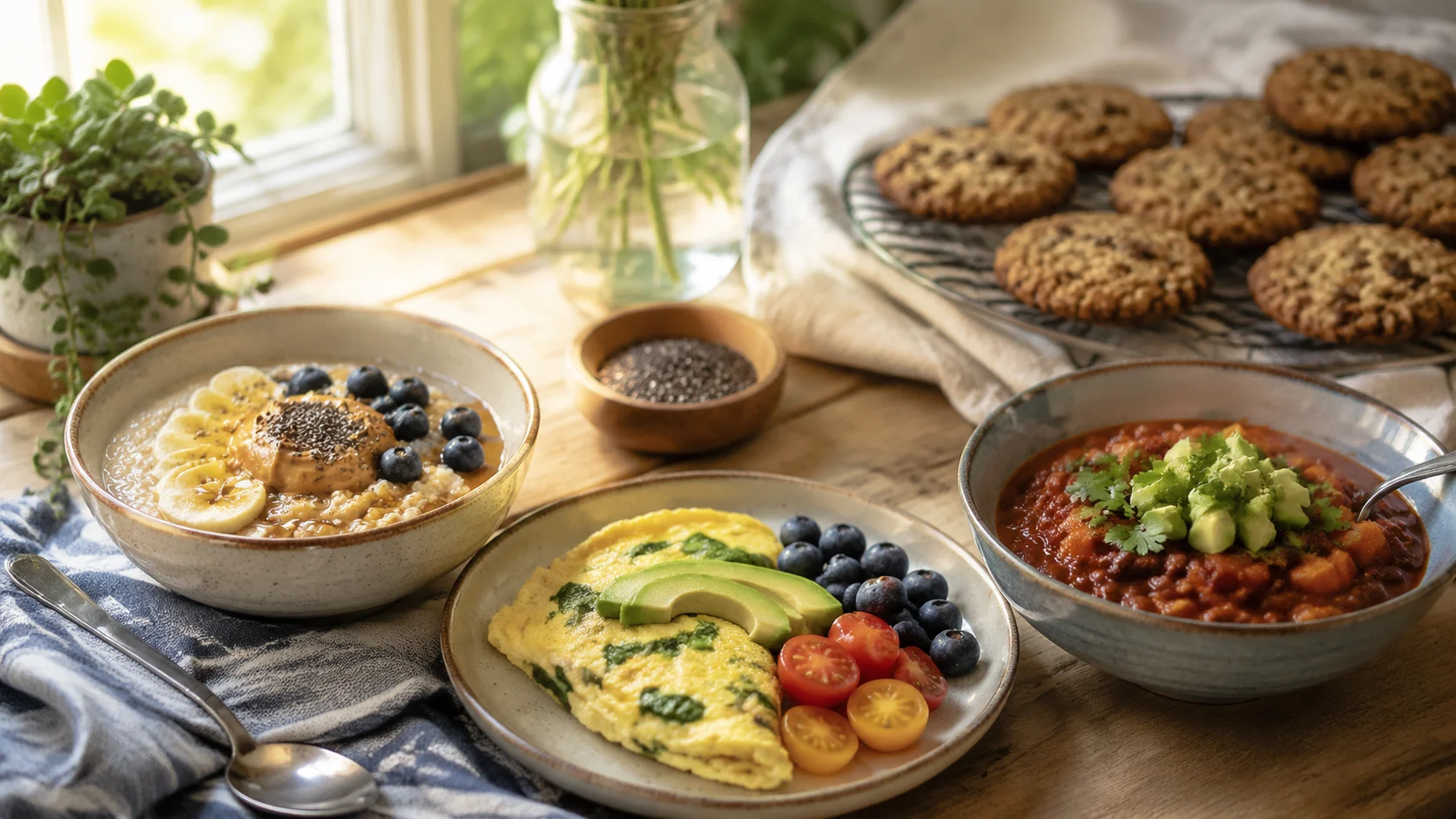
For one woman, a cholesterol-supportive day might begin with oatmeal softened in milk, finished with blueberries and crushed walnuts. Lunch may be leftover salmon over rice with cucumber and greens, glossy with olive oil and lemon. In the afternoon, when the vending machine calls, an apple with peanut butter may offer more staying power than crackers alone. Dinner might be pasta—not forbidden, simply partnered with white beans, sautéed spinach, and a side salad.
That is still a diet for high cholesterol. It simply does not perform like one.
For readers who have seen versions of the diet of santa clarita or other local nutrition trends, the most useful lesson may be this: support does not have to be dramatic to be effective. A pattern built around plants, fiber-rich staples, unsaturated fats, and less reliance on heavily processed foods can be both protective and comforting.
Questions That Often Come Up
Do I need to stop eating eggs or dairy completely?
Not usually. Many people benefit more from looking at their overall pattern—like fiber intake, saturated fat sources, and meal consistency—rather than banning one food. A healthcare professional can help personalize this if lab numbers are a concern.
What if I am too tired to cook most nights?
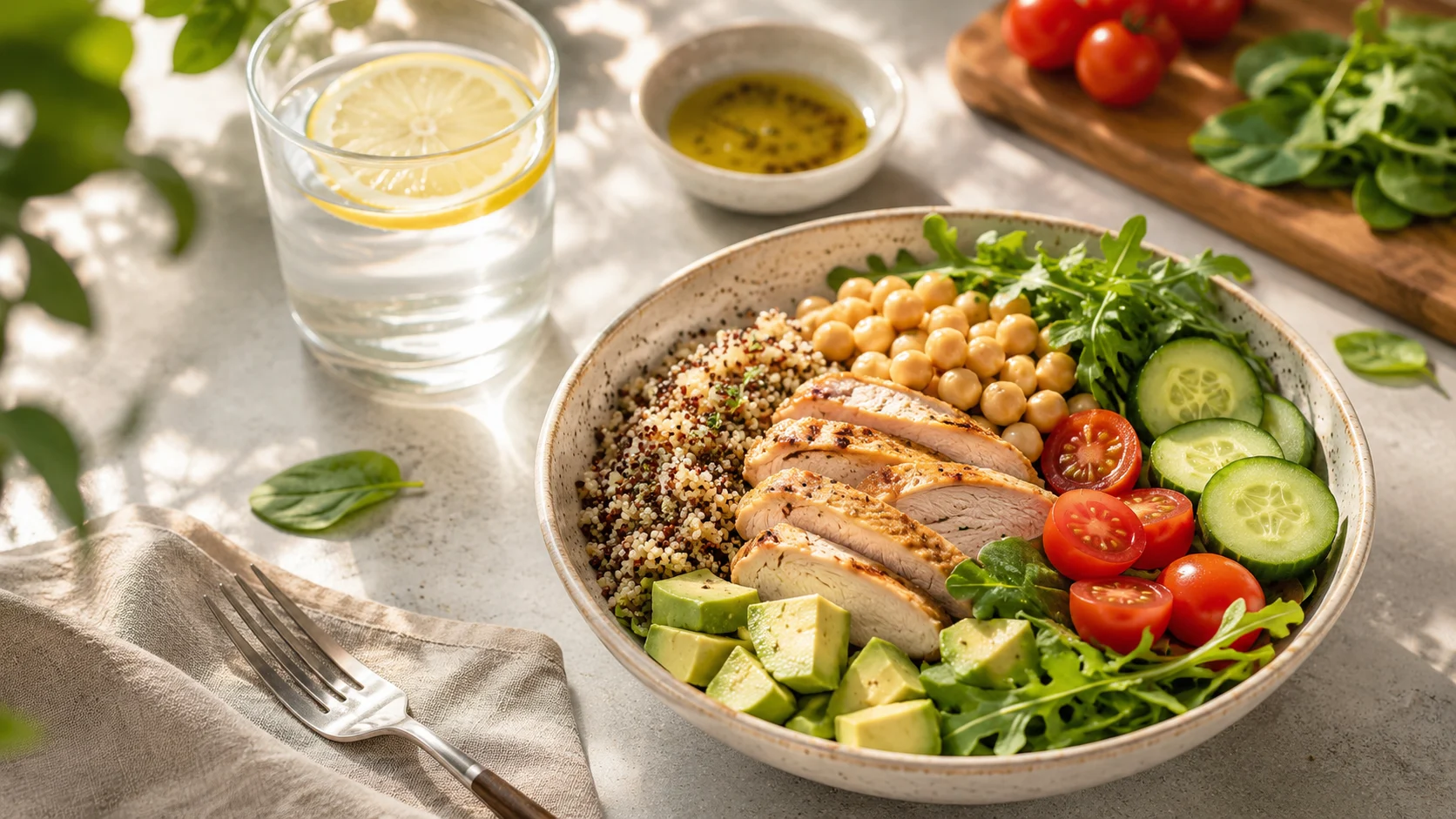
Then simplicity matters more than ambition. Rotisserie chicken, canned beans, bagged salad, microwaveable brown rice, and whole-grain toast can come together quickly and still support a diet for high cholesterol.
Can I still eat comfort food?
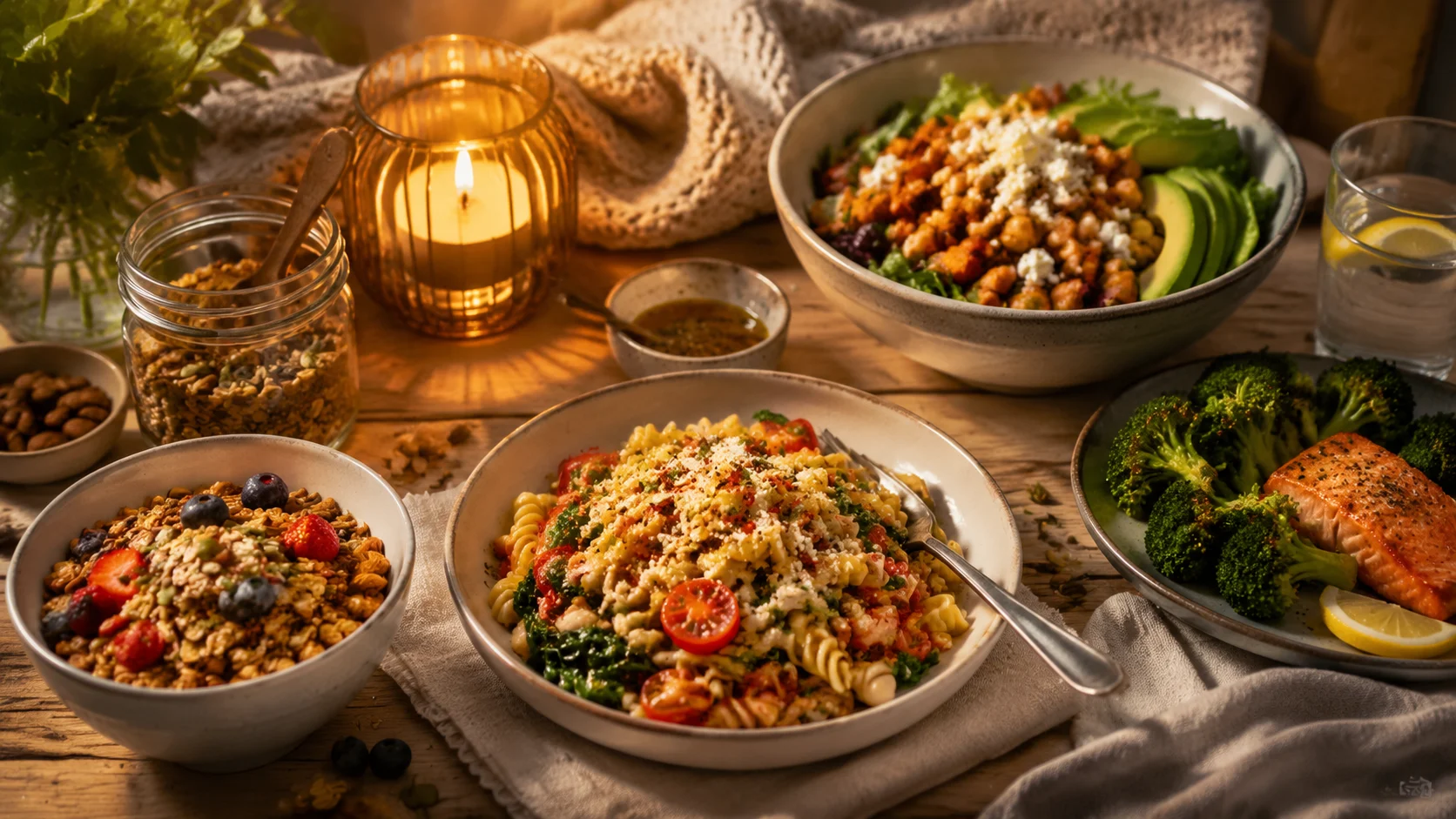
Yes. Comfort matters. Sometimes support looks like pairing comfort food with something that adds steadiness—like pasta with beans and greens, or pizza with a salad drizzled in olive oil.
What if I already eat “healthy” but my cholesterol is still high?
That can happen. Cholesterol is influenced by genetics, hormones, stress, and other factors beyond food. Eating patterns still matter, but they are only one piece of the picture.
Please note: Every body has its own rhythm. This gentle guide is for educational purposes and does not replace personalized advice from a doctor or registered dietitian, especially if you have high cholesterol, a family history of heart disease, or other health concerns.
Leave a Reply