

The meal plan that helps most is rarely the most rigid one
A supportive diabetes diet often works best when it feels steady, realistic, and kind to the body—not when it turns every bite into a test of discipline. For women juggling blood sugar concerns, fatigue, and thyroid questions, the overlap with diet and hashimotos can feel confusing. The gentler truth is this: meals that pair carbohydrates with protein, fiber, and satisfying fat can help create steadier energy while leaving room for comfort and real life.
When she stands in the kitchen at 6:40 p.m., already tired from work and family messages, what she often needs is not another set of food rules. She needs something more humane: a way to eat that supports blood sugar, respects hunger, and does not turn dinner into a morality play. That is where a thoughtful diabetes diet can become less about perfection and more about rhythm.
Body signals are not character flaws. They are messages asking for support.
Research has long shown that balanced eating patterns rich in fiber, legumes, vegetables, whole grains, and unsaturated fats can support blood sugar management. For example, the CDC notes that meal balance and carbohydrate awareness can help people with diabetes keep glucose in a healthier range. That does not mean every meal must be flawless. It means consistency matters more than food fear.
The Soft Plate Method: a calmer way to build a diabetes diet
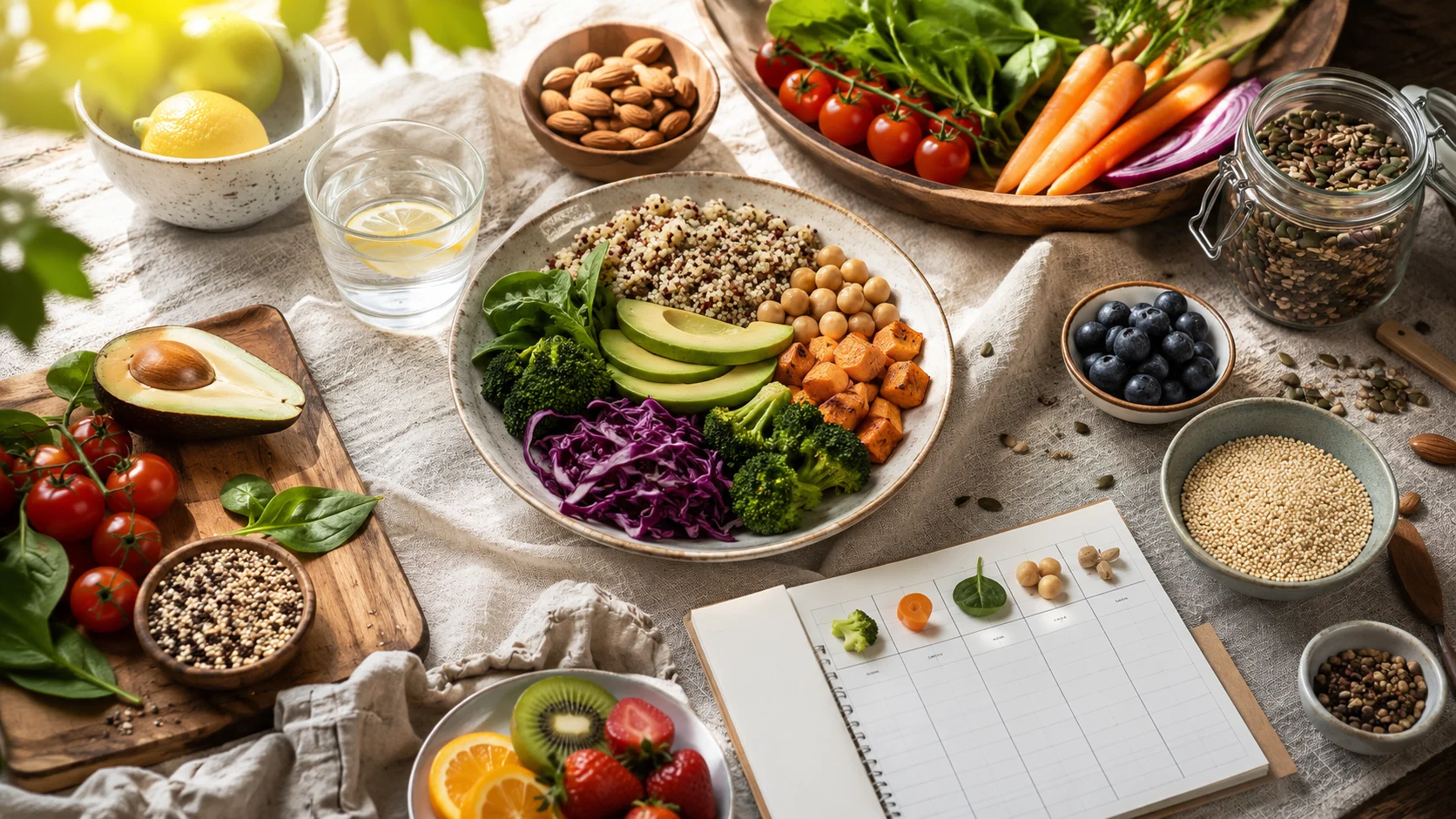
Instead of memorizing strict formulas, it may help to picture what Joyini might call the Soft Plate Method. Think of a plate as a conversation between foods rather than a contest between “good” and “bad” choices.
- Start with a grounding carbohydrate. A scoop of brown rice, a warm baked potato, or a slice of seeded toast can offer steady fuel when paired well. Carbohydrates are not the enemy in a diabetes diet; they simply work better with support.
- Add a reliable protein. Grilled salmon, Greek yogurt, tofu, eggs, or shredded chicken can help meals feel more satisfying and may soften sharp energy dips later.
- Bring in fiber and color. Roasted broccoli, berries, lentils, or a crunchy salad add staying power and help the meal feel alive rather than restrictive.
- Finish with a satisfying fat. A drizzle of olive oil, sliced avocado, or a handful of walnuts can make a meal feel complete instead of thin and punishing.
This same structure can also feel useful in conversations about diet and hashimotos, where people often do better with nourishing regular meals than with extreme elimination cycles done out of fear.
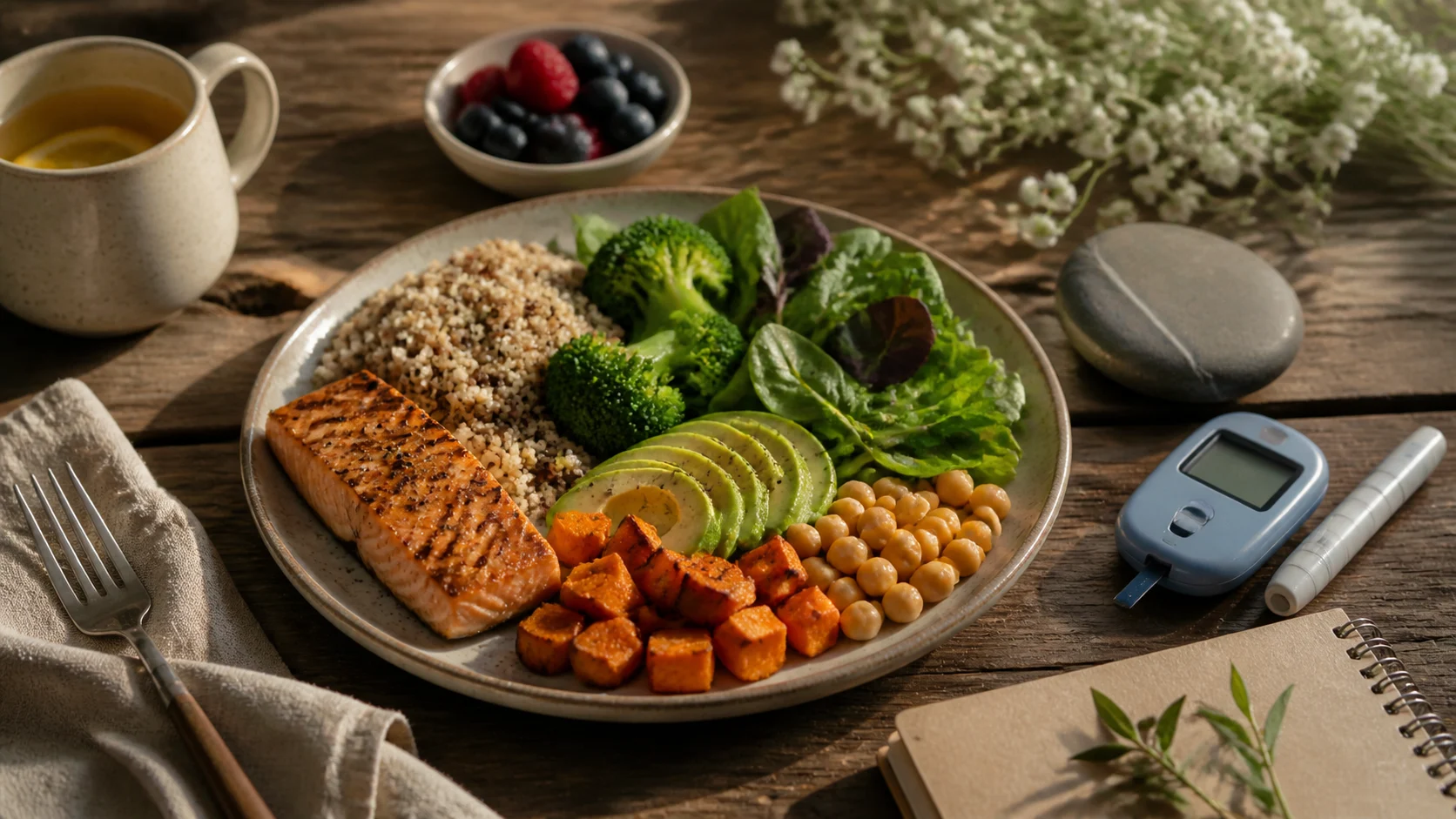
Where diabetes diet and hashimotos sometimes overlap
There is no single plate that fits every woman, yet there are a few gentle points of overlap between a diabetes diet and the questions people ask about diet and hashimotos. Both often benefit from meals that feel predictable, balanced, and rich in nutrients rather than dramatic in their restrictions.
When blood sugar rises and falls sharply, the body can feel like it is moving through weather systems all day—foggy in the morning, shaky by afternoon, ravenous at night. And when thyroid health is also part of the picture, fatigue may already be turning the volume up on cravings. In that setting, skipping meals or swinging between strict control and overeating usually makes life harder, not easier.
The body is not a project to conquer; it is a home to care for.
A gentle starting point may include eating at fairly regular times, choosing carbohydrates with fiber more often, and making sure meals are not built from coffee and determination alone. For some women, that looks like oatmeal with chia and peanut butter in the morning; for others, it is a turkey sandwich with fruit that keeps the afternoon calmer than a protein bar eaten at a red light.
What this can look like on an ordinary, tired Tuesday
A practical diabetes diet does not need to be elaborate. It can live inside ordinary meals:
- Breakfast: A bowl of warm oats with crushed walnuts and cinnamon, plus Greek yogurt on the side. Soft, comforting, and less likely to leave her scavenging for sweets an hour later.
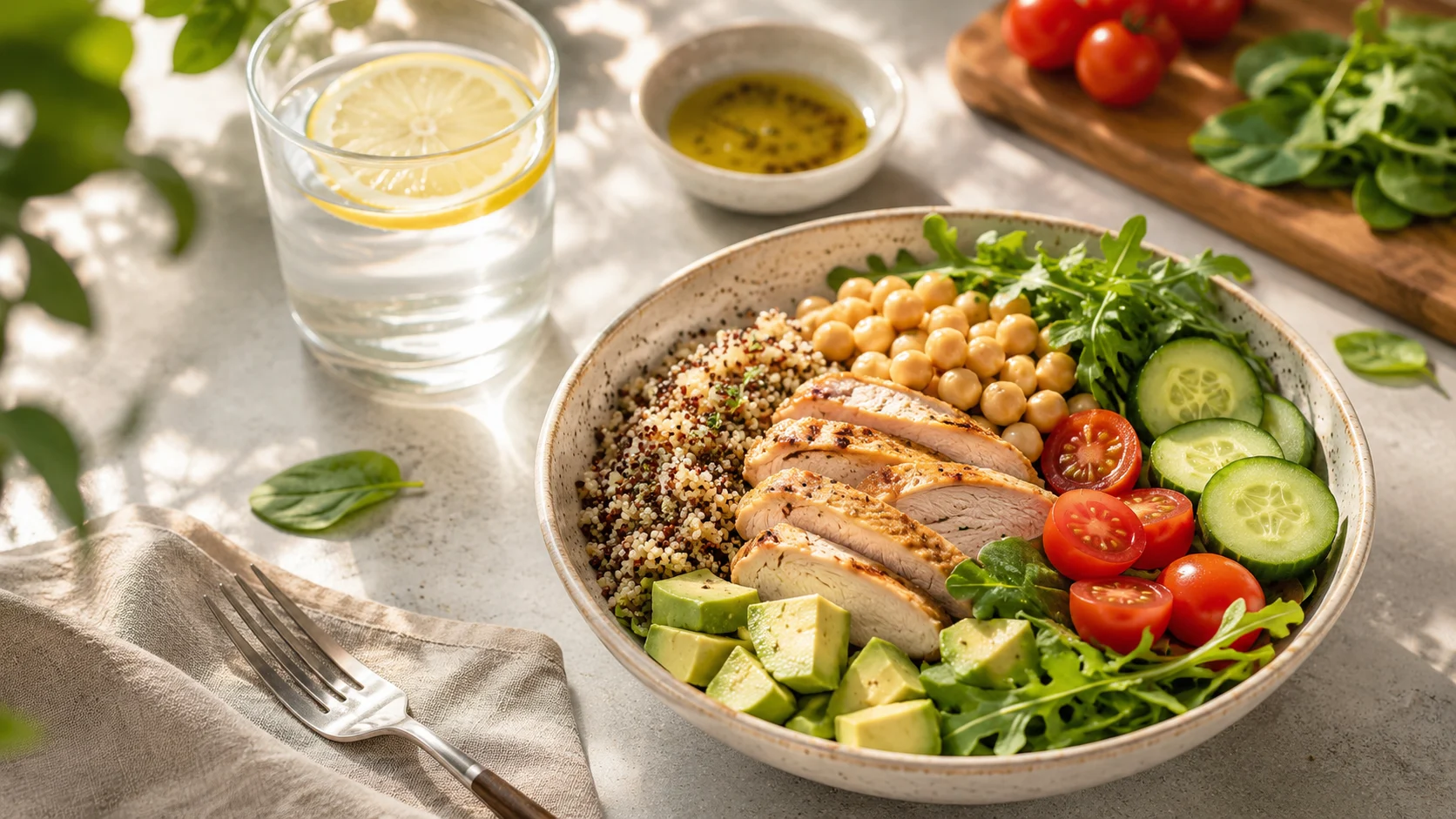
- Lunch: A grain bowl with quinoa, roasted vegetables, chickpeas, and a lemony tahini drizzle. Filling without feeling heavy.
- Snack: Apple slices with almond butter, or cottage cheese with berries when the 3 p.m. slump starts whispering.
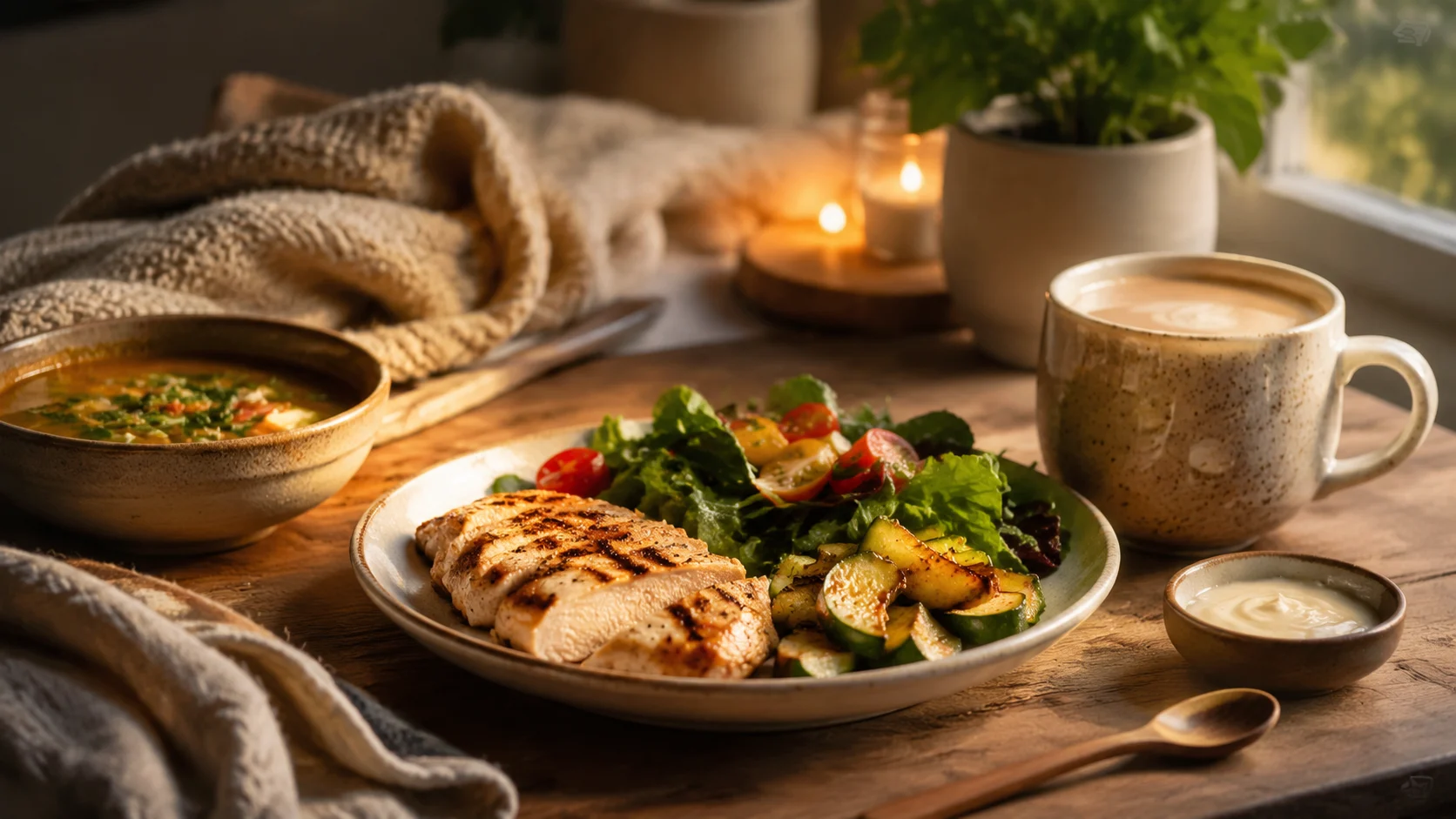
- Dinner: Salmon, rice, and green beans sautéed in olive oil—or takeout that follows the same spirit, like a burrito bowl with beans, fajita vegetables, guacamole, and a sensible rice portion.
That is often enough to make a diabetes diet feel less like punishment and more like support. And for readers exploring diet and hashimotos, this kind of structure may offer a steadier foundation than chasing online food rules that change every week.
A few practical questions
What if she craves sweets after dinner even when she had a balanced meal?
Sometimes a sweet craving is about taste, comfort, or habit rather than hunger. A satisfying option—like berries with yogurt or a square of dark chocolate after dinner—can fit into a balanced pattern without turning into a cycle of shame.
Do carbohydrates always need to be avoided in a diabetes diet?
No. Many people do better when carbohydrates are chosen thoughtfully and paired with protein, fiber, and fat. The goal is usually steadier blood sugar, not fear of bread or fruit.
Is there one best approach for diet and hashimotos?
Not really. Thyroid needs can be personal, and broad food rules may not suit everyone. Many women benefit from regular, nourishing meals before making more complicated changes.
What if she is too exhausted to cook?
A gentle backup plan counts: rotisserie chicken, microwavable rice, frozen vegetables, soup with beans, or a balanced takeout bowl. Supportive eating is still supportive when it is simple.
Please note: Every body has its own rhythm. This article is for educational purposes and does not replace personalized guidance from a physician, registered dietitian, or other qualified healthcare professional—especially if diabetes, thyroid concerns, or medication changes are part of the picture.

Leave a Reply