

A different question sits underneath every diet comparison
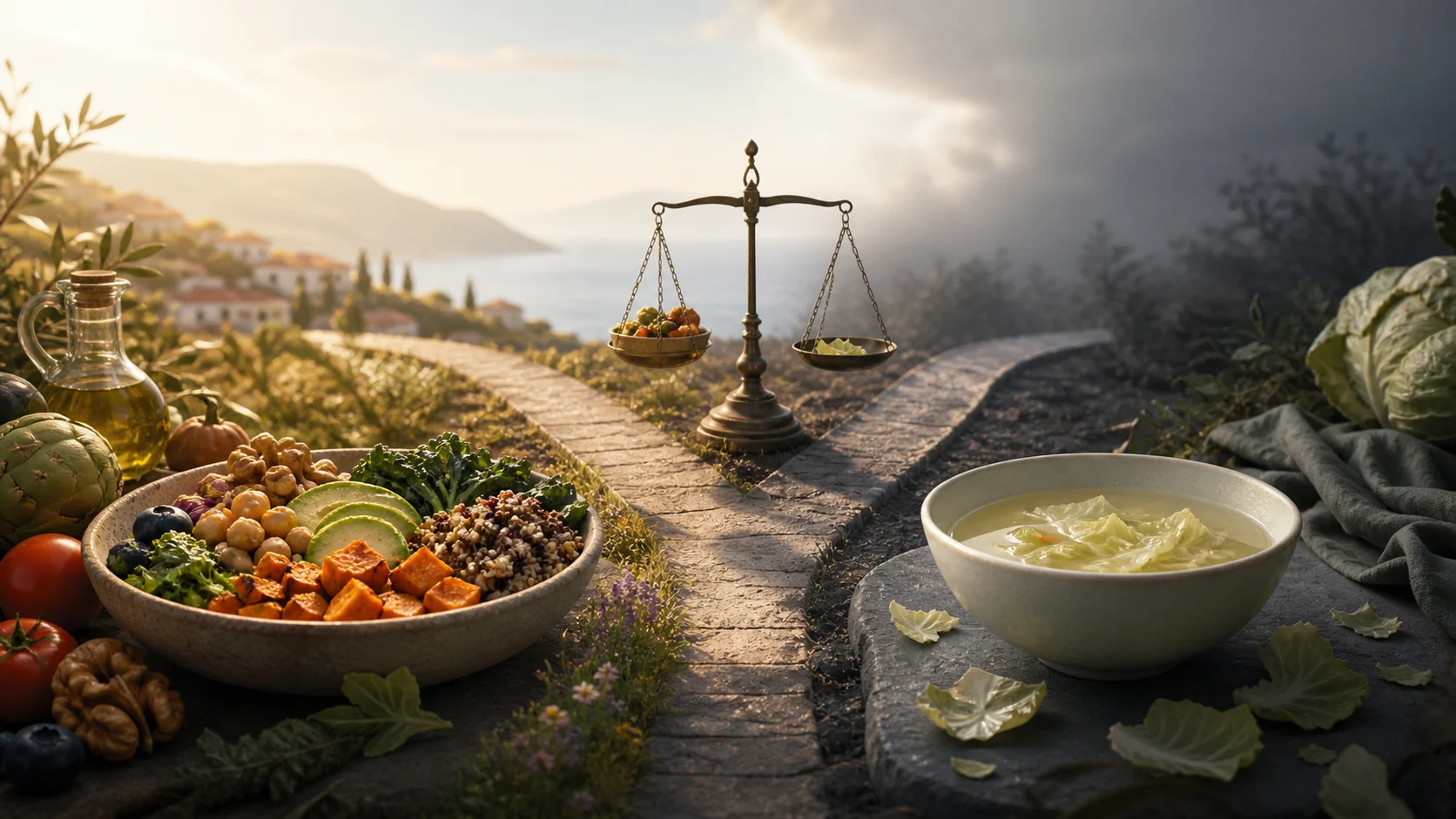
Many women do not really need another food rule. They need a way of eating that can support steady energy, feel realistic on a Tuesday night, and soften food anxiety instead of feeding it. That is why the conversation around the blue zone diet feels so different from interest in the cabbage soup diet: one tends to invite a long relationship with food, while the other often promises a short, intense reset.
When she stands in her kitchen after a long day, searching the fridge with tired eyes, the real question is rarely, “Which diet is stricter?” It is usually, “Which way of eating will still feel kind, nourishing, and possible when life gets messy?”
Body signals are not a discipline problem. They are often the quiet language of unmet needs.
Where the blue zone diet feels spacious, the cabbage soup diet feels narrow
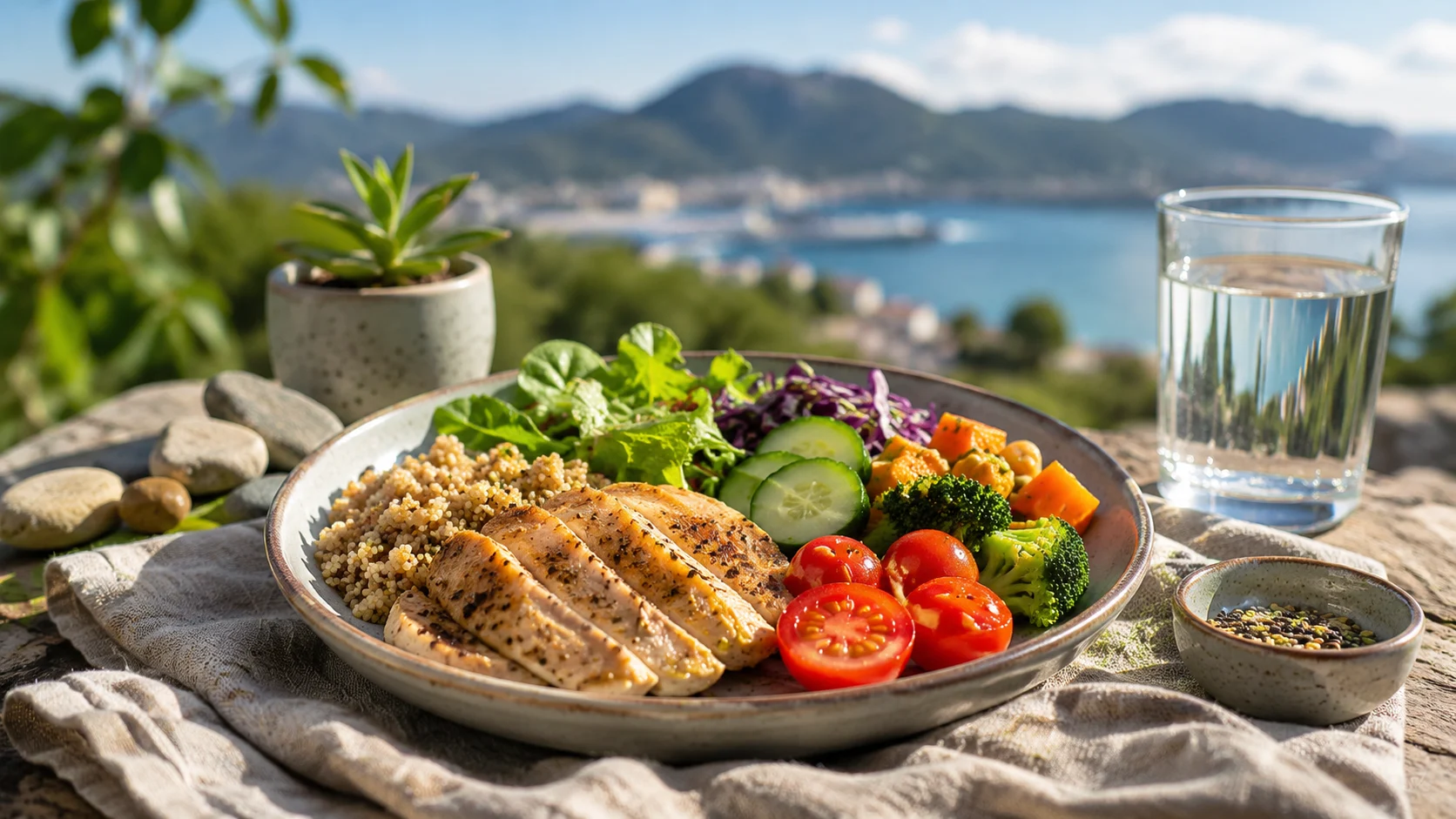
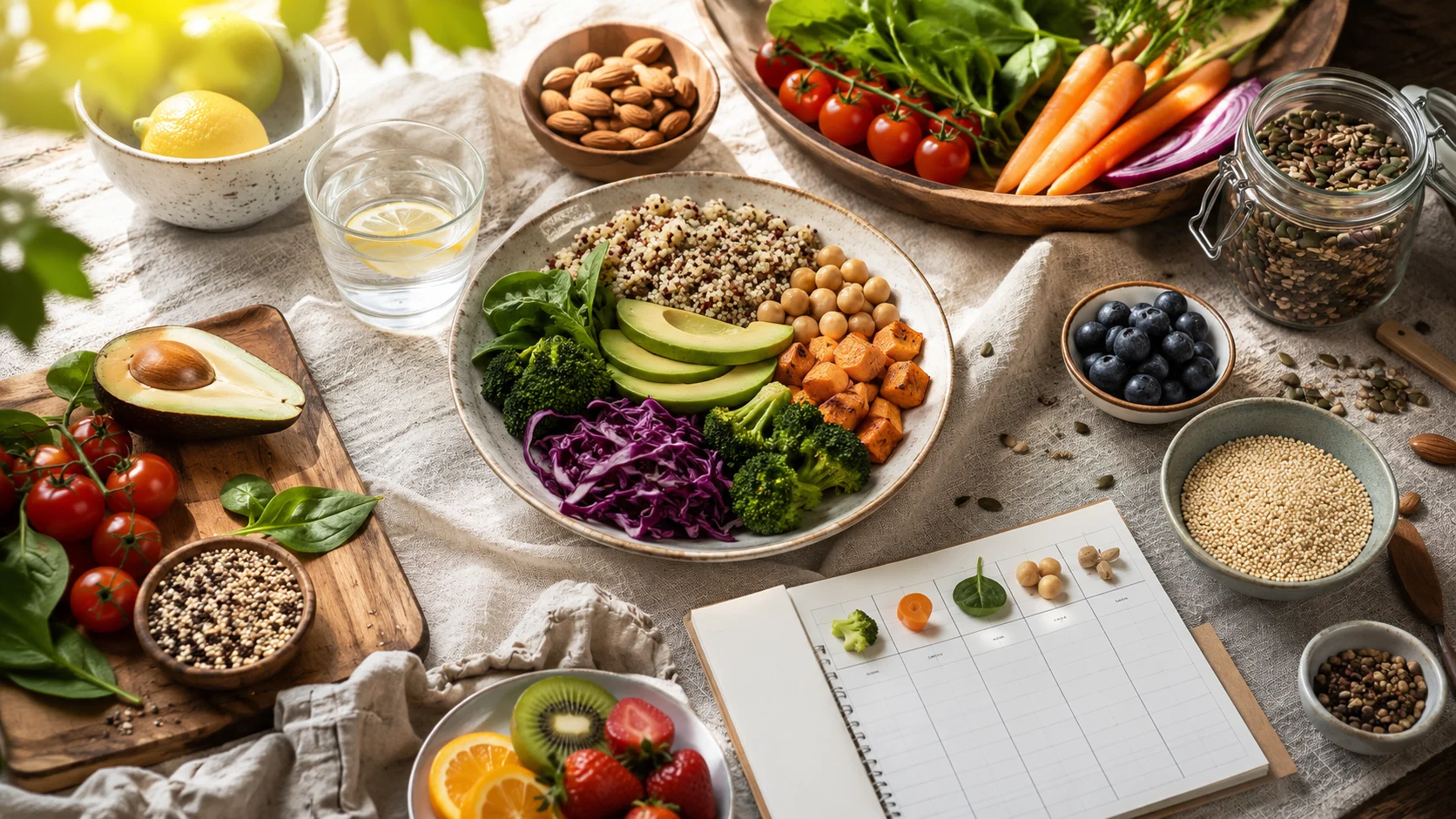
The blue zone diet is inspired by eating patterns observed in places where people often live long lives. The meals are usually built around beans, vegetables, whole grains, herbs, nuts, and simple home cooking, with room for culture, pleasure, and routine. It is less like following a script and more like learning a rhythm.
The cabbage soup diet, by contrast, is commonly framed as a short-term plan centered on repeated bowls of low-calorie soup and a narrow rotation of foods. For someone already carrying diet fatigue, that kind of structure can feel seductive at first. It looks simple. It sounds decisive. But simplicity is not always the same thing as nourishment.
- Blue zone diet: broad, plant-forward, social, and easier to adapt to real life.
- Cabbage soup diet: restrictive, repetitive, and often difficult to sustain beyond a brief window.
- Emotional impact: one often builds trust with food; the other may intensify preoccupation with food.
A review published in The Lancet has linked dietary patterns rich in legumes, whole grains, and vegetables with better long-term health outcomes, which helps explain why a blue zone style of eating continues to draw attention. The appeal is not magic. It is consistency, fiber, variety, and the quiet power of meals that people can actually keep making.
The Hearth Bowl Method: a softer framework for real-life meals
Instead of swinging between idealized longevity eating and rigid quick-fix plans, it can help to picture what Joyini might call the Hearth Bowl Method. Think of a meal as a warm center of support rather than a test of control.
- Start with a grounding base. A scoop of rice, farro, potatoes, or a slice of sourdough gives the meal staying power and often steadier energy than a very low-calorie plate.
- Add a comforting anchor. Maybe it is white beans simmered with olive oil and garlic, or lentils folded into tomato broth. This is the part that helps the meal satisfy, not just fill space.
- Layer in color and softness. Roasted carrots, wilted greens, chopped herbs, or even a handful of cabbage can belong here without turning the entire meal into a rule.
- Finish with ease. A spoonful of yogurt, a scatter of seeds, or a drizzle of tahini can make simple food feel cared for.
This is where the blue zone diet offers something many women quietly need: permission to build meals that are balanced, humble, and flexible. Even cabbage soup itself can fit into that picture, just not as the whole story.
Why extreme plans can feel comforting at first—and draining later
There is a reason the cabbage soup diet keeps resurfacing. When someone feels uncomfortable in her body or overwhelmed by food decisions, a highly specific plan can create a temporary sense of relief. Fewer choices can feel like less noise.
But restriction often has a second act. A meal pattern that is too low in energy, too repetitive, or too disconnected from pleasure can leave a person thinking about food all day, reaching for quick snacks at night, or feeling defeated when normal hunger returns. That is not failure. That is physiology.
A way of eating that only works when life is quiet does not really support a real life.
The blue zone diet tends to be more forgiving because it leaves room for appetite, family meals, and ordinary cravings. It does not ask someone to become perfect. It asks her to come back, again and again, to simple patterns that nourish.
What a gentler takeaway can look like this week
If a reader feels drawn to the idea of longevity eating but also understands the appeal of something like the cabbage soup diet, she does not have to choose between chaos and control. She can begin smaller.
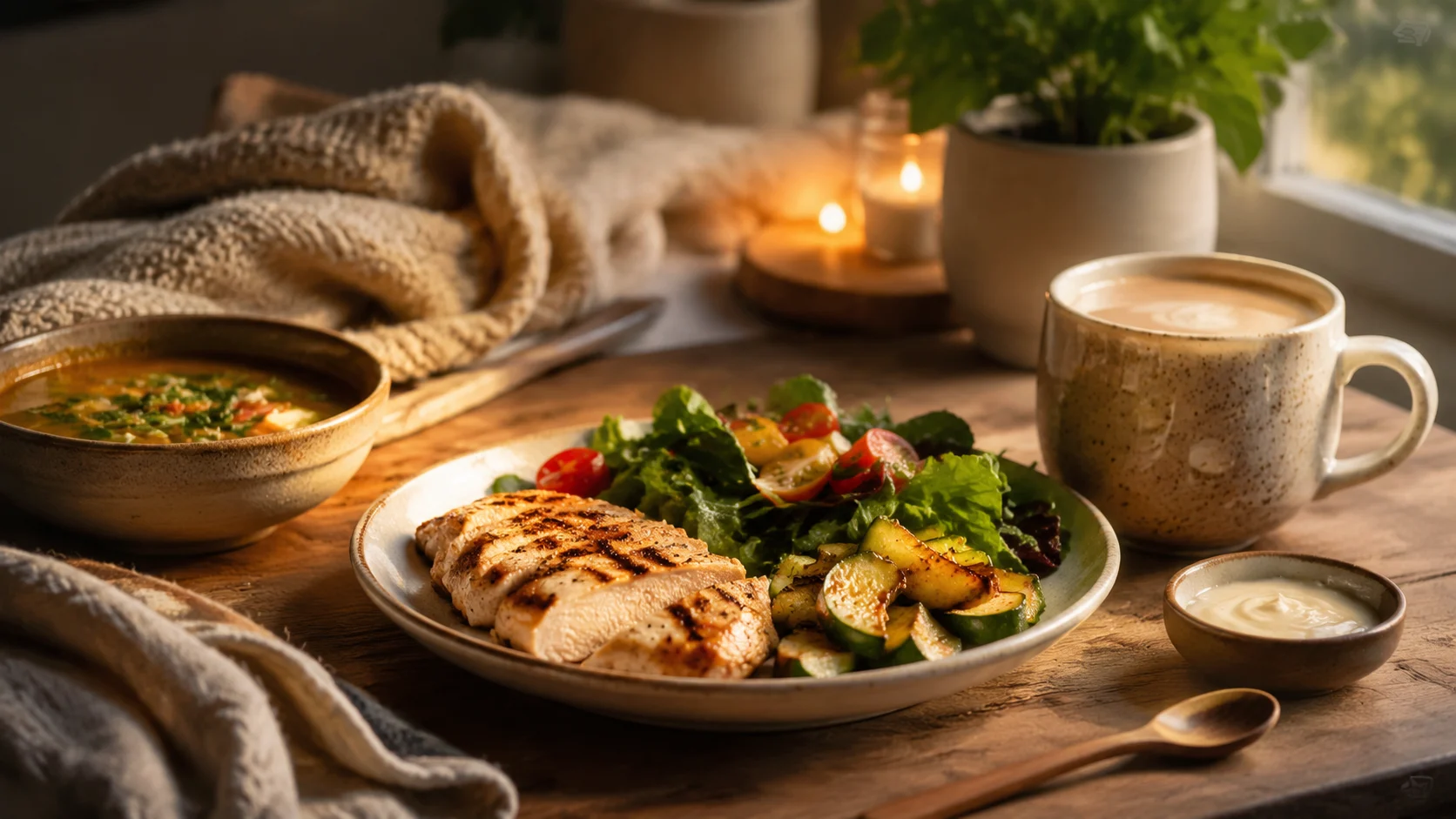
- Make one pot of soup feel complete. If cabbage is in the pot, add beans, potatoes, or barley so the meal carries her through the afternoon or evening.
- Let one meal each day lean blue-zone inspired. A bowl of beans over rice with greens and olive oil is simple, affordable, and deeply steadying.
- Notice the after-feeling. Not “Was I good?” but “Did this meal leave me calm, satisfied, and supported?”
The most helpful comparison may not be whether the blue zone diet is better than the cabbage soup diet in a dramatic sense. It is whether a way of eating helps a woman feel more at home in her body, with more ease and less negotiation.
Please note: Every body has its own rhythm, history, and nutritional needs. This gentle guide is for educational purposes and does not replace personalized advice from a healthcare professional or registered dietitian, especially if someone has a medical condition, a history of disordered eating, or changing energy needs.
You Might Also Wonder
Is the blue zone diet good for weight loss?
It may support a more balanced eating pattern for some people, but its deeper value is that it emphasizes fiber-rich, satisfying, everyday meals rather than urgency. For Joyini readers, that often matters more than chasing fast results.
Can cabbage soup still be part of a healthy routine?
Absolutely. Cabbage soup can be warm, affordable, and comforting. It simply works better when it is part of a fuller meal pattern, perhaps with beans, bread, grains, or another satisfying addition.
Why do restrictive diets feel so appealing when life feels out of control?
Because certainty can feel soothing. A rigid plan can momentarily reduce decision fatigue. But if it ignores hunger, pleasure, and energy needs, that calm often fades quickly.
What if I am too tired to cook blue-zone style meals from scratch?
Then shortcuts belong. Canned beans, frozen vegetables, microwavable grains, jarred tomato sauce, and a piece of toast with olive oil can still create a meal that feels aligned with the spirit of the blue zone diet.
Leave a Reply