

A softer way to think about swelling
Many women are told that puffiness means they need more discipline. Often, that is the wrong story. In real life, an anti swelling diet is usually less about harsh restriction and more about steady hydration, balanced meals, enough potassium-rich foods, and less day-to-day eating chaos. When she feels puffy after salty takeout, poor sleep, or a week of eating on the run, her body may be asking for support, not punishment.
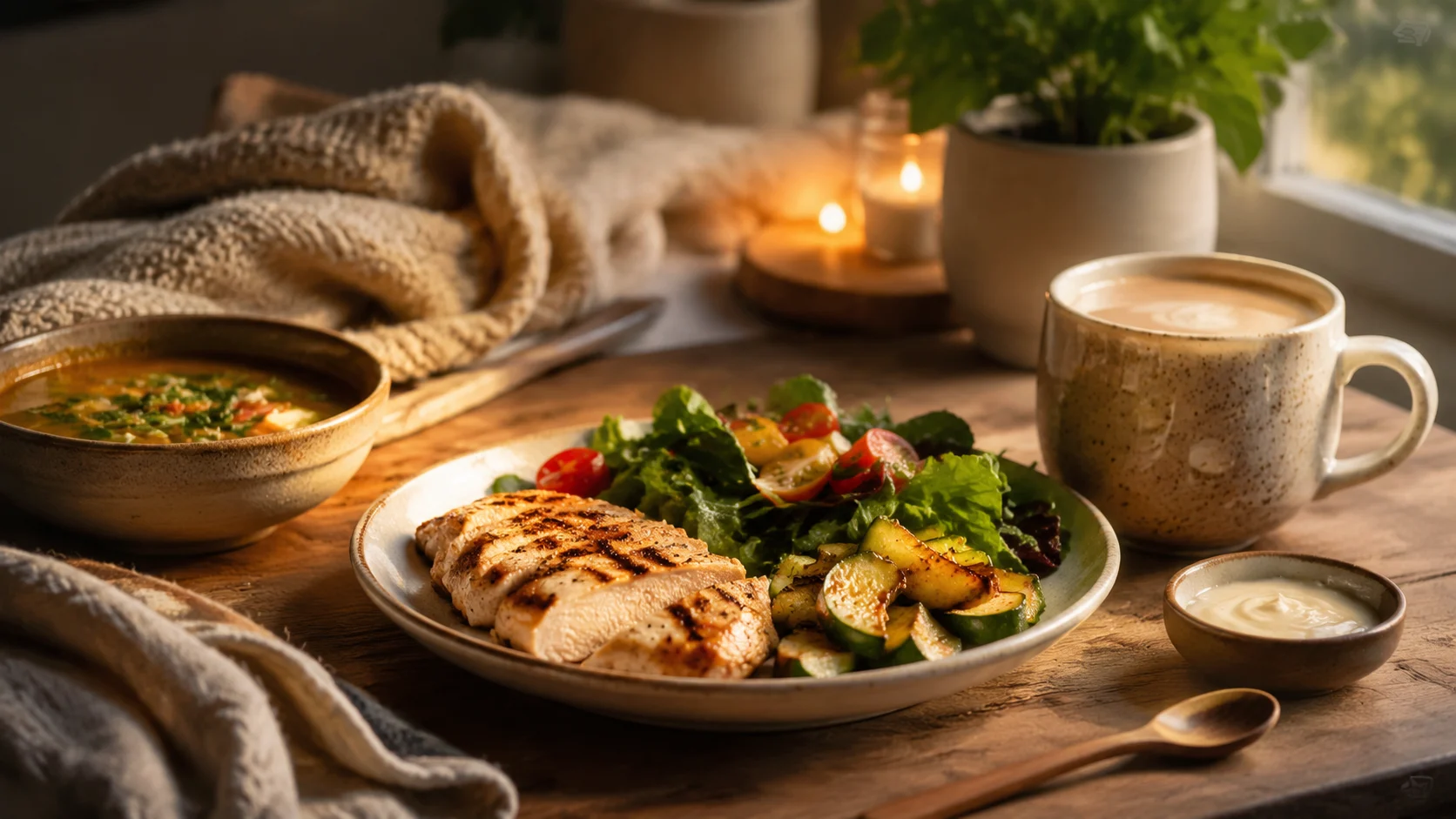
The phrase anti swelling diet can sound severe, but the gentler version looks surprisingly ordinary: warm breakfasts, meals with protein and fiber, produce with high water content, and fewer swings between “I forgot to eat” and “now I’m ravenous.” That matters because the body tends to hold on more tightly when stress is high and routines are shaky.
Body discomfort is not always a sign that she has failed. Sometimes it is simply a sign that her body needs steadier care.
There is also a common temptation to compare any plan with the armed forces diet or other rigid approaches that promise quick changes. But fast, highly structured diets often overlook sleep, stress, hormones, and the simple fact that a swollen-feeling body may need nourishment that feels calm and sustainable.
The “Calm Plate Rhythm” that supports less puffiness
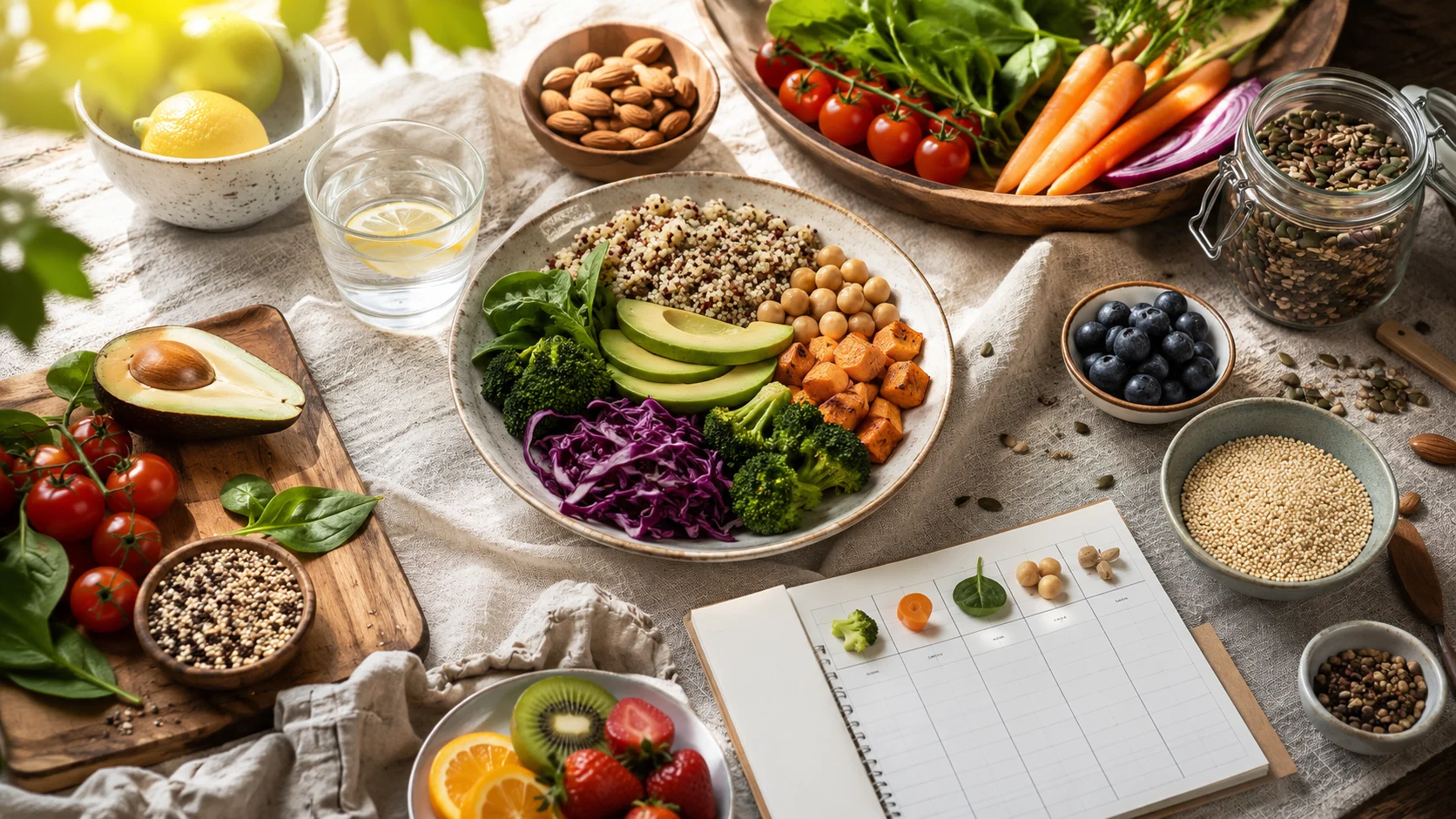
A helpful way to picture an anti swelling diet is through a small framework: the Calm Plate Rhythm. Think of it as building meals that help the body exhale.
- Anchor with protein. A bowl of Greek yogurt with berries in the morning, or salmon laid over rice and cucumbers at dinner, can help steady appetite and energy.
- Add water-rich plants. Cucumber, oranges, melon, celery, leafy greens, and zucchini bring both fluid and texture. They do not “fix” swelling overnight, but they can support comfort.
- Make room for potassium. Foods like potatoes, beans, yogurt, bananas, spinach, and avocado can help balance the effects of high sodium days.
- Keep fiber gentle and regular. Oats, chia, lentils, cooked vegetables, and fruit support digestion, which often changes how bloated or swollen the body feels.
- Season with consistency. Skipping meals all day and eating heavily at night can leave the body feeling more inflamed, more tired, and more puffy.
Research often points in this same direction. For example, dietary guidance from major public health organizations continues to associate high sodium intake with fluid retention and higher blood pressure risk, while patterns rich in fruits, vegetables, and minimally processed foods tend to support better fluid balance overall.
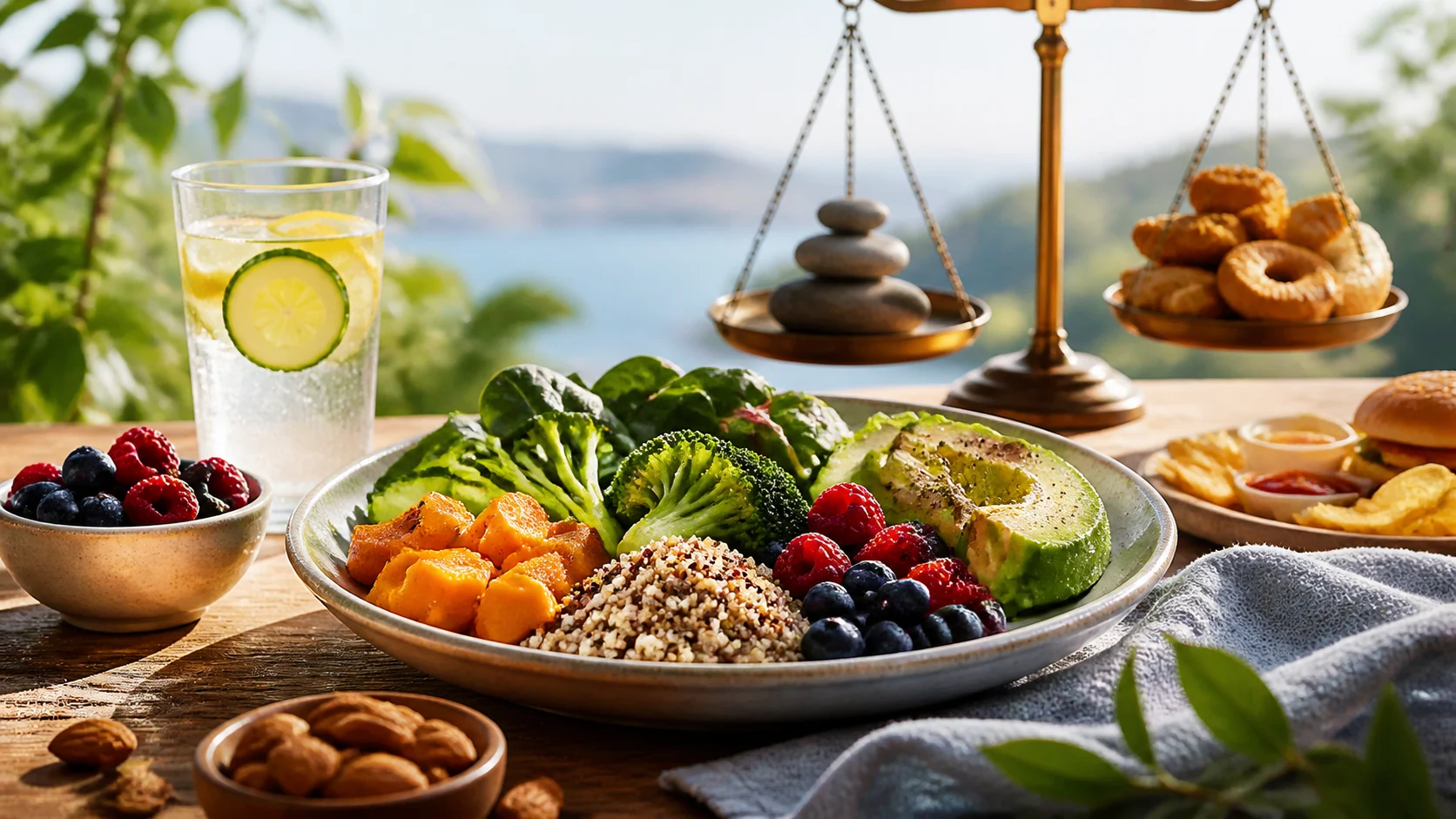
What an anti swelling diet can look like on an ordinary Tuesday
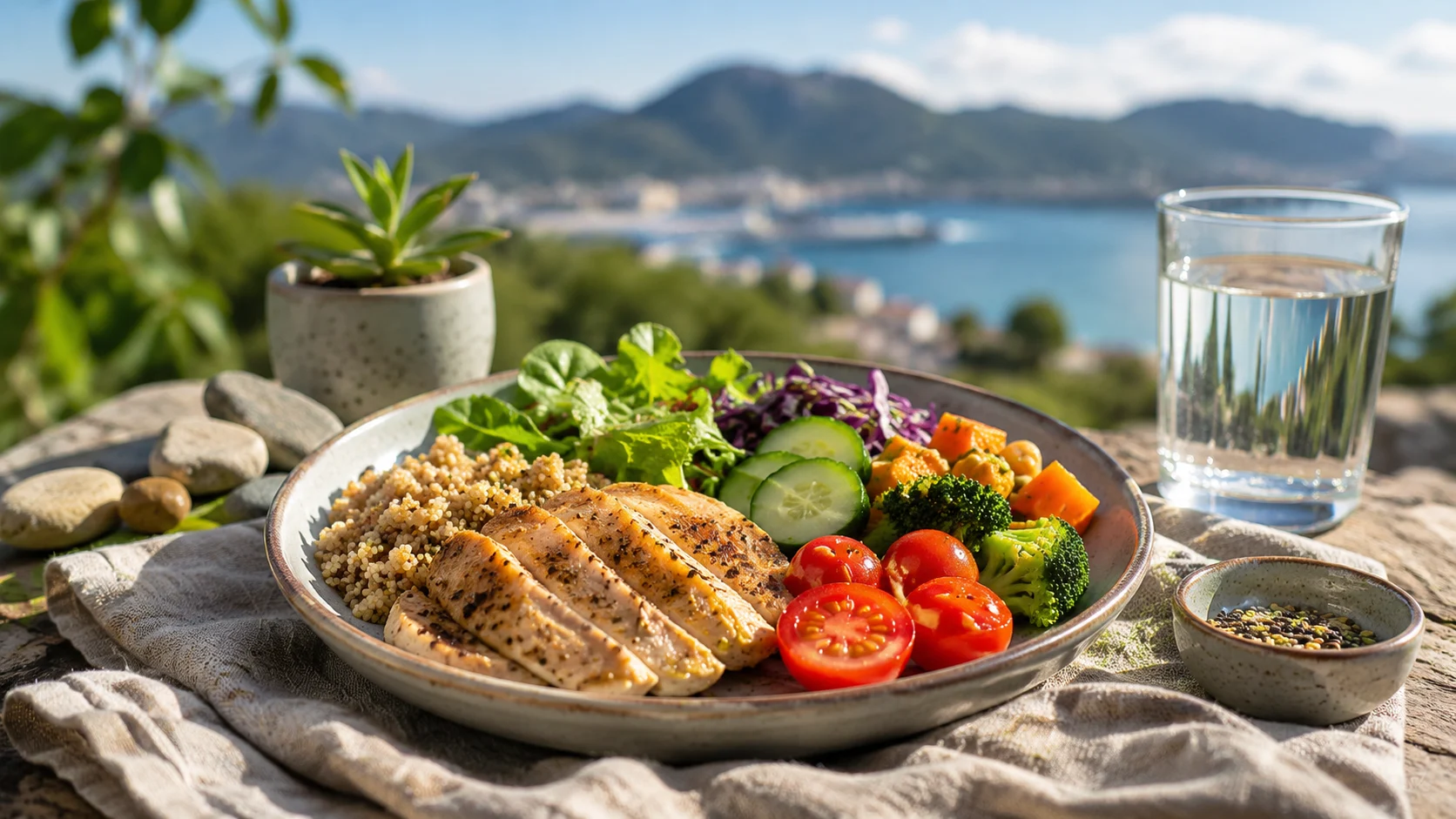
It rarely looks glamorous. It looks like a woman standing in her kitchen at 7:10 a.m., stirring oats until they turn soft and fragrant, then adding crushed walnuts and sliced banana. It looks like keeping a bottle of water near her laptop instead of realizing at 4 p.m. that she has barely had anything to drink. It looks like ordering a grain bowl with chicken, greens, and roasted vegetables when life is too full to cook.
An anti swelling diet does not need to be tiny, joyless, or obsessively “perfect.” In fact, overly restrictive plans may backfire by increasing cravings, stress, and rebound eating. That is one reason many women feel briefly tempted by the armed forces diet, then wind up feeling more disconnected from hunger, fullness, and comfort.
The body is not a project to shrink into obedience. It is a place to live, and it responds best to steady kindness.
Foods and habits that often make swelling feel louder
This is not about labeling foods as good or bad. It is about noticing patterns. Swelling may feel more intense after:
- Very salty convenience meals all day long. One takeout meal is not the issue; repeated high-sodium days with little produce and water can be.
- Long gaps without eating. By evening, she may be so depleted that she eats quickly and past comfort.
- Low sleep and high stress. Cortisol shifts can affect appetite, digestion, and how “puffy” the body feels.
- Carbonated drinks or fast eating. For some people, these increase abdominal fullness and discomfort.
If she has been reading about the armed forces diet, it can help to pause and ask a gentler question: will this way of eating support her next week, not just the next two days?
Small, realistic shifts that feel supportive
- Start the day fed. Even toast with eggs and fruit is often kinder to the body than coffee alone.
- Pair salty meals with balance. If dinner is pizza or takeout, adding a crisp salad, sliced melon, or roasted vegetables can soften the aftermath.
- Sip water steadily. Not all at once at night, but in small rhythms through the day.
- Choose comforting carbs without fear. Rice, oats, potatoes, and beans can be part of an anti swelling diet when meals are balanced and regular.
- Notice cycle changes. Before a period, temporary puffiness can be part of normal hormonal shifts. The goal is support, not panic.
Please note: Every body has its own rhythm. This gentle guide is for educational purposes and does not replace personalized advice from a healthcare professional, especially if swelling is sudden, painful, one-sided, or persistent.
You Might Also Wonder
What if I feel swollen even when I eat “healthy”?
That can happen. Swelling is not only about food quality. Sodium, hormones, constipation, stress, sleep, and even how quickly she eats can all shape how her body feels.
Do I need to cut carbs to follow an anti swelling diet?
Usually no. Many women feel better with balanced carbohydrates, especially oats, rice, potatoes, beans, and fruit, because they support steadier energy and a more settled appetite.
Is the armed forces diet a good idea for quick de-bloating?
A rigid plan may create a short-term change on the scale, often from water shifts, but it is rarely a gentle or sustainable way to support comfort, energy, or food trust.
How much water should I drink if I feel puffy?
There is no single perfect number for everyone. A steadier intake across the day often helps more than chugging large amounts at once. Urine color, thirst, weather, and activity can all offer clues.
When should swelling be checked by a doctor?
If swelling is new, severe, painful, only on one side, or comes with shortness of breath, chest pain, or other unusual symptoms, it deserves prompt medical attention.
Leave a Reply