

Many women hear liquid diet and imagine a reset, a shortcut, or a way to “get back on track.” But in real life, a liquid diet is often too narrow to support steady energy for long, especially when it is used like a rule instead of a short-term medical tool. The gentler answer is not more restriction. It is learning when liquids can support the body, and when a broader, more balanced pattern—something closer to the mind diet approach—offers more comfort, nourishment, and ease.
When a Smooth Soup Becomes a Symbol
She stands in her kitchen after a long day, too tired to chew through another hard plan. A shake feels simple. A broth feels safe. A smoothie feels like control. That is often the hidden appeal of a liquid diet: not just convenience, but the promise of relief.
Yet the body does not always experience that relief as support. For many women, relying on liquids alone can leave them chasing fullness, feeling cold, distracted, or oddly preoccupied with food. Chewing, texture, and meal variety matter more than diet culture ever admitted. A meal is not only fuel; it is also a signal of safety and satisfaction.
“The body is not a project to shrink into silence. It is a home asking to be fed with steadiness.”
This is where a useful distinction appears: a medically guided liquid diet may have a place before certain procedures or during specific recovery periods, but turning it into an everyday wellness identity is another story.
The Soft Bowl Principle
A helpful way to think about this is the Soft Bowl Principle: when energy is low or digestion feels tender, the body often does better with foods that are gentle and substantial, not only liquid. Think of a warm bowl of oatmeal loosened with milk, topped with crushed walnuts and soft berries. Think of lentil soup with a piece of toast on the side. Think of Greek yogurt with almond butter stirred in, eaten slowly at the counter while the evening settles.
These meals carry the ease people often seek from a liquid diet, but they also offer more staying power. They bring protein, fiber, fat, and texture, which can support steadier energy and a calmer relationship with food.
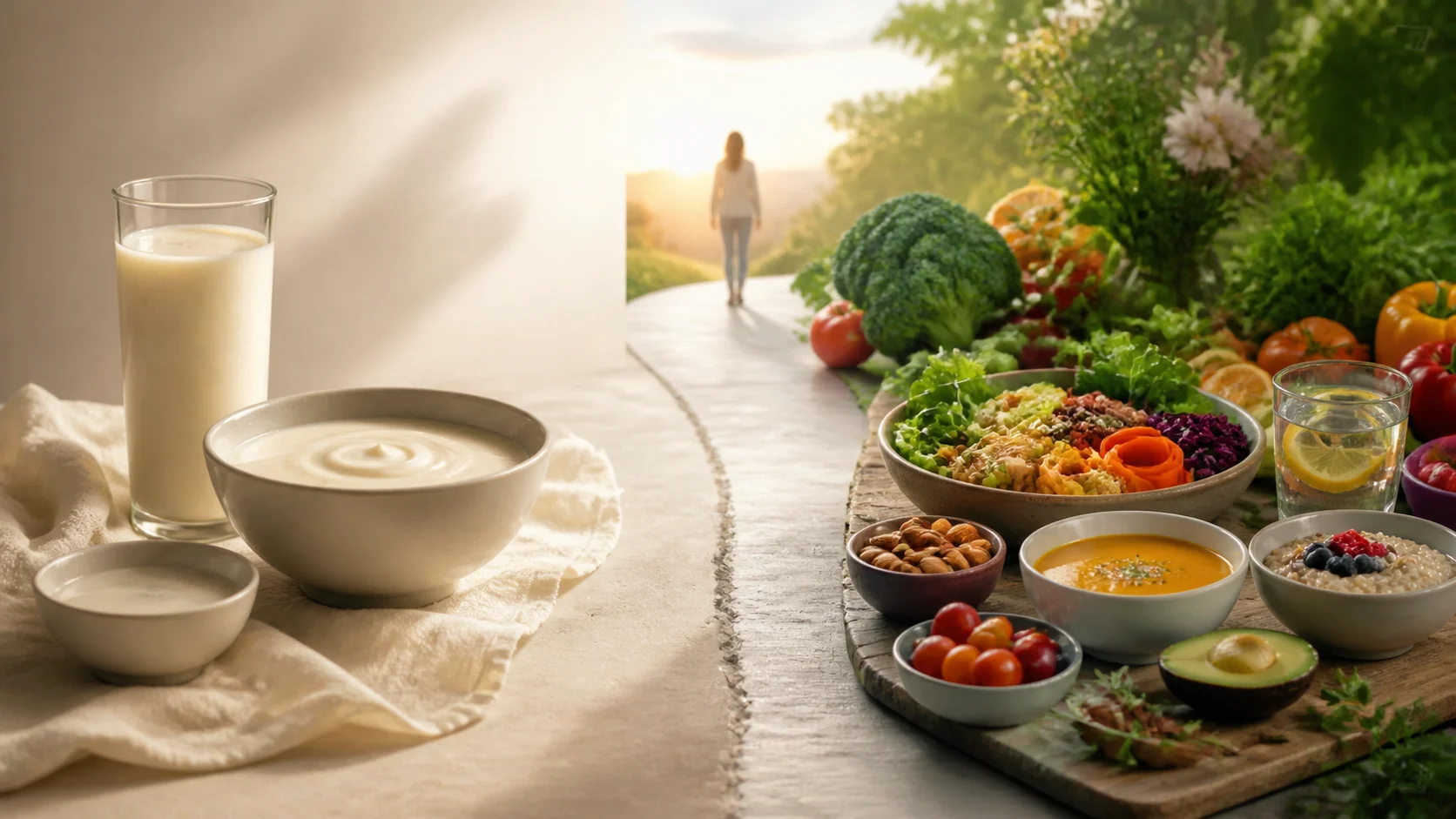
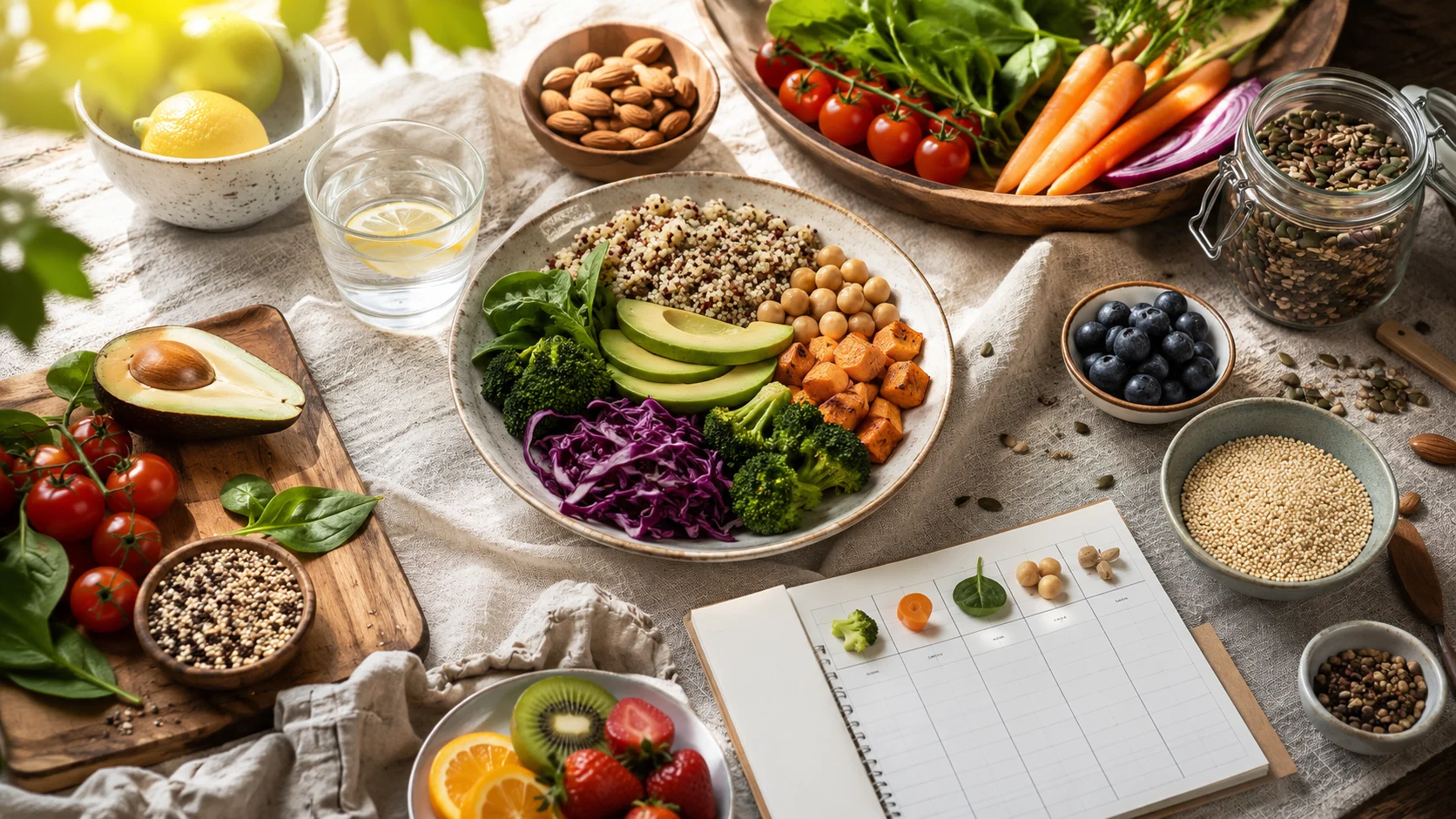
The mind diet, originally studied for brain health, is not about perfection either. It leans toward leafy greens, beans, berries, whole grains, nuts, olive oil, and fish, with a flexible, real-life rhythm. What makes the mind diet relevant here is not that it is trendy, but that it quietly encourages variety over rigidity. For a woman tired of rules, that matters.
Why Liquids Alone Can Feel Good at First and Hard Later
There is a reason a liquid diet can feel almost peaceful in the beginning: decisions disappear. But when the body misses enough texture, calories, or balance, the calm can unravel into cravings, low energy, or intense hunger later in the day.
Some research has observed that liquids may be less filling than solid foods for many people, partly because they are consumed faster and require less chewing. That does not mean smoothies or soups are “bad.” It simply means context matters. A blended meal can be supportive; a highly restrictive liquid diet can become another cycle of undernourishment dressed up as discipline.
“Restriction often sounds organized at first. The body answers back in cravings, fatigue, and noise.”
The gentler question is not, “How little can she eat?” but “What kind of meal helps her feel held?”
Where the Mind Diet Offers a Kinder Map
If a woman is looking for a sustainable pattern rather than a short-term fix, the mind diet offers a steadier map. It does not require perfect meals or all-day cooking. It can look like:
- A blended breakfast with anchors — a smoothie with yogurt, oats, peanut butter, and frozen berries, poured into a glass and sipped slowly instead of rushed.
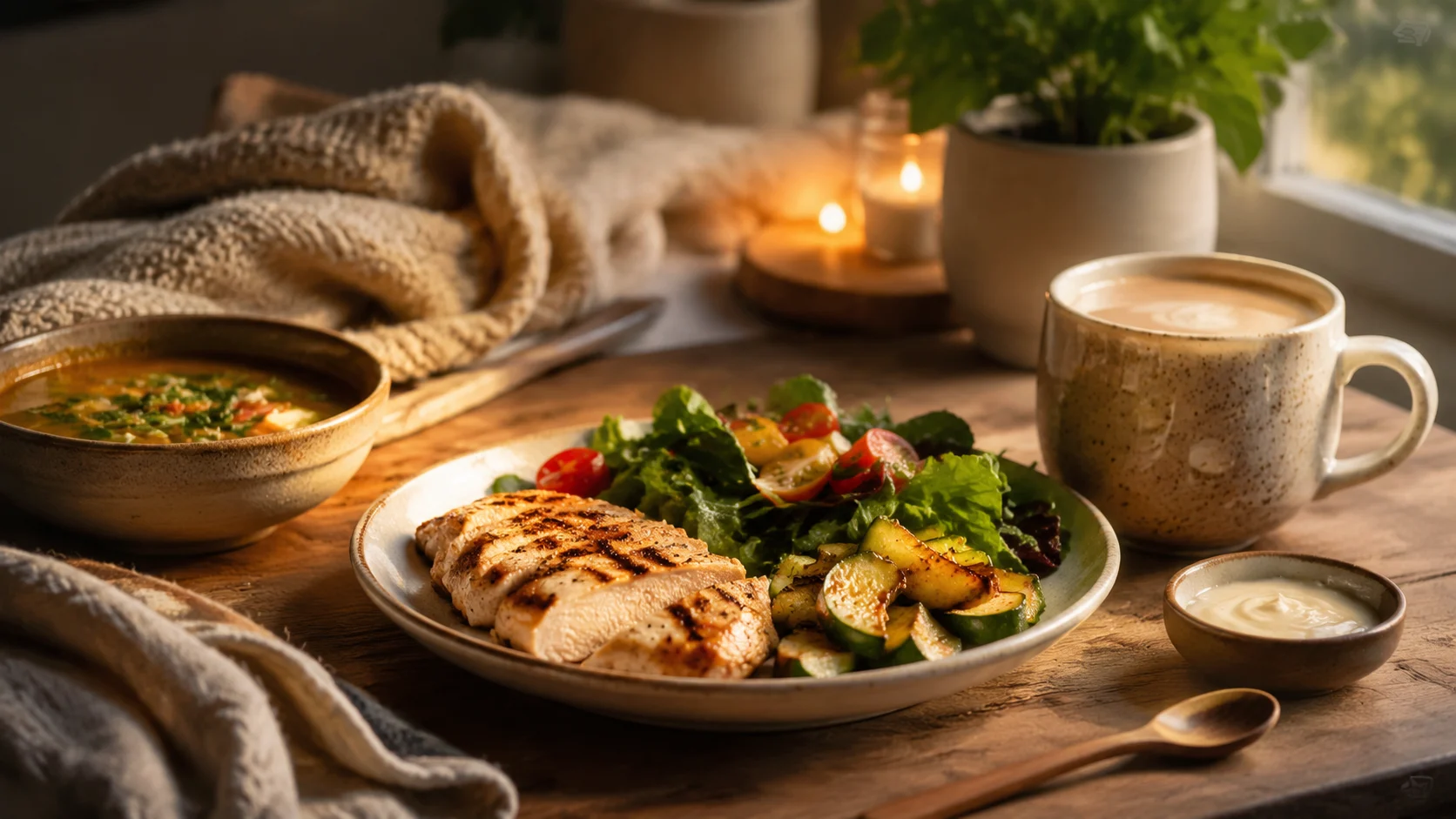
- A comfort lunch with structure — tomato soup alongside a grilled cheese, or a bean soup with crackers and sliced avocado, so fullness has something to land on.
- An easy dinner with softness and substance — rice, salmon, and wilted greens drizzled with olive oil, or a warm grain bowl built from leftovers.
That is the quiet strength of the mind diet: it supports the brain, yes, but it also supports real evenings, busy mornings, and women who are done being told that suffering is the price of health.
Please note: Every body has its own rhythm. This gentle guide is for educational purposes and does not replace personalized advice from a healthcare professional, especially if a liquid diet has been recommended for a medical reason or if eating feels physically or emotionally difficult right now.
You Might Also Wonder
Is a liquid diet ever appropriate?
Yes. A liquid diet can be appropriate when a doctor recommends it for a procedure, recovery period, or specific digestive need. It works best as a clearly guided, temporary tool, not as a default lifestyle rule.
Can smoothies be part of a balanced way of eating?
Absolutely. A smoothie becomes more satisfying when it includes protein, fat, and fiber—for example, yogurt, oats, berries, and nut butter. It does not have to mimic restriction to be nourishing.
How is the mind diet different from a restrictive plan?
The mind diet emphasizes patterns rather than punishment. It gently encourages foods like greens, beans, berries, nuts, olive oil, and whole grains, without asking someone to eat with fear.
What if chewing feels hard when I am stressed or exhausted?
That is where soft meals can help. Instead of jumping straight into a strict liquid diet, many women do better with soups, oatmeal, yogurt bowls, mashed beans, or soft rice dishes that feel easy but still grounding.

Leave a Reply