

The plate that feels calmer at 6 p.m.
When someone is told to follow a high blood pressure diet, the first thought is often restriction. But the softer truth is this: the most helpful plate is usually not smaller, harsher, or more complicated—it is simply more balanced, more familiar, and less heavy on sodium. That shift can feel especially meaningful on tired weeknights, when the body is asking for ease, not perfection.
A gentle way to picture it is as a quiet dinner table: a bowl of beans, roasted vegetables, a little olive oil, and something satisfying on the side. Meals like that can support steadier blood pressure patterns over time, especially when they lean into potassium-rich foods, fiber, and less ultra-processed salt. In one large analysis, the DASH-style eating pattern was linked with meaningful reductions in blood pressure, often within weeks rather than years.
Food does not need to feel punishing to be supportive.
The “Salt Softening” rhythm
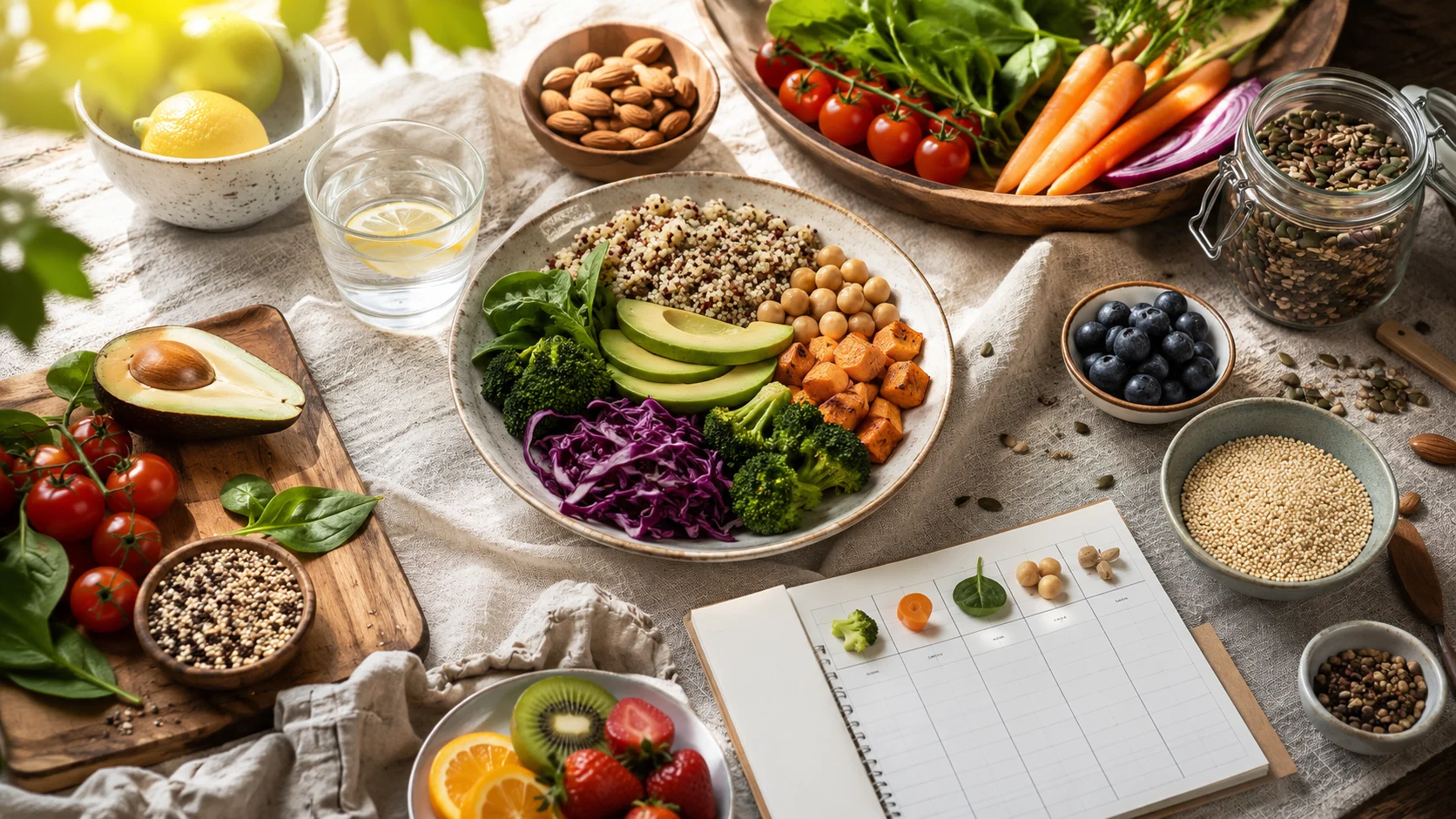
One useful micro-framework is the Salt Softening rhythm: not eliminating salt, but diluting its impact with foods that help the body feel more balanced. That often means building meals around vegetables, fruit, legumes, dairy or fortified alternatives, and simple proteins, then seasoning with intention instead of habit.
- Start with volume from plants. A pan of zucchini, peppers, and onions can make dinner feel abundant without leaning on a salty shortcut.
- Add steady protein. Think eggs in the morning, salmon at lunch, or tofu tucked into noodles at night.
- Choose potassium-forward sides. A banana, yogurt, beans, lentils, or potatoes can quietly support the bigger picture.
- Keep packaged foods in perspective. They are part of real life; the goal is to notice patterns, not chase purity.
This is where people sometimes get distracted by unrelated product comparisons online, even something as oddly out of place as hill’s science diet dog food, which has nothing to do with a human blood pressure pattern. For Joyini, the focus stays where it belongs: on human meals that feel livable, steady, and kind.
What a day of calmer eating can look like
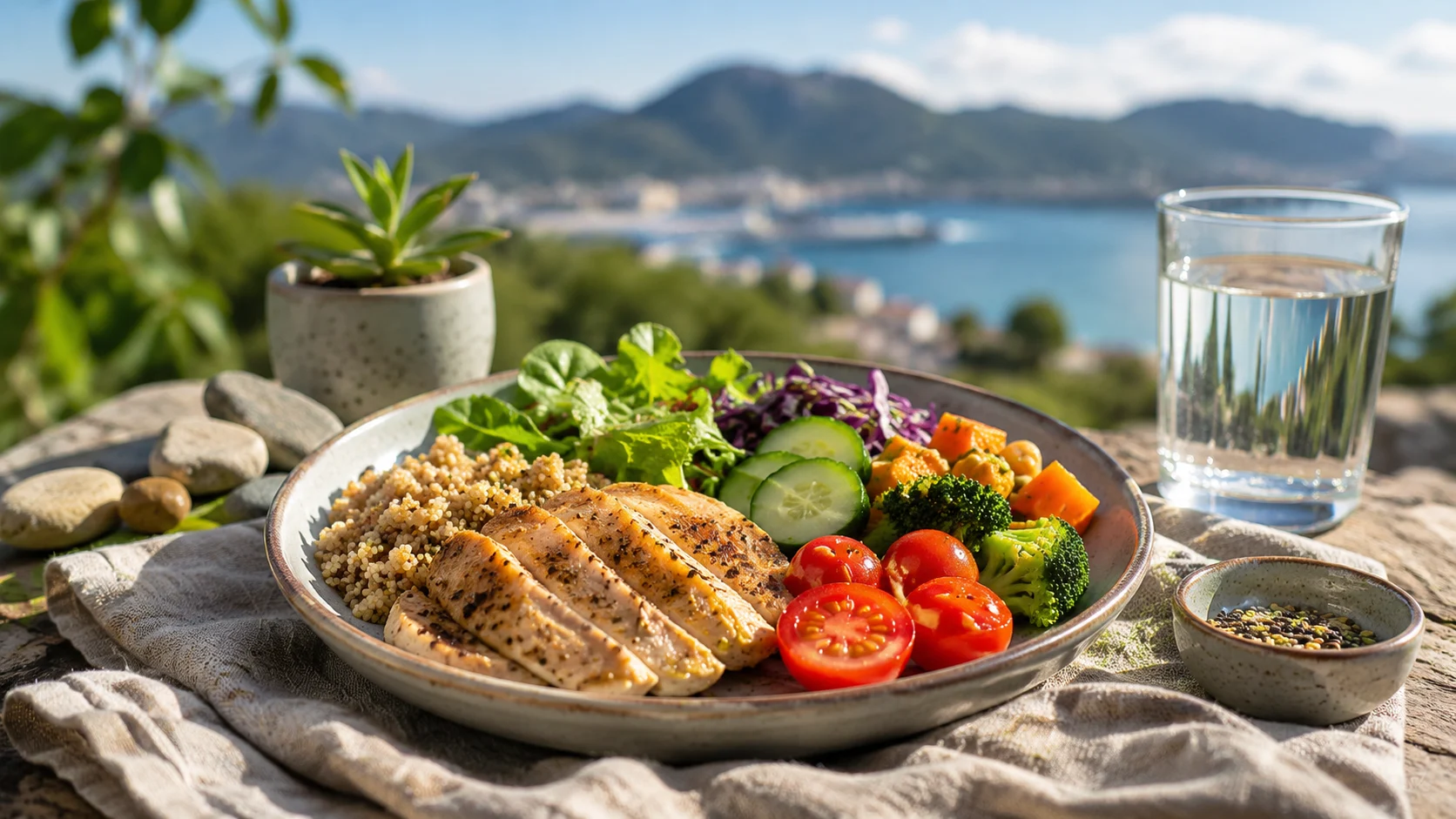
Breakfast might be oatmeal with chopped walnuts and berries, warm enough to feel like a soft landing. Lunch could be a grain bowl with chickpeas, cucumber, tomatoes, and a lemony dressing that tastes bright without relying on heavy salt. Dinner might be baked salmon, sweet potato, and garlicky greens, the kind of plate that feels both simple and complete.
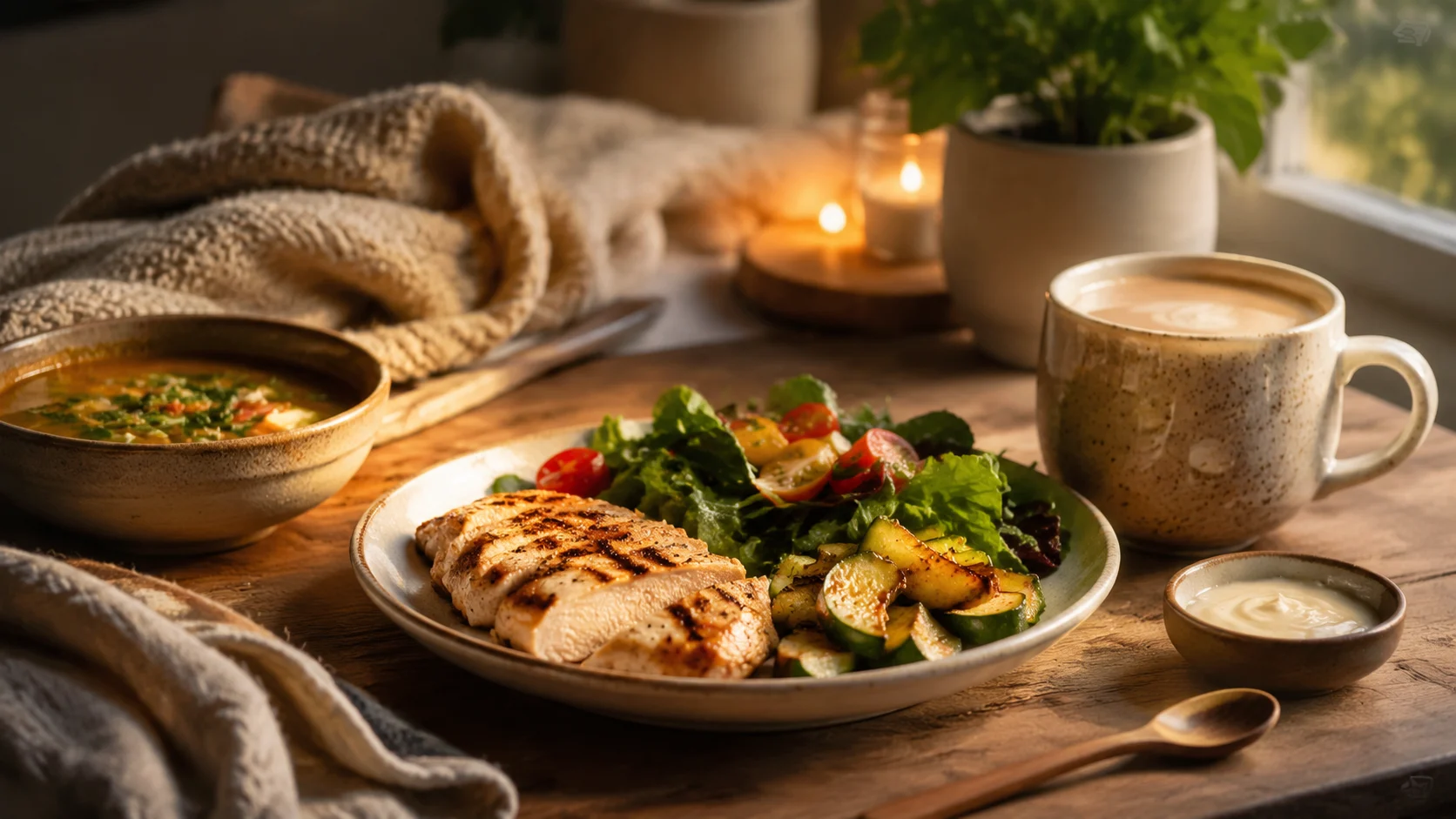
For someone who is exhausted after work, the best high blood pressure diet is often the one she can repeat without drama. That may look like rotisserie chicken with a bagged salad, or soup stretched with extra beans and a piece of fruit after. The point is not to build a perfect menu. It is to lower friction so the body can receive nourishment consistently.
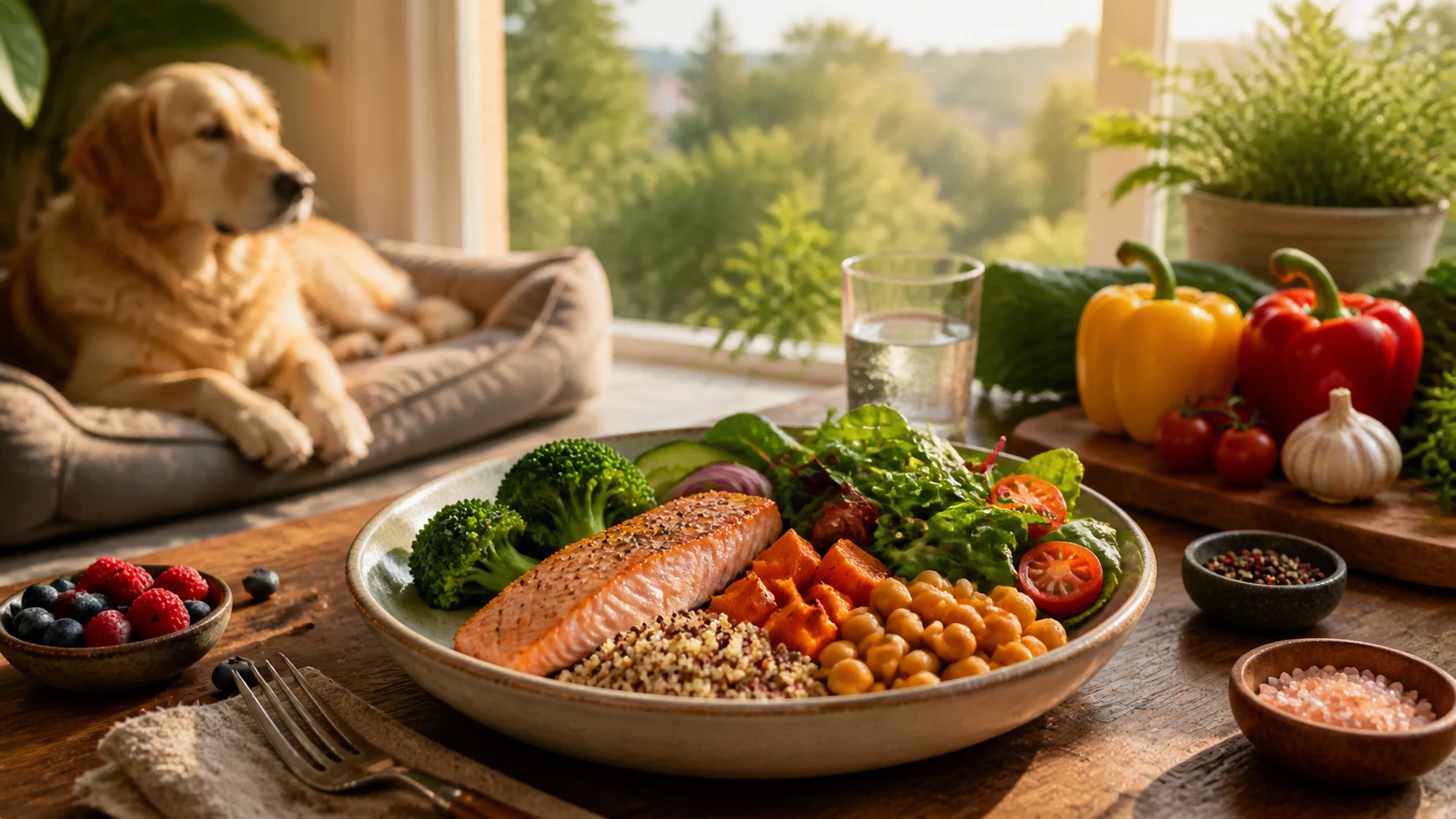
Steady eating is often more powerful than intense eating. Small, repeatable meals can support the body better than rare, heroic efforts.
Reading labels without turning dinner into homework
Label reading can be useful, but it should not turn grocery shopping into a punishment loop. A gentler lens is to look for the quiet patterns: is sodium very high per serving, does the food bring anything else to the table, and will it actually help someone feel satisfied? That is often enough for real life.
If a canned soup, frozen meal, or sandwich fits the day, it can still be part of a supportive routine. Pairing it with fruit, yogurt, or an extra handful of vegetables can soften the overall meal and make it feel more substantial. This is not about “perfect” choices; it is about creating more room for the body to feel settled.
A high blood pressure diet works best when it sounds less like a rulebook and more like a rhythm: more color, more fiber, more steady meals, and less pressure to perform wellness.
Questions that often come up
Can I still eat out?
Yes. Restaurant meals can fit when most of the week is anchored by balanced eating. Ordering grilled or roasted options, asking for sauces on the side, or adding a vegetable dish can help without making dinner feel joyless.
Do I need to avoid all salty foods?
No. A sustainable pattern leaves room for taste and culture. The aim is to notice frequency and balance, not to banish every food that carries sodium.
What if I’m too tired to cook?
Build a “low-energy shelf” of easy supports: yogurt, fruit, prewashed greens, beans, eggs, frozen vegetables, and whole-grain toast. A steady meal can be assembled in minutes.
Is this only about salt?
Not at all. The broader picture includes fiber, potassium, overall eating patterns, and stress. Blood pressure often responds to the whole rhythm, not one ingredient alone.
Please note: Every body has its own rhythm, and this gentle guide is for educational purposes only. It does not replace personalized advice from a healthcare professional, especially if you have a medical condition or take medication.
You Might Also Wonder
What if I love packaged foods?
Then the goal is not to quit them. It is to pair them with enough fresh, filling foods that the meal feels more complete.
Can comfort food still belong here?
Absolutely. Comfort and support can live on the same plate when meals include both satisfaction and balance.
How quickly do food patterns matter?
Some people notice changes in days or weeks, while long-term support comes from repetition and consistency.
Leave a Reply