

Many women are told a fatty liver diet has to feel strict, bland, or punishing. It doesn’t. In real life, a supportive way of eating for liver health often looks more like steady meals, gentler blood sugar rhythms, more fiber, and less food chaos than a perfect meal plan. When a gi low diet approach is woven in naturally, it can help meals feel more grounding and easier on energy swings.
When “Eating Better” Feels Harder Than It Sounds
She may be sitting at her desk at 3 p.m., already tired, already behind, wondering why every article about liver health sounds like a lecture. The harder truth is often softer: many eating patterns that strain energy and metabolic health are built in moments of exhaustion, not failure. A drive-thru dinner after a long commute, coffee standing in for breakfast, a night of grazing because the day never truly paused—this is often the backdrop.
A nourishing fatty liver diet usually begins there, with understanding instead of self-blame. Rather than chasing perfection, it helps to think in terms of what Joyini might call the Steady Plate Rhythm: meals that bring together fiber-rich carbohydrates, satisfying protein, gentle fats, and colorful plants often enough that the body does not spend the day swinging between depletion and urgency.
“The body is not a project to dominate. It is a home asking for steadier care.”
Research has observed that losing even 5% to 10% of body weight may improve fatty liver markers in some people, but the deeper lesson is not about shrinking the body at all costs. It is about supporting metabolic health through sustainable patterns, especially with meals that help blood sugar stay more even.
The Quiet Power of a Gentler Plate
A practical fatty liver diet does not require dramatic rules. It often asks for a few consistent shifts:
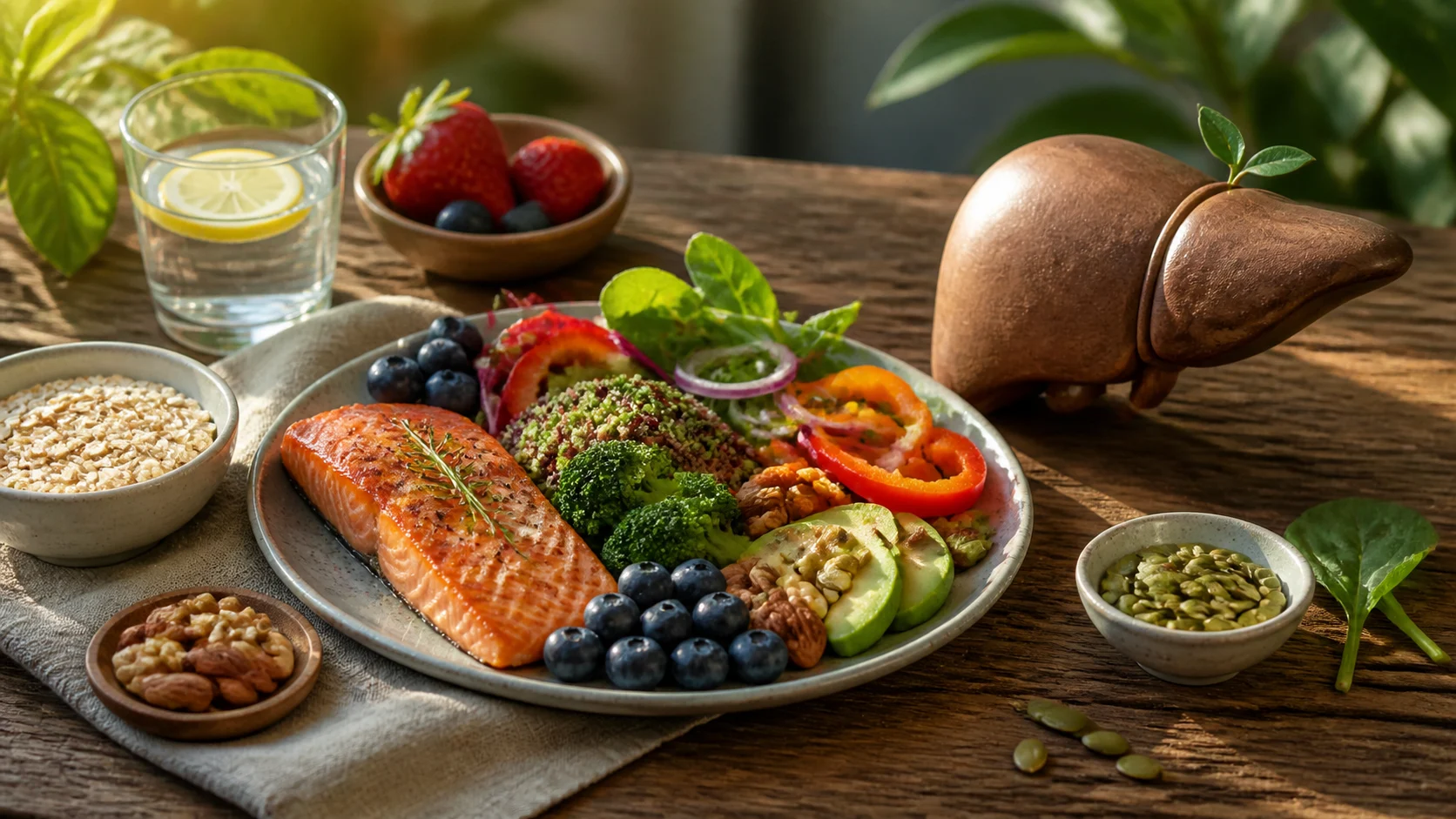
- Build breakfast with staying power. A bowl of warm oats topped with Greek yogurt, berries, and crushed walnuts can feel very different from toast alone. This is where a gi low diet style quietly helps—pairing carbohydrates with protein, fat, and fiber tends to soften the rush-and-crash cycle.
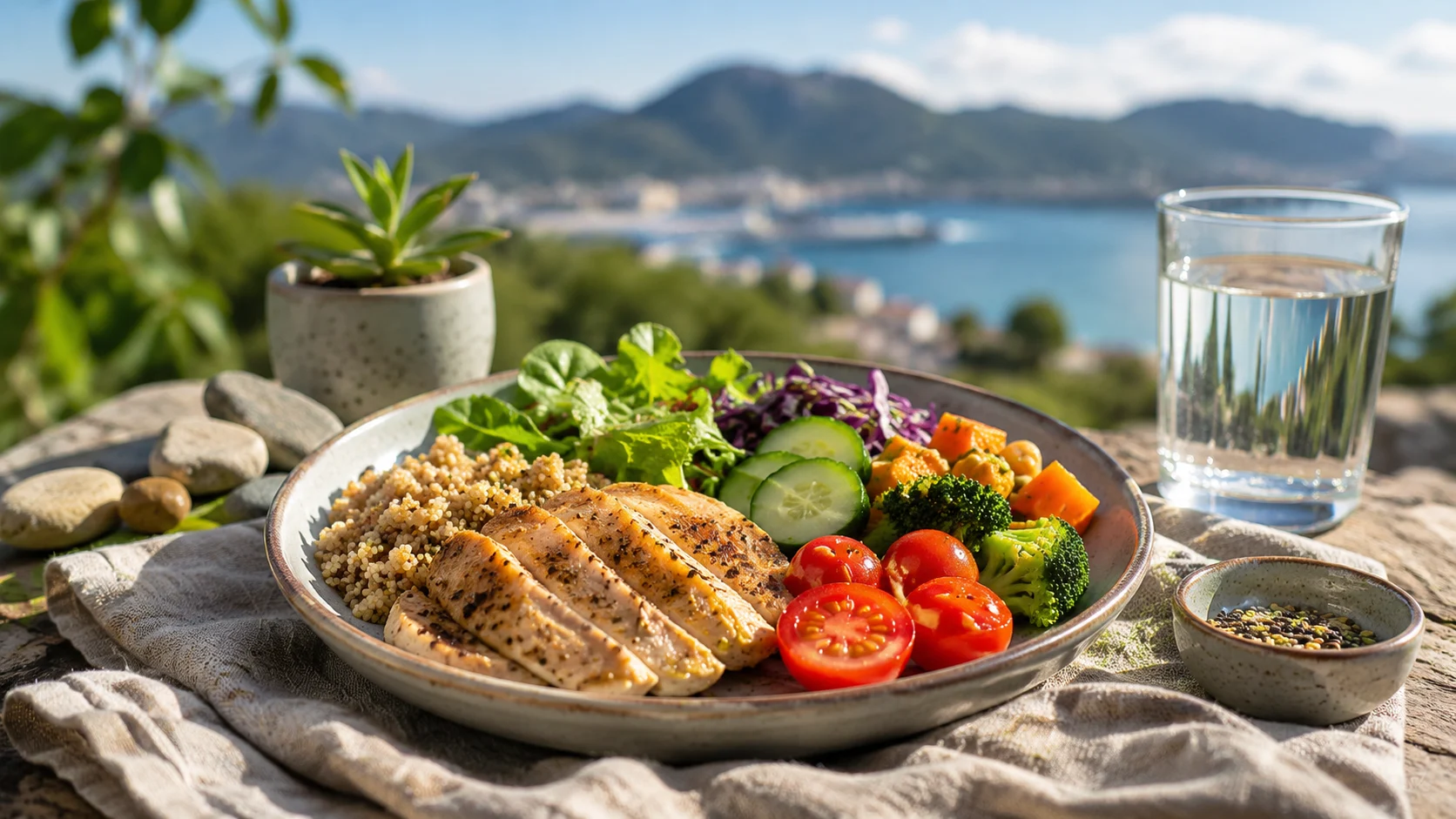
- Let lunch be ordinary and balanced. A grain bowl with salmon or tofu, roasted vegetables, greens, and a spoon of olive oil dressing can support both fullness and steady energy without feeling clinical.
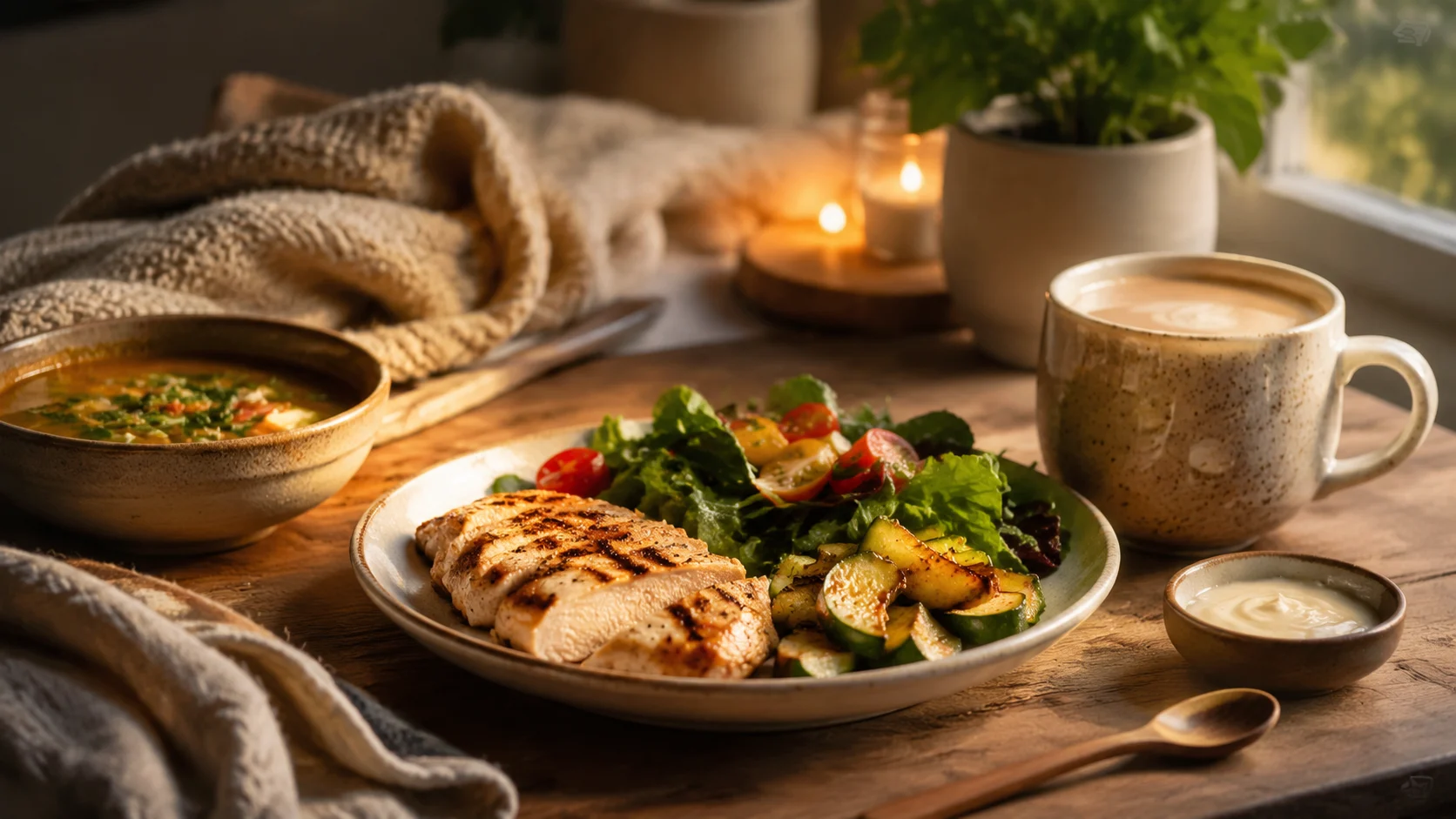
- Make dinner simpler than expected. Rotisserie chicken with microwaved brown rice and a bagged salad still counts. So does a bean soup with avocado and a slice of whole-grain toast.
- Notice drinks, not just food. Sugary beverages can add up quickly, so swapping some of them for sparkling water, unsweetened tea, or coffee with less added sugar may gently support a fatty liver diet.
“Health rarely grows from harsher rules. It grows from rhythms the nervous system can actually live with.”
How a GI Low Diet Can Fit Without Taking Over
The phrase gi low diet can sound technical, but in daily life it is often quite simple. It means choosing carbohydrate foods that tend to raise blood sugar more gradually, then pairing them in a way that feels satisfying. Think lentils instead of only white bread, berries instead of a pastry eaten on an empty stomach, or pasta balanced with chicken, olive oil, and sautéed zucchini rather than a bowl of noodles rushed through under stress.
This does not mean every meal needs to be perfect or low-carb. In fact, a supportive fatty liver diet is usually more realistic when it includes enough carbohydrates to feel human, but chooses them with a little more care. A gi low diet approach may be especially helpful for women who notice afternoon crashes, intense evening hunger, or a pattern of craving sweets after long gaps without eating.
The Foods That Often Feel Most Supportive
Instead of memorizing a list, it may help to picture a kitchen that makes nourishing choices feel easier.
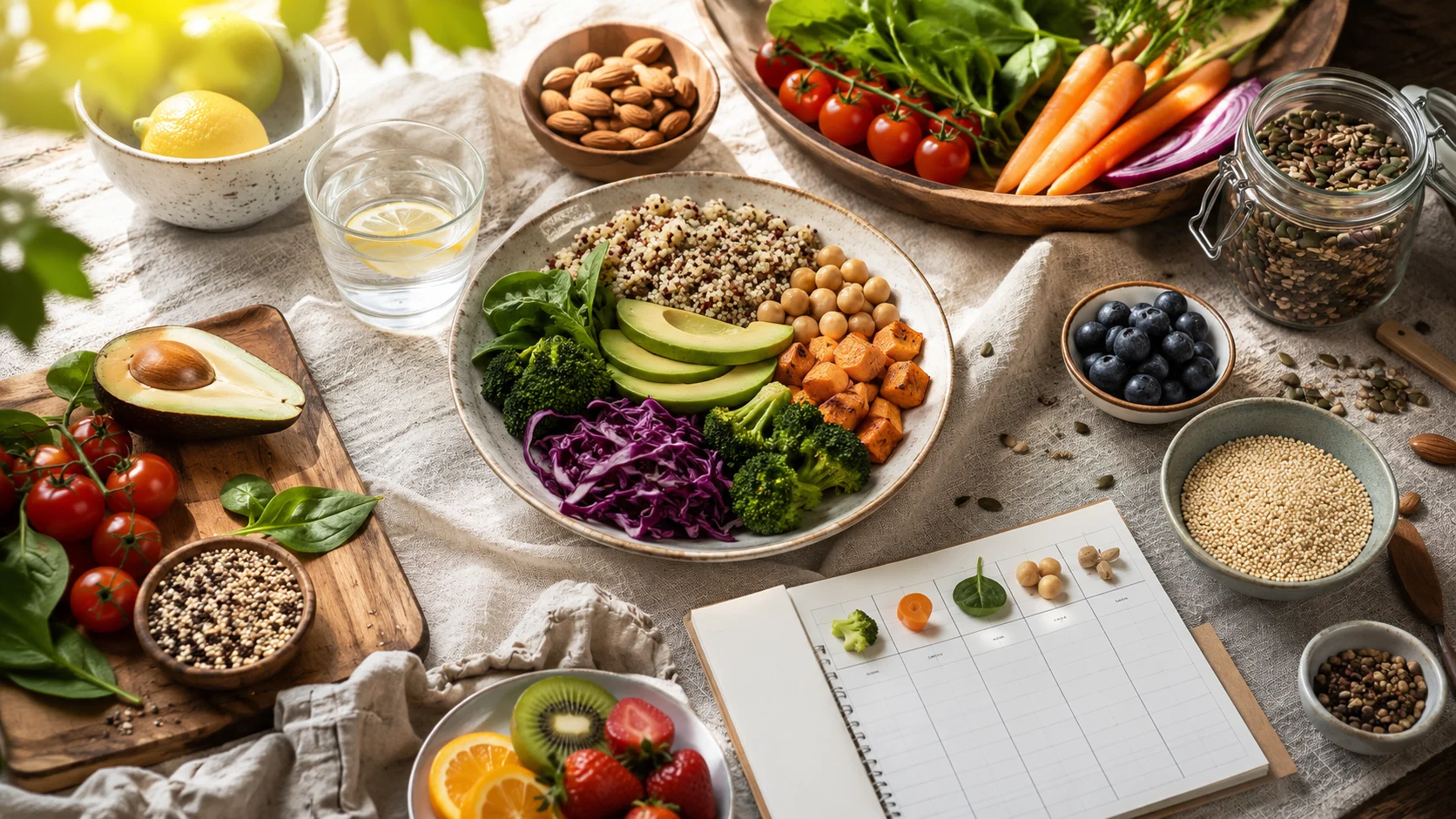
- Whole grains with texture. Brown rice, oats, quinoa, and barley can anchor meals in a more steady way than ultra-refined options.
- Beans, lentils, and chickpeas. These bring fiber and calm staying power, and they work beautifully in soups, wraps, and grain bowls.
- Protein that meets the moment. Eggs in the morning, salmon at dinner, cottage cheese with fruit, or tofu tucked into a stir-fry can help meals feel more complete.
- Fats that add comfort. Olive oil, nuts, seeds, and avocado often make healthy meals taste like real life instead of a prescription.
- Fruits and vegetables with color. Not as decoration, but as a way to add fiber, antioxidants, and softness to the plate.
A fatty liver diet becomes easier to follow when food is not treated like a moral test. It is simply a way of giving the body more of what supports it, more often.
Questions That Often Come Up
Do I need to avoid sugar completely if I’m trying to follow a fatty liver diet?
No. It usually helps more to reduce the everyday overload of added sugars, especially from sweet drinks and frequent ultra-processed snacks, than to chase total avoidance. Gentle consistency tends to last longer than rigid rules.
Can a gi low diet help if I feel sleepy after meals?
It can. Meals built with fiber, protein, and healthy fat often feel steadier than meals based mostly on refined carbohydrates alone. That steadier rhythm may reduce the heavy post-meal slump for some people.
What if I’m too tired to cook most nights?
Then the best fatty liver diet is the one that meets real life. Pre-washed greens, canned beans, rotisserie chicken, frozen vegetables, plain yogurt, and microwavable whole grains can create balanced meals with very little effort.
Is fruit okay on a fatty liver diet?
Yes. Whole fruit comes with fiber, water, and nutrients, which makes it very different from sugary drinks. For many people, fruit fits beautifully into a supportive eating pattern.
Do I have to follow a gi low diet at every single meal?
Not at all. It is better used as a gentle guide than a strict identity. Even one or two more balanced meals a day can make energy feel more stable.
Please note: Every body has its own rhythm, history, and medical context. This gentle guide is for educational purposes only and does not replace personalized advice from a doctor or registered dietitian, especially if you have been told you have fatty liver disease or other metabolic concerns.
Leave a Reply