

When “healthy eating” suddenly feels too vague
Many women hear the phrase renal diet and assume it simply means “eat healthier.” But a renal diet is more specific than that. It is a way of eating designed to support kidney function by paying attention to nutrients like sodium, potassium, phosphorus, and sometimes protein and fluids. In real life, that can feel very different from broader eating patterns people already know, including asking what is the mediterranean diet and whether it fits the same needs. The short answer: they can overlap, but they are not the same thing.
That difference matters, especially for the woman who is already tired, already juggling too much, and now finds herself trying to make sense of one more food rule. What often looks like confusion is not a lack of effort. It is the body asking for a more tailored kind of support.
Food is not a test of discipline. It is one of the quiet ways a body asks to be understood.
A helpful way to picture it is this: the Mediterranean style is like a beautiful wide landscape, while a renal diet is more like a carefully marked walking path through it. Some foods on that landscape may still fit, but the path has clearer boundaries.
The “Filter First” way to understand a renal diet
A gentle micro-framework can make this easier to hold in the mind: the Filter First method. Instead of starting with strict lists, it begins by asking what the kidneys may need help filtering and balancing.
- Sodium: Too much salt can make the body hold onto more fluid and may place extra strain on blood pressure. This is why packaged soups, deli meats, and takeout sauces often need a closer look.
- Potassium: Some people need to watch foods that are otherwise seen as wholesome, like bananas, tomatoes, potatoes, and oranges. This can feel surprising at first.
- Phosphorus: Found in many processed foods and dark colas, added phosphorus can be especially important to monitor in kidney conditions.
- Protein: Depending on the person and stage of kidney disease, protein may need to be adjusted, not simply increased.
- Fluids: For some, fluid balance becomes part of the picture too.
Research from the National Kidney Foundation and other clinical guidance consistently notes that kidney-friendly eating plans are individualized, because nutrient limits can vary widely from one person to another. That is why a renal diet is rarely a one-size-fits-all script.
Where it overlaps with the Mediterranean table
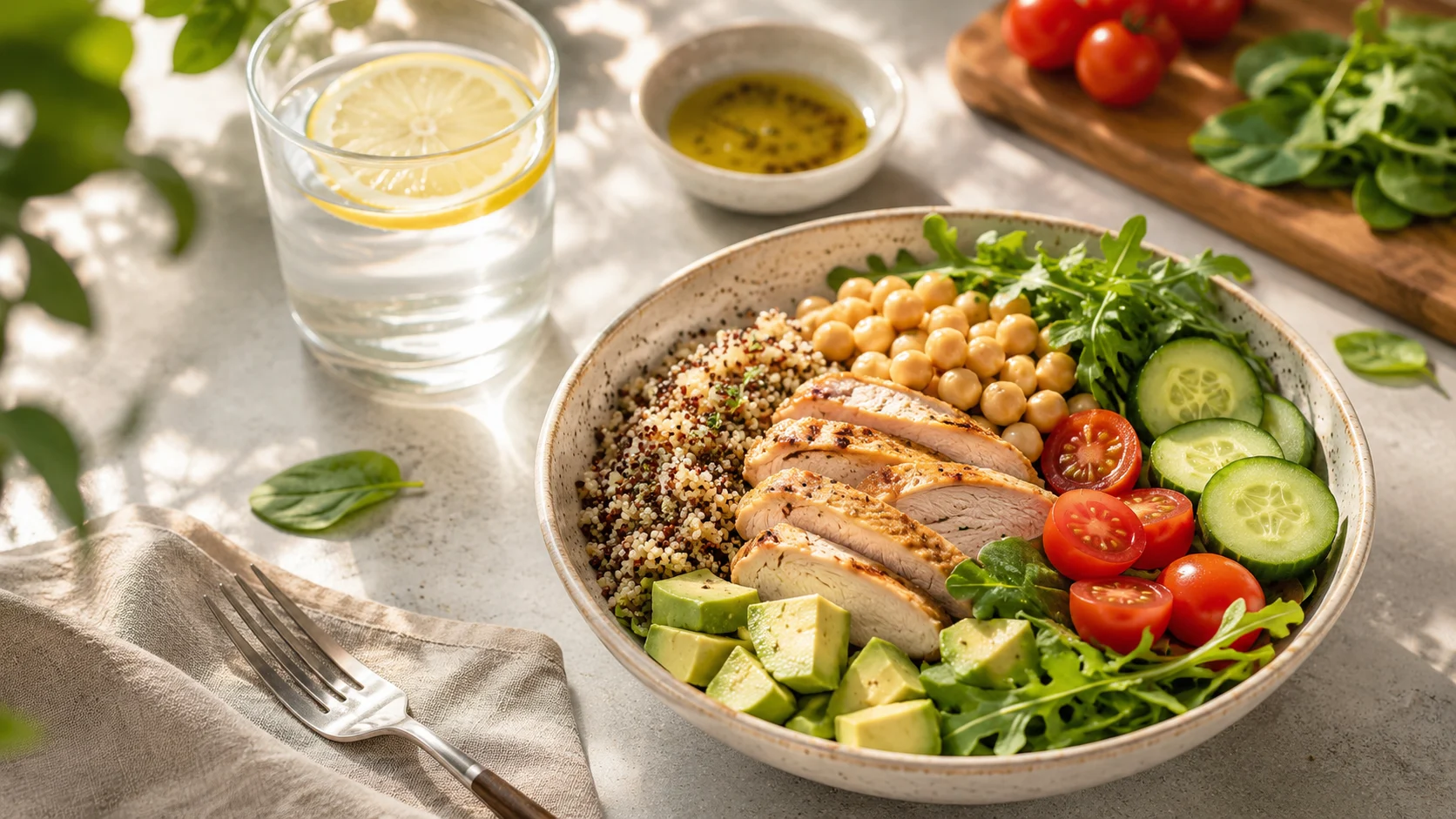
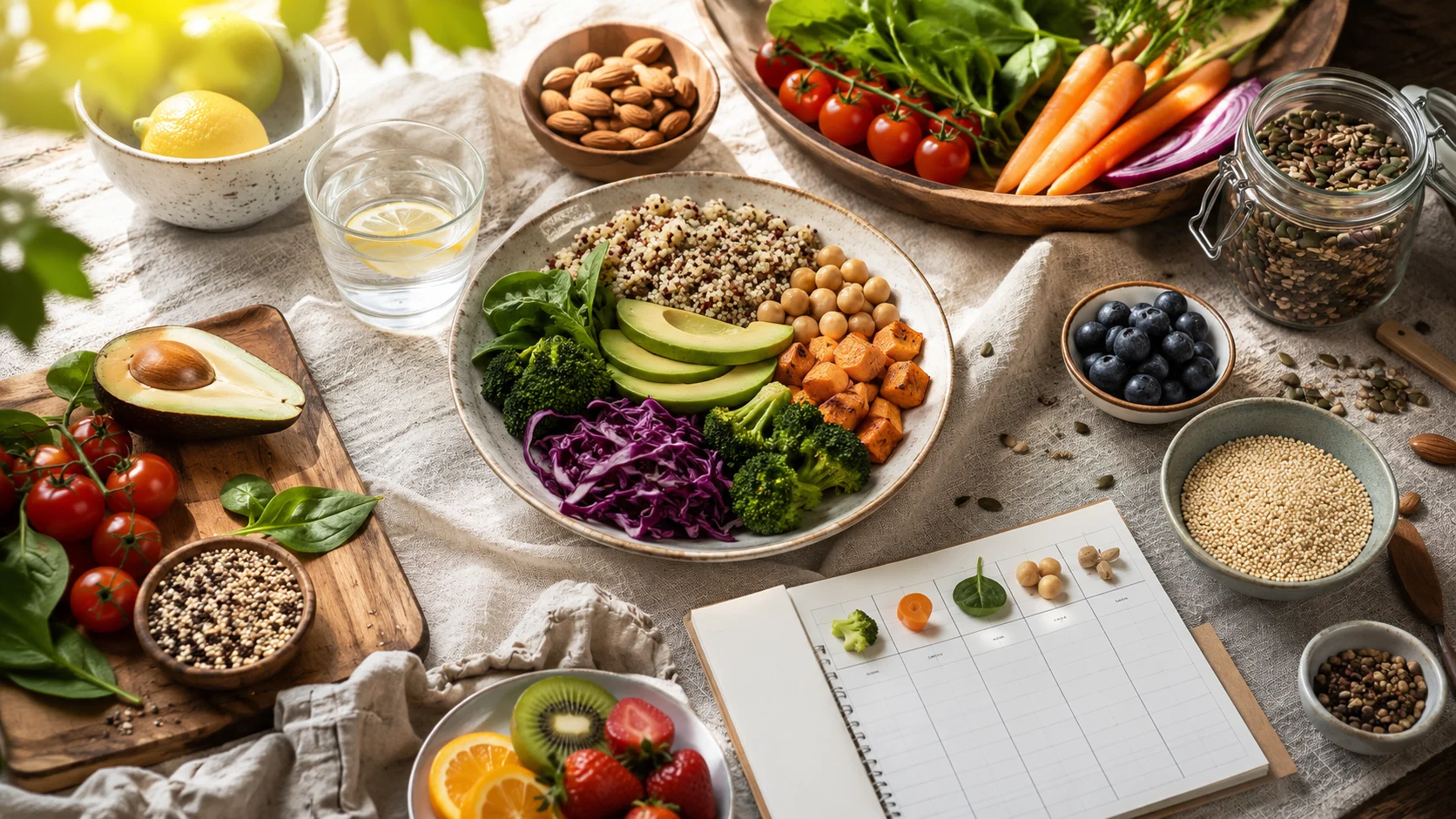
When people ask, what is the mediterranean diet, they are usually describing a pattern centered on vegetables, fruits, beans, whole grains, olive oil, nuts, seafood, and meals that feel simple and grounded. It is often praised for heart health, and there is good reason for that. Large studies have linked Mediterranean-style eating with better cardiovascular outcomes, which matters because kidney and heart health are often closely connected.

Still, a renal diet may need to limit or modify some foods that a Mediterranean pattern encourages freely. Beans, lentils, tomatoes, dairy, nuts, seeds, and whole grains can all be nourishing foods, yet some may need portions adjusted depending on potassium or phosphorus needs.
The most nourishing diet is not always the most popular one. It is the one that meets the body where it is.
So if someone wonders whether a Mediterranean approach is “allowed,” the gentler answer is this: some Mediterranean habits may fit beautifully, but the renal version often needs personalization.
What this can look like on an ordinary weekday
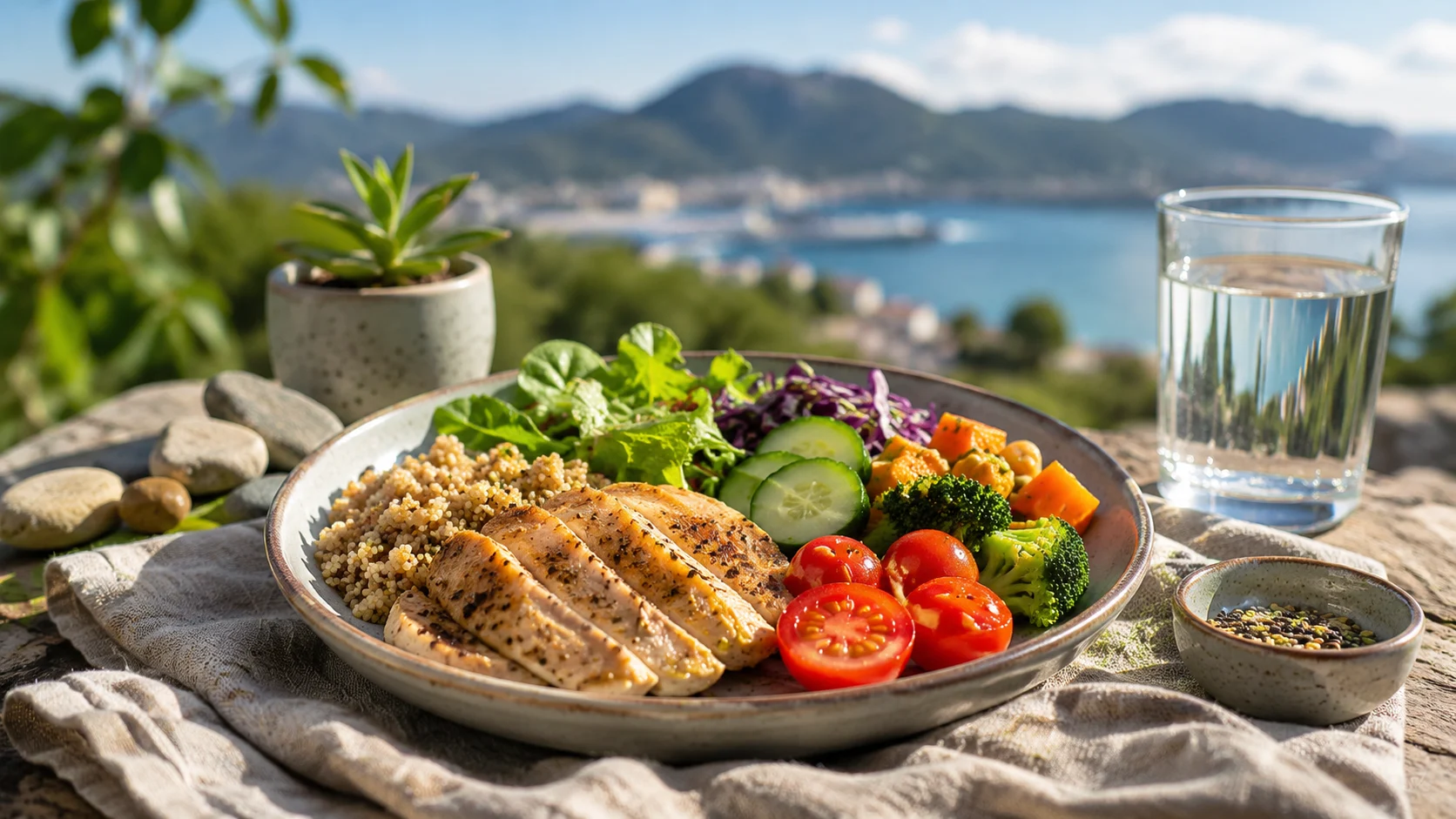
For the woman standing in her kitchen at 6:40 p.m., too tired to decode nutrition labels, a renal diet does not have to look clinical. It may be a plate of white rice with herbed chicken, roasted green beans, and a little olive oil. It may be pasta with garlic, shredded cabbage, and a side of tender fish instead of a heavily salted jarred sauce. It may be choosing fresh fruit that matches her care plan, then eating it slowly at her desk between meetings.
This is where the question what is the mediterranean diet can still be useful. Its spirit—olive oil, simple meals, less processed food, shared comfort—can offer inspiration. But the details of a renal diet still come first.
A few gentle anchors can help:
- Build around fresh, lower-sodium basics. Think cooked grains, simple proteins, and vegetables chosen with kidney needs in mind.
- Let flavor come from herbs, lemon, garlic, and olive oil. This keeps meals comforting without leaning so heavily on salt.
- Pause before calling a food “good” or “bad.” In kidney nutrition, context matters more than labels.
- Use guidance, not fear. A renal diet works best when it feels supportive enough to live with.
A softer way to hold all this information
Sometimes the hardest part is emotional, not nutritional. A woman may already have a complicated relationship with food, and then a renal diet arrives with more limits, more appointments, more uncertainty. In that moment, it helps to remember that eating for kidney support is not about perfection. It is about reducing unnecessary strain where possible, one ordinary meal at a time.
Please note: Every body has its own rhythm, and kidney nutrition can be deeply individual. This gentle guide is for educational purposes only and does not replace personalized advice from a physician or renal dietitian, especially if you have kidney disease, dialysis needs, diabetes, or fluid restrictions.
You Might Also Wonder
Can a renal diet include olive oil?
Often, yes. Olive oil is commonly used in a renal diet because it adds flavor and satisfaction without adding sodium, potassium, or phosphorus in the way some processed foods do.
If Mediterranean eating is considered healthy, why wouldn’t all of it fit a renal diet?
Because kidney needs can change how certain nutritious foods are handled. Foods like beans, tomatoes, nuts, and dairy may be helpful in one context but need portion changes in another.
Do I have to stop eating fruit on a renal diet?
Not usually. It is often more about which fruits and how much, depending on potassium needs. A renal dietitian can help make that feel less overwhelming.
Is a low-sodium diet the same as a renal diet?
No. Lowering sodium is often one part of a renal diet, but kidney-friendly eating may also involve potassium, phosphorus, protein, and fluids.
What if I feel anxious every time I plan a meal?
That feeling is more common than people admit. Start smaller than perfection: one simple meal, one label checked, one supportive adjustment. A renal diet is easier to live with when it is approached with steadiness instead of fear.



Leave a Reply