

The idea sounds simple, but the body is asking a deeper question
Many women meet the pink salt diet at a tired moment: a sluggish morning, a puffy afternoon, a stretch of eating that feels off rhythm. The promise often sounds neat and calming—add pink salt, sip a ritual, feel better. But the more honest answer is gentler: pink salt alone is not a meaningful nutrition strategy. What often helps more is a steady breakfast with protein, carbs, and hydration, especially on rushed mornings when energy crashes begin early.
The common myth is that fatigue or cravings mean a person needs a clever hack. Often, the body is asking for something less dramatic and more consistent. A pinch of salt may flavor food and help it feel satisfying, but it cannot replace a nourishing meal. That is where a more grounded approach can begin.
Body signals are not a character test. They are messages, often quiet at first, asking to be understood.
What the pink salt diet gets right—and where it quietly overpromises
There is nothing magical about Himalayan pink salt compared with other salts. It does contain trace minerals, but in such small amounts that they are not enough to transform energy, metabolism, or appetite on their own. The main nutritional role of pink salt is still sodium, much like table salt.
That does not mean it is “bad.” It may be enjoyable, beautiful on the table, and useful in cooking. But when the pink salt diet is framed as a shortcut for weight changes or dramatic balance, the story gets ahead of the science. Research consistently shows that overall eating patterns matter far more than a single ingredient. For example, adequate protein at breakfast has been linked with improved fullness and steadier appetite across the day.
For the woman standing in her kitchen with one hand on a coffee mug and the other scrolling wellness advice, the more supportive question is not “Which salt fixes this?” but “What would help breakfast carry me more gently into the day?”
The Morning Anchor Method
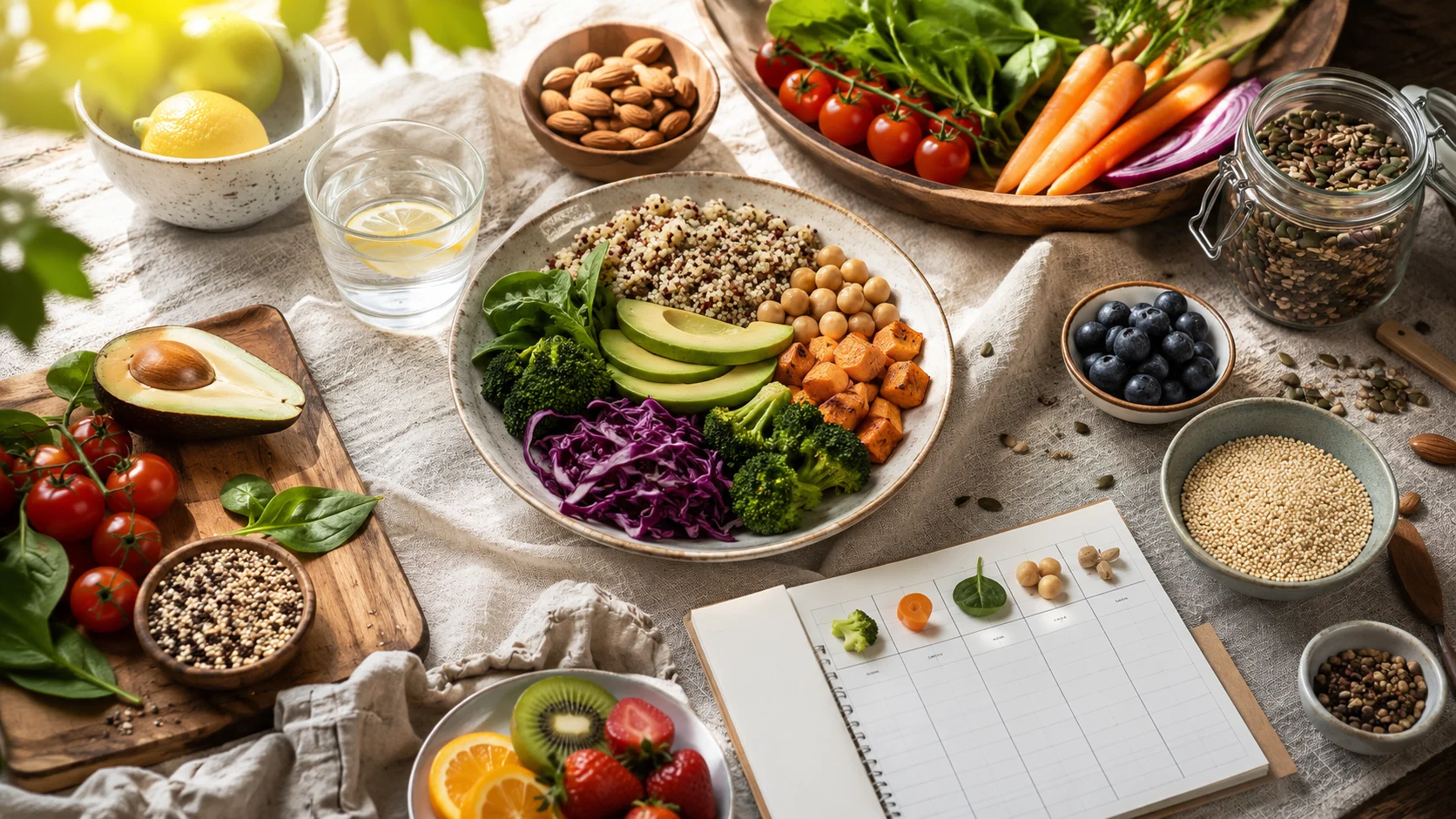
A simple framework can help here: The Morning Anchor Method. Instead of building breakfast around a trend, it builds breakfast around steadiness. Think of it as four soft supports:
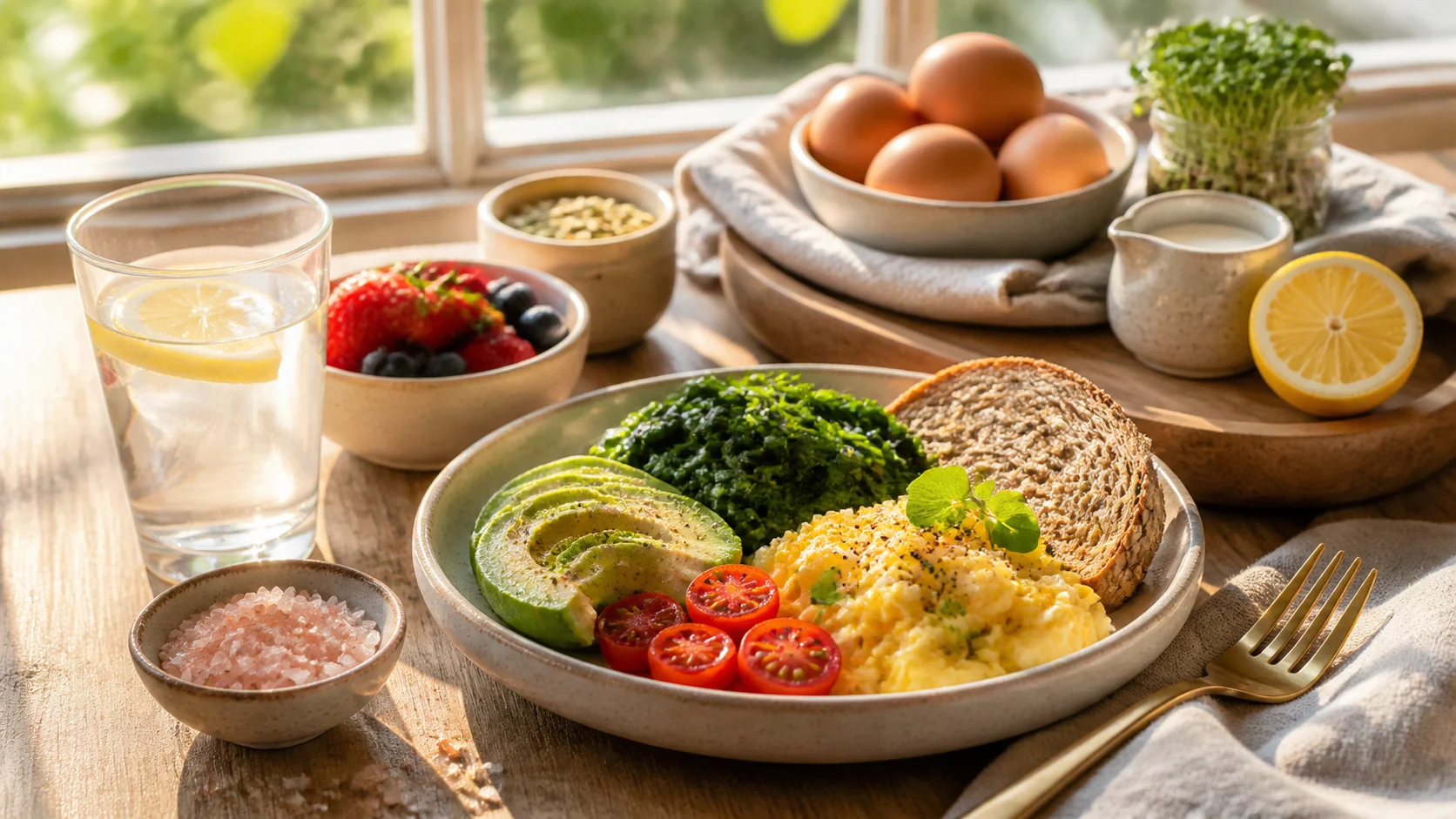
- Protein: something that gives the meal staying power—Greek yogurt with chia, eggs folded into warm toast, or cottage cheese beside fruit.
- Comforting carbs: not an enemy, but a landing place for energy—oats, toast, berries, or roasted sweet potato from last night’s dinner.
- Fat for ease: peanut butter swirled into oatmeal, avocado on toast, or crushed walnuts over yogurt.
- Flavor and hydration: a glass of water, tea, and yes, a sensible use of salt in food if desired.
This is where the conversation naturally connects with protein diet recipes breakfast ideas. Not because breakfast needs to be restrictive or diet-minded, but because many women simply feel better when the first meal includes enough protein to soften the late-morning crash.
A balanced breakfast does not have to be perfect to be protective. It only has to be present enough to support the next few hours.
Real-life breakfast ideas that feel steady, not strict
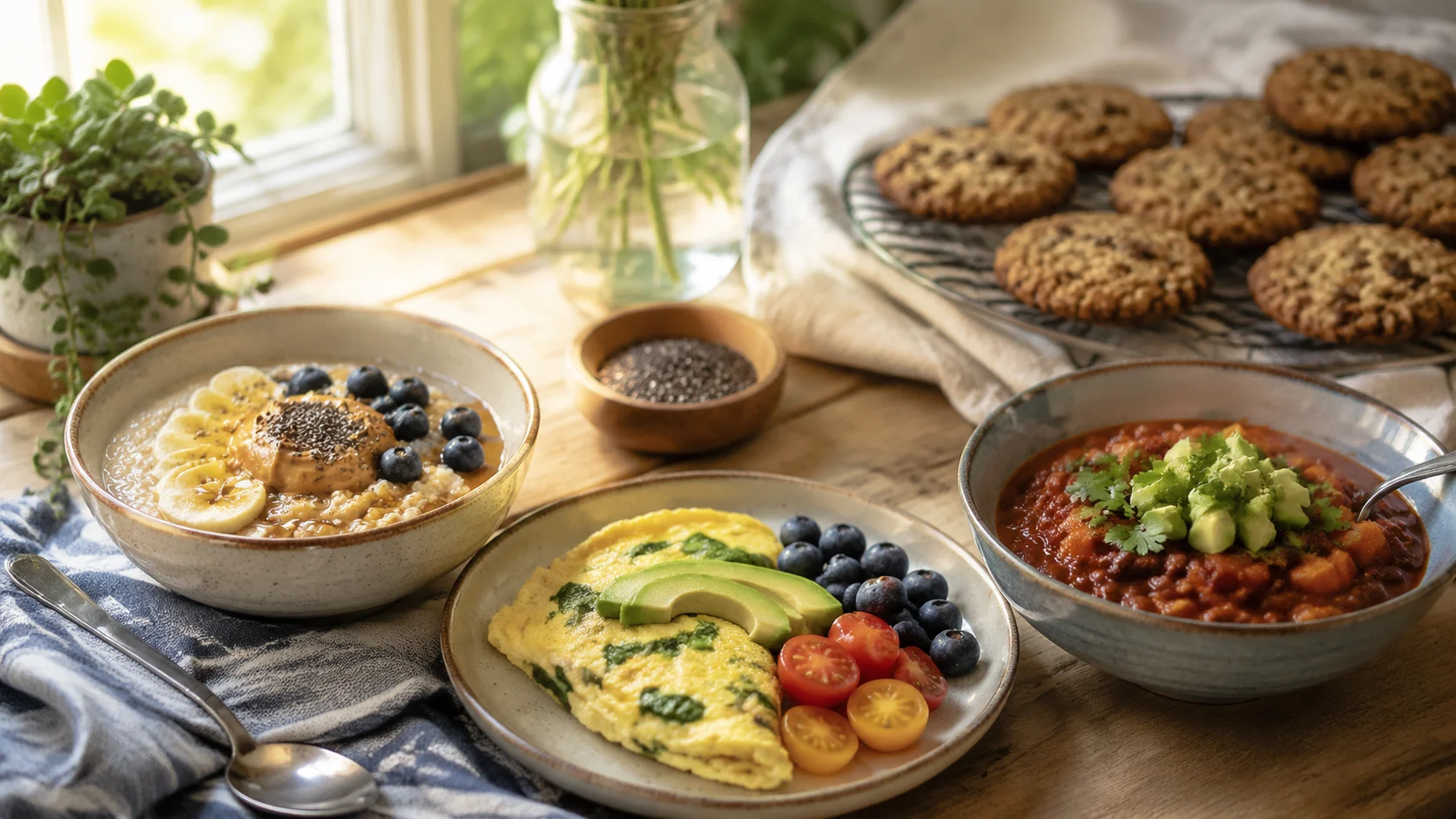
On busy mornings, support often looks ordinary. A bowl of thick yogurt with berries, pumpkin seeds, and a small drizzle of honey can do more for steady energy than a glass of water with pink salt alone. Two eggs on toast with avocado and sliced tomato can feel grounding before a long commute. Even a blender breakfast—milk, frozen berries, oats, peanut butter, and protein-rich yogurt—can be enough when the day begins in a rush.
Women searching for protein diet recipes breakfast inspiration are often not looking for perfection. They are looking for relief: something easy, satisfying, and realistic. The most helpful breakfasts are often the ones that can survive a real Tuesday.
If pink salt is part of that breakfast—sprinkled over eggs, stirred into savory oats, or used in cooking—it can absolutely belong there. The difference is that it becomes a detail, not the whole plan.
When a trend feels appealing, it may be pointing to an unmet need
Sometimes the appeal of the pink salt diet is emotional as much as nutritional. It offers structure, and structure can feel comforting when eating has felt chaotic. But the deeper need may be steadier meals, more enoughness in the morning, or permission to stop chasing tiny fixes.
One observational thread seen across nutrition research is that higher-protein breakfasts, often around 20–30 grams of protein, may help with fullness and energy regulation for many adults. Not because protein is a moral virtue, but because the body tends to notice when it has been properly fed.
So if this trend has caught someone’s attention, there is no need for shame. Curiosity can simply be redirected. Instead of asking pink salt to do too much, she might let it season a breakfast that truly supports her.
Please note: Every body has its own rhythm, and sodium needs can vary depending on health conditions, medications, activity, and climate. This gentle guide is for educational purposes and does not replace personalized advice from a healthcare professional, especially for anyone managing blood pressure, kidney concerns, or fluid balance.
You Might Also Wonder
Is the pink salt diet harmful?
It depends on how it is used. Pink salt as a seasoning is generally just that—a seasoning. The concern begins when a person relies on it as a substitute for balanced meals or uses high amounts despite being sensitive to sodium.
Can pink salt help with energy in the morning?
For most people, energy is more likely to improve from eating enough, especially a breakfast with protein and carbohydrates, plus hydration. Pink salt alone is unlikely to create a major shift.
What if breakfast sounds unappealing when stress is high?
A small start still counts. A drinkable smoothie, a piece of toast with nut butter, or yogurt with fruit can be gentler than forcing a large meal. The body often responds well to consistency, even in modest amounts.
Do I need elaborate protein diet recipes breakfast plans?
Not at all. A few repeatable combinations often work best: eggs and toast, yogurt bowls, oatmeal with nuts and milk, or a simple smoothie. Real-life ease matters more than novelty.
Can I still enjoy pink salt if I like it?
Absolutely. It can be part of a satisfying kitchen routine. The kindest approach is to let it add flavor, while the meal itself carries the real nourishment.
Leave a Reply