

When More Fiber Feels Like Relief, Not Restriction
Many women assume hemorrhoids are only about strain, pain, or not drinking enough water. But often, the deeper issue is that the body has been moving through the day without enough softness, rhythm, and digestive support. A high fiber diet and hemorrhoids are closely connected because fiber can help stools stay easier to pass, which may reduce pressure during bowel movements. The goal is not perfection. It is more comfort, more ease, and less bracing.
When she is rushing between meetings, skipping lunch, then eating whatever is quickest at night, digestion often starts to feel tense. That tension can show up in quiet ways first: harder stools, longer time in the bathroom, a feeling of pushing instead of releasing. This is where a gentle fiber shift can matter.
“The body is not asking to be controlled more fiercely. It is often asking to be supported more consistently.”
Research has long observed that increasing fiber can help improve stool frequency and softness, and some clinical guidance notes that a daily fiber intake around 25 to 30 grams may support people dealing with hemorrhoid-related discomfort. Not overnight, not magically, but steadily.
The Soft Passage Principle
A helpful way to think about this is the Soft Passage Principle: fiber works best when it is paired with enough fluid, regular meals, and less all-or-nothing eating. Fiber is not a harsh fix. It is more like laying down a softer path so the body does not have to force its way through.
There are two broad kinds of fiber, though they rarely need to be separated rigidly in daily life. Some fiber helps hold water in the stool, making it easier to pass. Some adds bulk and supports regularity. In real-life meals, both often arrive together: in a bowl of oats with berries, in warm lentil soup, in roasted vegetables tucked beside rice, or in an apple eaten standing at the kitchen counter before the evening rush begins again.
For readers also experimenting with a high protein diet, this matters even more. Protein can be satisfying and supportive for steady energy, but when meals become very protein-heavy without enough fiber or hydration, digestion may feel slower and stools may become firmer. It is not that protein is the problem. It is that the plate may need more balance.
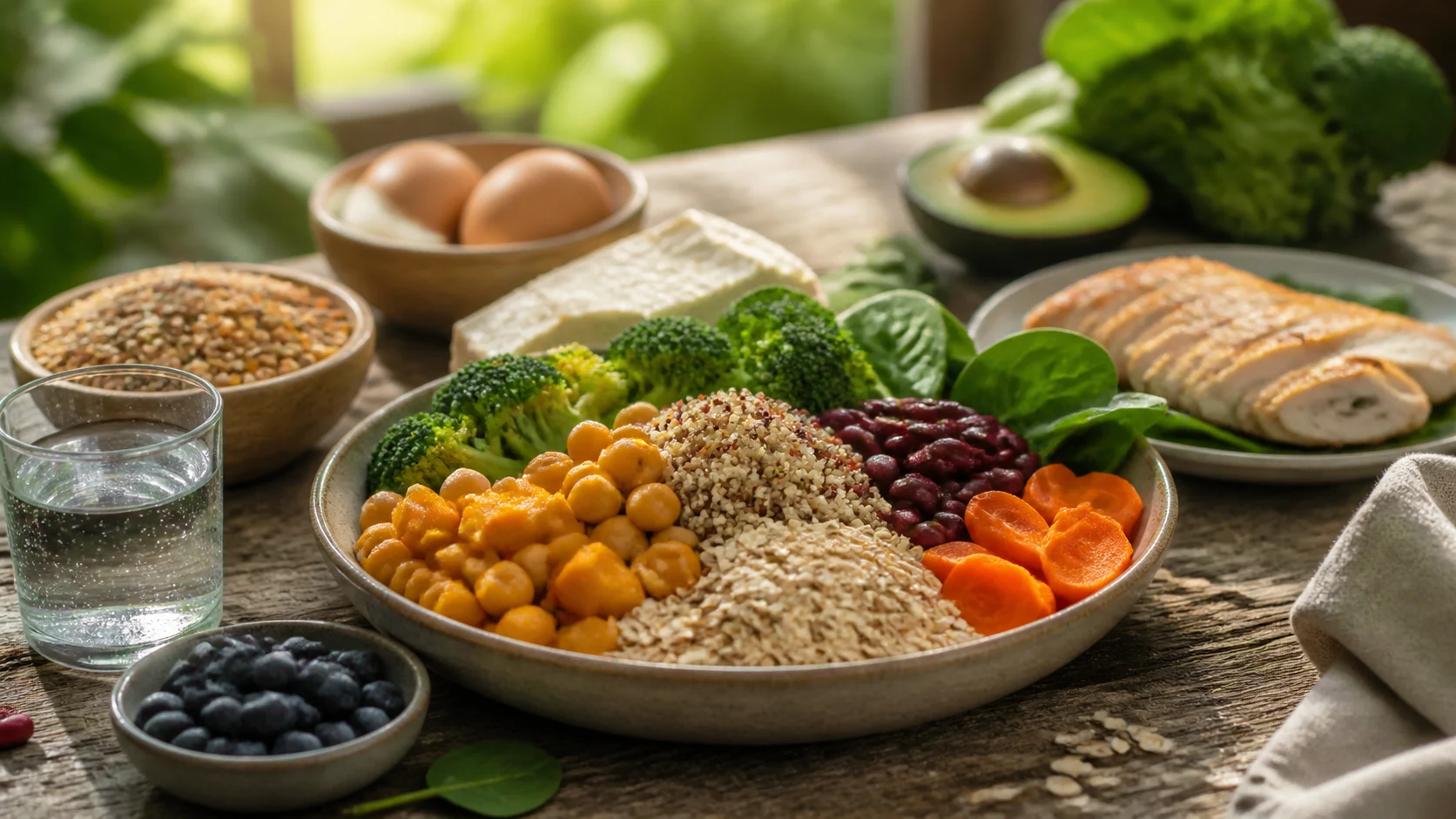
What a Gentle Plate Looks Like on a Busy Day
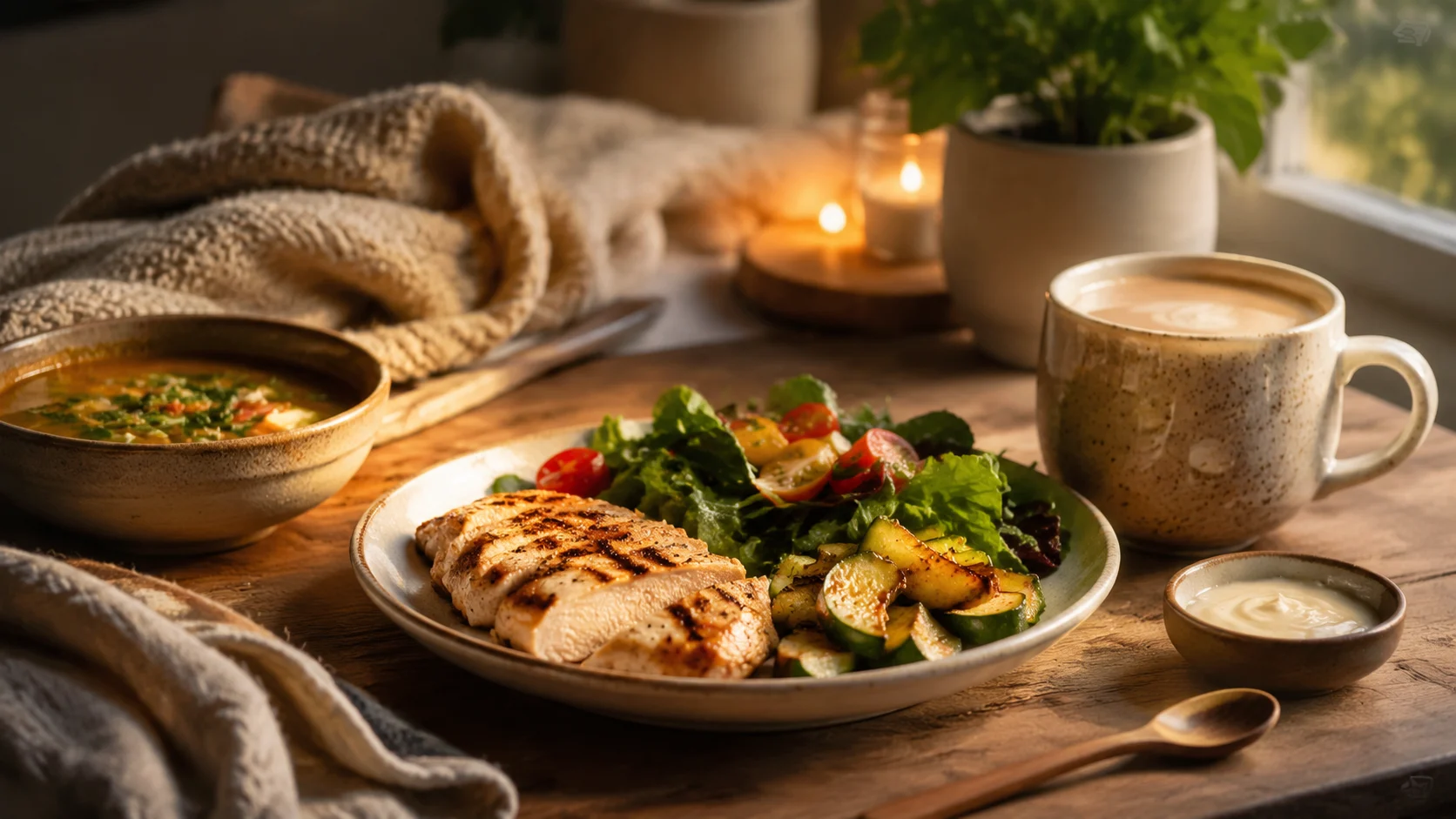
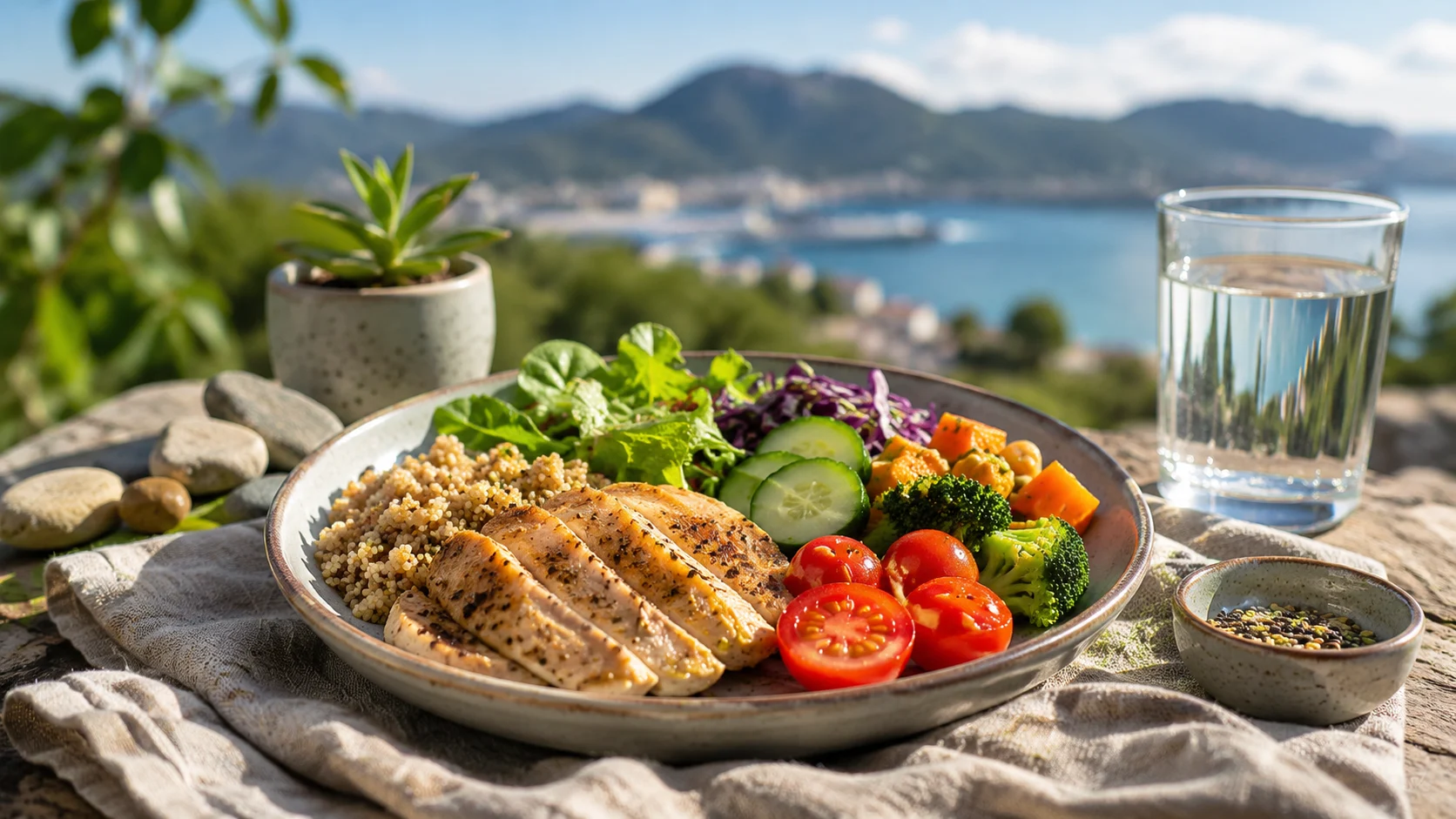
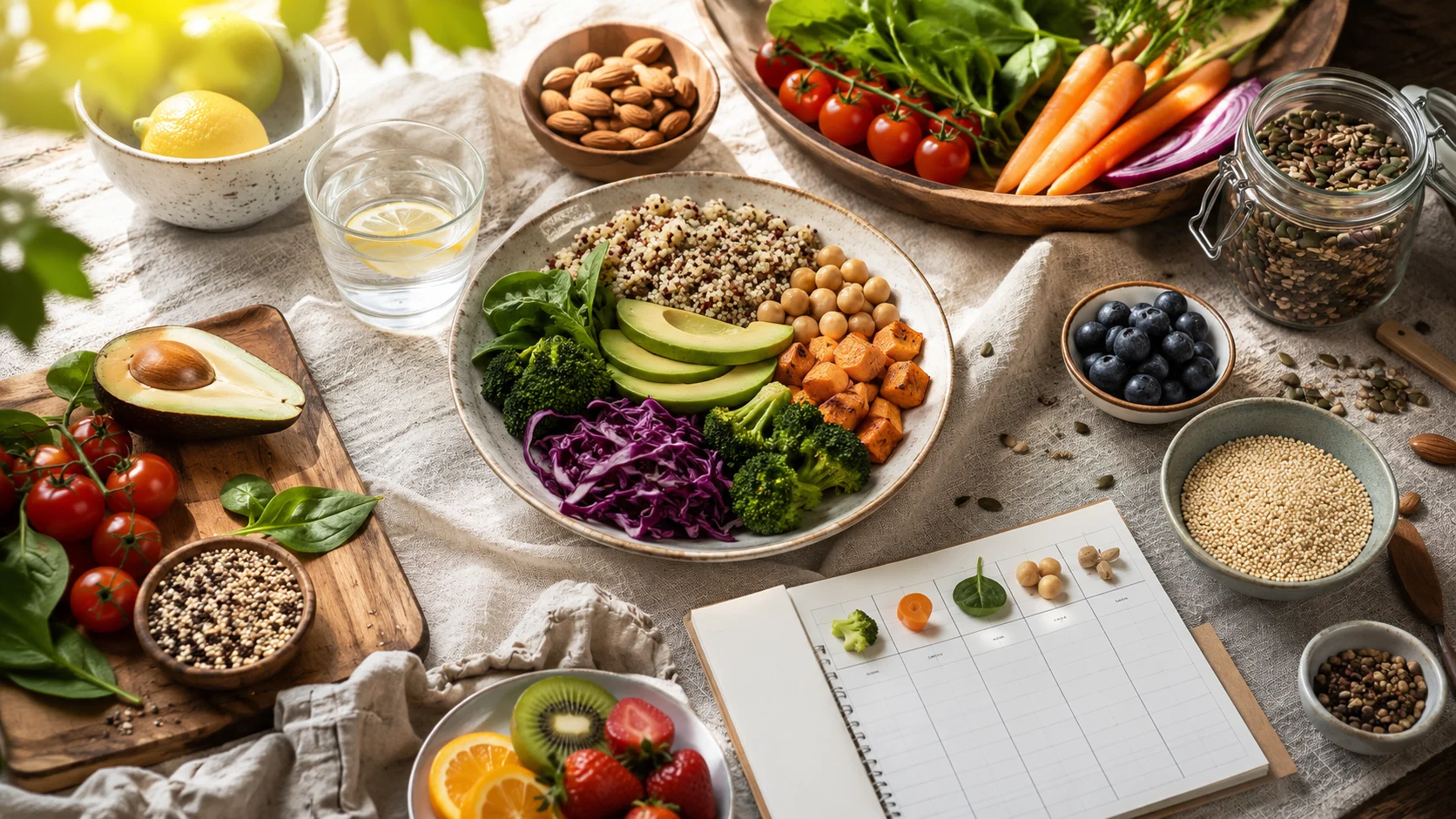
A supportive meal for high fiber diet and hemorrhoids does not need to look expensive or overly planned. It can be ordinary and still deeply helpful.
- At breakfast: a warm bowl of oatmeal with chia seeds and sliced pear. The texture itself feels kind, and the soluble fiber can help support easier bowel movements.
- At lunch: a grain bowl with brown rice, black beans, avocado, and roasted zucchini. This brings fiber, fat, and staying power without asking for complicated rules.
- At dinner: baked salmon with sweet potato and a side of tender greens drizzled with olive oil. This is especially helpful when someone wants the steadiness of a high protein diet without letting vegetables disappear from the plate.
- For snacks: a kiwi, a handful of almonds, or whole grain toast with peanut butter. Small moments of nourishment can keep digestion from swinging between extremes.
The gentlest shift is often not “eat more fiber” in the abstract. It is adding one soft, fiber-rich food to the meals already happening.
Why Going Too Fast Can Backfire
Some women hear that fiber helps and immediately pile on bran cereal, raw salads, and supplements all at once. Then come the cramps, bloating, and frustration. The body can read that as another hard swing.
With high fiber diet and hemorrhoids, slower is often kinder. Increase fiber gradually over several days or weeks. Drink enough water so fiber has what it needs to do its work. If a person is following a high protein diet, it can help to pause and notice whether meals have become dry, dense, or low in produce. A plate that leans heavily on chicken, shakes, bars, or eggs without fruit, beans, oats, or vegetables may support fullness but not always digestive ease.
“Relief often begins when nourishment stops feeling like a performance and starts feeling like care.”
The Quiet Habits That Help More Than People Expect
Food matters, but so do the small rituals around it. Ignoring the urge to go, sitting too long and straining, or eating every meal in a state of rush can make the body feel less cooperative. A gentle digestive rhythm often grows from a few quiet anchors:
- Responding to body signals early: waiting too long can make stools harder and harder to pass.
- Using a footstool in the bathroom: changing posture may make bowel movements feel more natural.
- Making room for fluids: water, soups, herbal tea, and watery fruits all support the work fiber is trying to do.
- Choosing cooked produce when digestion feels sensitive: sometimes soft roasted carrots or stewed apples feel easier than a huge raw salad.
Please note: Every body has its own rhythm. This gentle guide is for educational purposes and does not replace personalized advice from a healthcare professional. If hemorrhoid symptoms are severe, persistent, or include bleeding, it is important to check in with a qualified clinician.
You Might Also Wonder
Can fiber make hemorrhoids feel worse at first?
Yes, sometimes. If fiber is increased too quickly or without enough fluids, bloating or discomfort can show up first. A slower pace is often easier on the body.
What if I am eating a high protein diet and feel constipated?
That can happen when protein starts crowding out fiber-rich foods and hydration. Keeping protein, fruit, vegetables, beans, or whole grains together on the same plate often helps more than cutting protein entirely.
Are raw vegetables always the best choice for digestive support?
Not always. For some people, cooked vegetables, oatmeal, soups, and soft fruits feel gentler than large raw salads, especially when digestion already feels irritated.
How long does a high fiber diet and hemorrhoids support plan take to help?
Some people notice easier bowel movements within days, while for others it takes longer. The body usually responds better to steady habits than sudden overhauls.
Do I need to count grams of fiber every day?
Not necessarily. Tracking can help some people, but many do well by simply adding consistent fiber-rich foods across the day and noticing whether digestion feels softer and more regular.
Leave a Reply