

When Kosher Eating Becomes a Form of Care, Not Control
Many women assume a diet kosher approach is mostly about rules. In real life, it can also become a quiet structure that supports steady energy, satisfying meals, and a more grounded relationship with food. When built with enough protein, color, and a high fiber diet mindset, kosher eating does not have to feel rigid. It can feel like rhythm.
There is a common misunderstanding here: people often think food structure automatically creates food stress. But structure and shame are not the same thing. For some women, a thoughtful kosher pattern offers less chaos around meals, which can make nourishment feel more reachable on busy days.
Body trust rarely grows through harsher rules. It grows when meals feel steady, safe, and supportive.
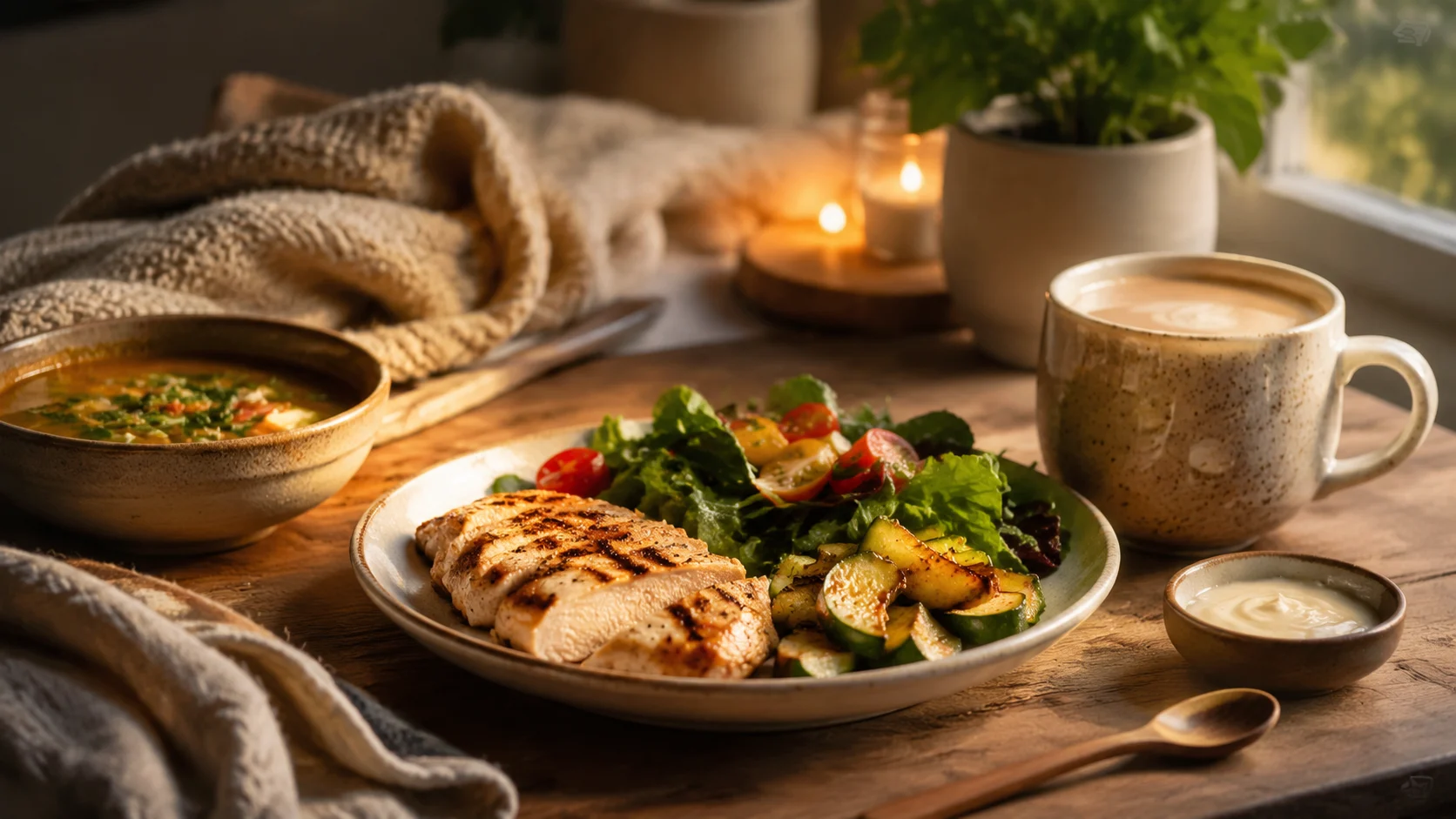
Picture the woman standing in her kitchen at 6:40 p.m., tired, a little hungry, and too drained to invent dinner from nothing. A gentle diet kosher routine can help her fall back on familiar building blocks: baked salmon, roasted carrots, rice, a cucumber salad with olive oil, or a bowl of lentil soup with toasted whole grain bread. Not perfect. Just balanced enough to carry her through the evening with more ease.
The “Steady Plate Pairing” That Makes Kosher Meals Feel Easier
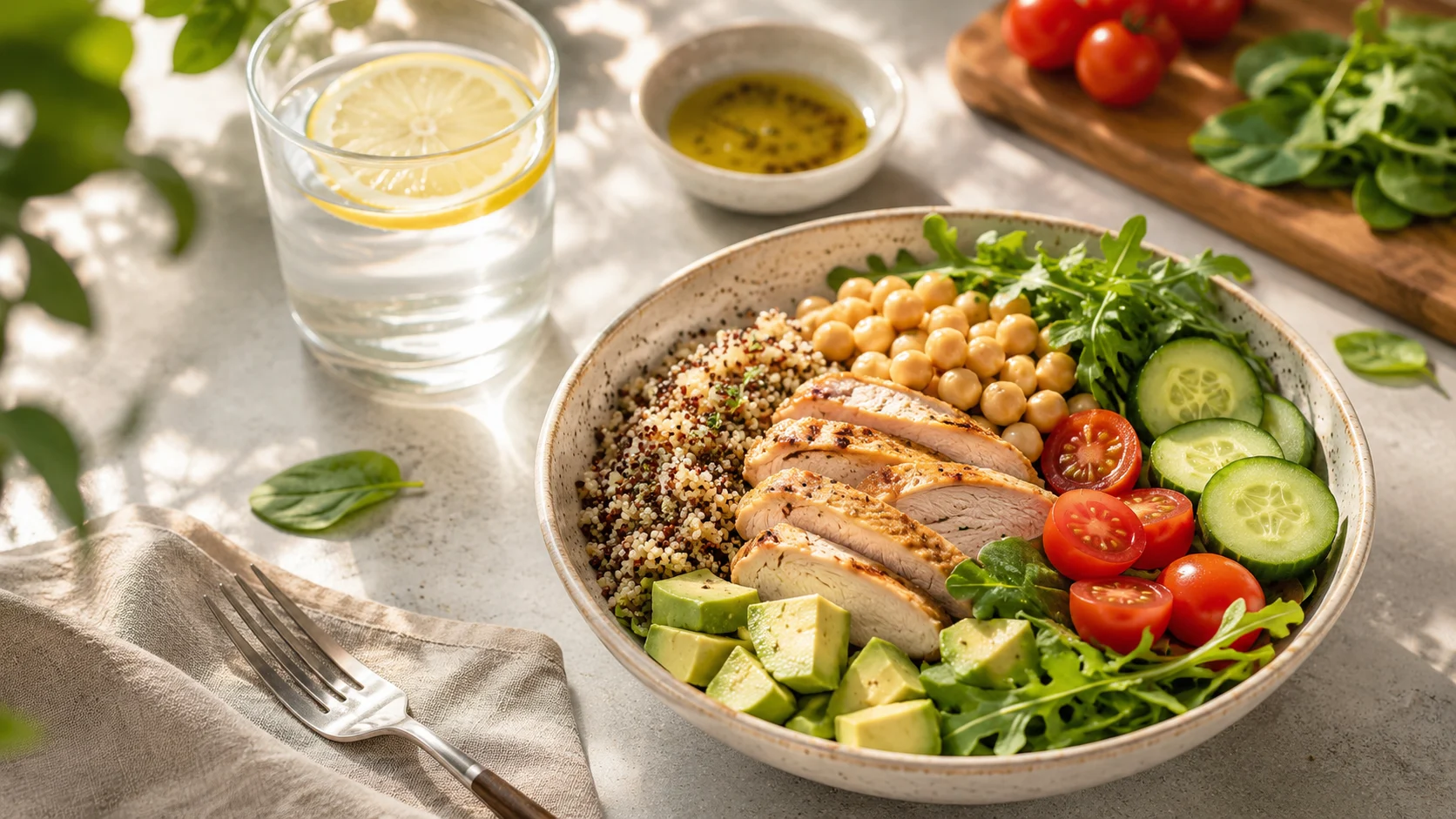
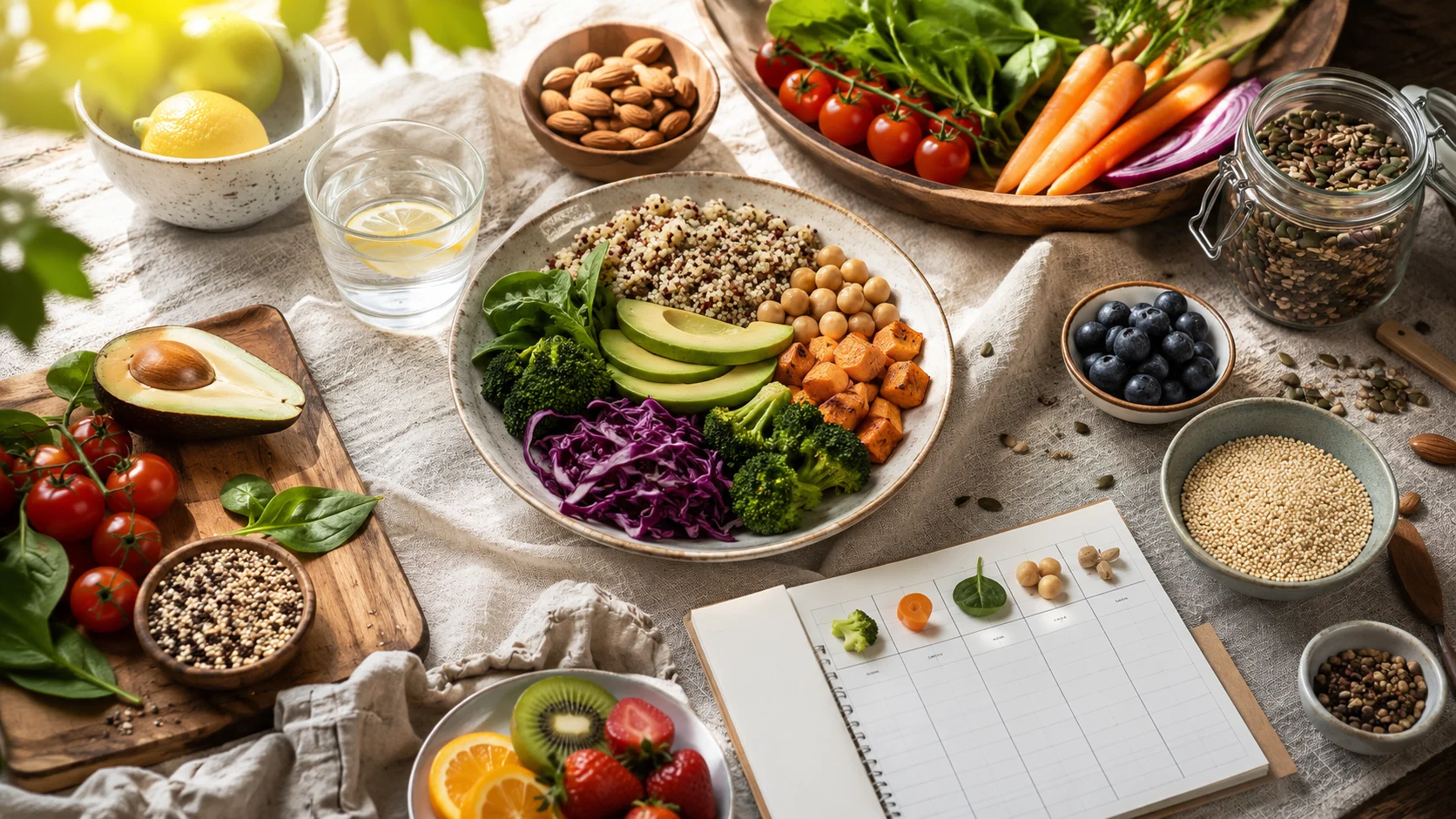
One helpful micro-framework is the Steady Plate Pairing: choose one grounding protein, one comforting fiber source, and one gentle color. It is simple enough for real life and flexible enough for kosher kitchens.
- Grounding protein — grilled fish, eggs, Greek yogurt, beans, lentils, or chicken. This gives the meal staying power, especially on afternoons when energy tends to dip.
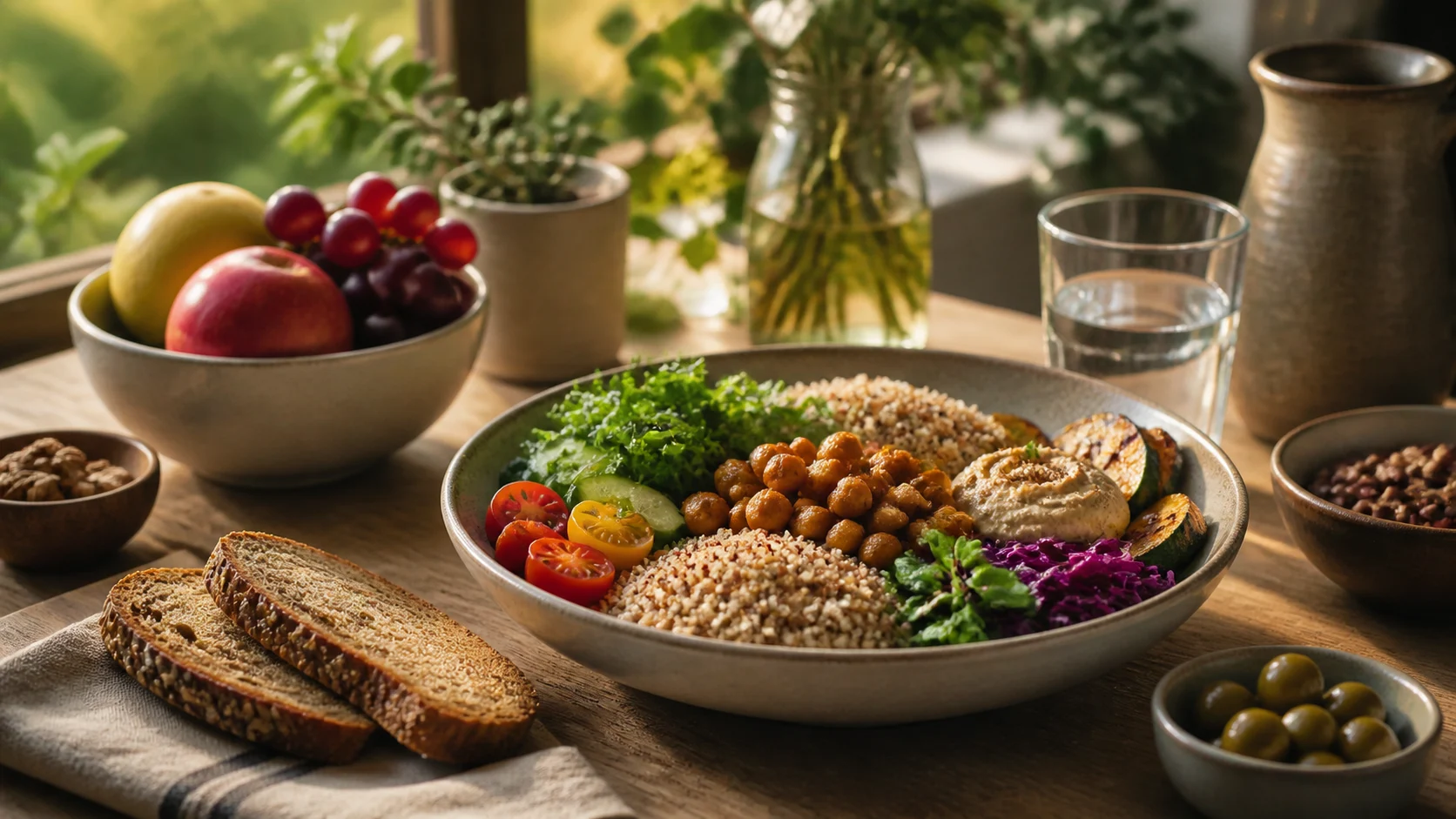
- Comforting fiber source — barley, brown rice, oats, chickpeas, sweet potato, or whole grain crackers. This is where a high fiber diet becomes less of a nutrition slogan and more of a lived experience.
- Gentle color — roasted zucchini, berries, tomatoes, spinach, or a crisp apple. Color often brings not only nutrients, but also freshness and satisfaction.
Research has repeatedly linked higher fiber intake with better digestive health and improved fullness. In the U.S., women are generally advised to aim for about 25 grams of fiber per day, yet many fall short. That does not mean every meal needs to become a math problem. It simply means small choices, repeated often, matter.
A peaceful meal is not the one with the fewest carbs. It is the one that helps the body stop feeling chased.
Where a High Fiber Diet Fits Into a Kosher Pattern
A diet kosher pattern can hold plenty of fiber without becoming overly complicated. Fiber lives in foods that often already feel familiar: beans simmered into soup, pears eaten over the sink between meetings, tahini drizzled over roasted cauliflower, or oatmeal warmed on a slow morning.
For women trying to build a high fiber diet gently, it may help to think in scenes rather than rules:
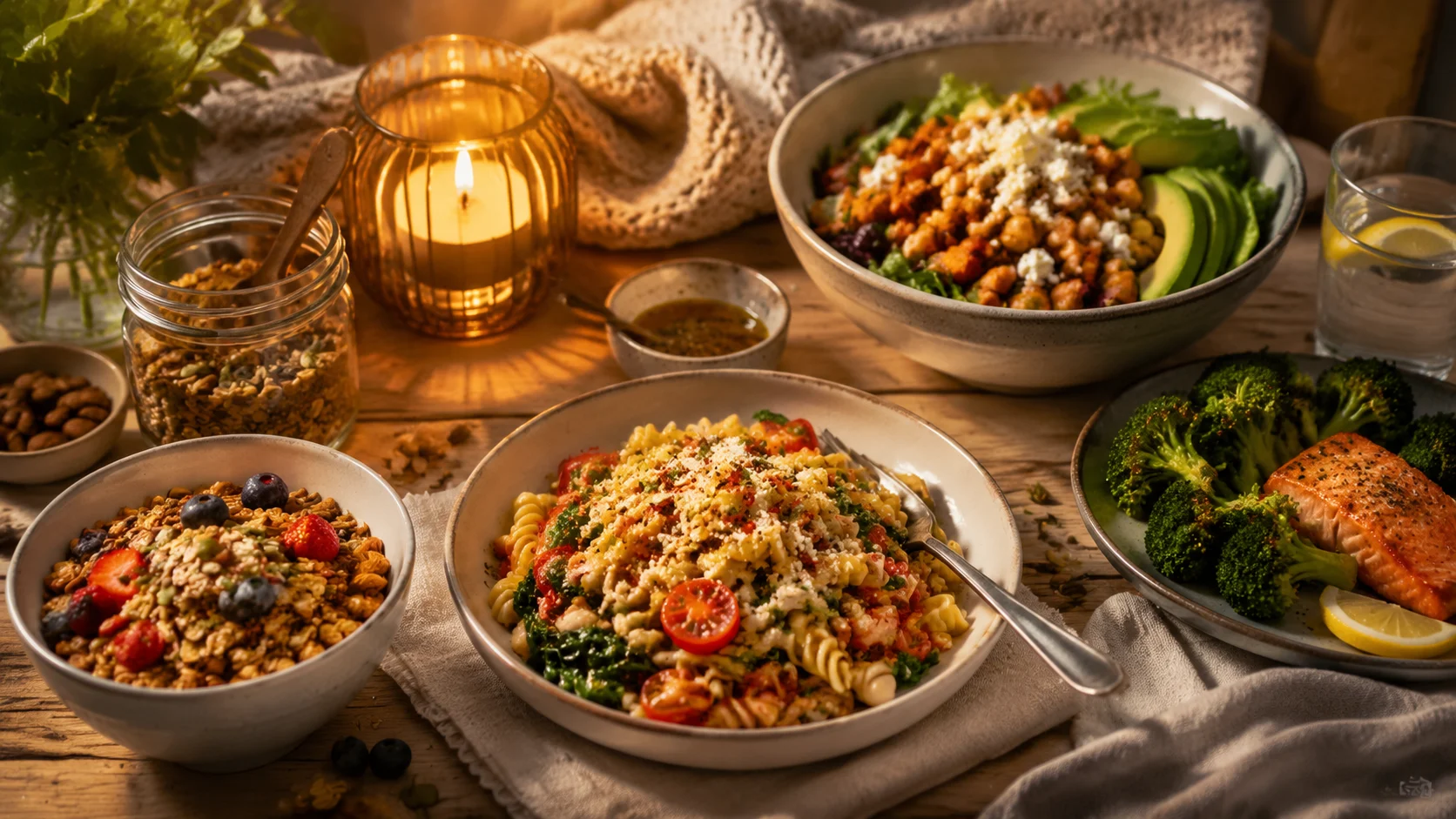
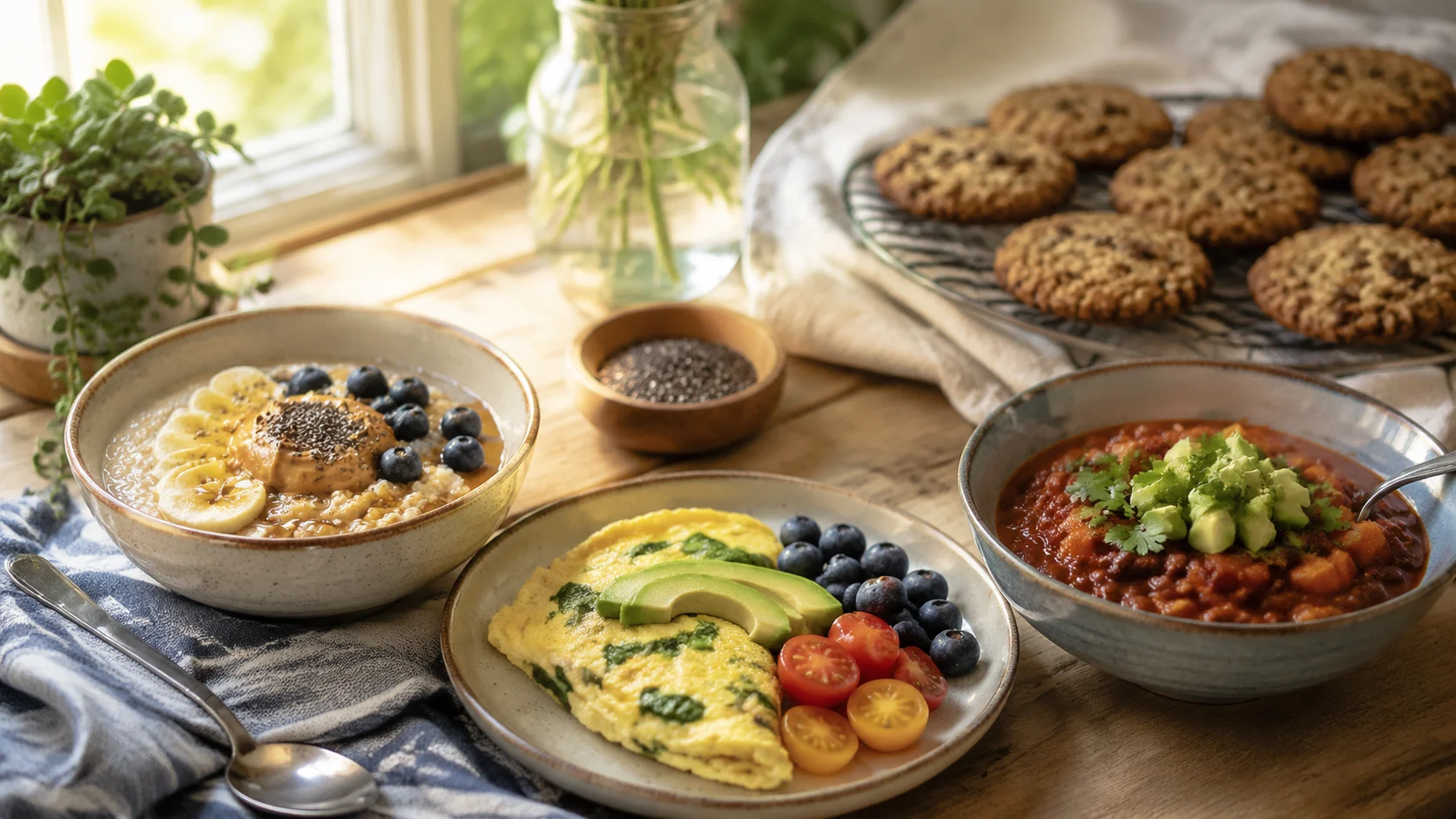
- Breakfast that lingers kindly — a bowl of oatmeal with chopped walnuts and berries, or yogurt with chia seeds and fruit if that fits the meal pattern.
- Lunch that does not disappear in an hour — a quinoa salad with chickpeas, cucumbers, herbs, and olive oil, or a tuna plate with whole grain toast and sliced vegetables.
- Dinner that softens the evening — lentil stew, roasted vegetables, and rice; or baked chicken with sweet potato and green beans.
When fiber increases, water matters too. The body tends to welcome fiber best when it arrives with fluids, enough food overall, and a little patience.
The Emotional Side of Eating Kosher
Some women come to kosher eating through faith, family, or cultural identity. Others are simply trying to understand how to make their meals feel more intentional. Either way, the emotional tone matters. If every food choice feels like a test, even the most carefully planned diet kosher routine can become draining.
Joyini’s gentler lens is this: meals work better when they support both the body and the nervous system. That may mean keeping easy staples nearby, repeating simple favorites, and not expecting creativity from oneself on exhausted nights. It may also mean noticing whether “healthy eating” has quietly turned into self-pressure.
A kosher eating pattern can be nourishing without becoming perfectionistic. A high fiber diet can support fullness without becoming another set of numbers to chase. The goal is not to perform wellness. The goal is to feel held by what is on the plate.
Small Shifts That Make This Feel Sustainable
- Start with one fiber anchor a day — perhaps lentils at lunch or berries at breakfast. One reliable habit is more useful than an ambitious overhaul.
- Build around familiar kosher staples — canned beans, eggs, fish, whole grain bread, soups, fruit, and roasted vegetables can carry a week with very little drama.
- Let comfort stay on the plate — rice, potatoes, challah, or noodles can still belong. Balanced eating is often more sustainable when comfort is included.
- Notice energy, not just ingredients — the most supportive meal is often the one that helps her feel calm, satisfied, and less likely to spiral into random snacking later.
Please note: Every body has its own rhythm, and every kosher practice may differ depending on tradition, household, and personal needs. This gentle guide is for educational purposes only and does not replace personalized advice from a registered dietitian, healthcare professional, or trusted religious authority when needed.
You Might Also Wonder
What if I want to follow a diet kosher pattern but I am too busy to cook often?
Simple repeats can help more than elaborate plans. Rotisserie chicken, hard-boiled eggs, bagged salad, canned beans, fruit, and whole grain crackers can create steady meals with very little effort.
Can a high fiber diet feel uncomfortable at first?
It can, especially if fiber intake has been low. Increasing gradually and drinking enough water often makes the transition feel much gentler.
Do kosher meals have to be restrictive to be healthy?
No. A supportive kosher pattern can feel abundant, comforting, and balanced. Restriction is not the only form of structure.
What if I crave carbs often?
Frequent carb cravings can be a sign that meals are not filling enough overall. Pairing carbohydrates with protein and fiber often helps energy and satisfaction last longer.
Is it possible to practice diet kosher without food guilt?
Yes. That often begins when the focus shifts from perfection to nourishment, from proving discipline to understanding what helps the body feel steady.

Leave a Reply