

When the Label Feels Like a Decision About More Than Soda
Diet Coke vs Coke Zero often comes down to taste, caffeine, and how each one fits into real life—not whether someone is “being good.” For many women, the can in the afternoon is less about discipline and more about comfort, routine, and getting through a long day with a little more ease. That is why this comparison helps most when it is calm, practical, and free from food shame.
There is also a quieter misunderstanding hiding underneath this choice: people often assume a “diet” drink must automatically belong inside a diet for diet mindset. But a drink choice does not need to become a morality test. Sometimes it is simply about which flavor feels smoother with lunch, or which one leaves a steadier feeling in the body.
A Tale of Two Cans, and the Small Details People Actually Notice
At first glance, the two drinks can seem almost interchangeable. Both are sugar-free cola options from the same brand family. Yet their formulas were designed with a different experience in mind. Diet Coke has its own distinct flavor profile, lighter and a little sharper to many people. Coke Zero was created to taste closer to classic Coca-Cola, with a fuller cola feel.
| Feature | Diet Coke | Coke Zero |
|---|---|---|
| Overall taste | Lighter, crisper, slightly different from classic Coke | Designed to taste more like original Coca-Cola |
| Caffeine in a 12 oz can | About 46 mg | About 34 mg |
| Sugar | 0 g | 0 g |
| Calories | 0 | 0 |
That caffeine difference is not enormous, but some bodies notice small things. A woman sipping one with a late desk lunch may feel fine with either. Another may find that the slightly higher caffeine in Diet Coke feels a bit more buzzy if the day has already been full of coffee, skipped meals, and tension held in the shoulders.
Body signals are not a failure of discipline. They are often the body’s soft way of asking to be heard.
The “Sip and Settle” Framework
Instead of turning soda into a debate about perfection, it can help to use a simple lens: the Sip and Settle Framework. It asks not “Which drink is more virtuous?” but “Which one helps this moment feel easier?”
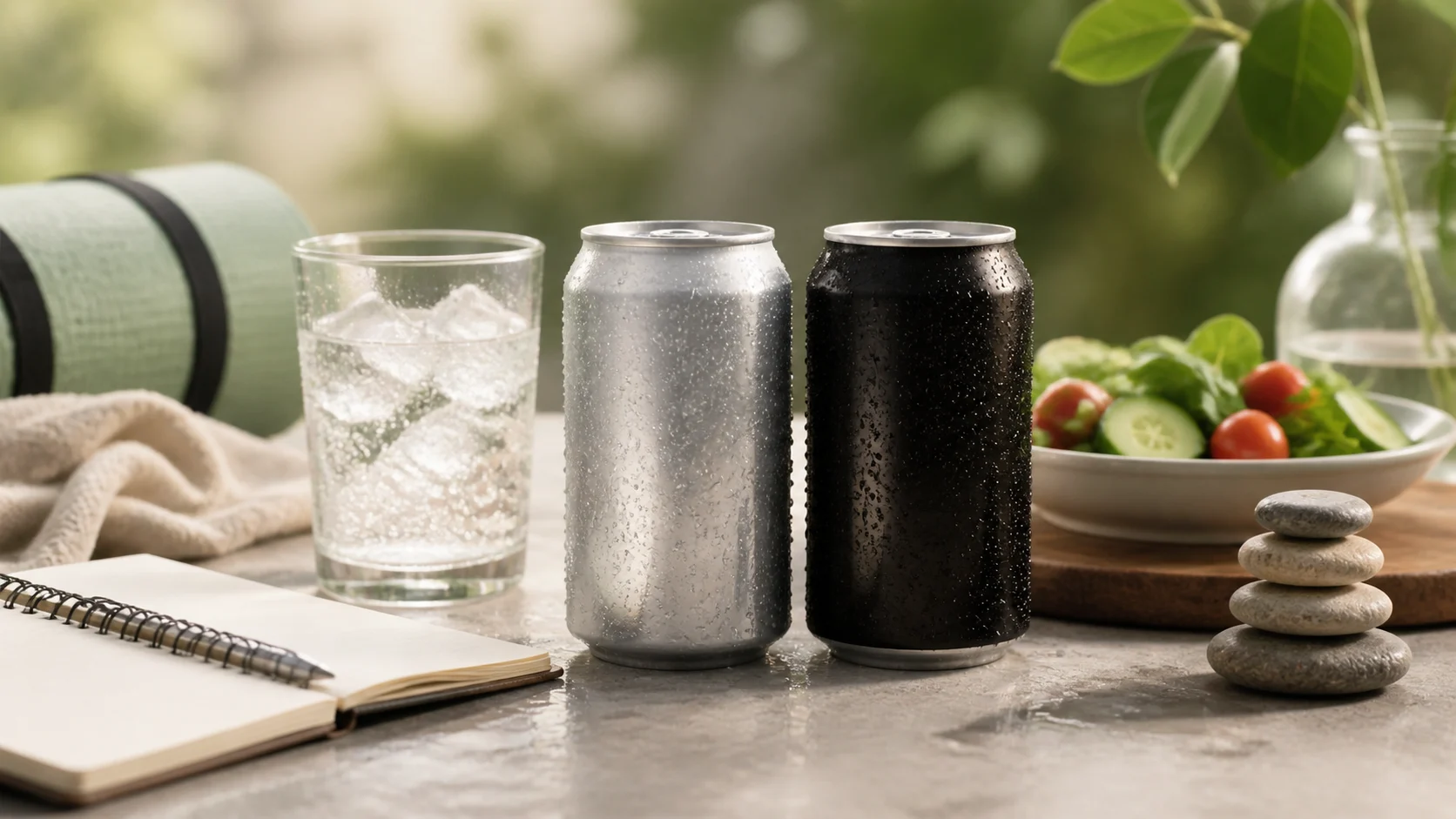
- Sip: Notice the flavor she actually enjoys. If one tastes more satisfying, that matters. Satisfaction often makes choices feel more peaceful and less loaded.
- Settle: Pay attention to how the body feels afterward. Some people are comfortable with either option, while others notice the caffeine, carbonation, or sweetness more clearly on an empty stomach.
- Support: Pair the drink with something grounding if the day has been chaotic—a turkey sandwich, a warm bowl of soup, or crackers with cheese can make the whole afternoon feel steadier.
This is where the phrase diet for diet can quietly lose its grip. The more someone learns to choose from support instead of self-punishment, the less every label has to carry emotional weight.
What Research Suggests, Without Turning It Into Fear
Research on low- and no-calorie sweetened beverages is still evolving, and context matters. Large health organizations generally note that these drinks can help some people reduce added sugar intake when used as a replacement for sugary beverages. At the same time, they are not a magic answer for energy, appetite, or nourishment.
There is also the caffeine piece. According to the FDA, up to 400 mg of caffeine a day is generally considered an amount not associated with dangerous, negative effects for most healthy adults. That does not mean every person feels the same at far lower amounts. Especially in women dealing with stress, poor sleep, PMS, or a barely-touched lunch, a modest caffeine difference can still feel meaningful.
A balanced choice is not the one that looks the most disciplined from the outside. It is the one that leaves more ease inside the body.
How This Choice Fits Into Gentle Nutrition
In a gentle nutrition lens, Diet Coke vs Coke Zero is not the main story. The main story is the larger pattern around it. If someone reaches for soda every afternoon because lunch was too small, because protein was missing, or because exhaustion keeps piling up, the body may be asking for more than bubbles and sweetness.
That does not mean she has done anything wrong. It may simply mean the day needs a little more nourishment woven into it: a more satisfying lunch, a snack before the late-afternoon slump, or a meal rhythm that makes steady energy more possible. When that foundation is in place, the choice between Diet Coke and Coke Zero can become what it really is—a preference, not a verdict.
Please note: Every body has its own rhythm. This article is for educational purposes and does not replace personalized advice from a healthcare professional, especially for anyone managing caffeine sensitivity, pregnancy, digestive concerns, or other health needs.
You Might Also Wonder
Is Diet Coke healthier than Coke Zero?
They are very similar nutritionally, with zero sugar and zero calories. For most people, the biggest difference is taste and caffeine rather than one being clearly “healthier.”
Why does Diet Coke sometimes feel stronger?
It contains a bit more caffeine per 12 oz can than Coke Zero. For someone who is tired, underfed, or already running on coffee, that small difference can feel larger in the body.
Can either drink fit into a balanced routine?
Yes. In a gentle approach, either can fit. What matters more is the overall pattern of meals, snacks, hydration, and whether the choice feels supportive rather than restrictive.
What if I keep craving soda every afternoon?
That craving may be about more than the drink itself. Sometimes the body is asking for stimulation, but sometimes it is quietly asking for food, rest, or a break from stress.

Leave a Reply