

When a “Quick Fix” Feels Like Relief
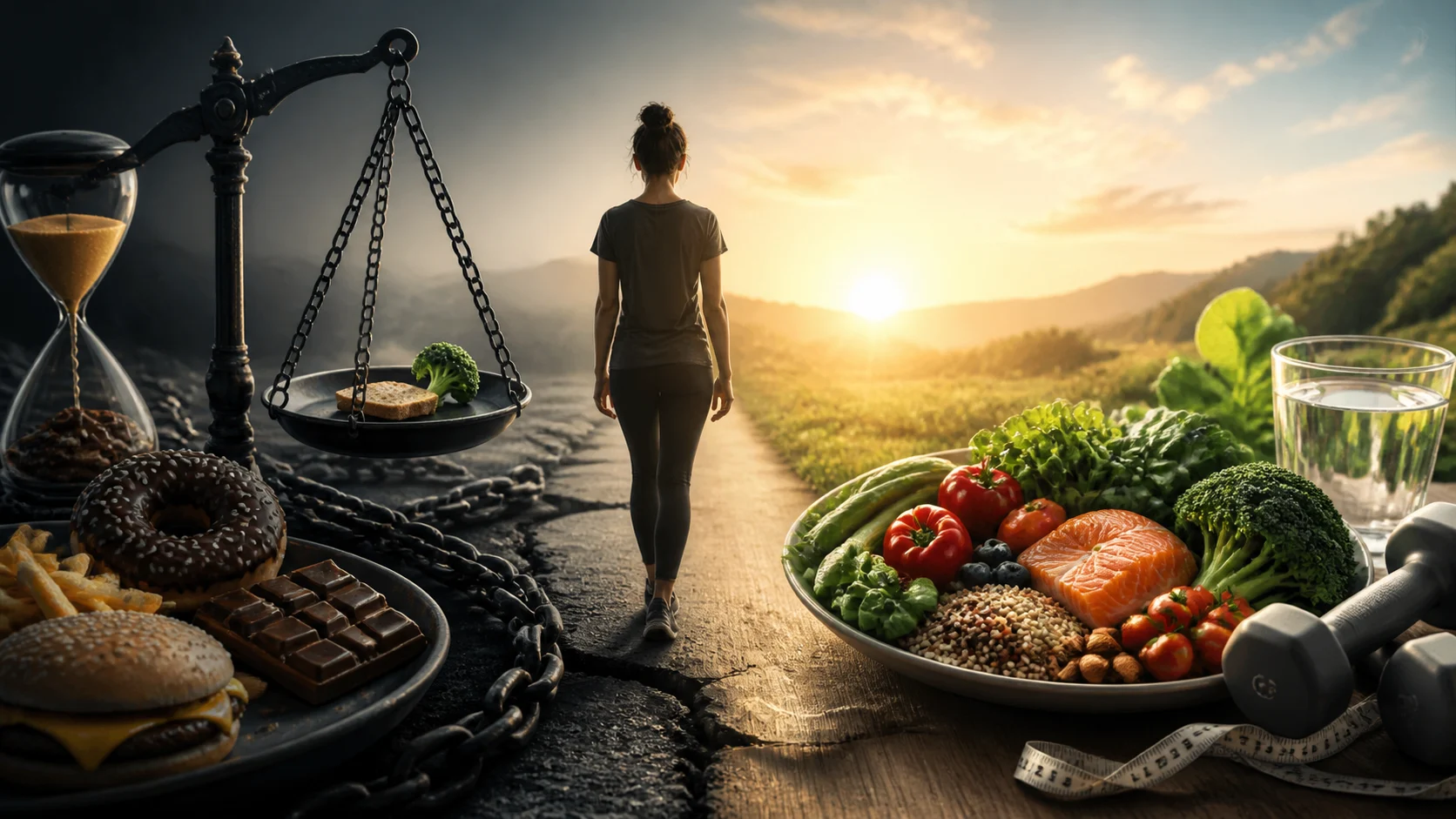
She may be drawn to the military diet because it promises speed: a short list of foods, a short timeline, and the hope that control will finally feel simpler than craving. But the body often tells a different story. What looks like discipline on paper can feel like deprivation in real life, especially for women already managing stress, fatigue, and fluctuating hunger. The deeper problem is not a lack of willpower; it is that extreme restriction rarely teaches the body how to feel safe, steady, and nourished.
That is why the military diet can be so emotionally tempting and so physically unkind. It offers certainty when someone feels overwhelmed, yet certainty is not the same as support.
“A body does not become peaceful by being pressured; it becomes peaceful by being fed consistently.”
Why the Body Pushes Back
When food gets very limited, hunger tends to grow louder. A 2017 study in Cell Metabolism found that people who lost weight through strong calorie restriction showed metabolic adaptation that made the body more energy-efficient, which can make maintenance harder later. In everyday life, that may show up as stronger cravings, low mood, afternoon crashes, or the strange feeling that food suddenly occupies too much mental space.
The military diet also tends to flatten meal pleasure. And when meals become joyless, many women end up thinking about food more, not less. The body is not being difficult; it is asking for steadiness.
What Steady Energy Looks Like Instead
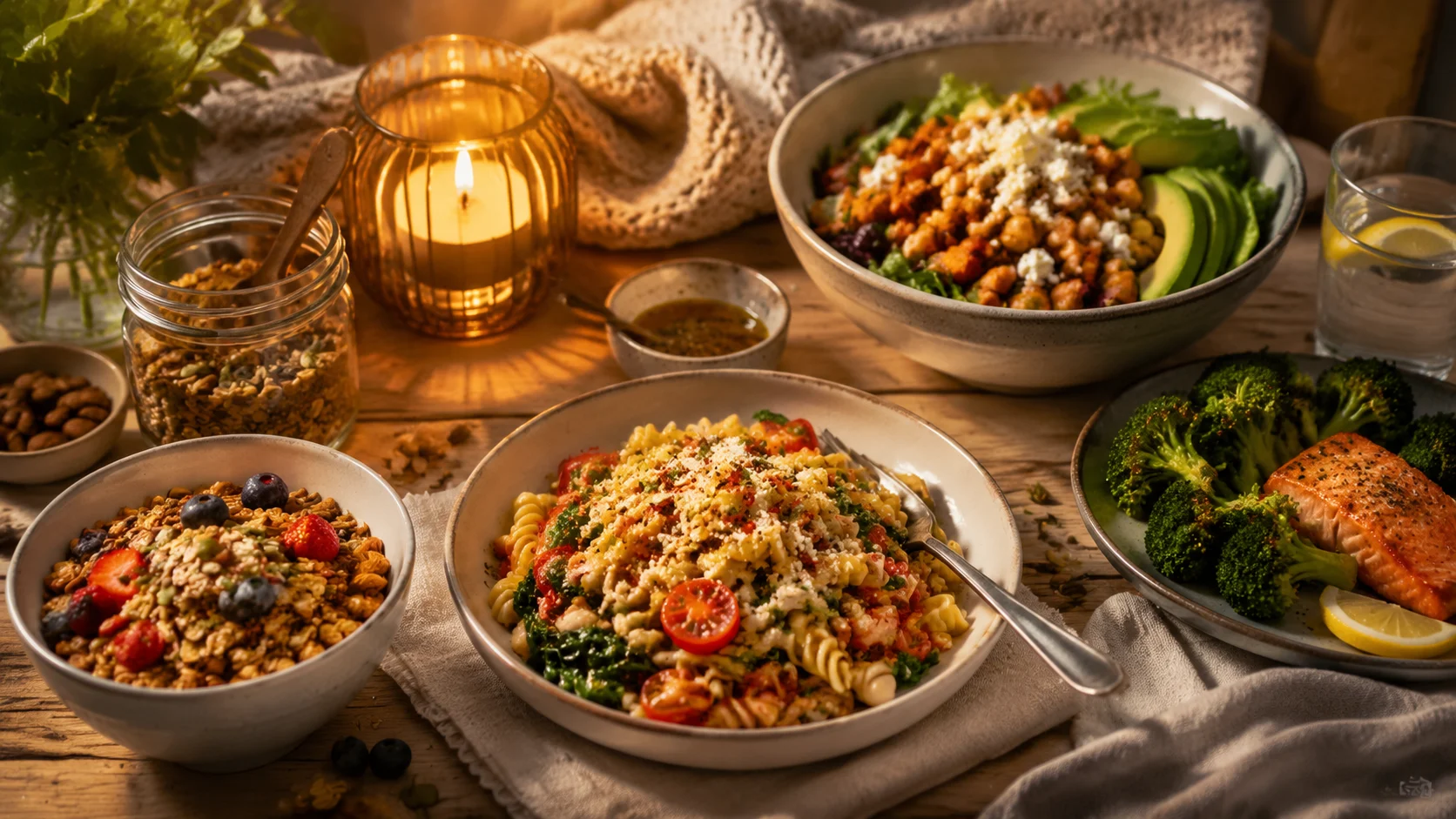
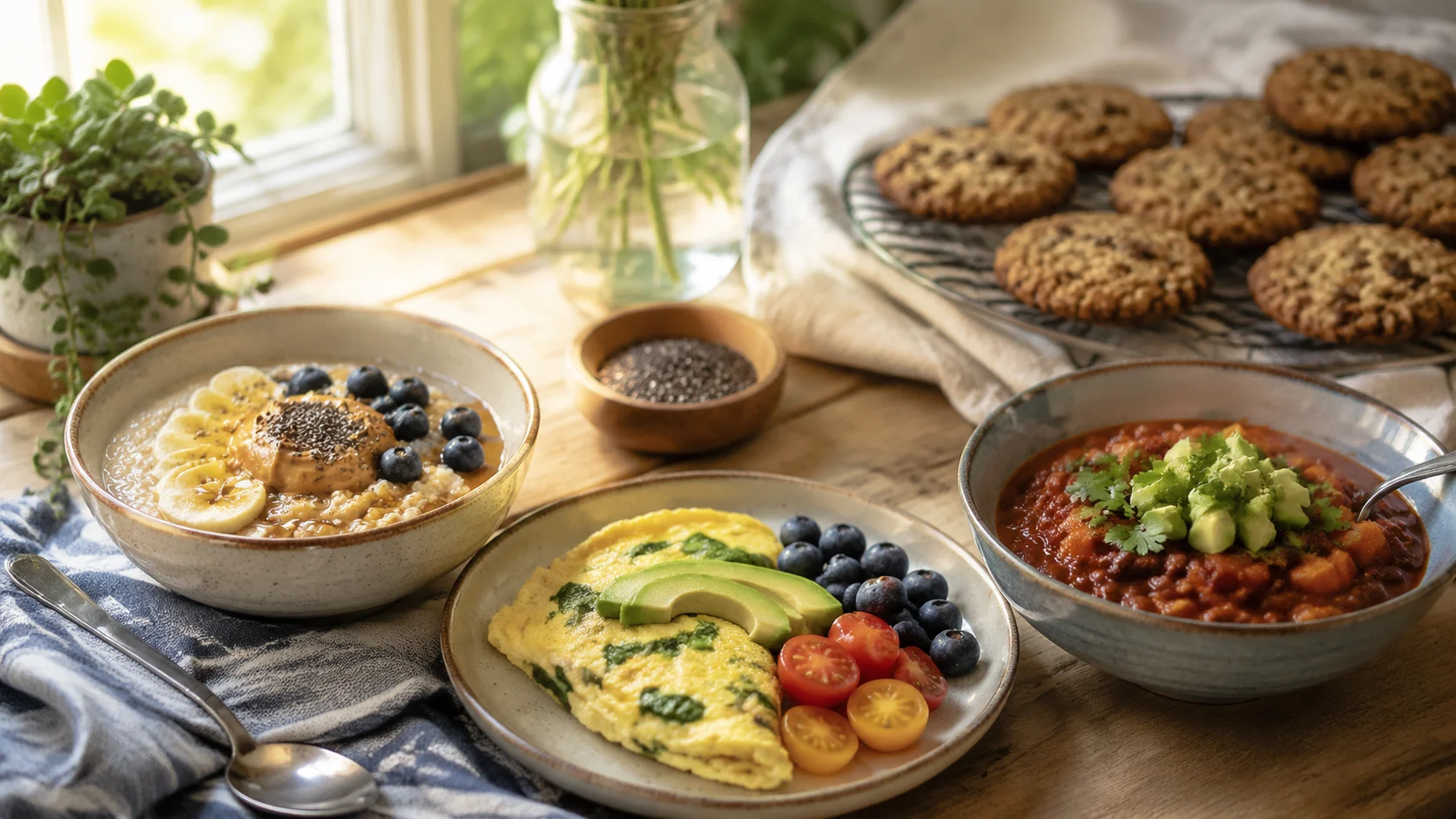
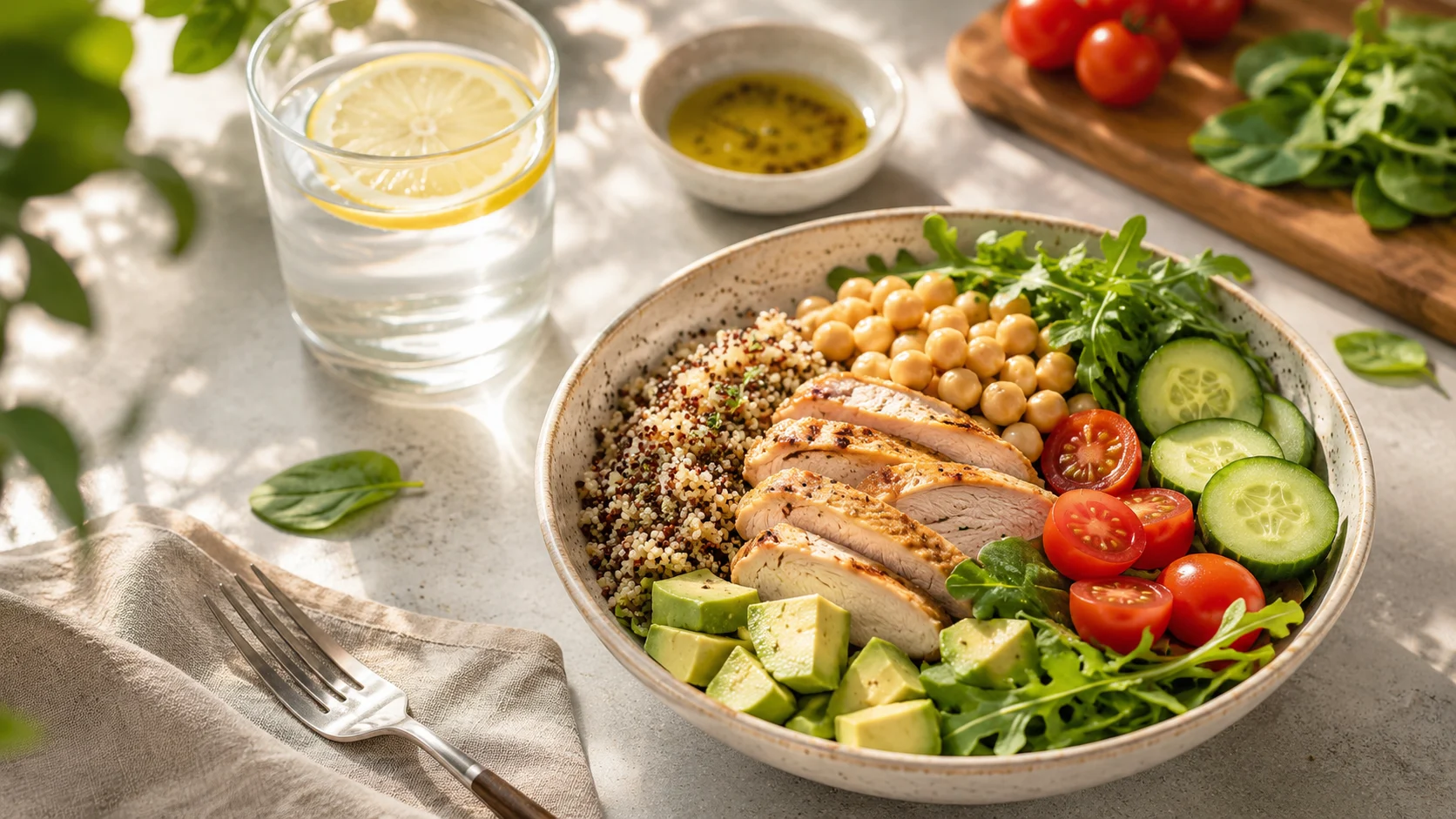
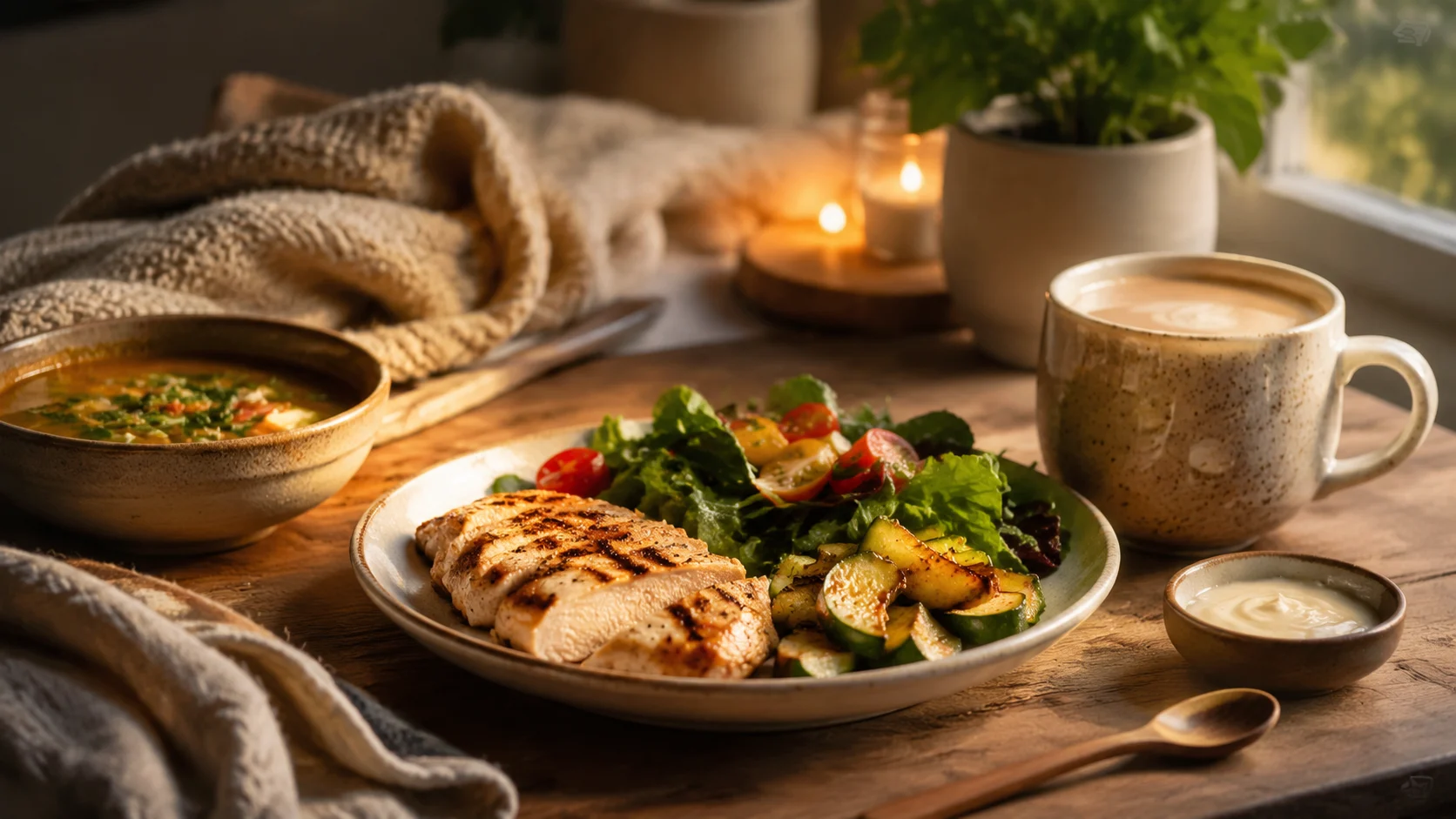
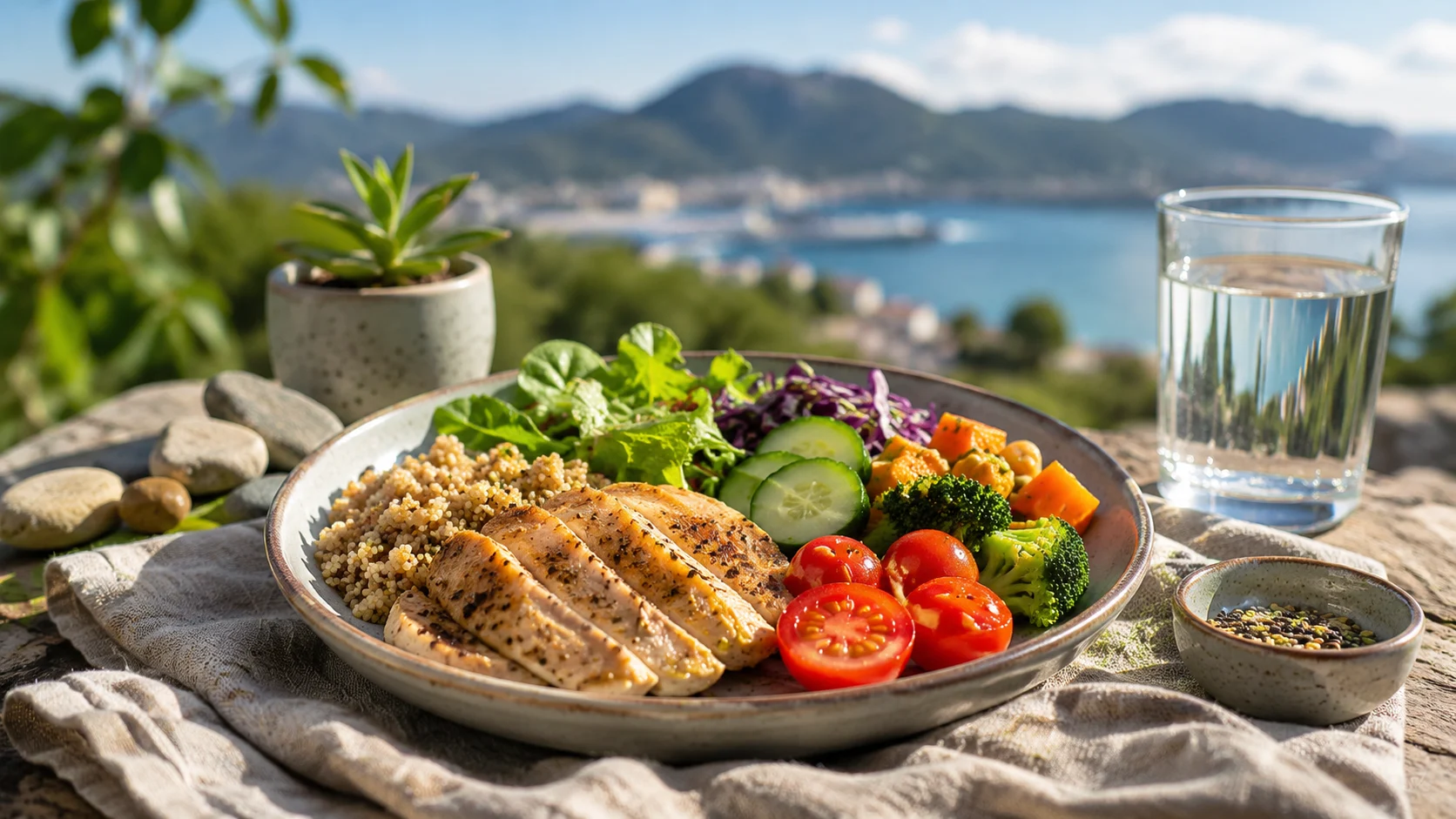
For someone who wants better energy without the grind of strict rules, the gentler path is what I call the “three-part plate rhythm.” It is simple: include a protein, a fiber-rich carbohydrate, and a satisfying fat or creamy element so the meal feels grounding, not punishing. A bowl of eggs with toast and avocado. Yogurt with berries and oats. Rice with salmon and vegetables warmed in olive oil. This is the kind of real-life nutrition that supports the nervous system as much as the stomach.
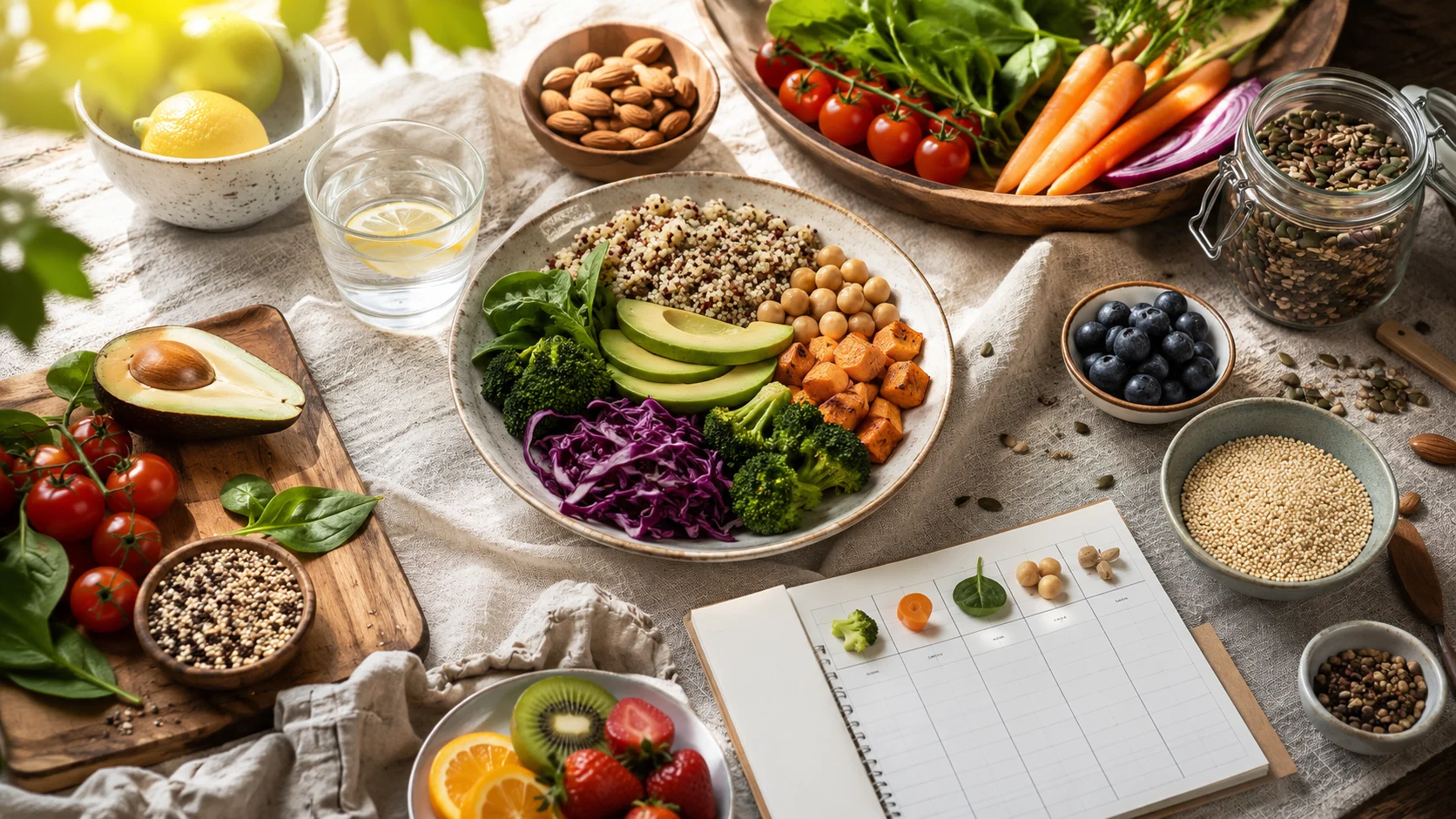
If blood pressure is part of the picture, a nutrition diet for hypertension usually points in a very different direction than a crash plan. It tends to favor vegetables, beans, fruit, whole grains, and lower-sodium choices because the goal is consistency, not extremes. In other words, the same body that feels better with less chaos also usually feels better with more balance.
Gentle meals do not ask the body to prove anything. They simply meet it where it is.
How to Tell the Difference Between Structure and Strain
- Structure feels calm. It gives a person enough food to think clearly and move through the day without bargaining with hunger.
- Strain feels narrow. It turns eating into a test, where every bite carries pressure and every craving feels like failure.
- Support feels repeatable. It can be lived with on a Tuesday afternoon, not just admired for three days.
That is the quiet difference between a plan that only looks effective and one that can actually stay with a person. The military diet belongs to the first category. Gentle nourishment belongs to the second.
“If a plan makes a woman feel smaller inside her own life, it is not teaching balance; it is teaching fear.”
Questions That Often Come Up
Can the military diet help with cravings?
It may suppress appetite briefly, but many people notice stronger cravings afterward because the body wants the energy it was denied.
Is a nutrition diet for hypertension supposed to be strict?
Usually no. The most sustainable version is often simple, flavorful, and built around foods that support steadier blood pressure without making meals feel clinical.
What if I already tried extreme dieting and feel stuck?
That stuck feeling is often a sign that the body needs regular meals, not more control. Starting with breakfast, lunch, and dinner that feel complete can be more helpful than restarting another rule set.
Please note: Every body has its own rhythm, and this article is for educational purposes only. It is not personal medical advice or a substitute for guidance from a qualified healthcare professional, especially if you have high blood pressure, diabetes, or a history of disordered eating.
Leave a Reply