

The surprising part: a gluten free diet does not automatically become a lower cholesterol low cholesterol diet
Many women come to a gluten free diet hoping it will feel lighter, steadier, and more supportive of heart health. But here is the pattern interrupt: removing gluten alone does not lower cholesterol. In real life, some gluten-free foods are made with refined starches and can leave a plate lower in fiber and less satisfying than the version they replaced. What supports cholesterol more gently is not the label on the package, but the rhythm of the meal: more fiber, more plant variety, and fats that feel nourishing rather than heavy.
When she is standing in the grocery aisle after a long workday, trying to choose between convenience and care, this can feel confusing. A gluten free diet can absolutely fit into a lower cholesterol low cholesterol diet, but it works best when it is built around naturally gluten-free foods instead of ultra-processed substitutes.
Food labels can change a product, but they do not change what the body still quietly asks for: fiber, steadiness, and enough nourishment.
The Fiber-First Plate: a small framework that changes everything
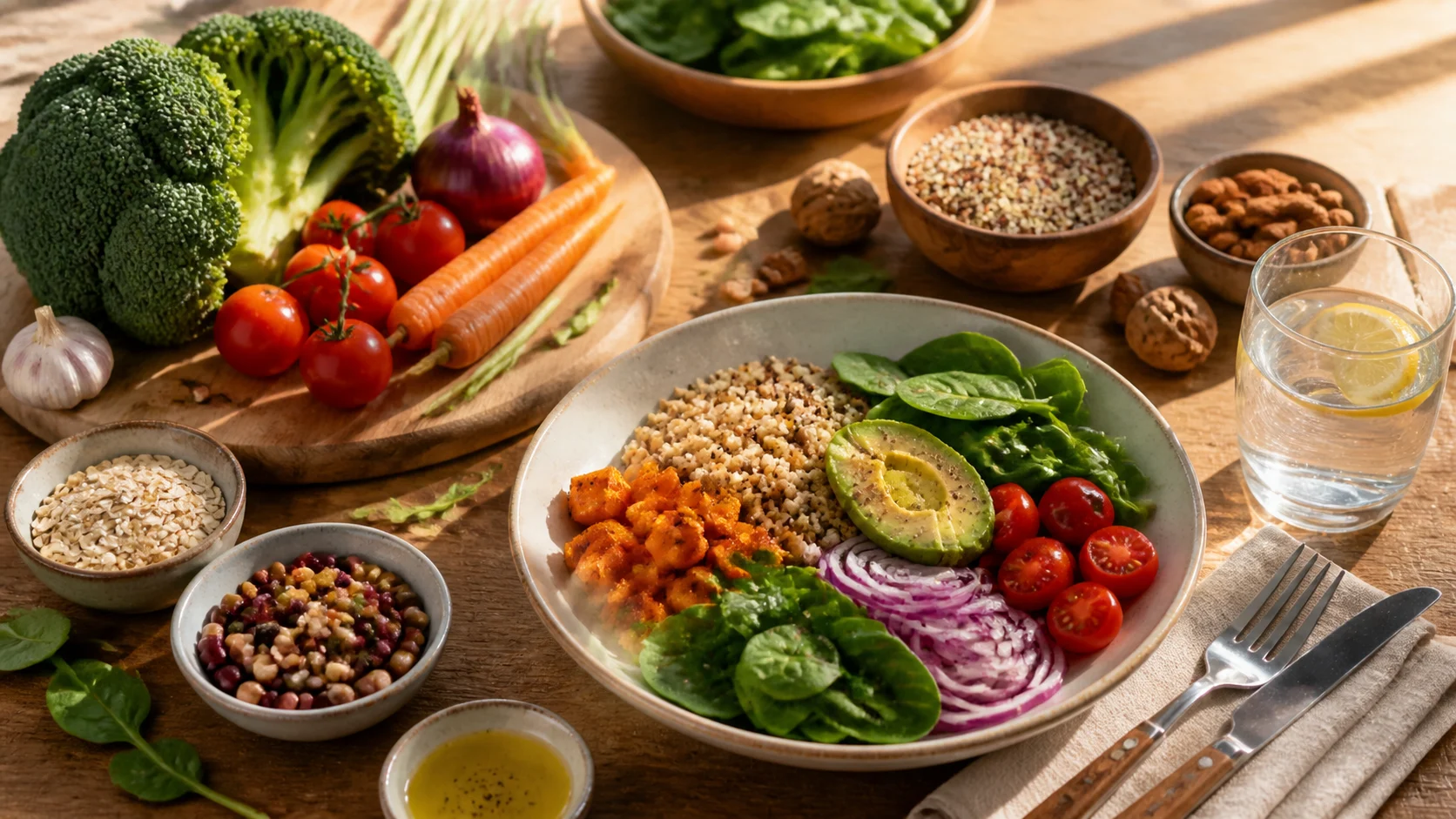
If a woman needs a simple anchor, Joyini would call it the Fiber-First Plate. It is not a rulebook. It is more like a soft spotlight that helps the most supportive foods become easier to see.
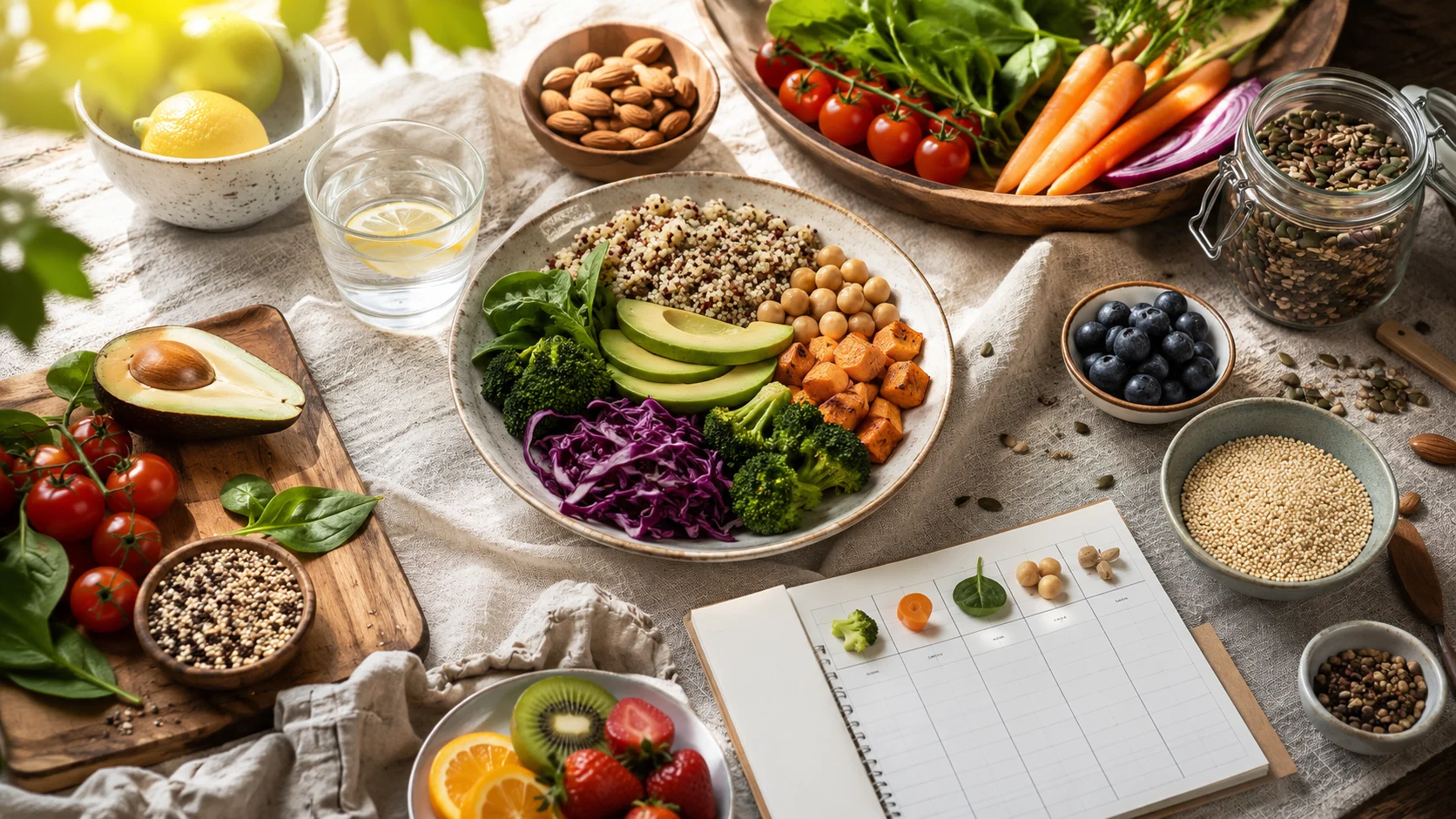
- Start with a fiber-rich base. Think of a bowl of warm quinoa, a baked sweet potato split open with steam, or a scoop of brown rice beside roasted vegetables. Fiber helps support fullness and can help with cholesterol management.
- Add a satisfying protein. Maybe it is salmon flaking into the bowl, chickpeas crisped in olive oil, or plain Greek yogurt beside berries and chia. Protein helps the meal feel steady instead of fleeting.
- Let fats be gentle and intentional. Avocado, walnuts, almonds, olive oil, and seeds often fit beautifully here. They bring comfort without the heavy after-feeling many women are trying to move away from.
- Make room for color. Greens, berries, beans, carrots, and apples are not there for decoration. They bring soluble fiber and plant compounds that support a more balanced eating pattern.
Research has observed that replacing saturated fats with unsaturated fats can help improve blood cholesterol levels, and soluble fiber can also help reduce LDL cholesterol. Foods like oats, beans, lentils, apples, and flax can quietly do a lot of supportive work in the background.
What a heart-supportive gluten free diet can look like on an ordinary Tuesday
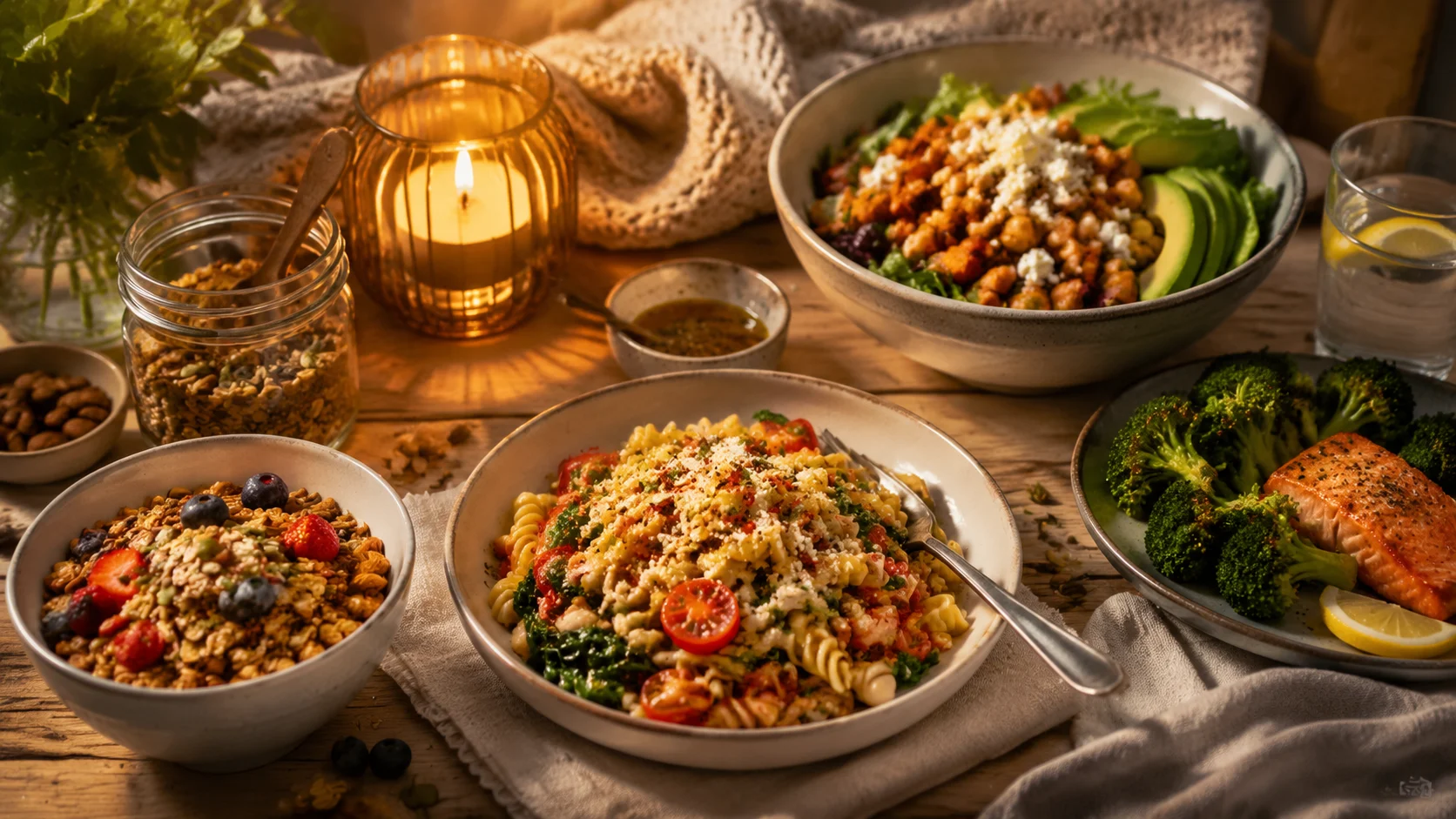
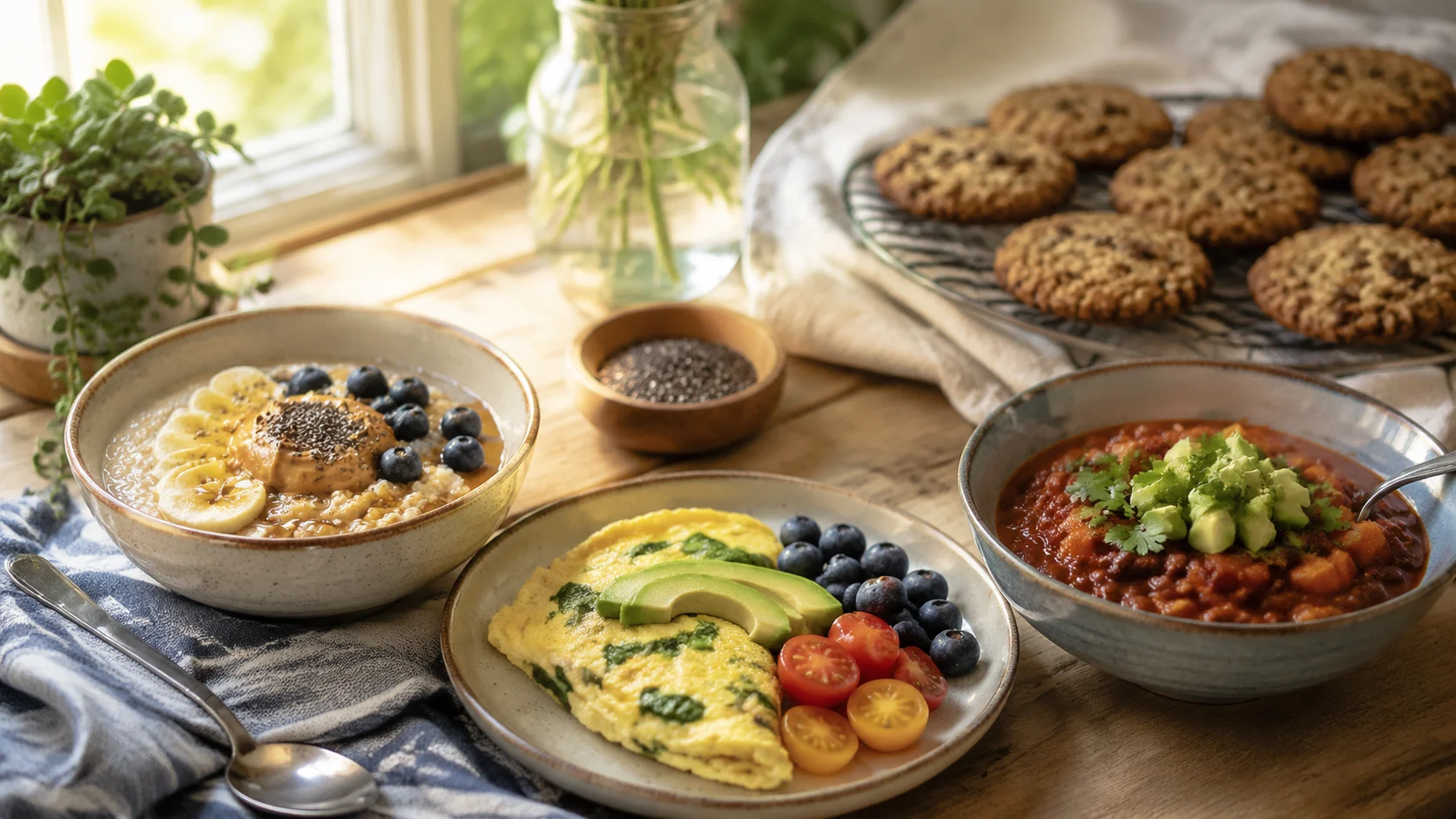
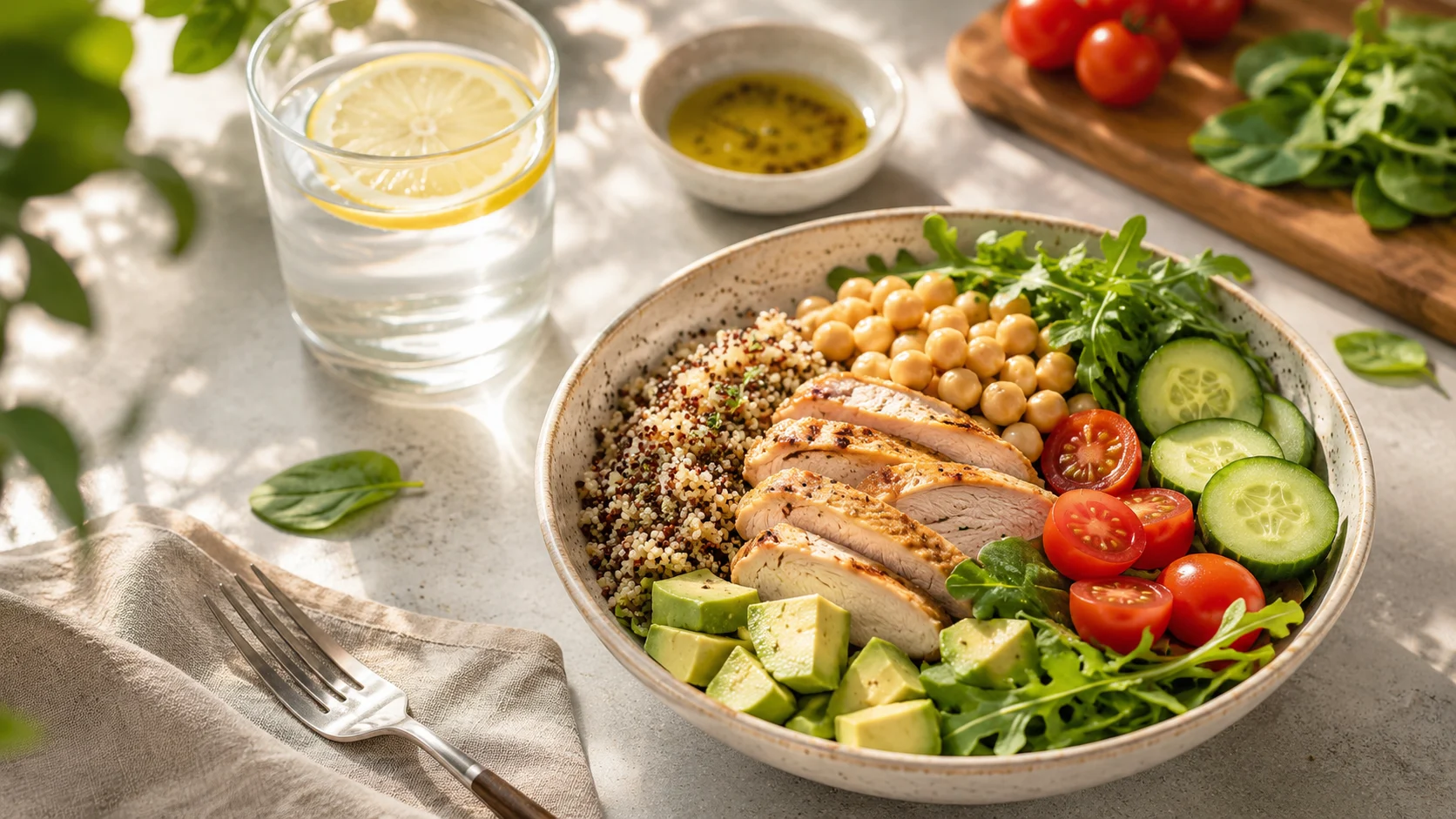
A gluten free diet becomes more useful when it looks like real life instead of a perfection project. Breakfast might be a bowl of certified gluten-free oats, softened with milk, topped with crushed walnuts and slices of pear. Lunch could be a rice bowl with grilled chicken or tofu, black beans, salsa, and a generous spoonful of avocado. Dinner might be salmon with roasted Brussels sprouts and a tray of baby potatoes glossed with olive oil.
These meals are not impressive in a showy way. They are supportive in a lived-in way. And that is often what makes them sustainable.
The body is not a project to control. It is a home that responds beautifully when it feels consistently fed.
For someone trying to shape a lower cholesterol low cholesterol diet, the quiet shift is this: choose naturally gluten-free foods more often than gluten-free packaged replacements. A gluten-free cookie is still a cookie. A bowl of lentil soup with a side of roasted squash offers a very different kind of support.
Gentle swaps when packaged gluten-free foods take over the plate
There is nothing wrong with convenience. Busy women deserve ease. But some gluten-free breads, crackers, and pastries are built mostly from white rice flour, tapioca starch, or potato starch, which can mean less fiber and less staying power. If the plate starts feeling beige and snacky, these swaps can help:
- Instead of relying on gluten-free crackers alone, pair them with hummus, sliced cucumbers, and a handful of pistachios so the snack has more texture and steadiness.
- Instead of gluten-free pastries for breakfast, try chia pudding or oats with berries, where the morning begins with softness and substance.
- Instead of a sandwich made from low-fiber gluten-free bread every day, rotate in bean bowls, corn tortillas, or quinoa salads with crunchy vegetables.
- Instead of treating “gluten-free” as a health halo, glance at fiber and saturated fat on the label. Those details often tell a more useful story.
This is where a gluten free diet can become kinder and more effective: not stricter, just more grounded.
A few practical questions
Can a gluten free diet help lower cholesterol by itself?
Not necessarily. A gluten free diet helps with cholesterol only when it includes enough fiber, balanced fats, and fewer highly processed foods.
What gluten-free foods are especially supportive if cholesterol is a concern?
Certified gluten-free oats, beans, lentils, fruit, vegetables, nuts, seeds, and fish are often helpful foundations. They bring the kind of nourishment a lower cholesterol low cholesterol diet usually needs.
What if she feels too tired to cook most nights?
Keep it simple: canned beans, microwaveable brown rice, bagged salad, rotisserie chicken, or frozen vegetables can come together in minutes. Support does not have to look elaborate.
Are all gluten-free packaged foods unhealthy?
No. Some are useful and well made. It simply helps to notice whether they also offer fiber and satisfying ingredients, rather than starch alone.
Can oats fit into a gluten free diet?
Yes, if they are labeled certified gluten-free. Oats can be an especially supportive choice because they contain beta-glucan, a type of soluble fiber linked with improved cholesterol levels.
Please note: Every body has its own rhythm, history, and health needs. This gentle guide is for educational purposes and does not replace personalized advice from a healthcare professional or registered dietitian, especially if someone has celiac disease, high cholesterol, or other medical concerns.
Leave a Reply