

When Restriction Looks Like Control but Feels Like Exhaustion
Many women look into the atkins diet hoping structure will finally make eating feel simpler. But here is the gentle truth: what feels like a food problem is often an energy and trust problem. And while a clear liquid diet is sometimes used for short medical situations, it is not the same thing as a sustainable everyday way of eating. In real life, the body usually responds better to steadiness than to extremes.
When she is standing in the kitchen at 6:40 p.m., too tired to think and quietly disappointed in herself for wanting easy comfort food again, the answer is rarely “more rules.” Often, the answer is more support. The atkins diet reduces carbohydrates sharply, which can feel appealing to someone who has been told carbs are the problem. Yet for many busy women, very low-carb eating can also bring a sense of fragility around food, especially when life is already full.
Body signals are not a character flaw. They are often the soft language of unmet needs.
A clear liquid diet, by contrast, belongs in a very different category. It usually means foods and drinks like broth, plain gelatin, pulp-free juice, or tea for a brief period before or after certain medical procedures. It is not designed to provide full nourishment, and it should not be confused with a balanced pattern for everyday energy.
The Quiet Difference Between a Therapeutic Plan and a Life You Can Actually Live
There is a useful way to think about this: the Bridge, Not a Home framework. A clear liquid diet can act like a bridge—temporary, specific, and practical in a medical context. The atkins diet is a named eating pattern that some people choose for weight-related goals, often by minimizing bread, rice, pasta, fruit, and other carbohydrate-rich foods. But neither idea automatically teaches someone how to build a peaceful, realistic relationship with food.
Research has found that low-carbohydrate diets can lead to short-term weight changes for some people, but long-term adherence is often difficult, especially when the plan feels socially isolating or mentally draining. That matters. A nutrition strategy is not only about what happens on paper; it is also about what happens on Tuesday afternoon, during PMS cravings, after poor sleep, or in the middle of a stressful workweek.

A plan that works only when life is quiet may not be support. It may just be silence disguised as discipline.
What the Atkins Diet Can Feel Like in a Busy Woman’s Real Day
The atkins diet may sound clear and contained: lower carbs, emphasize protein and fats, follow phases, stay consistent. For some, that structure feels calming at first. But if a woman already has a history of food guilt, all-or-nothing thinking, or evening overeating after long restriction, a rigid plan can become one more place where she feels she is “failing.”
That does not mean the atkins diet is automatically harmful for every person. It means context matters. If she notices headaches, low mood, intense cravings, constipation, social stress around meals, or a growing fear of ordinary foods, those are not details to brush aside. They are information.
- Morning: She skips toast and fruit, but by 10 a.m. she is distracted and edgy, not because she lacks discipline, but because her body may be missing easily available energy.
- Afternoon: She does “well” all day, then stares into the pantry wanting something crunchy or sweet. Restriction often grows louder at night.
- Weekend: One restaurant meal feels complicated, and suddenly food is no longer nourishment. It becomes math, performance, and pressure.
Where Gentle Nutrition Offers More Room to Breathe
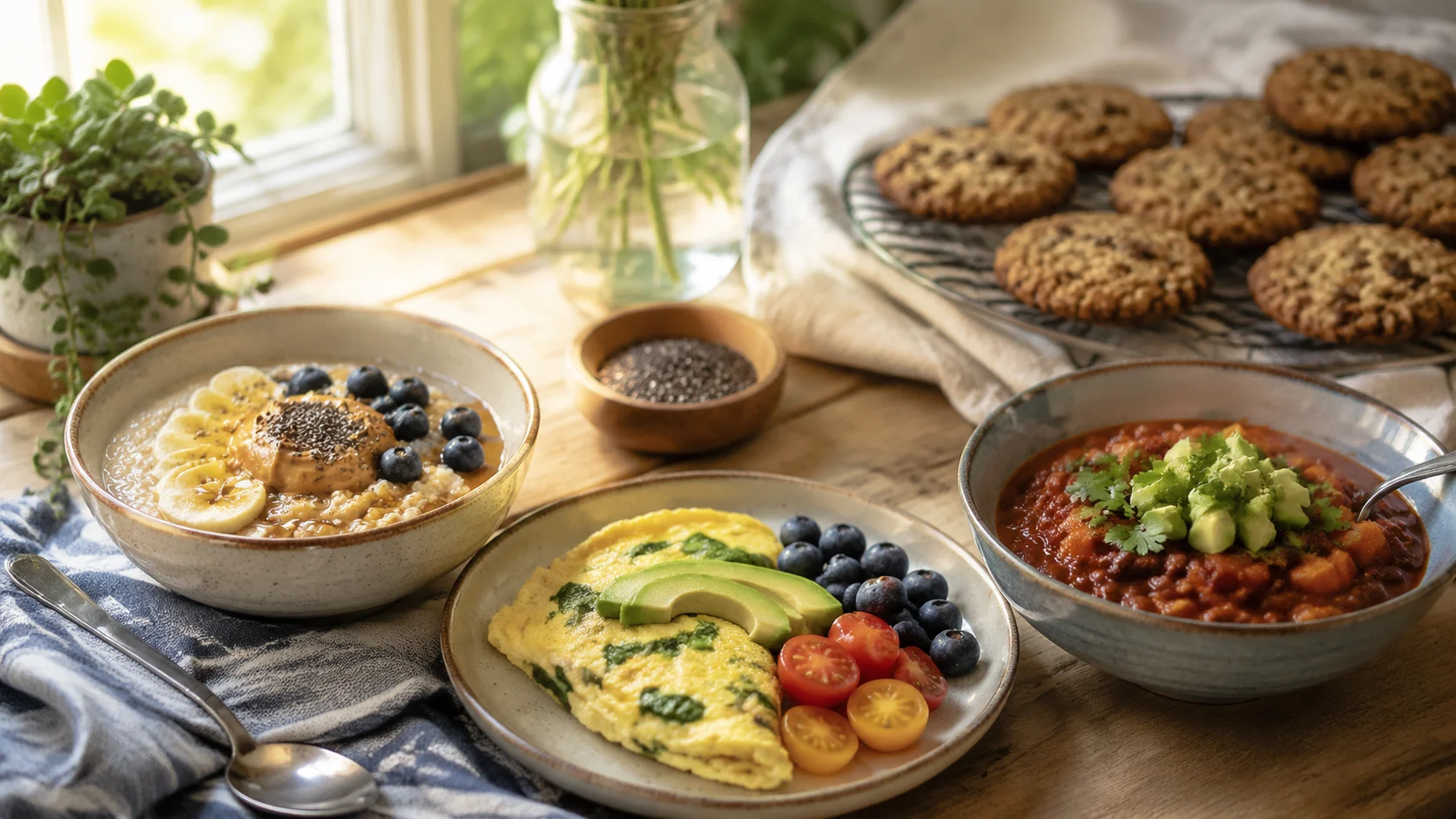
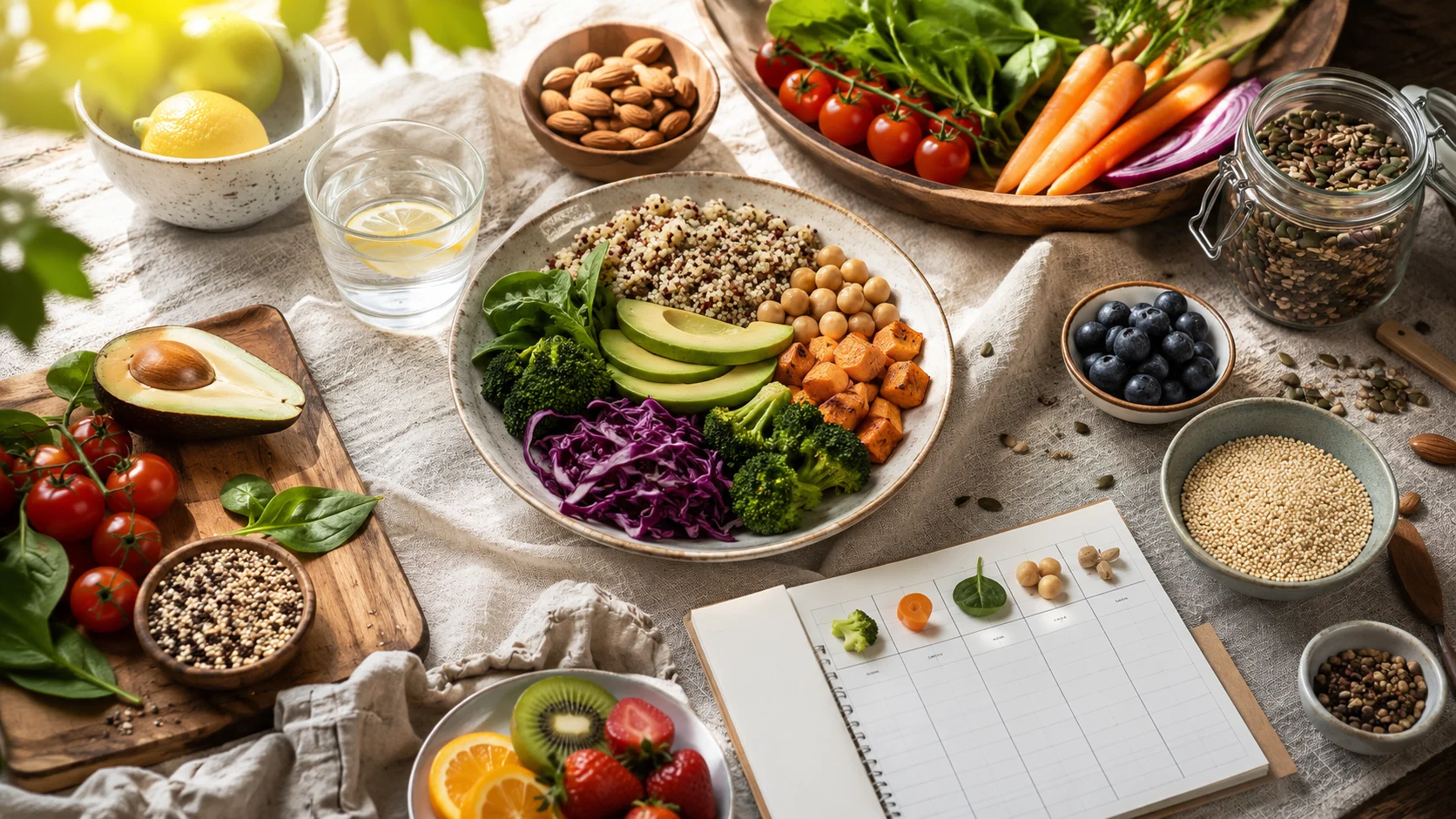
Instead of asking whether carbs are good or bad, gentle nutrition asks a softer and more useful question: What helps this body feel steady? For many women, that means meals with protein, fiber, fat, and carbohydrates in proportions that support comfort and focus. A bowl of warm oatmeal with crushed walnuts and berries may do more for afternoon steadiness than another cycle of restriction and rebound.
If someone has been told to compare the atkins diet with a clear liquid diet, it helps to separate intention from application. One is a low-carb eating plan. The other is a short-term medical approach. Neither should become a source of shame. And neither should replace paying attention to hunger, energy, digestion, mood, and the practical shape of a real day.
For a woman rebuilding trust with food, a more supportive path may look like this:
- Keep meals anchored: Think of a turkey sandwich with avocado and fruit, or rice with salmon and roasted vegetables—meals that feel ordinary, satisfying, and repeatable.
- Notice the rebound effect: If cutting entire food groups leads to nighttime cravings, that is useful feedback, not failure.
- Use medical diets only medically: A clear liquid diet has a place, but everyday nourishment needs more substance, more color, and more staying power.
Questions That Often Come Up
Is the atkins diet the same as a clear liquid diet?
No. The atkins diet is a low-carbohydrate eating pattern, while a clear liquid diet is a temporary medical plan made up of transparent liquids and a few very light foods.
Can a clear liquid diet help with regular weight management?
It is not meant for that purpose. A clear liquid diet is usually too limited to support daily nourishment and steady energy over time.
What if low-carb eating makes me crave sugar at night?
That can happen. Sometimes the body responds to restriction by turning up cravings later. It may help to look at whether meals earlier in the day are balanced and satisfying enough.
Is it wrong to try the atkins diet if I want structure?
Not wrong. But it helps to stay curious about how it affects energy, mood, digestion, and peace of mind—not just whether it feels strict.
How can I eat in a more balanced way without getting overwhelmed?
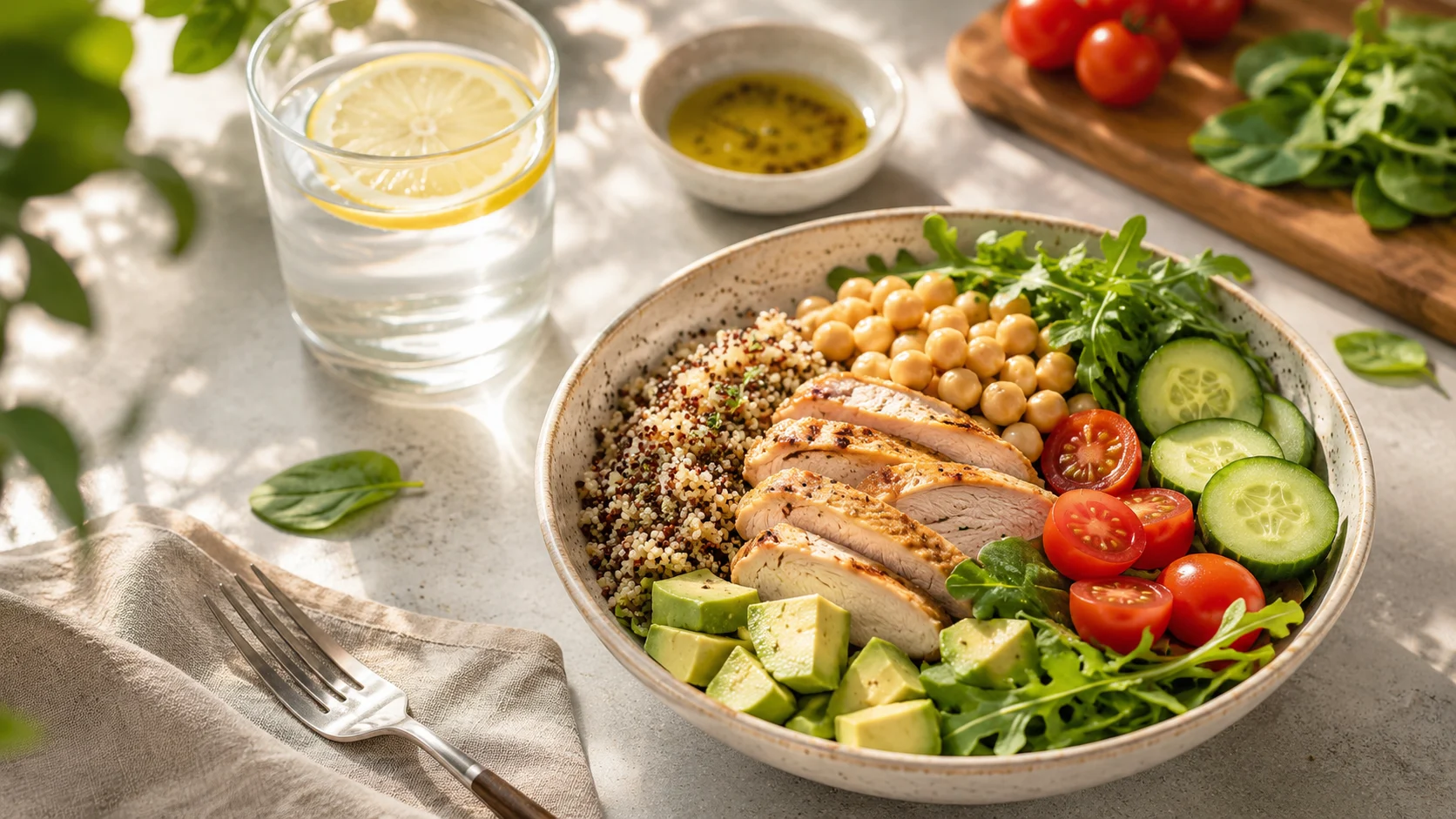
Start small. Build one meal that feels grounding: perhaps eggs with toast and fruit, or a grain bowl with beans, olive oil, and something crisp on top. Simplicity often supports consistency better than extremes.
Please note: Every body has its own rhythm. This gentle guide is for educational purposes and does not replace personalized advice from a healthcare professional, especially if you have a medical condition, digestive symptoms, or have been instructed to follow a clear liquid diet for a procedure or recovery.



Leave a Reply