

A quieter way to begin
Many women assume a low histamine diet has to feel tiny, strict, and joyless. It doesn’t. In real life, the gentlest version is often the most sustainable: choose fresher foods, keep meals simple, and build enough nourishment so the body feels supported rather than cornered. For someone already tired, overstimulated, or unsure what to eat, that softer approach can bring more ease than another rigid food rule.
Picture her at 6:40 p.m., standing in the kitchen with a half-used bag of greens, a container of cooked rice, and very little patience left. She does not need a perfect plan. She needs a calm one. A low histamine diet can work best when it is treated less like punishment and more like a season of listening.
Body signals are not a character flaw. They are often the body’s quiet way of asking for steadier support.
Histamine is a natural compound involved in the immune system and other processes, but some people notice symptoms seem to flare when meals lean heavily on aged, fermented, leftover, or highly processed foods. That does not mean food needs to become frightening. It simply means freshness may matter more than perfection.
The Fresh Plate Method
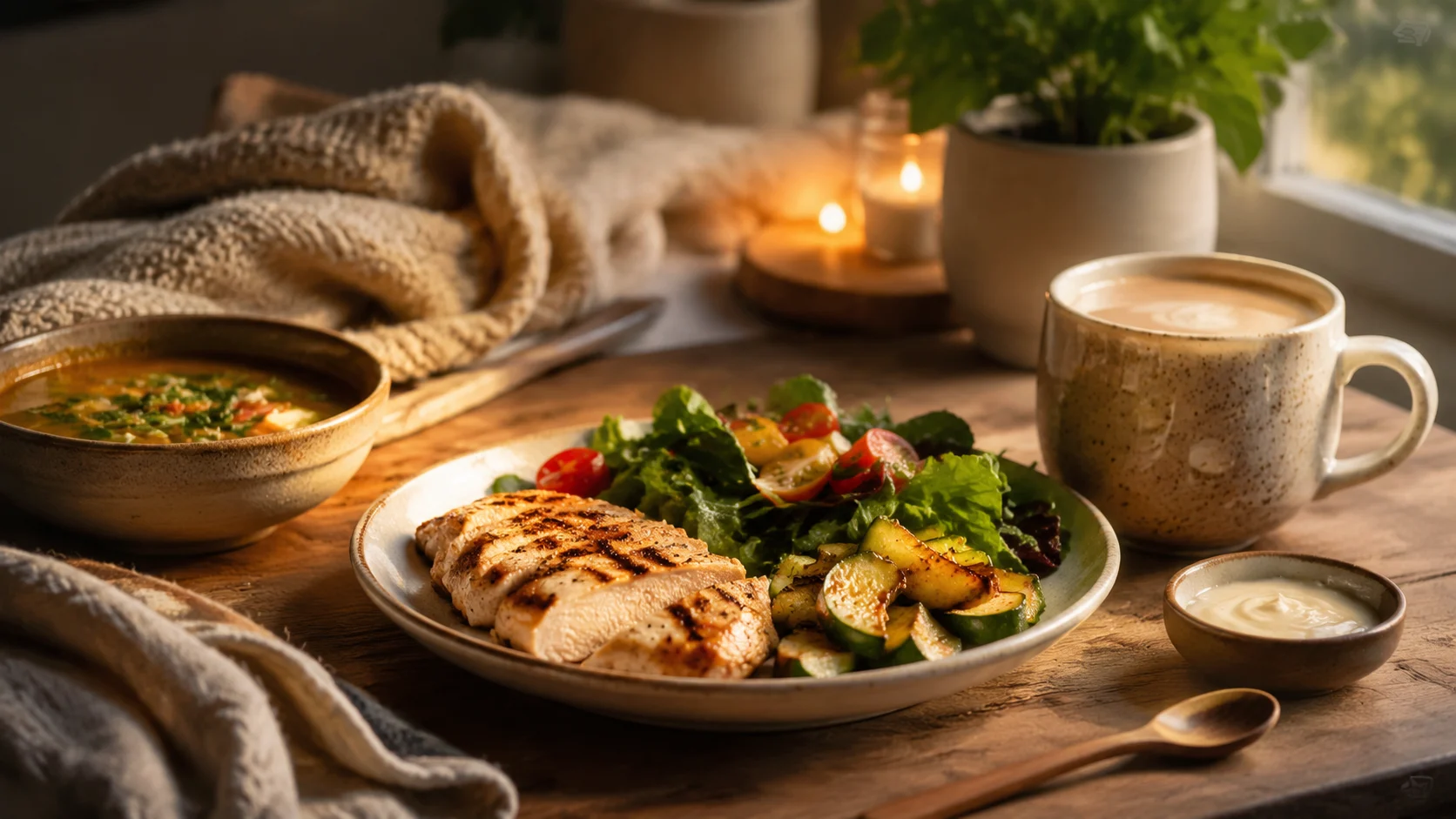
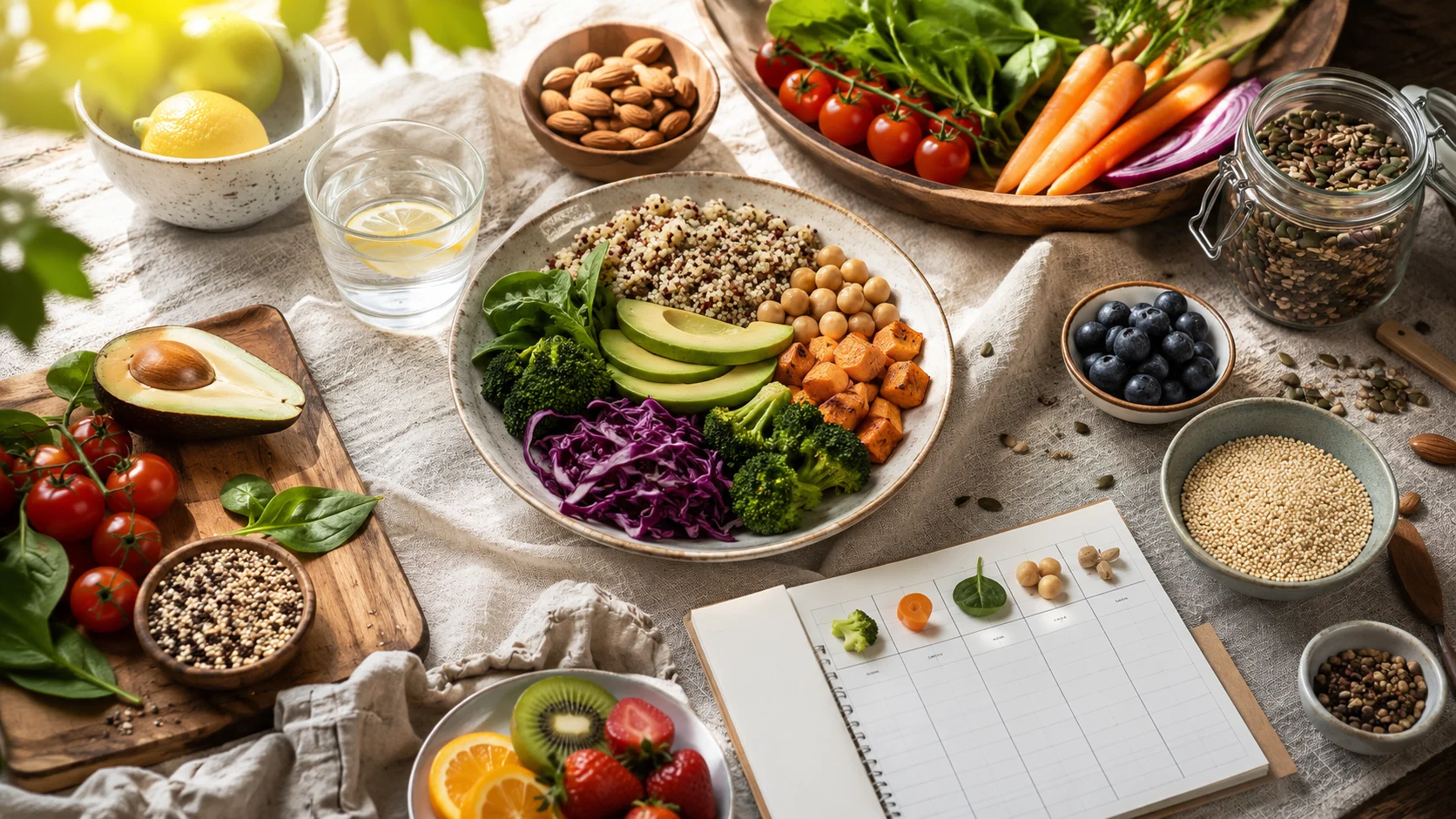
One helpful micro-framework is the Fresh Plate Method: fresh protein + gentle carbohydrate + soft color + simple fat. It gives structure without turning dinner into homework.
- Fresh protein — Think chicken cooked that day, turkey patties, or a piece of white fish prepared simply. The emphasis is less on culinary ambition and more on freshness.
- Gentle carbohydrate — Warm rice, roasted sweet potato, or plain oats can make a meal feel grounding, especially on stressful days when energy dips hard.
- Soft color — Instead of chasing an ideal rainbow, she might add steamed zucchini, cucumber, lettuce, or carrots for a little texture and quiet nourishment.
- Simple fat — A drizzle of olive oil or a few pumpkin seeds can round out the meal and make it more satisfying.
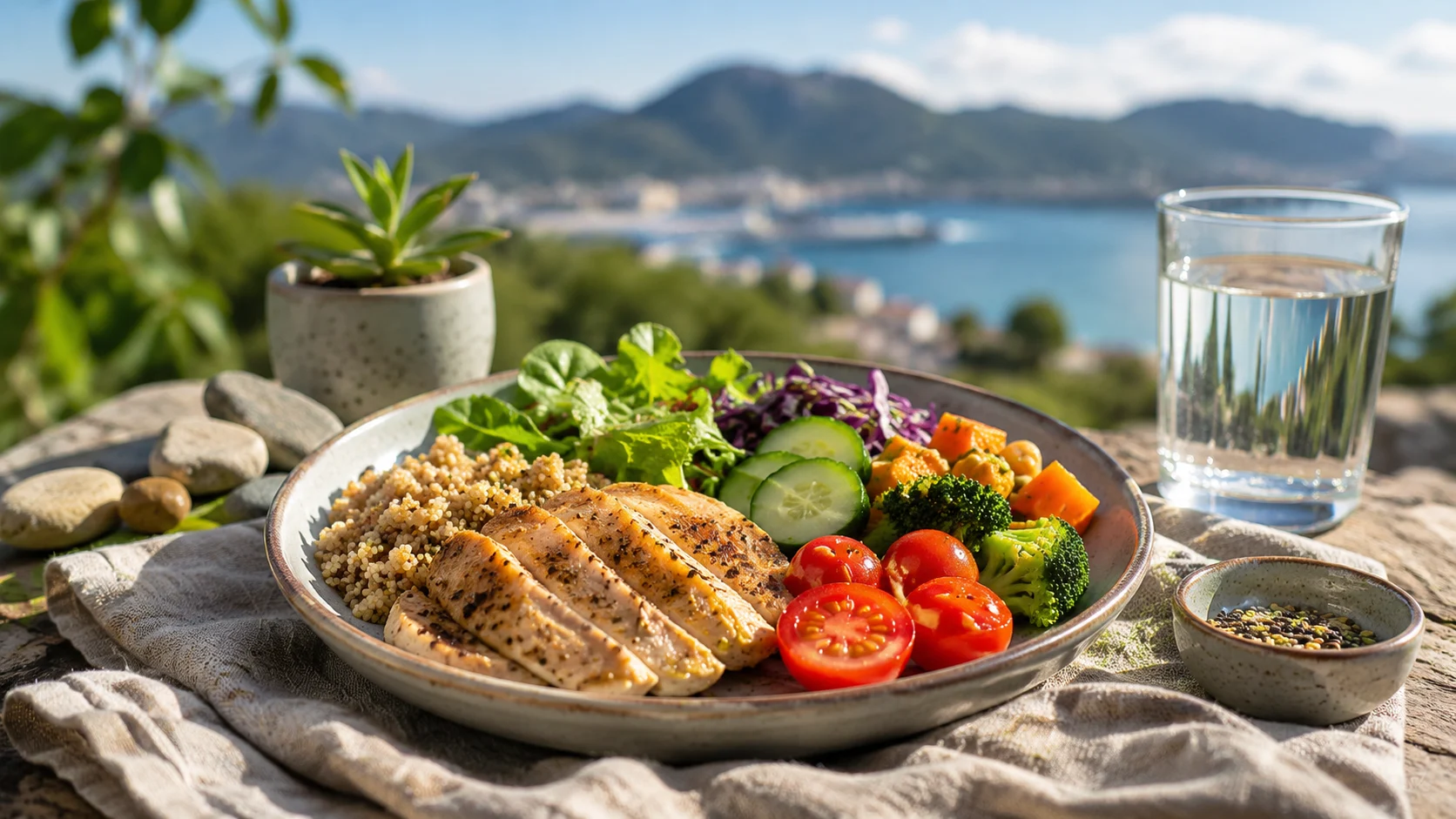
This is also where a mediterranean diet meal plan can offer inspiration, even if it needs a few thoughtful adjustments. The Mediterranean pattern is often loved for its vegetables, olive oil, grains, and simple meals, but on a low histamine diet, it may help to lean toward freshly cooked ingredients rather than heavily aged cheese, cured meats, tomatoes, vinegar-heavy dressings, or frequent leftovers.
A nourishing meal does not need to be impressive. It only needs to meet the moment with enough care.
When Mediterranean habits meet histamine sensitivity
There is a tender middle ground between restriction and chaos. Someone may borrow the calm rhythm of a mediterranean diet meal plan while reshaping the details to better suit histamine needs.
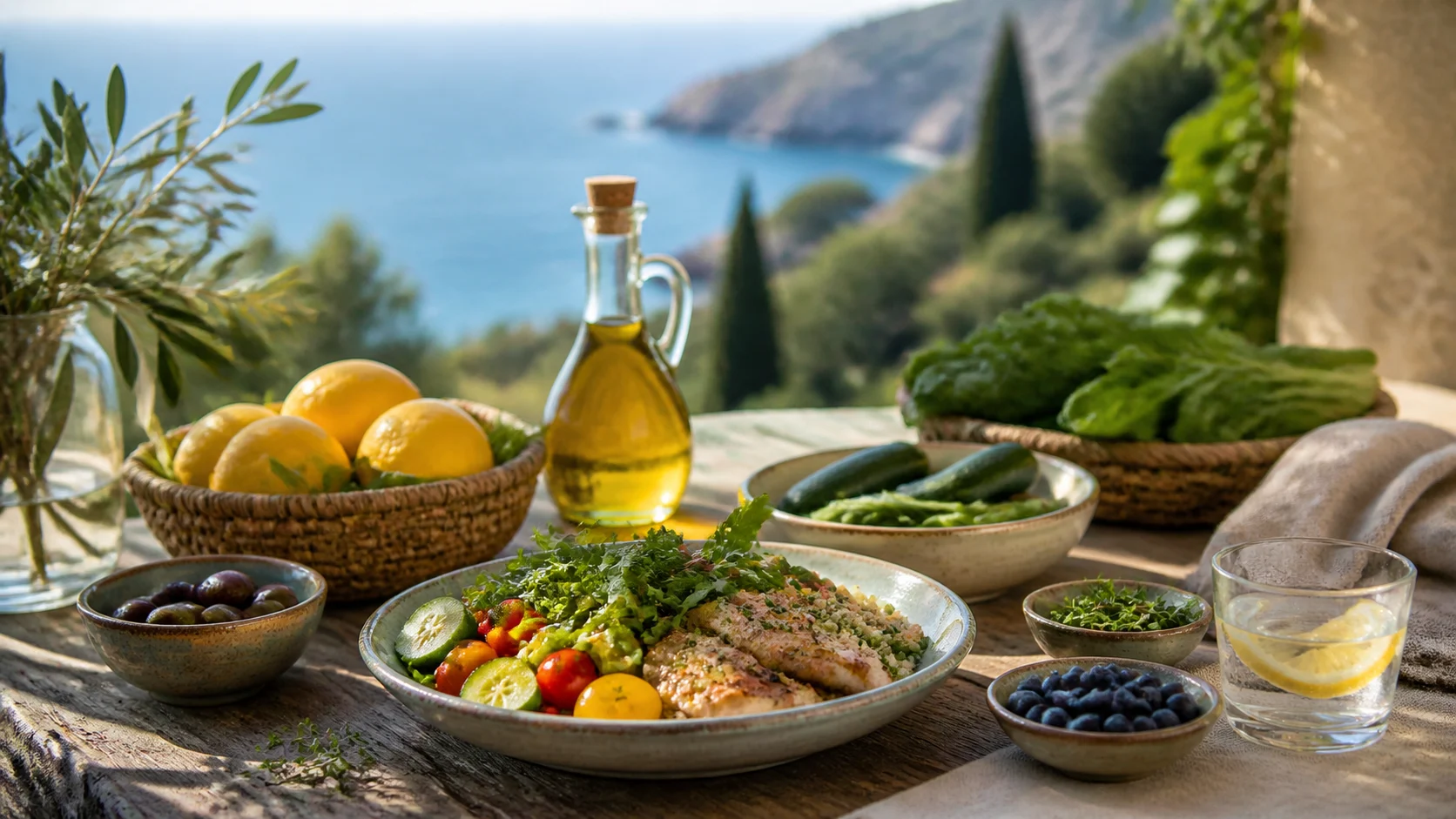
That might look like a bowl of warm quinoa with freshly cooked chicken, chopped cucumber, parsley, and olive oil instead of a vinegar-marinated grain salad that has been sitting in the fridge for three days. It might mean choosing a simple pear with oats in the morning instead of yogurt topped with strawberries if those foods do not feel comfortable for her.
Freshness, storage time, and individual tolerance often matter as much as the ingredient itself. Research and clinical observations have suggested that histamine levels can rise in foods during storage, especially in leftovers and fermented products. That is one reason some people feel better when they freeze portions quickly or cook smaller batches more often.
A gentle day of meals that feels like real life
A realistic low histamine diet does not need fancy recipes. It can feel warm, familiar, and grounding.
- Morning — A bowl of oatmeal cooked until creamy, topped with diced pear, chia if tolerated, and a spoonful of almond butter. Soft, steady, and easy on a rushed morning.
- Midday — A rice bowl with freshly cooked turkey, shredded carrots, cucumber, and olive oil. Something she can eat at her desk without feeling weighed down.
- Afternoon — Apple slices with a handful of seeds or a plain rice cake with sunflower seed butter, if tolerated. Not glamorous, but deeply practical.
- Evening — Baked salmon or chicken, roasted sweet potato, and sautéed zucchini. A dinner that asks very little from an already full day.
For some women, this kind of structure feels surprisingly similar to a simplified mediterranean diet meal plan—just less aged, less fermented, and more anchored in same-day cooking.
What helps the plan stay gentle
The hardest part is rarely the food list. It is the feeling that one more eating approach might become one more thing to get “right.” A gentler low histamine diet leaves room for observation, flexibility, and self-trust.
- Keep a light notes practice — Instead of tracking every bite, she may jot down a few patterns: freshness, leftovers, stress, sleep, and symptoms.
- Cook once, cool fast, freeze early — If leftovers are necessary, freezing portions soon after cooking may feel more supportive than letting meals linger in the fridge.
- Eat enough — Under-eating can make everything feel louder: cravings, fatigue, irritability, and food anxiety.
- Let the plan be temporary information, not identity — This is a way to understand body signals, not a test of goodness.
Please note: Every body has its own rhythm, history, and level of sensitivity. This gentle guide is for educational purposes and does not replace personalized advice from a physician or registered dietitian, especially if symptoms are persistent, severe, or confusing.
You Might Also Wonder
What if I feel worse eating leftovers, even healthy ones?
Some people notice that leftovers are harder on them than freshly cooked meals. If that pattern keeps showing up, freezing portions soon after cooking may be worth trying.
Can a mediterranean diet meal plan still work if I’m watching histamine?
Yes, often as a loose template. The heart of it—simple meals, olive oil, grains, vegetables, and balanced eating—can still feel supportive. The details may need to shift toward fresher foods and fewer aged or fermented items.
Do I need to avoid histamine foods forever?
Not always. For many people, a low histamine diet is more like a short listening phase than a lifelong identity. It can help reveal patterns that are easy to miss in the noise of daily life.
What should I eat when I’m too tired to cook?
Think simple and same-day: quick rice, freshly cooked eggs or turkey, sliced cucumber, olive oil, and fruit that feels comfortable for you. Ease matters.
How do I keep this from turning into food anxiety?
Return to curiosity. If the plan starts to feel punishing, it may help to step back and seek individualized support. The goal is understanding, not fear.
Leave a Reply