

When “Discipline” Isn’t the Missing Piece
Many women are told that if their energy feels scattered, their cravings feel loud, or their evenings drift toward stress eating, they simply need more control. That story is often far too small. In real life, interest in diet keton plans usually comes from a deeper wish: steadier energy, fewer crashes, and a calmer relationship with food. And for many busy women, the most helpful question is not “How strict can I be?” but “What actually supports my body without creating more food anxiety?”
A ketogenic pattern generally shifts meals toward higher fat, moderate protein, and very low carbohydrate intake so the body begins relying more heavily on ketones for fuel. That may sound clean and simple on paper. But bodies do not live on paper. They live through deadlines, PMS, school pickups, poor sleep, and those quiet evenings when comfort matters as much as nutrition.
Body signals are not a character flaw. They are often the most honest language the body has.
For some adults, a diet keton approach may feel appealing because it can reduce appetite swings for a period of time. Yet for others—especially those with a long history of restriction, rebound eating, or food fear—very low-carb rules can make meals feel emotionally tight. That tension matters.
The Soft-Fuel Framework: A Gentler Way to Think About Ketosis
Rather than treating ketosis like a moral achievement, it helps to use what Joyini might call the Soft-Fuel Framework: stability, flexibility, and satisfaction.
- Stability means asking whether a way of eating helps energy feel more even across the day, rather than dramatic peaks and crashes.
- Flexibility means noticing whether the pattern can survive a real Tuesday—office lunch, family dinner, cravings before a period, or a weekend brunch without panic.
- Satisfaction means meals should feel grounding, not like a test of obedience.
Seen through this lens, diet keton is not automatically “good” or “bad.” It is simply one eating pattern, and not every pattern fits every nervous system, lifestyle, or food history.

Research has observed that ketogenic diets can produce short-term changes in weight, blood sugar markers, and appetite regulation in some populations. At the same time, studies also note that long-term adherence is often difficult, especially when the plan feels socially and emotionally restrictive. That detail is easy to overlook, but it tells a very human truth: a plan only helps if someone can live inside it with some ease.
Where Women Often Get Stuck: Cravings, PMS, and the All-or-Nothing Loop
When a woman has spent years bouncing between “being good” and feeling out of control, highly rigid food rules can stir up an old ache. A very low-carb structure may quiet hunger for some people, but for others it can make sweet cravings feel louder during PMS or create a rebound effect after a stressful day.
That is why context matters more than internet certainty. If someone is exploring a diet keton pattern while also managing emotional eating, it may help to slow down and notice:
- Does this way of eating leave her calmer around food? Or does it make every bite feel loaded with pressure?
- Does she have steady energy? Or is she white-knuckling through the afternoon and thinking about snacks all night?
- Can she still enjoy meals with other people? Sustainable nourishment usually has room for real life.
The body is not a project to conquer. It is a place to care for.
This is also where neutral brand awareness can help. Some readers searching for structured nutrition may come across names like hill’s science diet. While that term is usually known in a different nutrition context, it also reflects how often people look for science-backed guidance when they feel overwhelmed. The deeper need underneath the search is often the same: clarity, trust, and a plan that feels supportive rather than punishing.
What Gentle Support Can Look Like Instead
For the woman who is curious about ketosis but tired of extremes, a gentler path may begin before any major carb cut. It can start with a few steadier anchors:
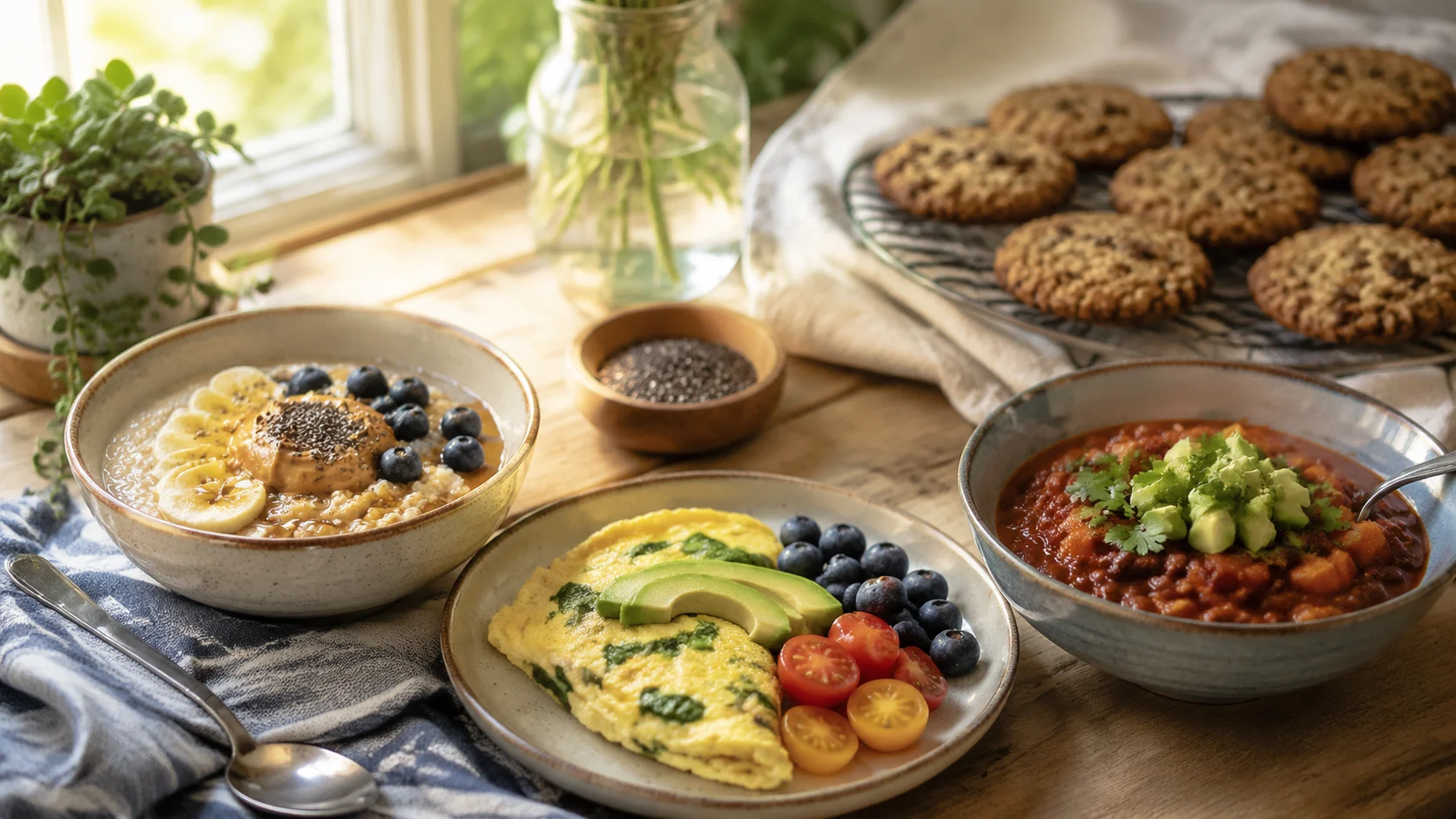
- A breakfast that lands softly — perhaps eggs beside avocado toast, or Greek yogurt with chia and berries, so the morning does not begin in deprivation.
- A calmer afternoon bridge — a handful of almonds with a piece of fruit, or cottage cheese beside cucumber slices, can prevent the 4 p.m. spiral that later gets blamed on “lack of willpower.”
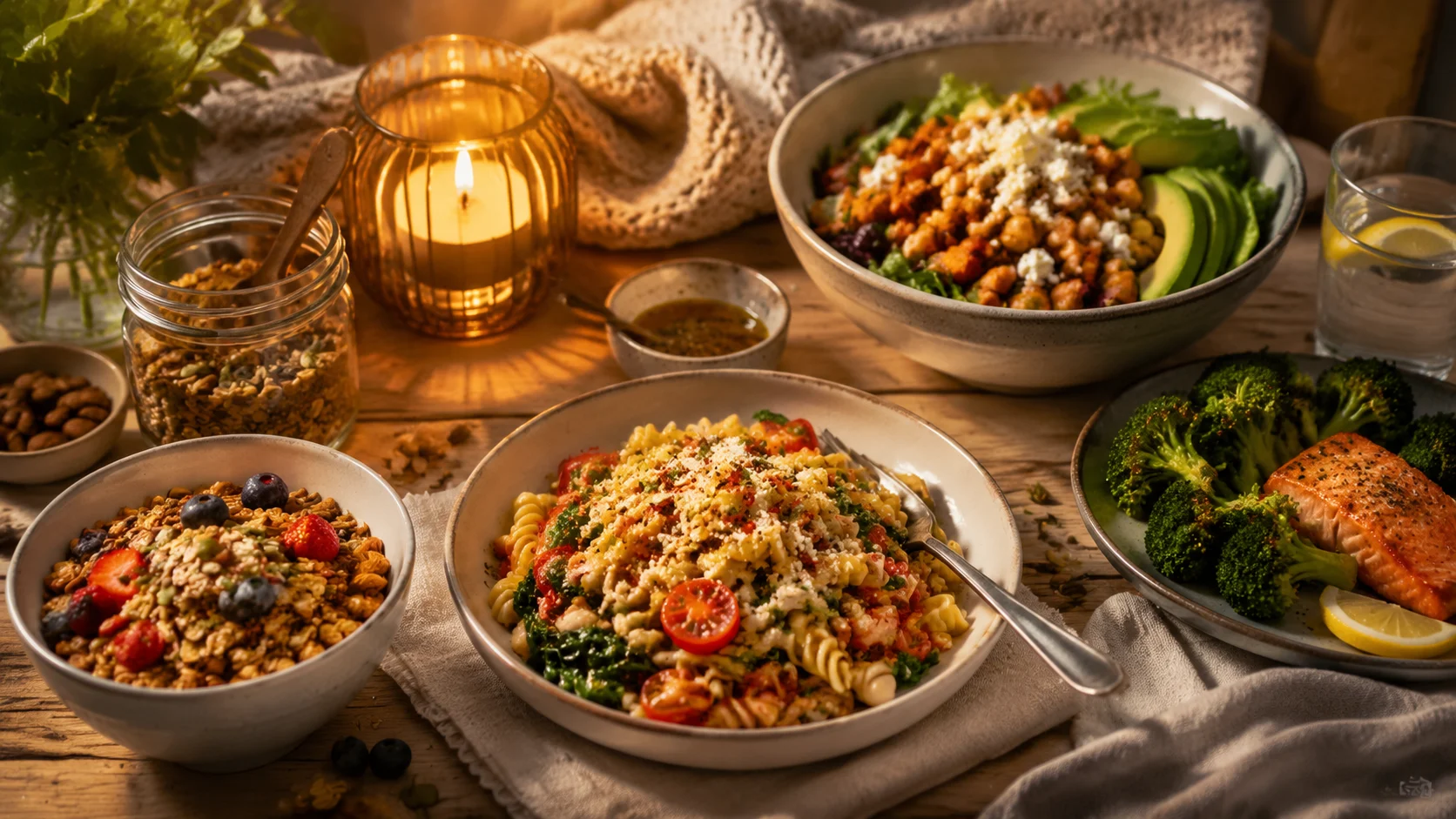
- A dinner with comfort built in — salmon over roasted vegetables with a warm grain on the side may support more ease than a dinner so restrictive it ends in a pantry search at 9 p.m.
Some women may still choose a lower-carb pattern after that. But the difference is emotional tone. Support works better than self-surveillance. And if the goal is steady energy, it is often wiser to build meals that feel balanced and satisfying than to chase nutritional perfection.
Please note: Every body has its own rhythm, history, and medical context. This gentle guide is for educational purposes only and does not replace personalized advice from a qualified healthcare professional or registered dietitian, especially if someone is pregnant, managing a health condition, or has a history of disordered eating.
You Might Also Wonder
Is diet keton a good idea if someone has a history of binge eating after restriction?
It may be worth extra caution. Very rigid rules can awaken the old restrict-and-rebound cycle. A more balanced approach often feels safer and more sustainable.
Can a woman want steady energy without going fully keto?
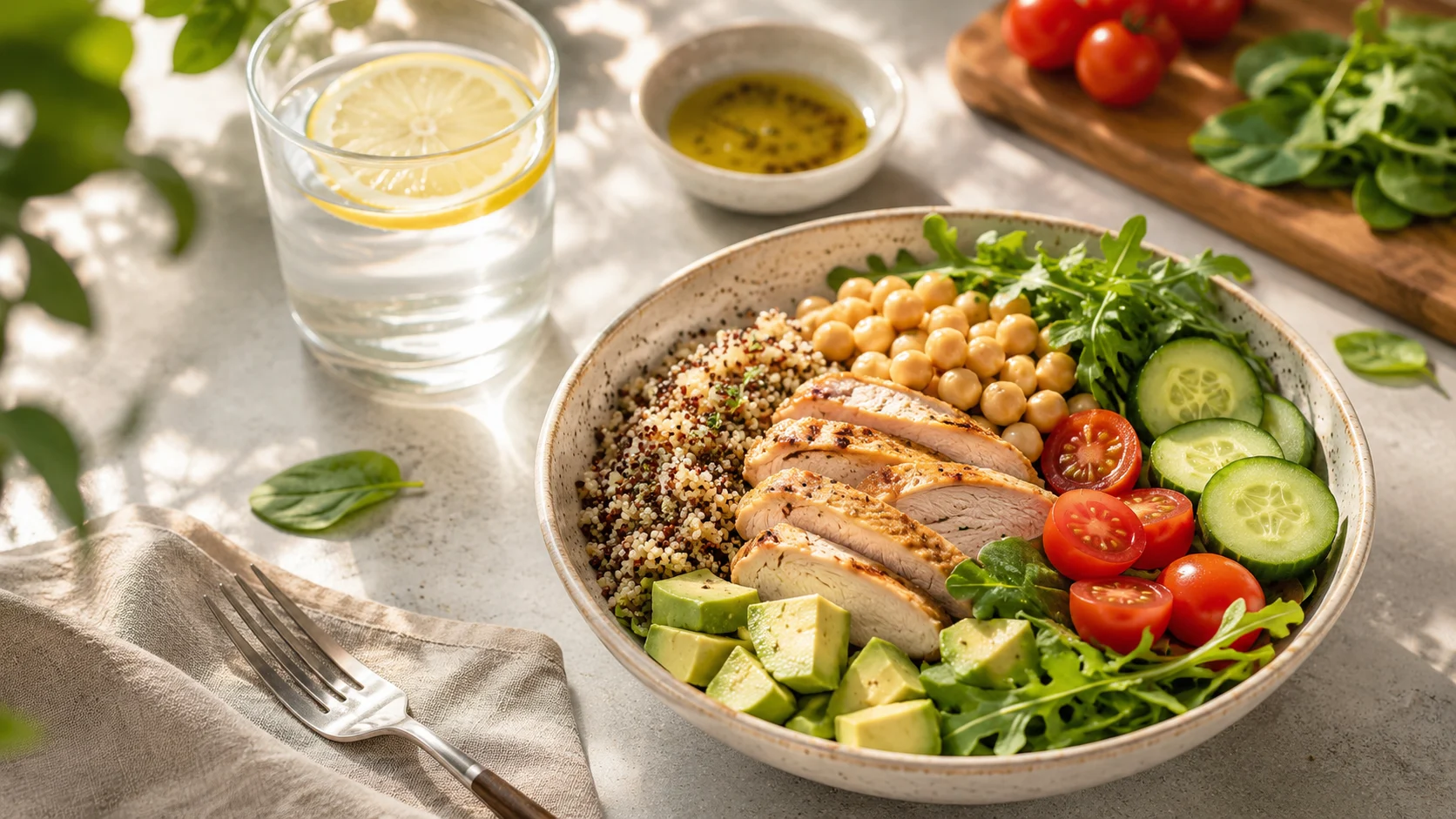
Yes. Many women feel better simply by pairing protein, fiber, fat, and regular meals more consistently. Stability does not always require extremes.
Why do cravings feel stronger at night on strict food plans?
Often the body is catching up. If meals were too small, too rigid, or emotionally unsatisfying during the day, the evening can become the hour when unmet needs finally speak louder.
Does hill’s science diet relate directly to keto eating for women?
Not in the same way this article discusses human eating patterns. Still, people often search familiar nutrition-related terms when they want more evidence-based guidance, which shows how important trust is in food decisions.


Leave a Reply