

When Dinner Feels Hard, Simpler Is Often More Nourishing
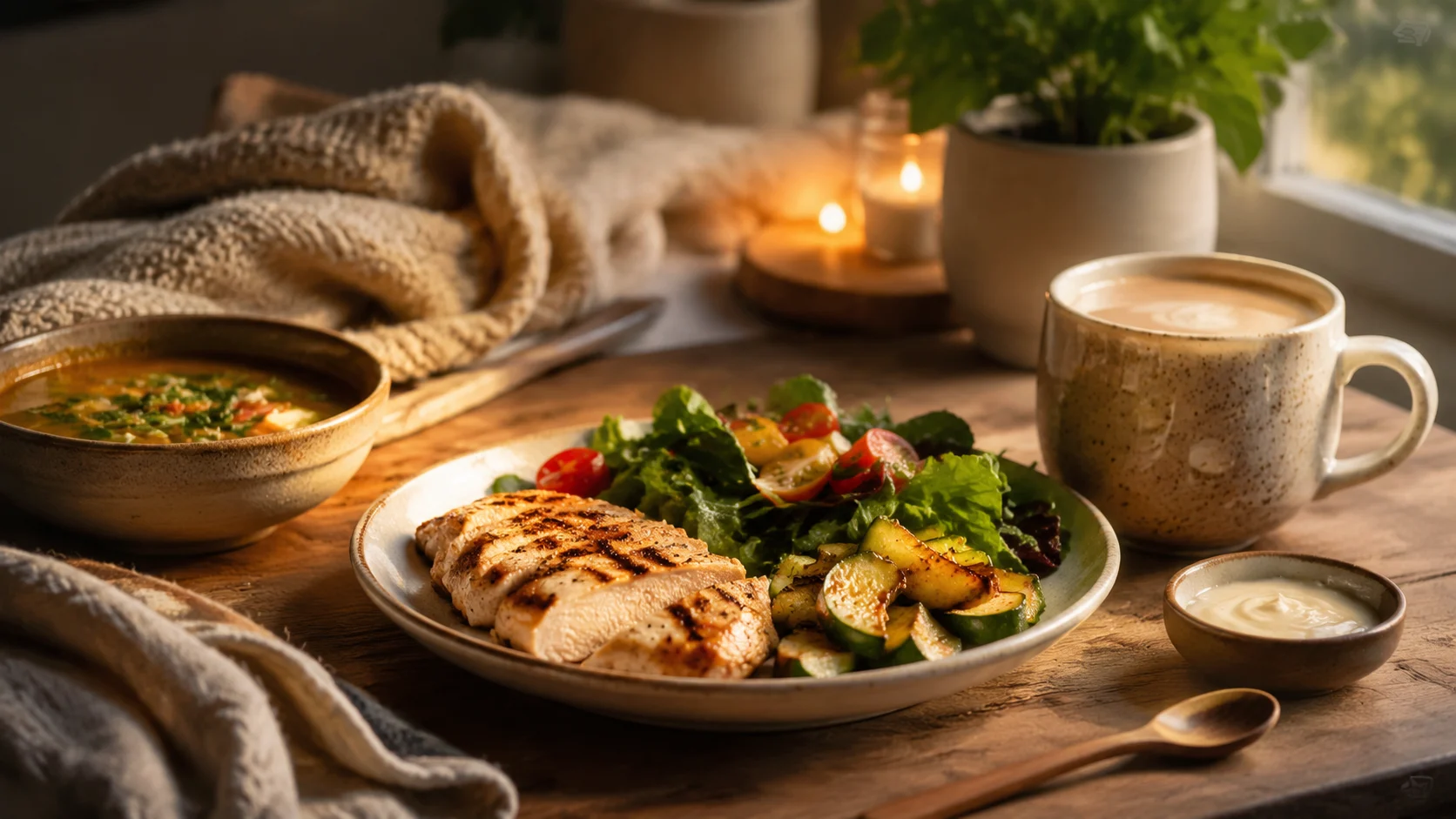
Many women assume that healthy dinner recipes have to be elaborate to be supportive. But on the nights when she drops her bag by the door and feels the day still humming in her chest, the most balanced meal is often the one she can actually make. A steady dinner does not need perfection. It needs enough protein, a comforting carbohydrate, color from plants, and a little fat so the meal feels satisfying and grounding.
For anyone trying to support a balanced diet for fat loss without slipping into rigid rules, dinner can be gentler than expected. It can look like warm rice under salmon, a handful of greens folded into pasta, or a tray of roasted vegetables beside rotisserie chicken. Supportive eating is not about earning food at the end of the day. It is about answering the body before cravings get louder.
Body care works better than body control. A woman eats more steadily when dinner feels like support, not punishment.
The “Plate Softness Method” for Real-Life Healthy Dinner Recipes
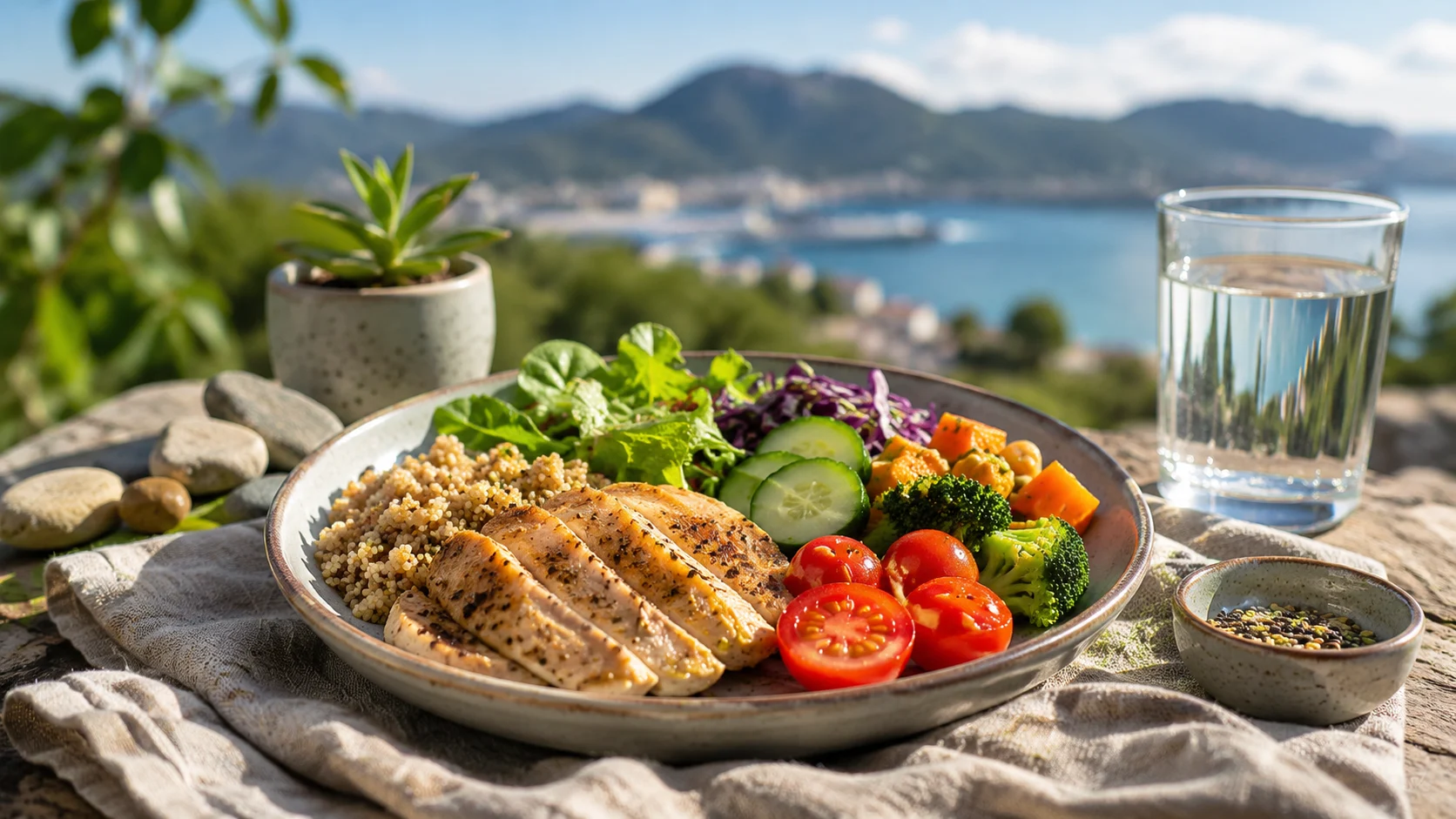
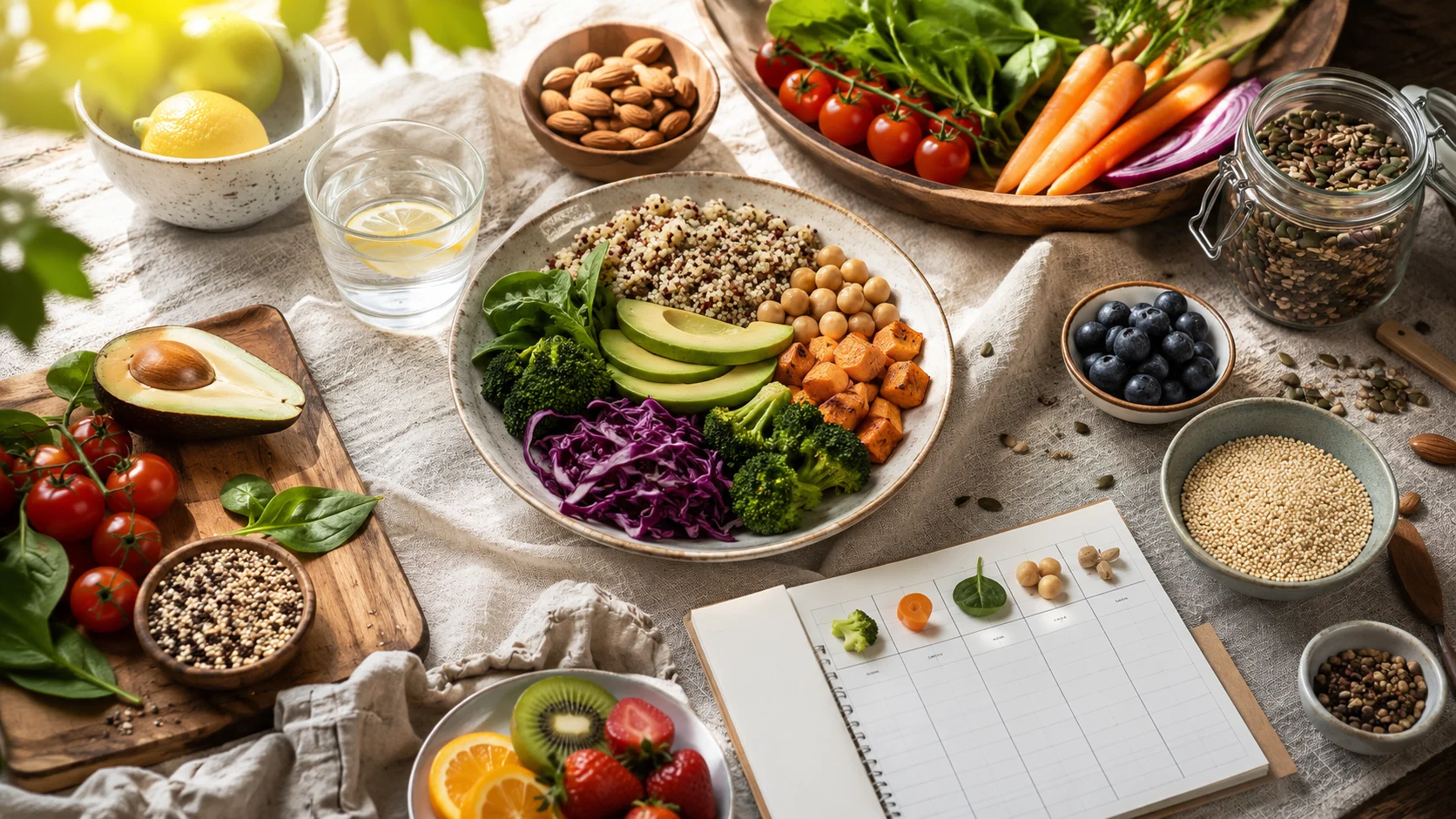
Instead of chasing the ideal meal, Joyini’s gentle framework here is the Plate Softness Method: build dinner with pieces that make the body feel held rather than managed.
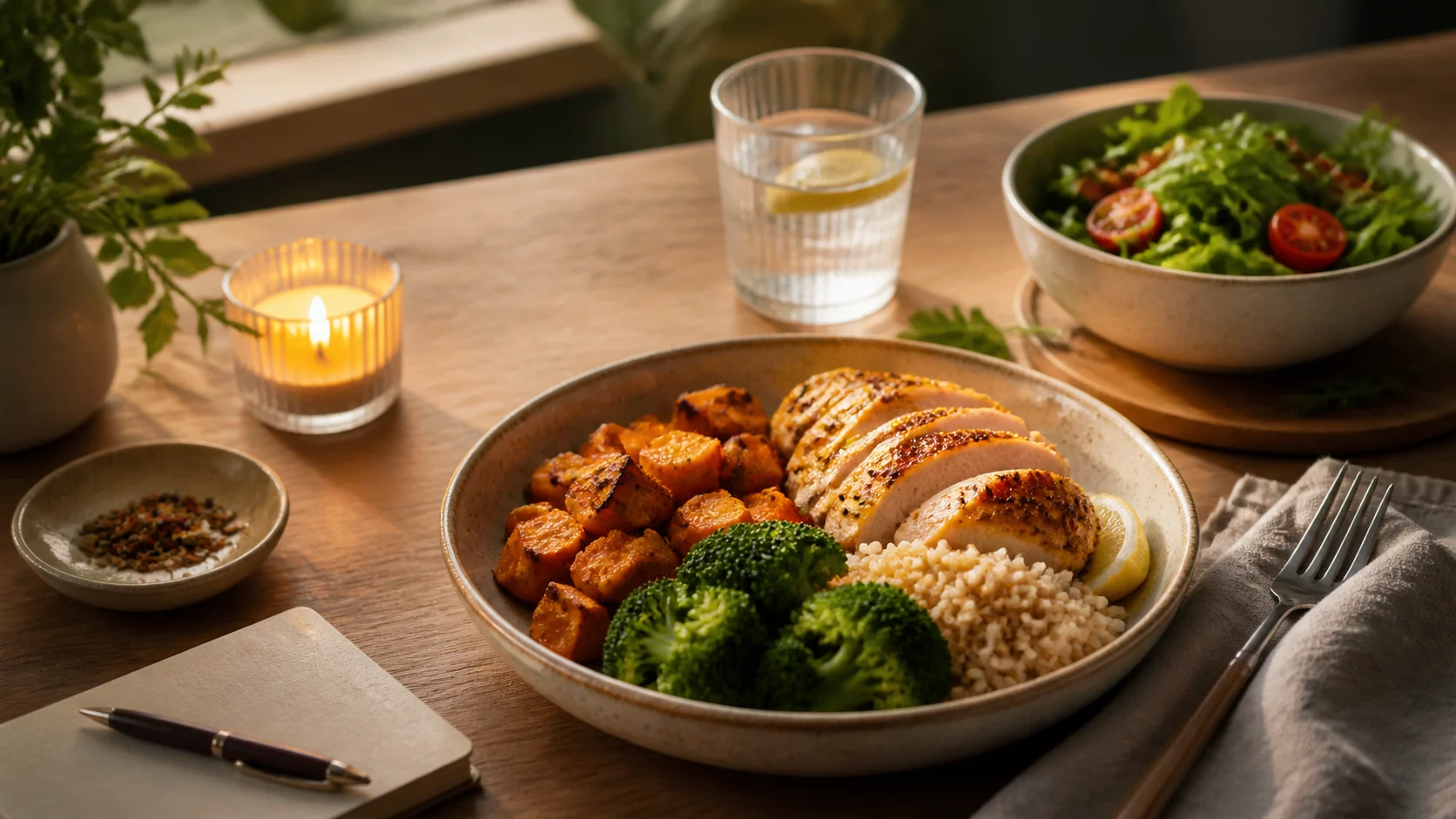
- Start with an anchor. This is usually protein: shredded chicken, baked tofu, beans simmered in broth, eggs folded into fried rice, or salmon warmed in the oven. Protein can support fullness and steadier evening energy.
- Add a comfort base. Think roasted potatoes with crisp edges, warm jasmine rice, buttery quinoa, or pasta with olive oil. A carbohydrate at dinner is not the problem many women were taught to fear. It often helps the meal feel complete.
- Bring in color and softness. A pan of zucchini, blistered tomatoes, garlicky spinach, or a bagged salad dressed with lemon can make the meal feel alive without making it complicated.
- Finish with satisfaction. Crumbled feta, avocado slices, tahini, pesto, or grated parmesan can turn a “healthy” plate into one that actually quiets the kitchen wandering that happens an hour later.
Research has often linked meals with a balance of protein, fiber, and satisfying carbohydrates to better fullness and steadier blood sugar response. One review published in Nutrients noted that higher-protein meals can support satiety, which matters far more in real life than forcing tiny dinners that leave a woman rummaging for snacks by nine o’clock.
Five Easy Dinners That Feel Like Exhaling
- Sheet-pan salmon, baby potatoes, and green beans. Everything roasts together while she changes into softer clothes. The salmon offers richness, the potatoes bring comfort, and the green beans add freshness without effort.
- Turkey taco bowls with rice and avocado. Spoon seasoned ground turkey over warm rice, then add black beans, salsa, lettuce, and avocado. This is one of those healthy dinner recipes that tastes generous, not restrictive.
- Creamy white beans on toast with wilted spinach. Beans warmed with garlic and olive oil, spread over sourdough, with spinach tucked on top. It feels cozy, inexpensive, and surprisingly steadying.
- Rotisserie chicken pasta with frozen broccoli. Toss cooked pasta with olive oil, shredded chicken, broccoli, and parmesan. It is fast enough for a weekday and balanced enough to support a calmer evening.
- Tofu stir-fry with rice noodles. Crisp tofu in a pan, then add a bag of stir-fry vegetables and noodles with a quick soy-sesame sauce. The result is savory, warm, and deeply practical.
The body is not a project to discipline at dinnertime. It is a place asking, often very quietly, to be fed with enough.
What Makes a Dinner Feel Supportive Instead of Restrictive
Some healthy dinner recipes fail not because they are unhealthy, but because they are emotionally unsatisfying. A sparse salad after a draining day may look virtuous on paper, yet leave the body feeling underfed. That is often when second dinners, grazing, or dessert urgency begins.
For a woman exploring a balanced diet for fat loss, it can help to think less about shrinking dinner and more about building one that reduces rebound hunger later. A supportive dinner usually includes enough food, not the smallest amount of food. When the plate holds warmth, texture, and real satisfaction, the nervous system often settles too.
This is why healthy dinner recipes work best when they respect real life: a tired brain, limited time, a strong need for comfort, and a body that does not thrive under constant negotiation.
A Few Practical Questions
What if she is too tired to cook anything at all?
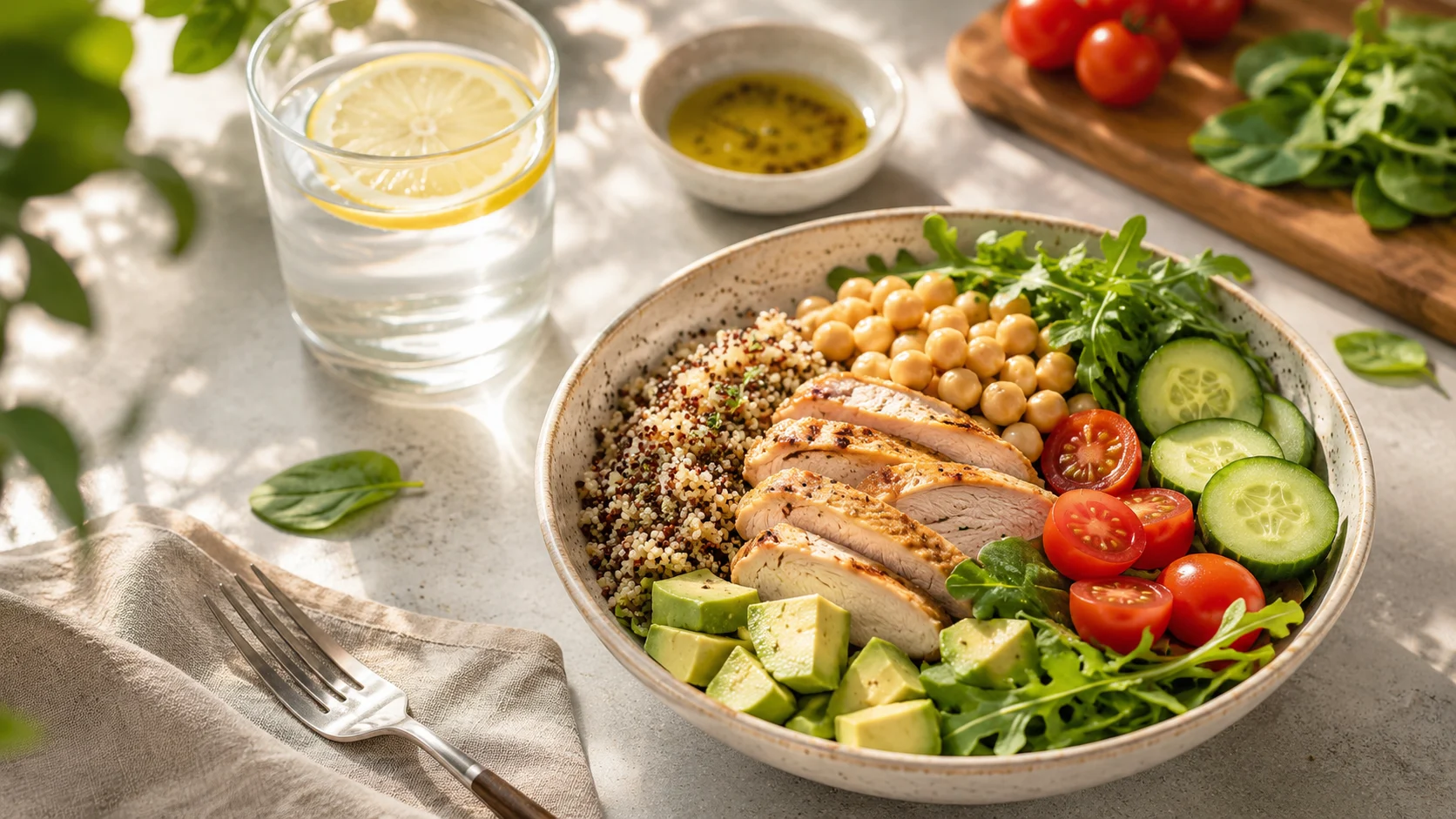
Then dinner can be assembled, not cooked. Rotisserie chicken, microwave rice, cherry tomatoes, and hummus still make a balanced meal. Ease counts.
Can healthy dinner recipes include pasta or rice?
Yes. For many women, including carbohydrates makes dinner more satisfying and can reduce late-night snacking. The goal is steadier energy, not fear around food.
What if she wants dessert after dinner every night?
That may be simple enjoyment, or it may be a sign dinner was not filling enough. Adding more protein, carbs, or fat to the meal can help her notice the difference.
How can dinner support a balanced diet for fat loss without becoming obsessive?
By focusing on consistency, fullness, and satisfaction. Meals that are balanced tend to be easier to repeat, and repeatable meals often support gentle, sustainable change better than strict plans.
Is frozen food okay in healthy dinner recipes?
Absolutely. Frozen vegetables, pre-cooked grains, and simple proteins can make nourishing meals far more realistic on busy nights.
Please note: Every body has its own rhythm, appetite, and needs. This article is for educational purposes and offers gentle nutrition guidance, not personalized medical care. If someone has a health condition, a history of disordered eating, or specific nutrition concerns, it may help to speak with a qualified healthcare professional who can offer individual support.
Leave a Reply