

When a Quiet Meal Matters More Than a Perfect Plan
Many women assume a diverticulitis diet has to be harsh, joyless, or overly complicated. It usually does not. In the tender window after a flare, the body often needs simplicity, softness, and less digestive friction—not more food rules. A gentle approach can support comfort first, then slowly rebuild steadier eating with foods that feel familiar and manageable.
There is often a particular kind of exhaustion that follows digestive discomfort: the kind that makes even lunch feel like a decision too big to hold. In that moment, a bowl of warm broth, plain toast, applesauce, or yogurt can feel less like “diet food” and more like a small act of care. That is the spirit of a thoughtful diverticulitis diet: temporary support, not punishment.
Body signals are not a character test. They are messages asking for a little more listening and a little less force.
The Soft Spoon Method for a Diverticulitis Diet
Instead of swinging between fear and food confusion, it helps to think in a small framework: the Soft Spoon Method. It has three gentle steps that can make a diverticulitis diet feel more human.
- Soothe first. During an active flare, some people are advised to start with clear liquids or very low-fiber foods for a short period. This may look like broth, gelatin, diluted juice, plain crackers, or rice. The goal is not nutritional perfection; it is reducing digestive strain.
- Settle slowly. As symptoms ease, soft low-fiber foods often return next: oatmeal, eggs, mashed potatoes, tender chicken, cottage cheese, bananas, or well-cooked noodles. Think of foods that do not ask the gut to do heavy lifting.
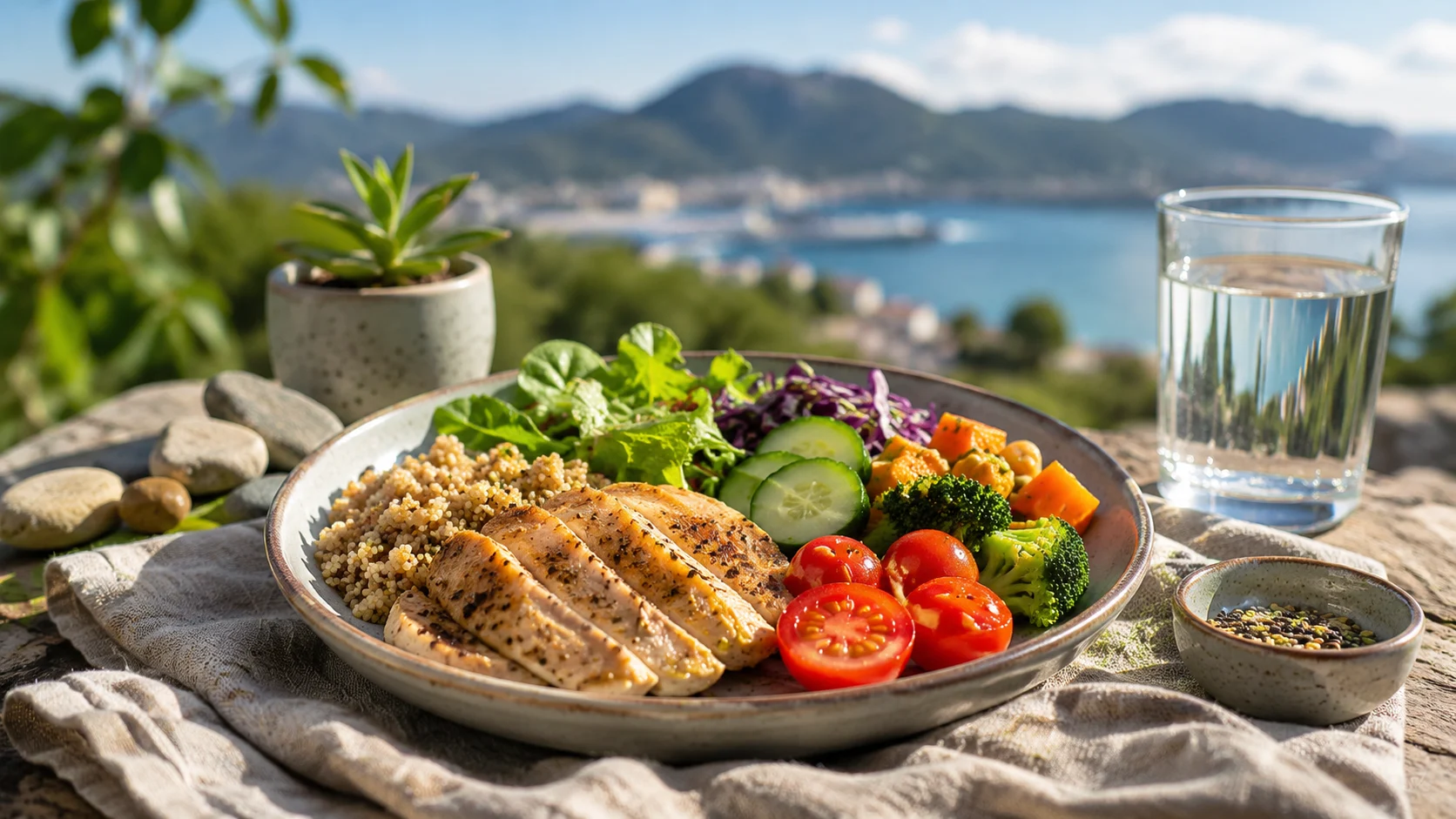
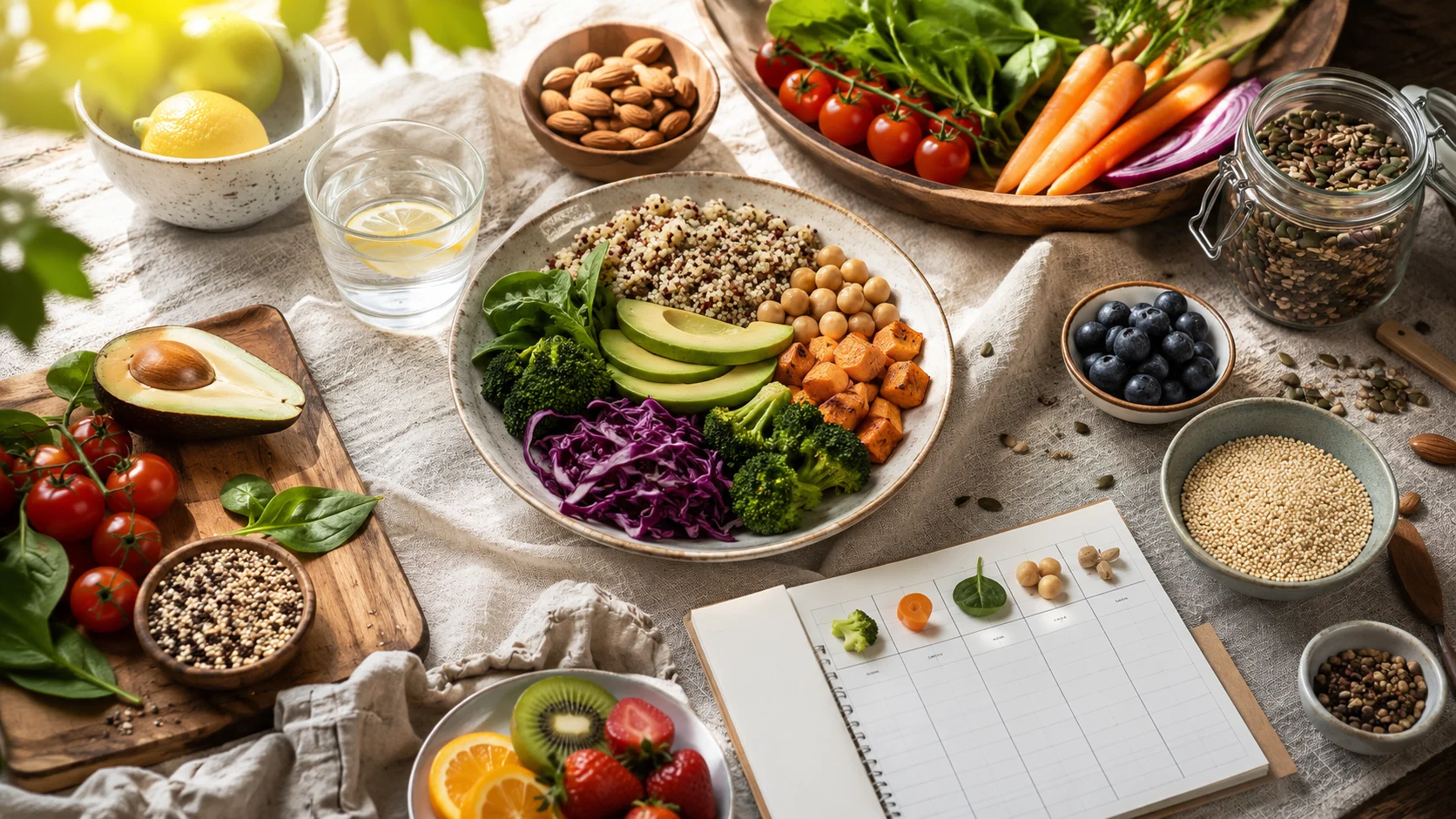
- Strengthen gently. Once recovery is underway, fiber is often reintroduced gradually, because long-term gut support usually looks different from flare-day eating. Cooked vegetables, beans in small amounts, berries, and whole grains may come back one by one, with attention to comfort.
Research and clinical guidance commonly note that fiber intake is often reduced during a flare but can become important again after recovery. Some studies have also observed that higher long-term dietary fiber may be linked with better digestive health patterns in many adults. That shift matters: the short-term diverticulitis diet and the long-term everyday pattern are not always the same thing.
What This Can Look Like on a Real, Tired Day
For the woman standing in her kitchen at 6:40 p.m., already worn thin by meetings, errands, or caregiving, “gut-friendly” often needs to mean easy enough to actually happen. A realistic diverticulitis diet might look like:
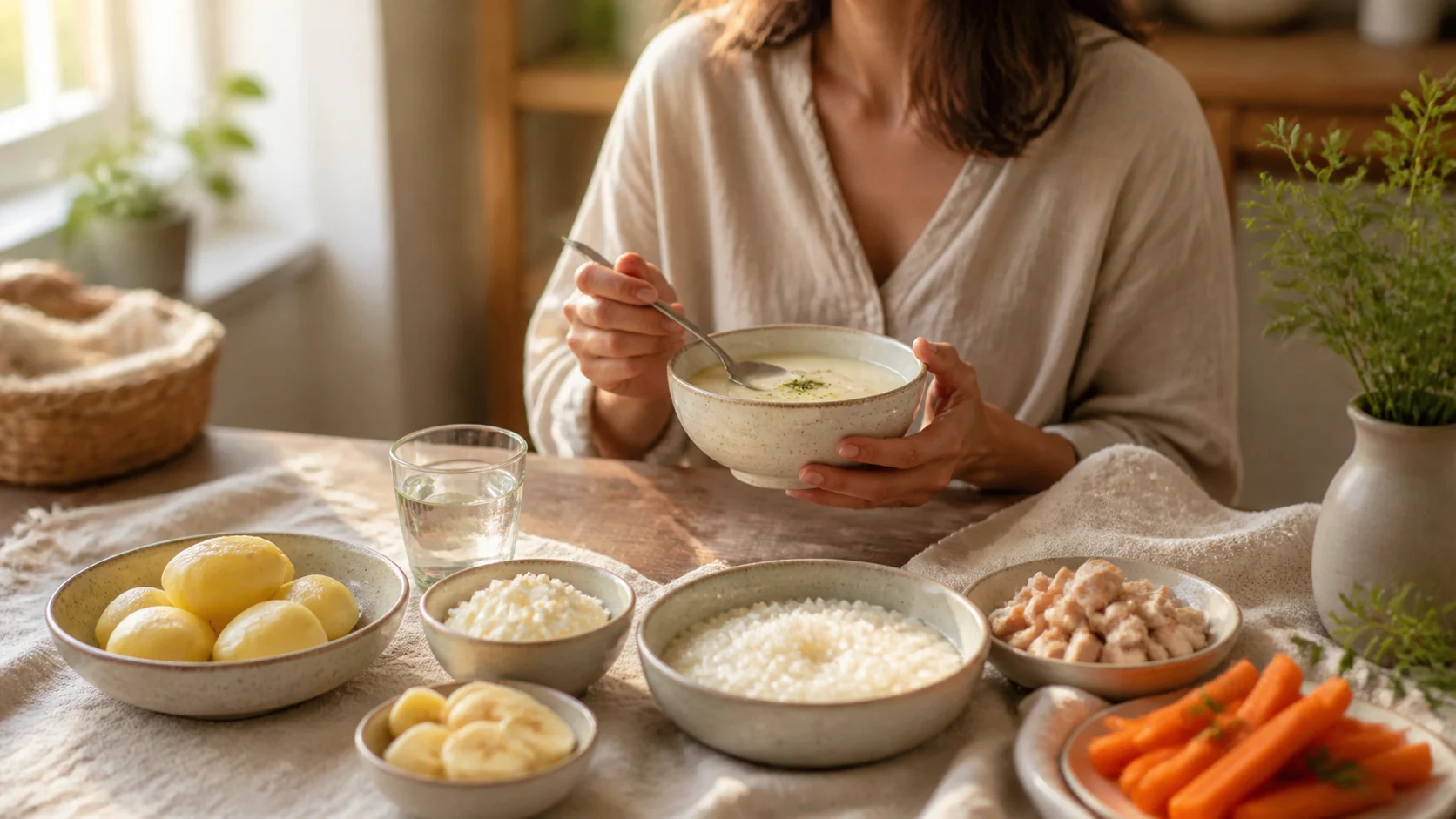
- Morning: a bowl of plain oatmeal, still warm from the microwave, with a little banana stirred in if tolerated.
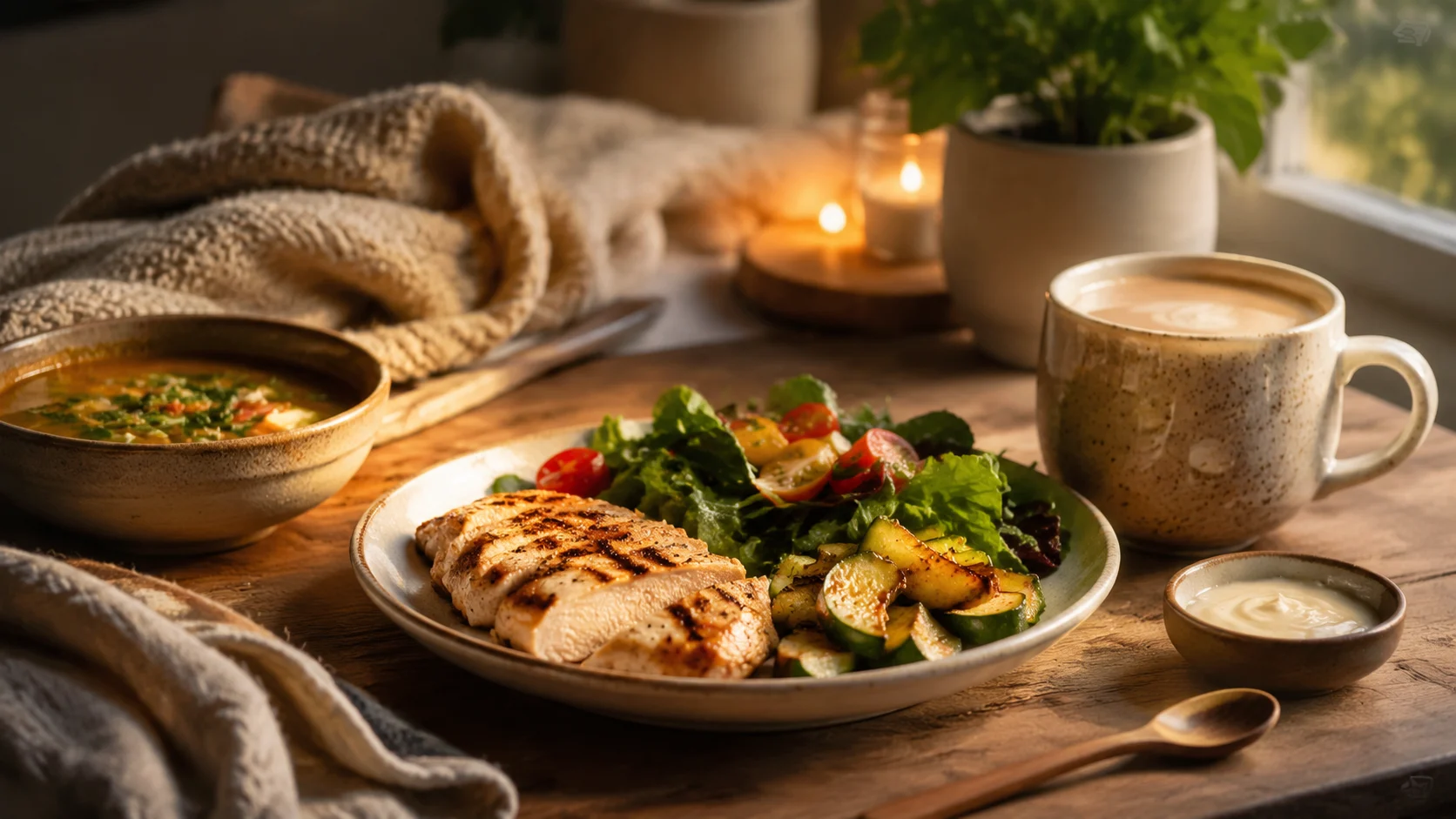
- Midday: a simple soup with soft noodles and shredded chicken, eaten slowly between emails.
- Evening: mashed potatoes with scrambled eggs, or white rice with tender fish and well-cooked carrots.
- Snacks: applesauce, yogurt, saltines, or toast with a thin layer of smooth nut butter if it sits well.
This is where comparison to plans like the dukan diet can quietly create confusion. A diverticulitis diet is not built around rigidity or body reshaping goals. It is a temporary, symptom-aware eating pattern meant to support comfort and recovery. Even if someone has tried the dukan diet in the past, this moment asks a different question: what feels gentle enough for the body right now?
A healing season does not need food bravado. It needs meals soft enough to meet the body where it is.
The Foods That Often Feel Better—and the Pace That Matters
During recovery, texture can matter almost as much as ingredients. Many people find it easier to tolerate foods that are soft, moist, cooked, and plain. Dry salads, heavy fried meals, and oversized portions can feel like too much, especially too soon.
It may help to remember the phrase “gentle by degree”: not all at once, not all raw, not all ambitious. A small serving of well-cooked zucchini may land better than a giant bowl of raw vegetables. A spoonful of oatmeal may feel safer than a fiber-packed bran cereal. Slow increases often give clearer feedback than dramatic changes.
Hydration matters here too. Water, tea, broth, or diluted drinks can support comfort, especially when appetite is low. Small meals eaten across the day may feel steadier than one large plate.
You Might Also Wonder
Can a diverticulitis diet include fiber later on?
Often, yes—just not always right away. During a flare, lower-fiber choices may be advised for a short time. After symptoms improve, fiber is often added back gradually, one calm step at a time.
What if she feels hungry but is afraid to eat?
That fear is understandable after pain. It can help to start with something small and soft, like broth with noodles or yogurt with a few spoonfuls at a time. Gentle consistency often feels safer than forcing a full meal.
Is the dukan diet helpful during diverticulitis recovery?
Not usually as a recovery framework. A diverticulitis diet is about digestive ease and symptom support, while the dukan diet is a very different kind of structured eating plan. Recovery usually goes better with flexibility and softness.
How long should low-fiber eating last?
It varies. Some people only need a brief period before moving toward more variety. Because every digestive history is different, timing is best guided by a healthcare professional who knows the full picture.
Please note: Every body has its own rhythm. This gentle guide is for educational purposes and does not replace personalized advice from a healthcare professional, especially if symptoms are severe, recurring, or changing.
Leave a Reply