

When “healthy” starts to feel confusing
She may think a low cholesterol diet means food has to become smaller, blander, and more punishing. But it often works best as the opposite: a calmer way of eating that supports the heart without turning meals into a test of self-control. For many women, that shift matters because stress, fatigue, and irregular eating can shape appetite just as much as the menu itself.
A gentle low cholesterol diet usually leans on fiber, unsaturated fats, and satisfying meals that keep blood sugar steadier. It is less about fear and more about rhythm. In one large analysis published in JAMA, higher soluble fiber intake was associated with modest improvements in LDL cholesterol, which is one reason simple foods like oats, beans, apples, and flax often show up in heart-supportive eating.
Healthy eating works better when it feels like support, not surveillance.
The “soft swap” pattern that changes a plate
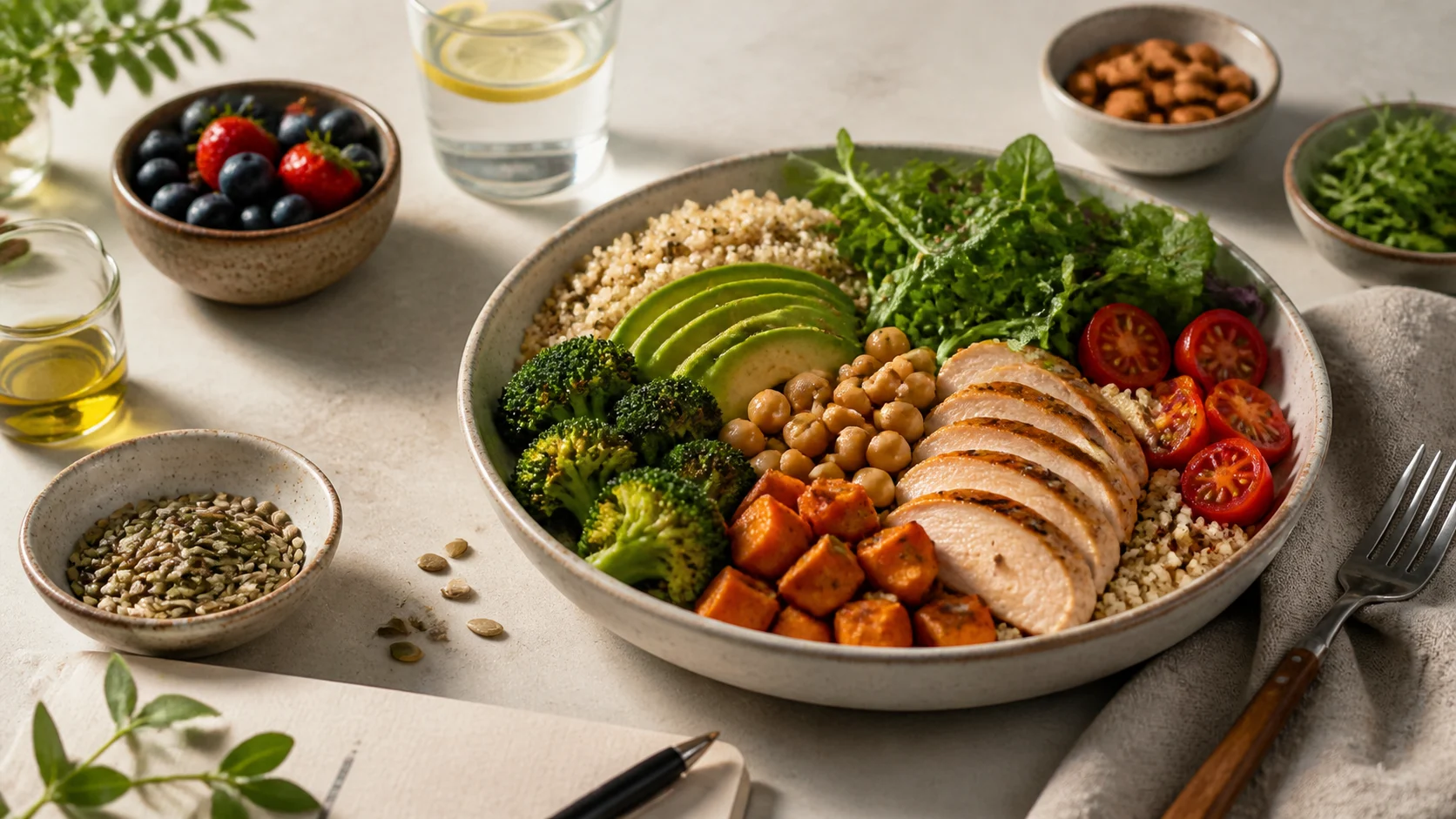
Instead of asking her to rebuild everything, Joyini’s kind of nutrition would use a small frame: the Soft Swap Pattern. It means keeping the comfort of familiar meals while nudging them toward more heart-friendly balance.
- Start with fiber. Picture oatmeal warmed on the stove, then topped with walnuts and berries rather than left plain. That extra texture helps the meal last longer.
- Choose quieter fats. Olive oil, avocado, seeds, and nuts can replace some saturated fats without making food feel stripped down.
- Keep protein in the room. Beans, tofu, fish, yogurt, and eggs can help a meal feel complete, so she is not hungry again an hour later.
- Add color with purpose. A salad is less interesting when it feels like punishment; it becomes easier to love when it is dressed with citrus, herbs, and something crunchy.
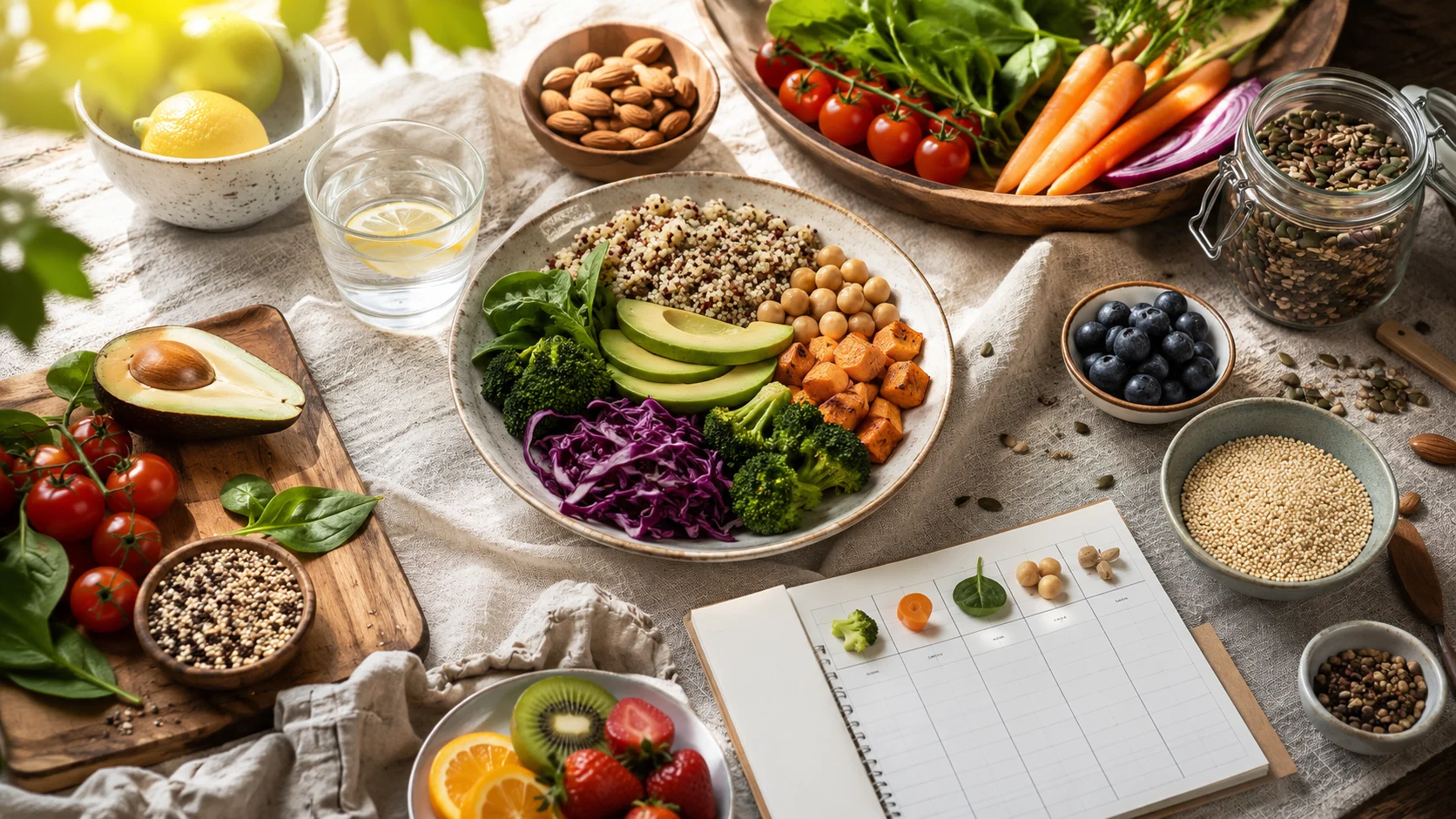
This is where a pcos diet conversation sometimes overlaps naturally. Many women with PCOS are also trying to support blood sugar, energy, and cholesterol at the same time, so the most helpful meals tend to be the ones that feel steady, not strict. A bowl with lentils, roasted vegetables, brown rice, and tahini can serve both goals without drama.
A table of meals that feel real
| Meal mood | Gentle choice | Why it helps |
|---|---|---|
| Rushed morning | Overnight oats with chia and sliced pear | Fiber and slow energy before the day starts |
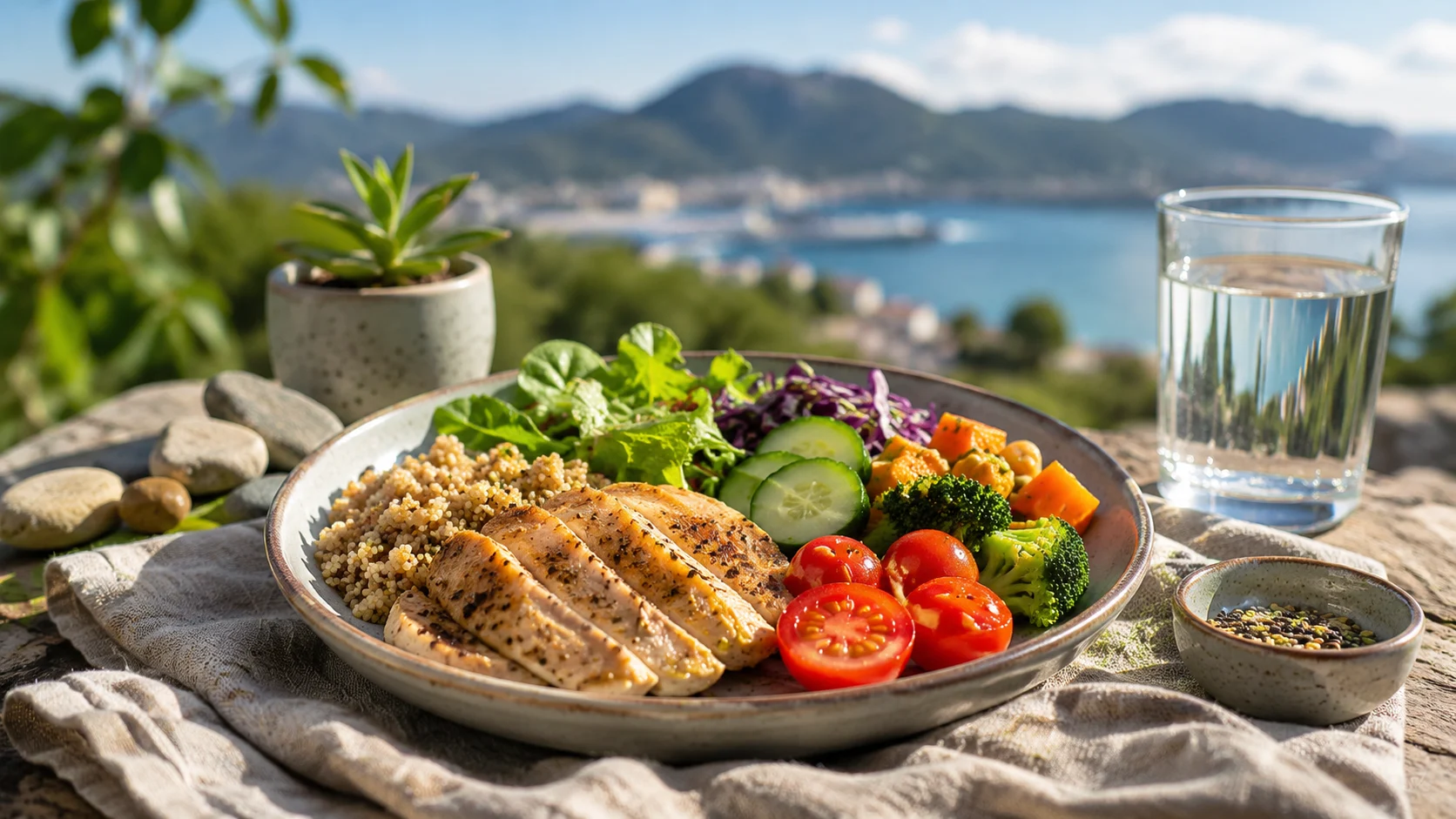
| Midday desk lunch | Turkey or tofu wrap with greens and hummus | Balanced enough to avoid the 3 p.m. crash |
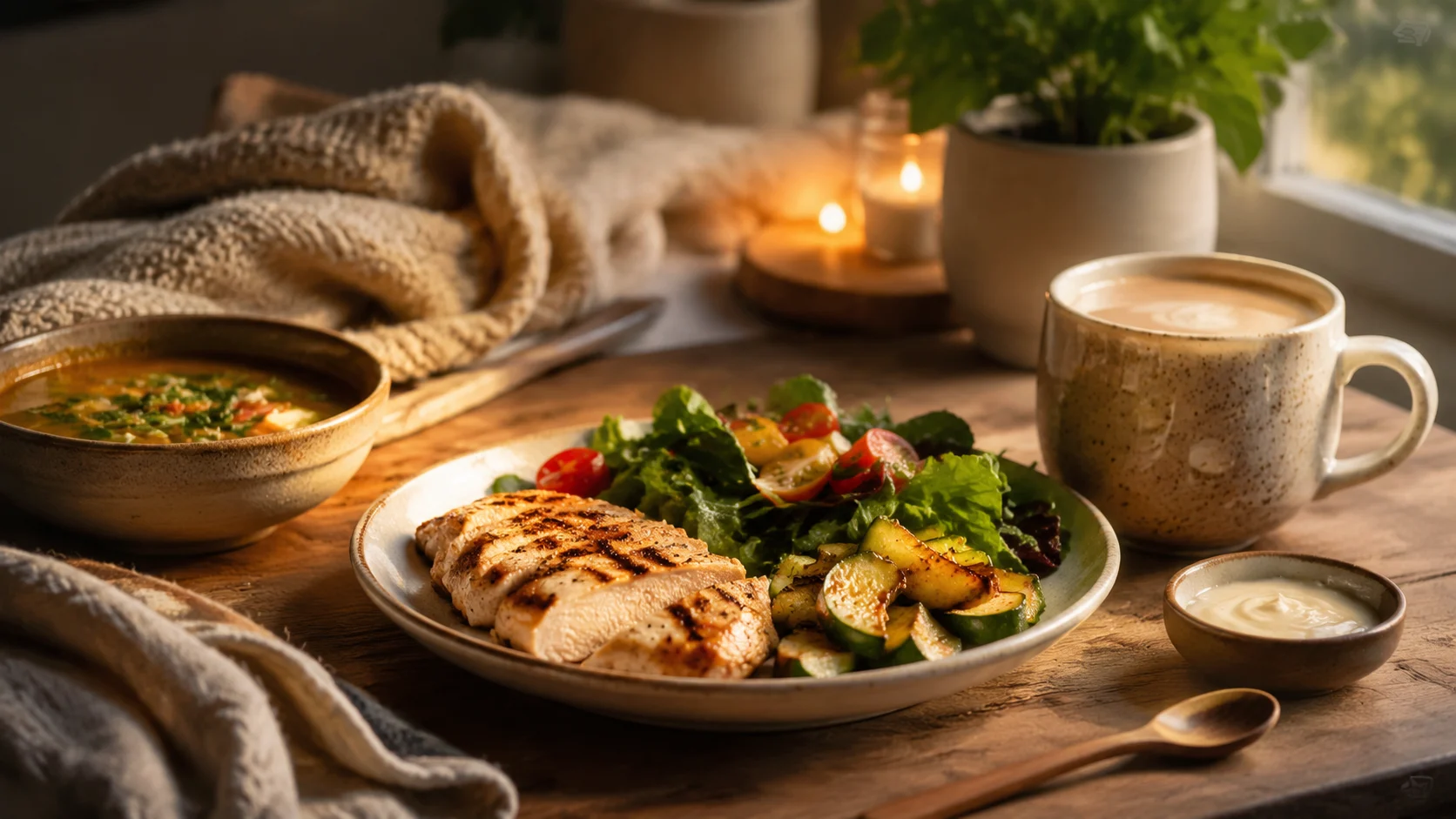
| Too-tired dinner | Salmon, microwaved sweet potato, and bagged salad | Heart-supportive without requiring a perfect kitchen |
A low cholesterol diet does not need to look polished on Instagram to count. The meal that gets eaten, enjoyed, and repeated is often the one that matters most.
What the body often needs behind the craving
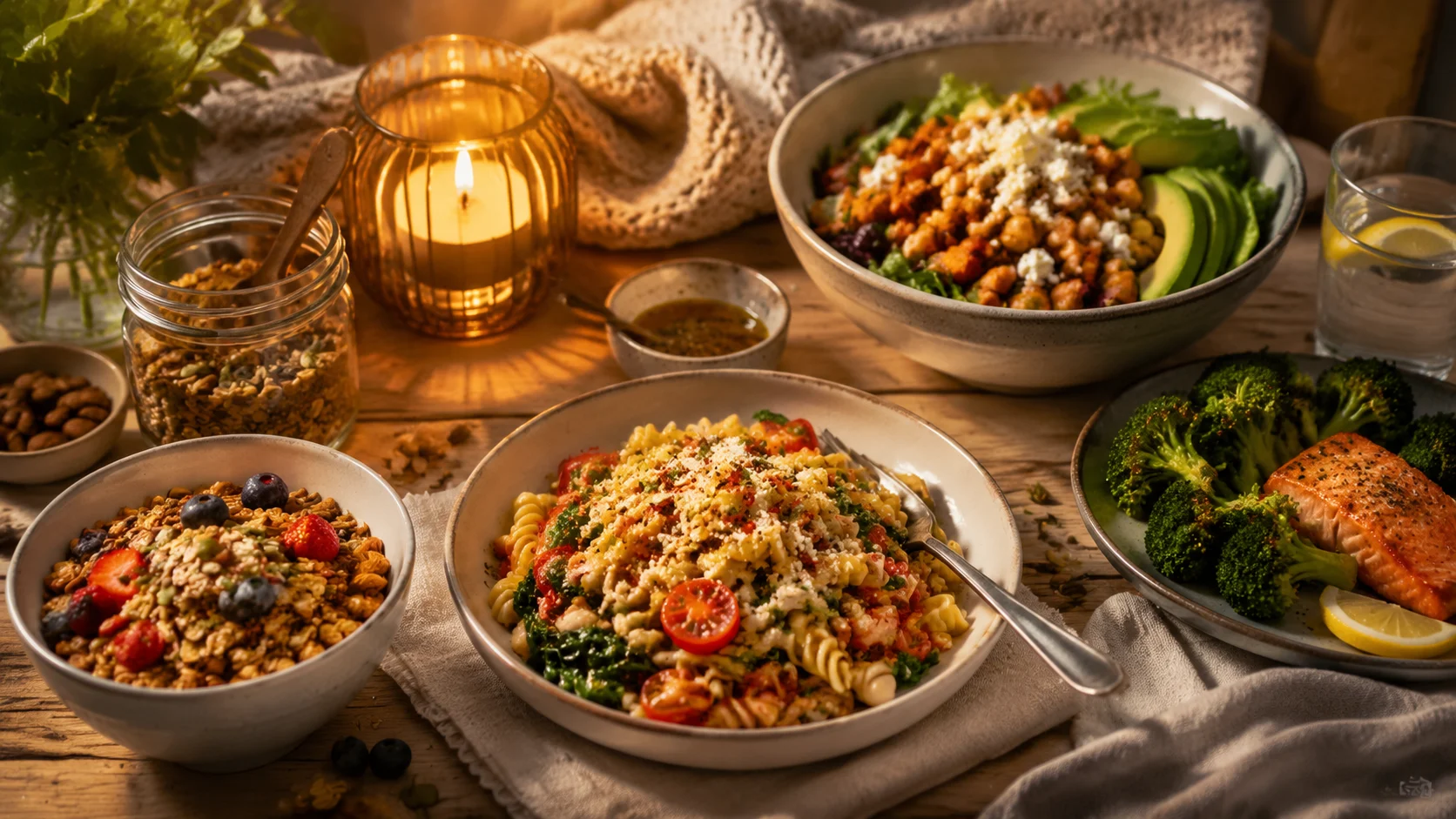
When someone starts eating more thoughtfully, cravings can get louder before they get quieter. That is not failure; it is often the body adjusting to steadier nourishment. If she has spent years skipping breakfast, living on coffee, or swinging between restriction and late-night snacking, her appetite may need reassurance more than discipline.
That is why a low cholesterol diet works best when it includes enough food. Not tiny portions. Not endless rules. Enough.
The body does not soften under pressure; it softens when it is fed consistently.
For women who are also exploring a pcos diet, the same principle applies: the most supportive pattern is usually the one that reduces extremes. A steadier plate can feel like a quieter nervous system.
Questions that often come up
Can I still eat eggs on a low cholesterol diet?
Many people can include eggs in moderation, especially when the rest of the meal is built around fiber-rich foods and healthier fats.
Do I need to cut out all fat?
No. The body needs fat. The gentler goal is to favor unsaturated fats more often and keep the meal balanced.
What if I’m too busy to cook?
A store-bought rotisserie chicken, bagged greens, whole-grain bread, and fruit can become dinner in minutes. Real-life nourishment counts.
Is this the same as a pcos diet?
Not exactly, but there is overlap. Both often benefit from balanced meals, fiber, and enough protein to keep energy steadier.
Please note: Every body has its own rhythm. This gentle guide is for education only and does not replace personalized advice from a healthcare professional, especially if you have a medical condition or specific lab concerns.
Leave a Reply