

When Opposites Both Promise Relief
Many women meet the carnivore diet and the vegetarian diet at the same tired moment: when energy feels shaky, meals feel complicated, and food advice has become louder than body signals. The direct answer is this: neither pattern is automatically “better” for every woman. The more helpful question is whether a way of eating supports steady energy, satisfaction, digestion, and ease in real life.
Here is the pattern interrupt many readers need to hear: the most extreme plan is not always the most supportive one. Sometimes the body is not asking for stricter rules. Sometimes it is asking to be understood.
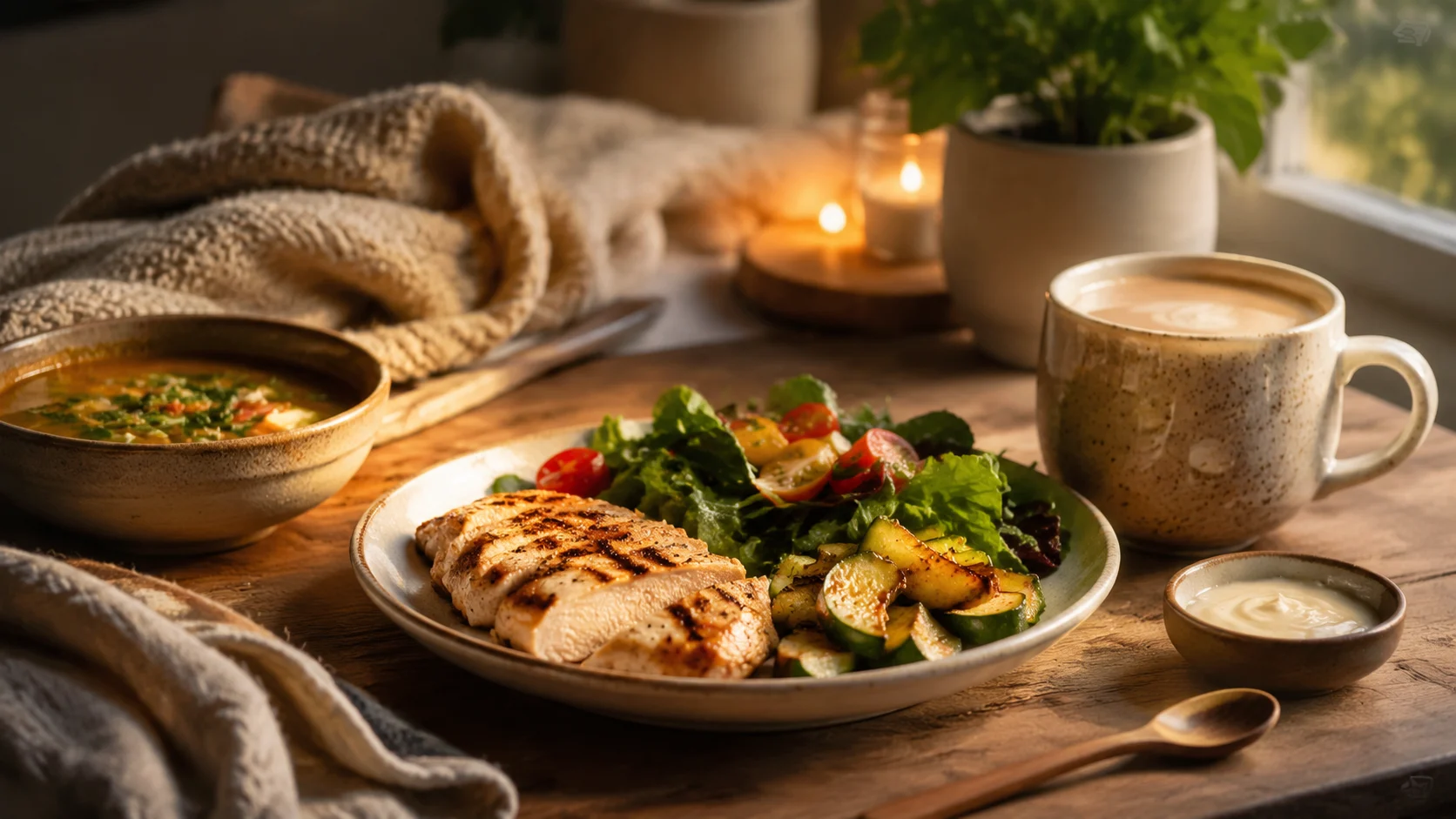
For one woman, the carnivore diet may feel simple because it removes decision fatigue. For another, the vegetarian diet may feel grounding because it brings color, fiber, and familiar comfort back to the plate. The difference often lives less in internet promises and more in what happens at 8 p.m., after work, when hunger, stress, and exhaustion all sit down at the table together.
The Quiet Trade-Offs Behind Each Plate
It helps to use what Joyini might call the “Steady Plate Lens”: instead of asking which diet sounds more disciplined, ask which one gives enough nourishment, emotional ease, and practical sustainability.
| Pattern | What It May Offer | What It May Miss | Real-Life Question |
|---|---|---|---|
| Carnivore diet | Simple structure, high protein, fewer food decisions | Very low fiber, limited variety, social restriction, possible constipation for some | Does this feel supportive, or does it make daily life smaller? |
| Vegetarian diet | More fiber, plant variety, flexible meal options, often easier for long-term meal building | May fall short on protein, iron, B12, or fullness if meals are not balanced | Am I truly nourished, or just eating “light” and staying hungry? |
Research has long observed that most adults benefit from adequate dietary fiber, and general nutrition guidance often points toward around 25–30 grams per day. That matters here because the carnivore diet removes plant foods entirely, while a thoughtfully planned vegetarian diet can make fiber easier to reach. On the other hand, protein intake can feel more automatic on a meat-only plan and more intentional on a plant-forward one.
Body signals are not a character test. They are messages asking for care.
Why Extreme Certainty Can Feel So Tempting
There is a reason black-and-white plans feel comforting. A woman who has spent years swinging between restriction and cravings may feel relieved when someone hands her a rulebook. The carnivore diet can sound clean in its simplicity: just eat animal foods and stop overthinking. The vegetarian diet can sound morally or physically calmer: more plants, less heaviness, more balance.
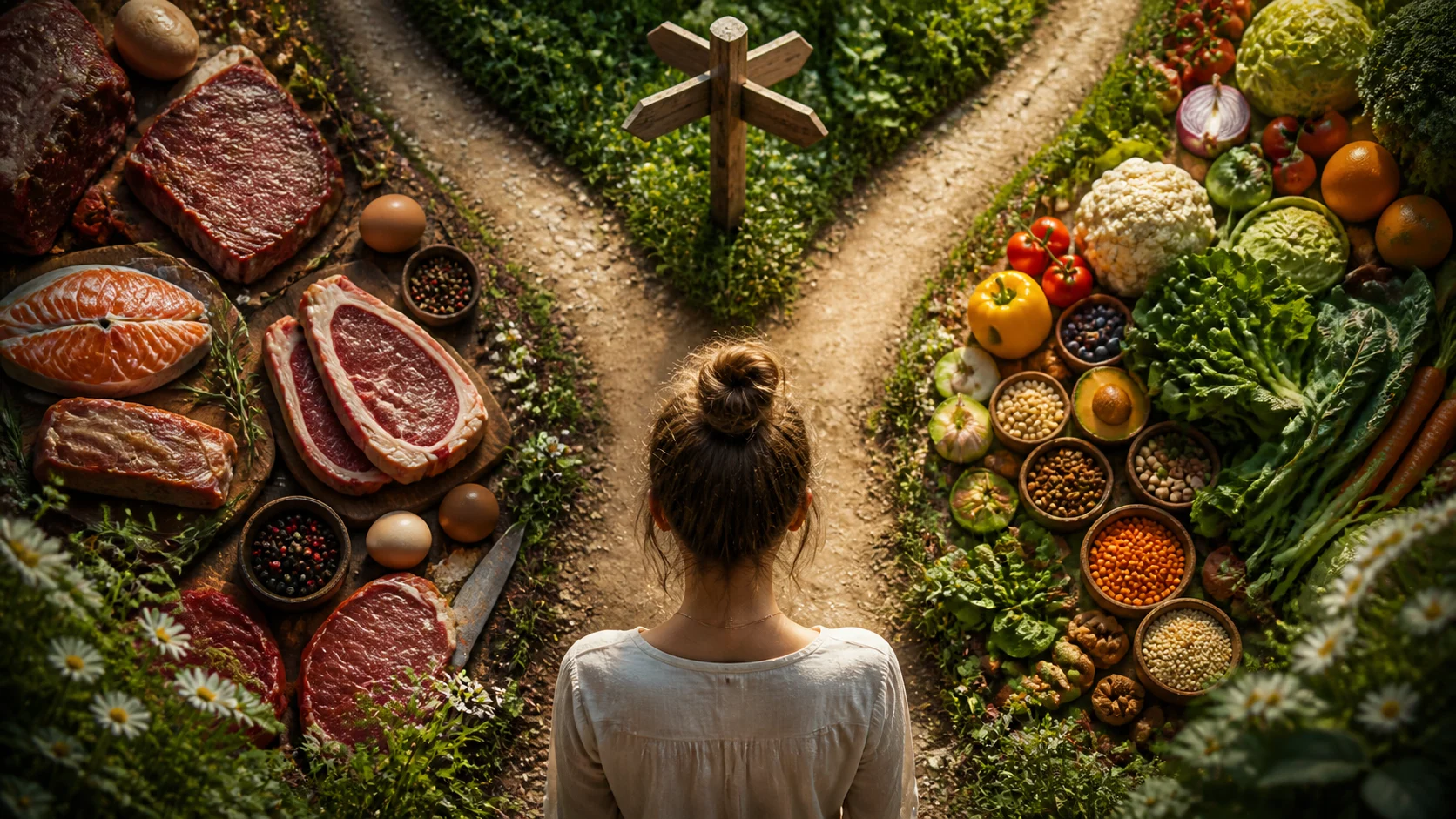
But relief and support are not always the same thing. A rigid food pattern can feel peaceful for a week simply because it removes choice. Then real life returns. There is a birthday dinner. A low-energy afternoon. A week before a period when hunger rises and comfort matters more. This is where a plan reveals its true shape.
For women with a history of dieting, the deeper issue is often not whether the carnivore diet or vegetarian diet is more “correct.” It is whether the plan strengthens trust with food, or quietly reawakens fear, control, and rebound cravings.
How to Use the “Steady Plate Lens” Without Picking Sides
A gentler approach does not demand perfection. It asks better questions:
- Notice energy after meals. If a meal leaves her calm and steady for a few hours, that is useful information. If she feels wired, starving, or emotionally preoccupied soon after, the plate may need more support.
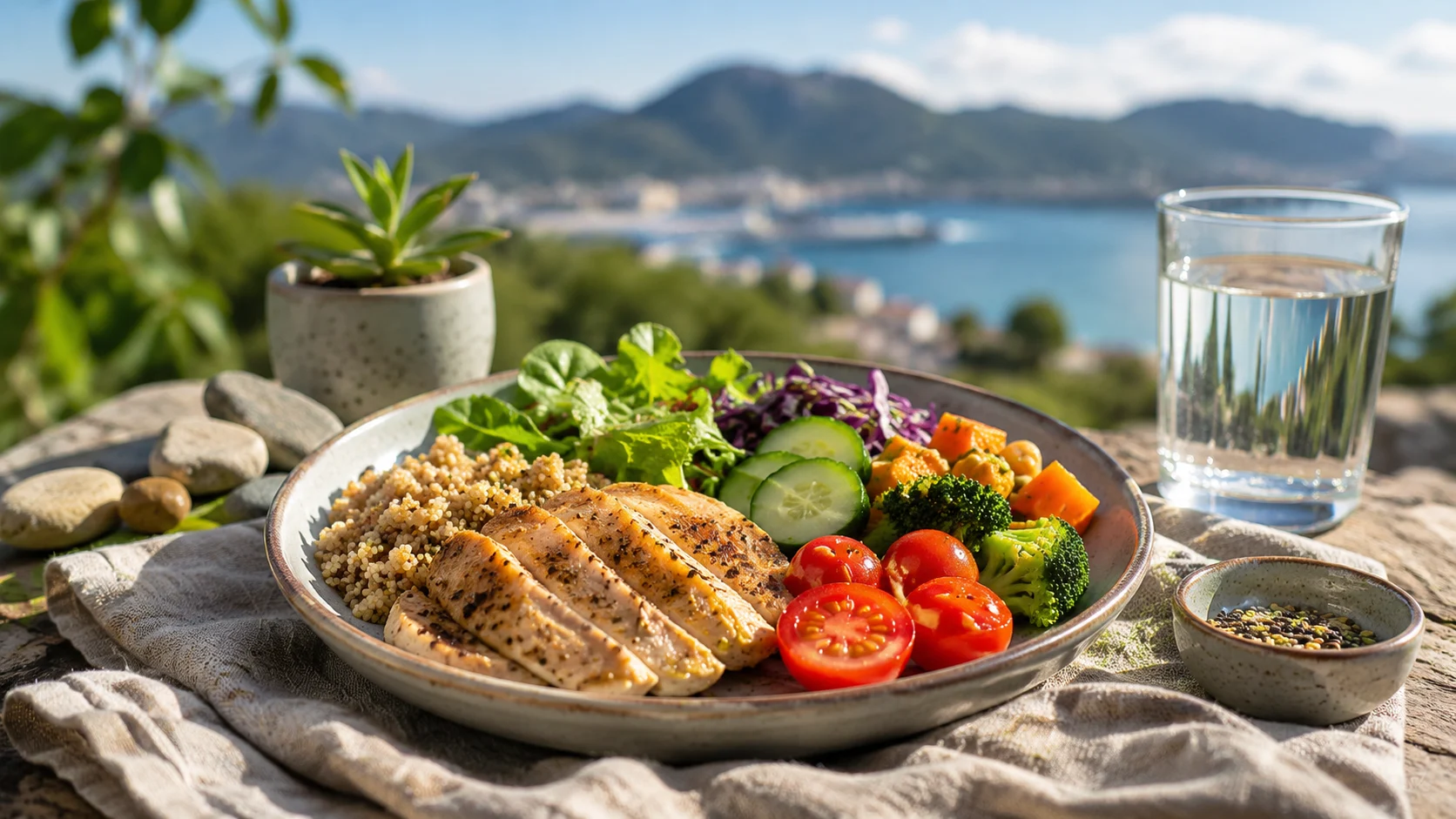
- Look for satisfaction, not just rules. A bowl of lentils with warm rice, olive oil, and roasted vegetables may satisfy someone on a vegetarian diet. Someone else may feel better with salmon, potatoes, and something green. Satisfaction is part of nourishment.
- Respect practicality. If a way of eating collapses the moment life gets busy, it may not be gentle enough for real life.
- Watch for hidden scarcity. A plate can look “healthy” and still be too small, too low in carbs, or too low in protein. The body usually notices before the mind wants to admit it.
This is where the comparison becomes less dramatic and more humane. The carnivore diet may simplify choices, but simplicity alone does not guarantee comfort. The vegetarian diet may offer variety, but variety alone does not guarantee fullness. What helps most is a pattern that supports steady energy, enough nourishment, and a peaceful relationship with food.
The body is not a project to overpower; it is a place to come back to.
What a Gentle Middle Ground Can Look Like
For many readers, the most supportive path is not choosing dietary extremes at all. It may look like borrowing useful ideas without borrowing the rigidity. She might appreciate the protein awareness often discussed around the carnivore diet, while also keeping the color, fiber, and flexibility that often make a vegetarian diet feel more sustainable.
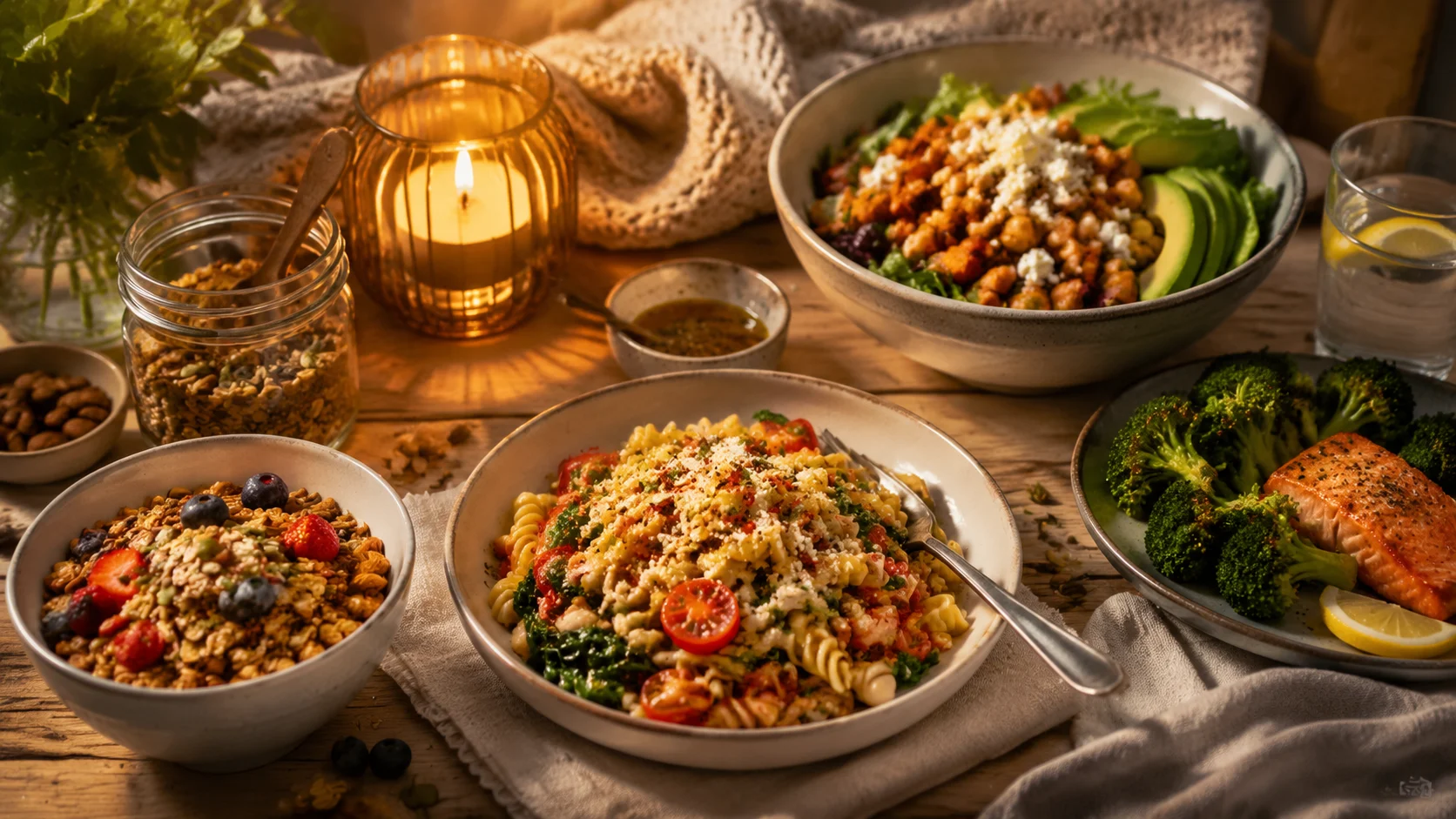
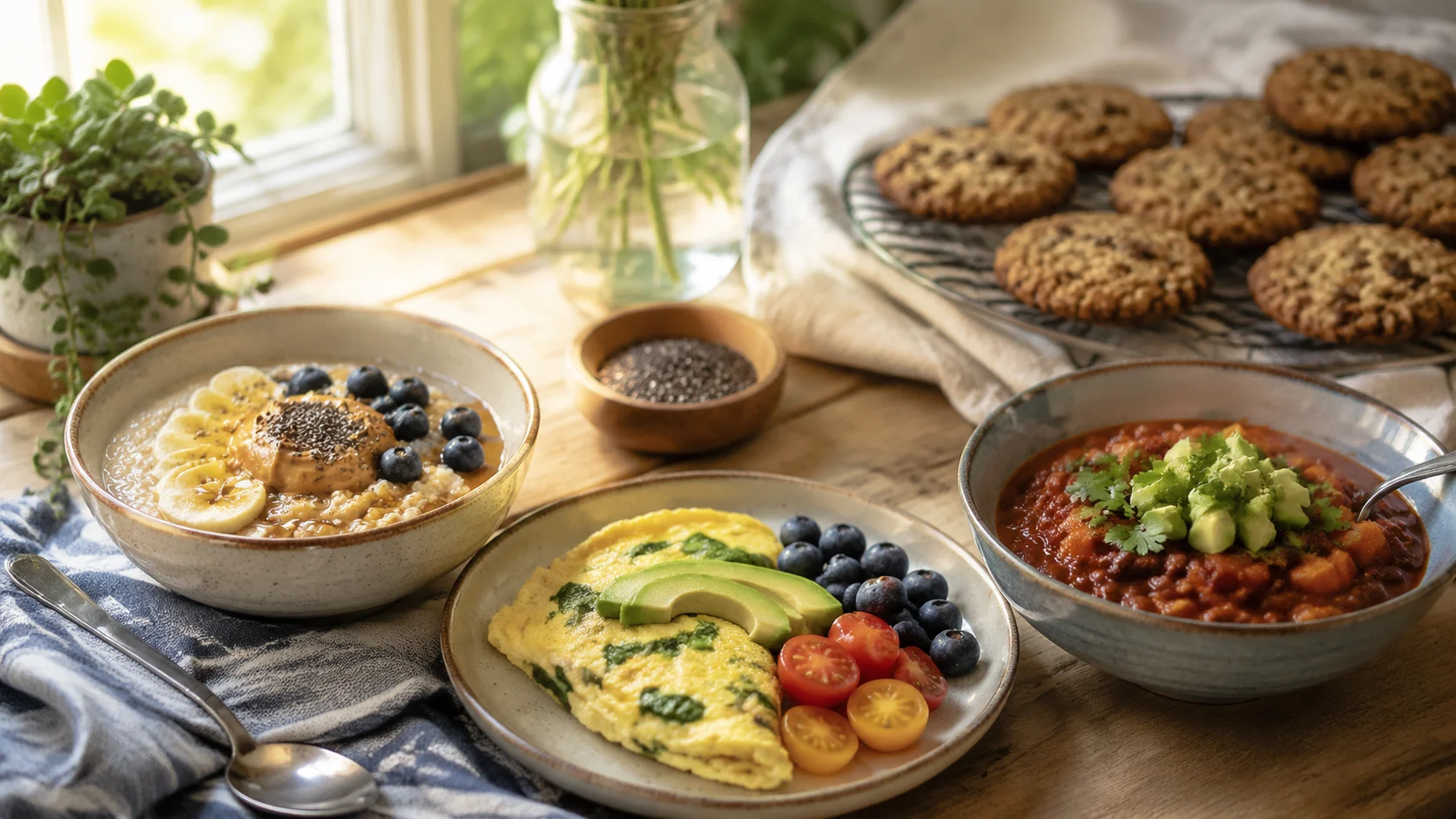
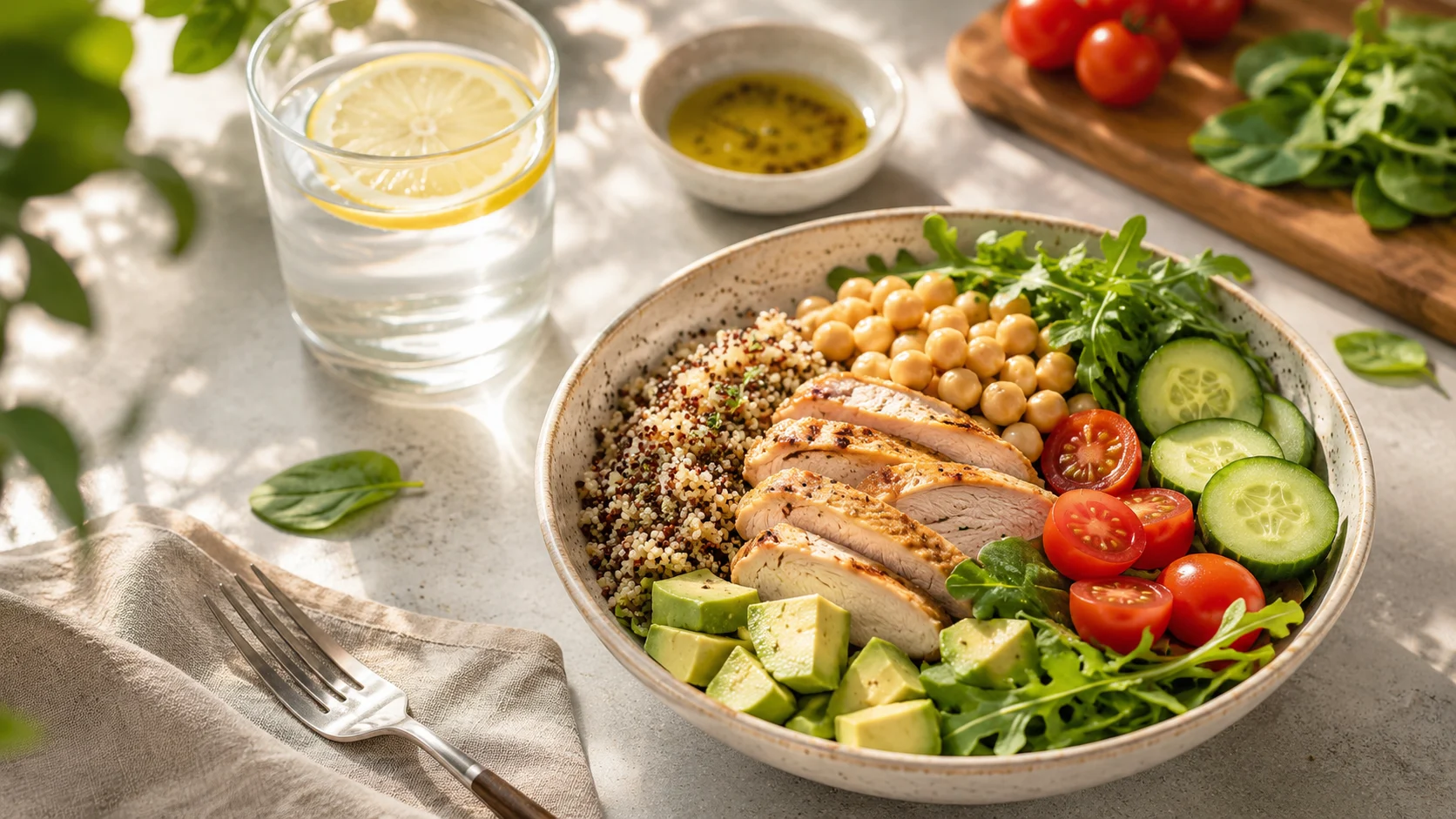
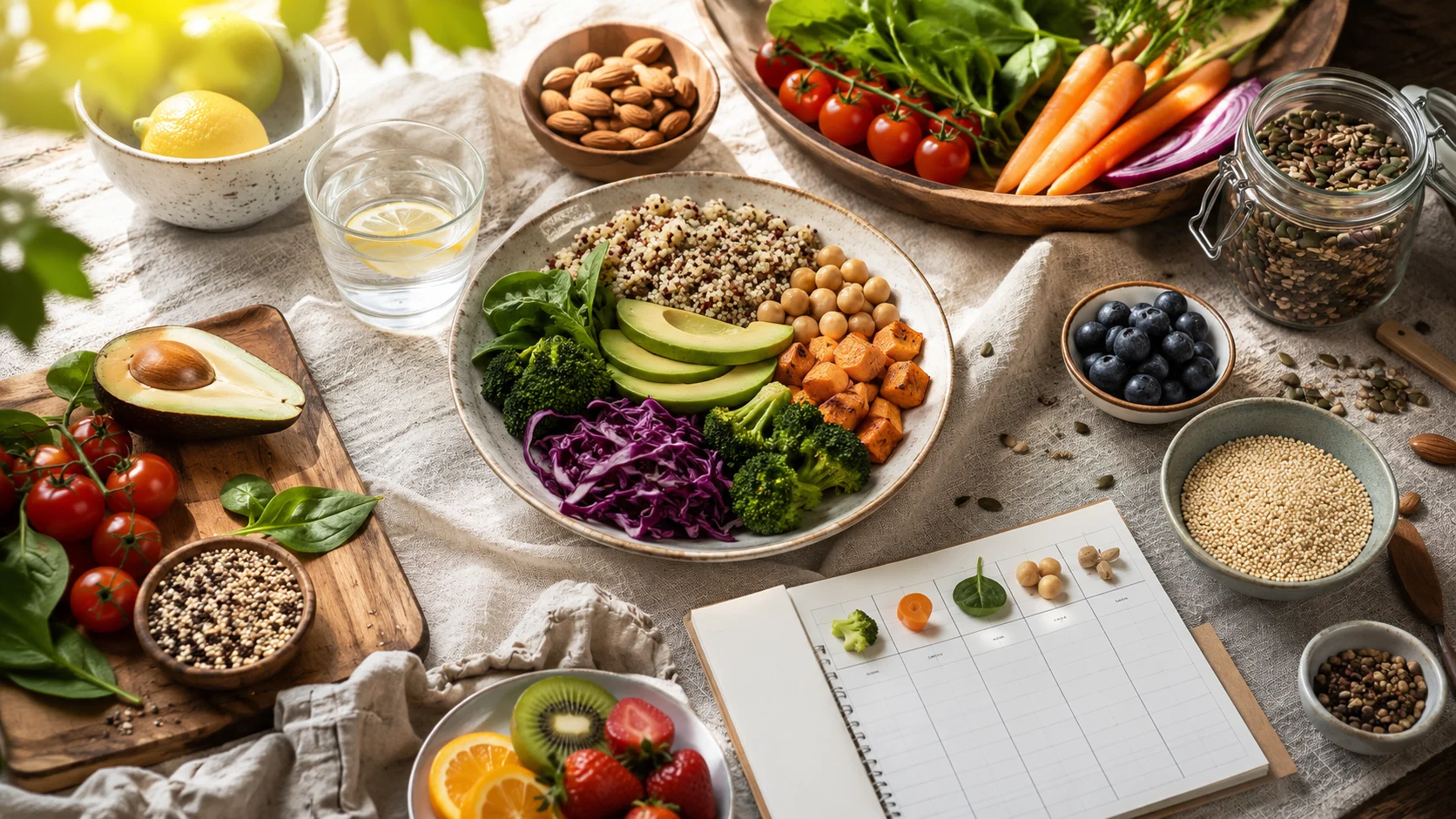
In real kitchens, this can be wonderfully ordinary: eggs beside sourdough and sautéed spinach in the morning, or a grain bowl with roasted chickpeas, avocado, and a spoonful of yogurt at lunch. It can also include meat, or not. The point is not food identity. The point is whether the meal helps her feel fed, steady, and at ease.
Please note: Every body has its own rhythm, history, and needs. This gentle guide is for educational purposes and does not replace personalized advice from a registered dietitian or healthcare professional, especially if someone is pregnant, managing a medical condition, or has a history of disordered eating.
A Few Practical Questions
What if the carnivore diet makes me feel less bloated at first?
That early shift can happen for some people, especially when many foods are removed at once. But early relief does not always tell the whole story. It helps to watch energy, digestion, bowel habits, mood, and long-term sustainability.
Can a vegetarian diet provide enough protein for busy women?
Yes, but it usually works best with intention. Meals built around Greek yogurt, tofu, eggs, lentils, cottage cheese, edamame, or beans often feel more steady than plates built mostly from bread or salad alone.
What if I feel trapped between wanting health and fearing food rules?
That tension is more common than it seems. A helpful next step is to focus on adding support rather than adding restriction: more protein, more fiber, more regular meals, and more compassion for what stress does to appetite.
Is one of these diets better for emotional eating?
Usually, emotional eating is not solved by stricter food rules alone. If a pattern increases obsession, isolation, or rebound cravings, it may not help the deeper issue. Support often begins with steadier nourishment and less shame.
Leave a Reply