

The surprise isn’t which plan is “better”
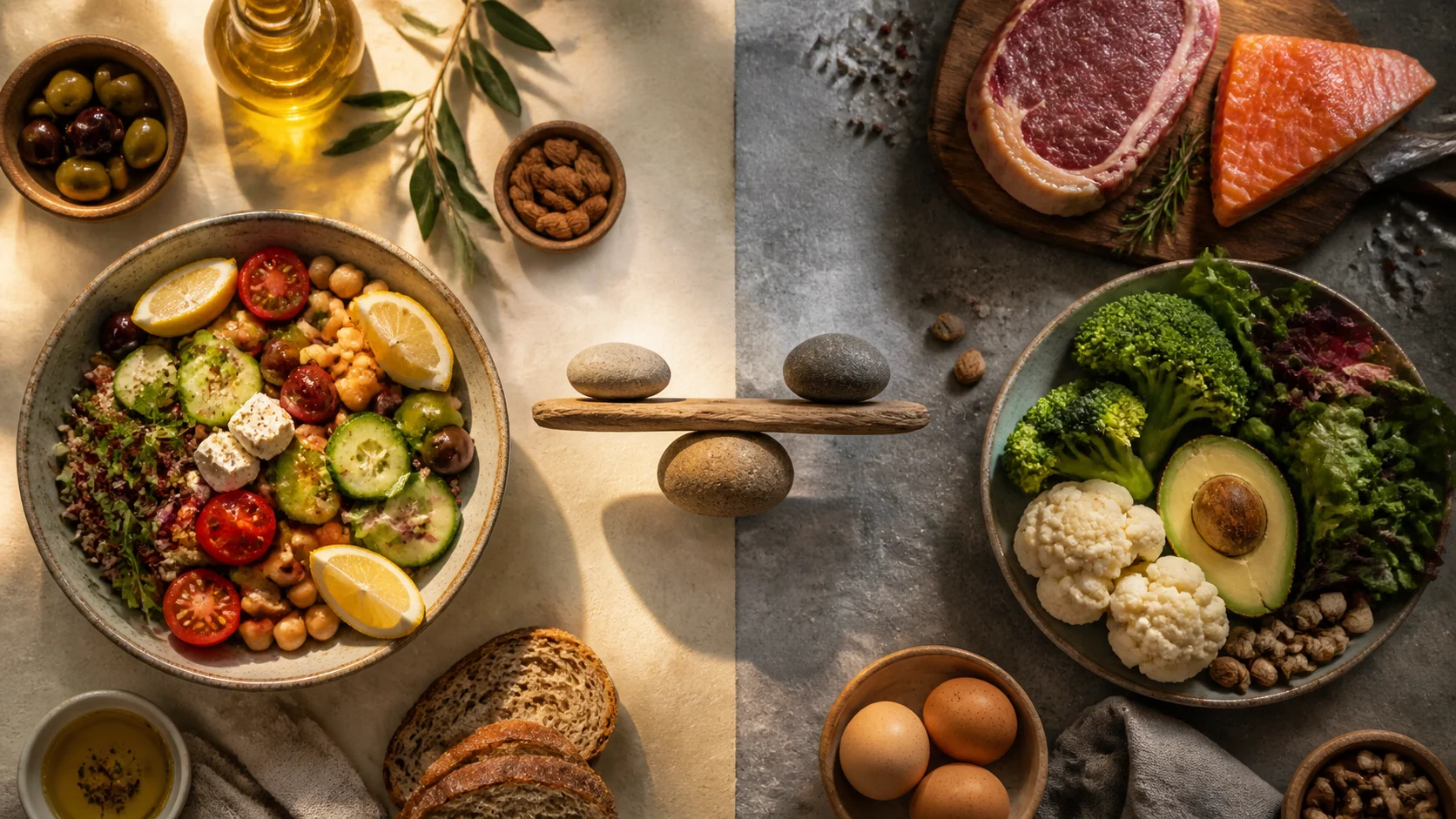
Many women are told they need stricter rules to eat well. **Often, the opposite is closer to the truth.** When someone compares the mediterranean diet with the paleo diet, the real question is rarely about discipline. It is more often about which approach supports steady energy, satisfaction, and a calmer relationship with food in actual daily life.
For a busy woman eating lunch between meetings or standing in her kitchen at 6:40 p.m. with very little left to give, food needs to feel possible. The mediterranean diet tends to offer that kind of flexibility: vegetables, beans, grains, olive oil, fish, yogurt, fruit, bread, and meals shared without drama. The paleo diet may feel clear and structured to some people, but for others, its exclusions can quietly turn dinner into another mental task.
Body trust rarely grows in the soil of constant restriction.
A gentle way to compare them is through what Joyini might call the Ease-Plate Lens: Can she build a meal without fear, eat enough to feel grounded, and repeat it on an ordinary Tuesday?
Where the mediterranean diet often feels more livable
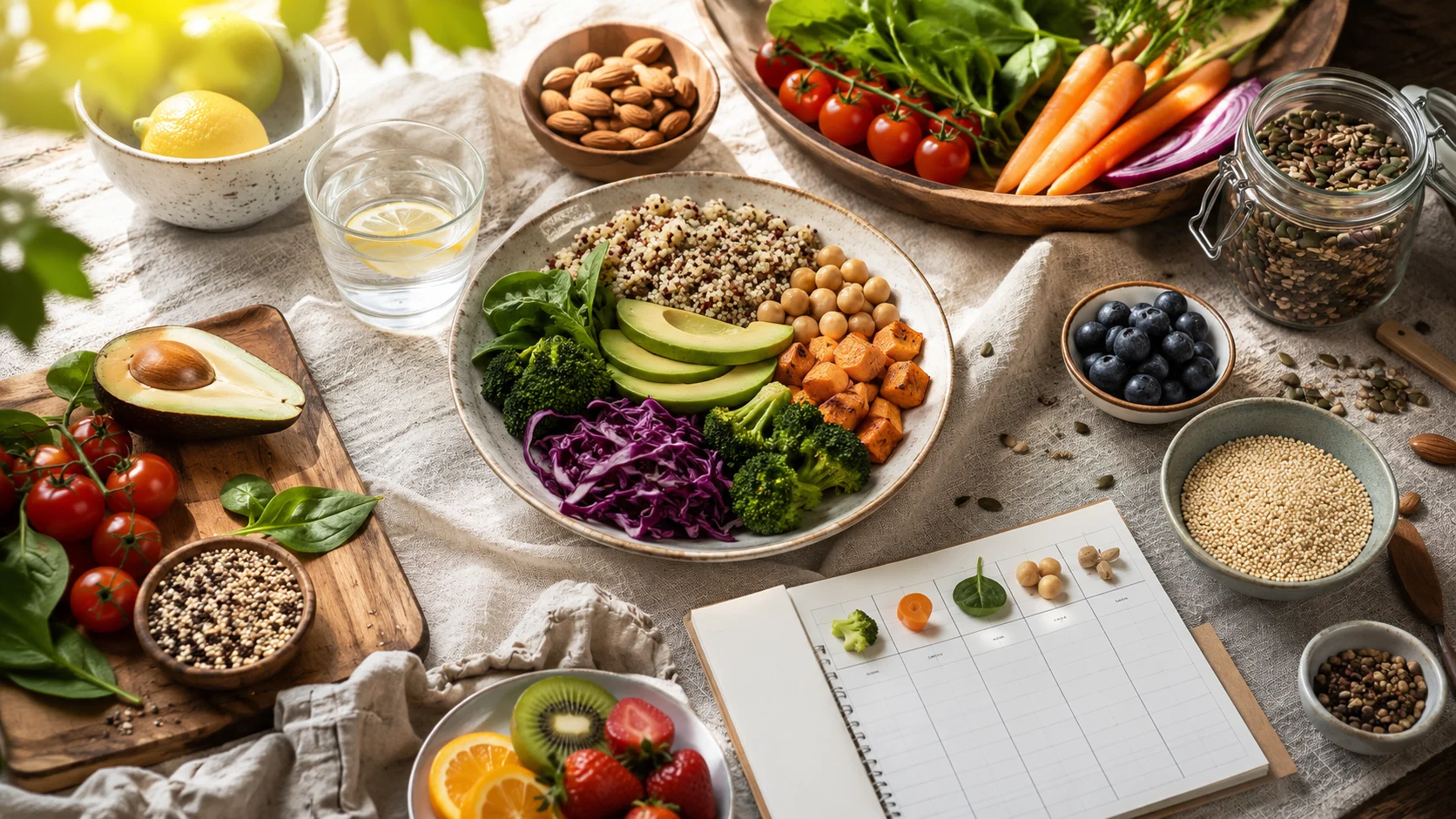
The mediterranean diet is not one perfect plate. It is more like a sunlit table with room for variation. One woman may start her morning with toast, eggs, and fruit. Another may stir white beans into a tomato soup and call that lunch. This flexibility matters because eating well is easier to sustain when it leaves room for culture, appetite, budget, and energy.
Research often points in this direction too. A widely cited review in The New England Journal of Medicine linked a Mediterranean-style eating pattern with cardiovascular support, and many nutrition researchers continue to note its association with overall health and dietary quality. That does not mean it is magic. It means it is a well-studied, balanced pattern built from familiar foods rather than sharp food rules.
Compared with the paleo diet, the mediterranean diet usually allows more flexibility around whole grains, legumes, and dairy. For women with a history of dieting, that can mean fewer “I ruined it” moments. A bowl of lentils with olive oil and warm bread does not need to become a moral debate.
The body is not a project to dominate; it is a place to come home to.
What the paleo diet may offer—and where it can feel hard
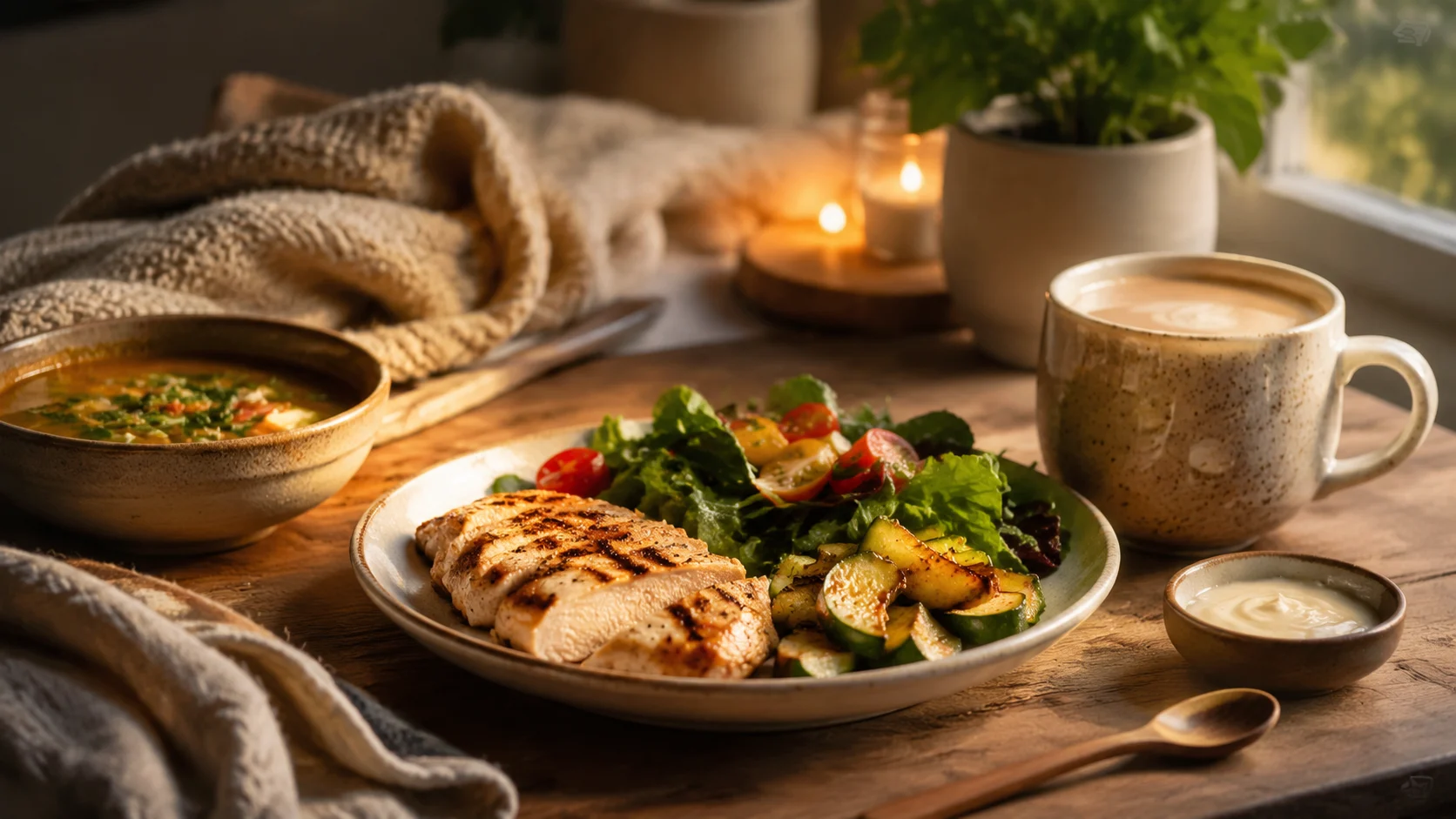
To be fair, the paleo diet can appeal to people who feel better with a simpler template. Meals often center on meat, eggs, vegetables, fruit, nuts, and seeds, which can help some readers notice protein and produce more consistently. If someone has been living on crackers and coffee, that shift alone may feel supportive.
Still, the challenge often appears in the quiet middle of the week. Office birthday cake, a quick burrito bowl, Greek yogurt after a rushed school pickup, rice with dinner because it is what the family is eating—these ordinary moments can start to feel loaded. The paleo diet may become less about nourishment and more about managing exceptions.
That does not mean the paleo diet is wrong. It means its level of restriction can be hard for women who are already tired, stressed, or healing from food guilt. **The more rigid the framework, the more likely some people are to swing between “perfect” eating and feeling off track.**
A softer framework for choosing what actually supports you
Instead of asking which label wins, it may help to notice which eating pattern creates more steadiness with less friction. The Ease-Plate Lens can be used in three small checks:
- Energy check: After meals, does she feel comfortably fueled rather than wired, ravenous, or foggy an hour later?
- Life check: Can this way of eating work on a tired night, during travel, or when someone else cooks?
- Mind check: Does food feel calmer and more spacious, or more rule-heavy and emotionally loud?
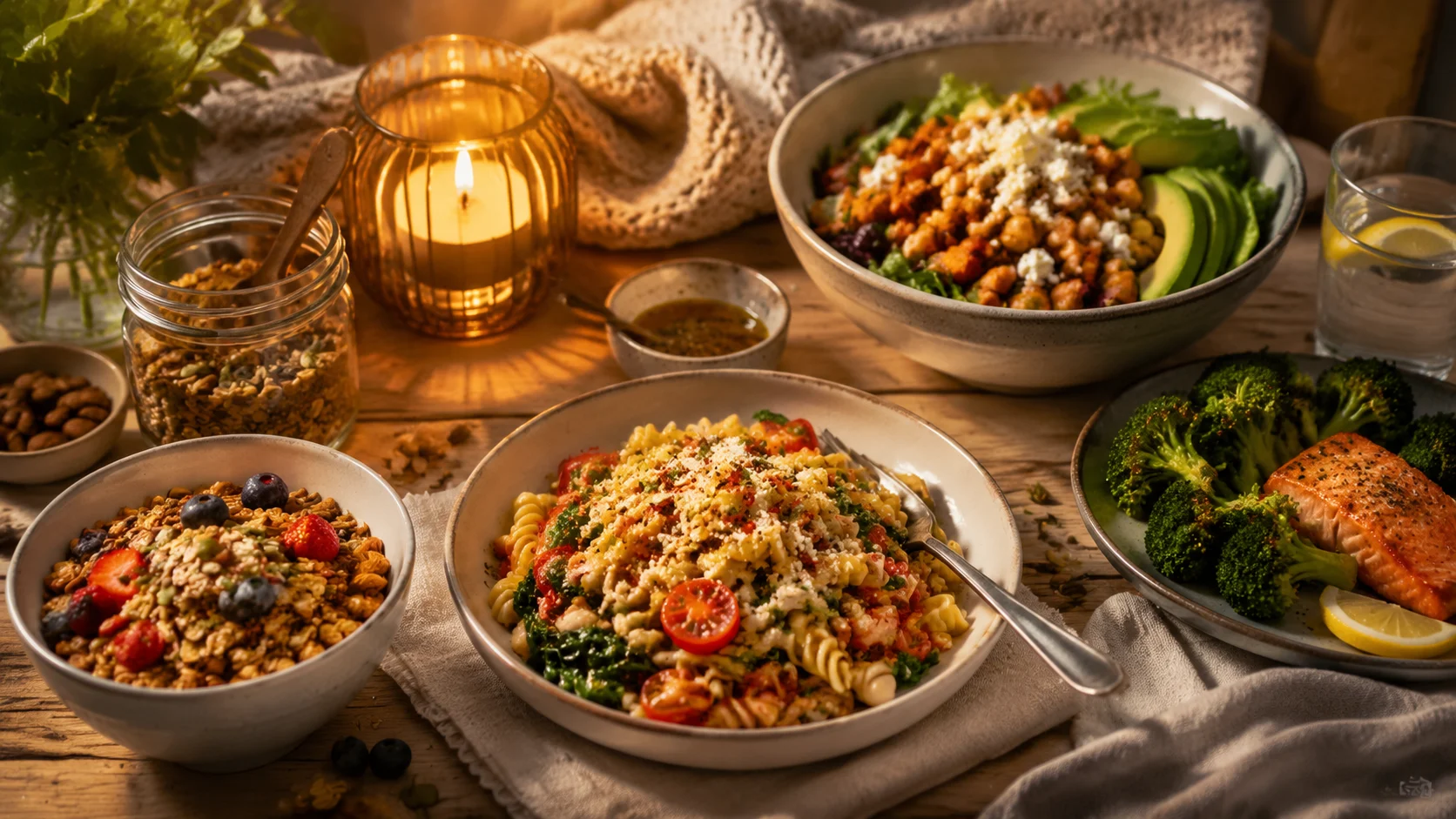
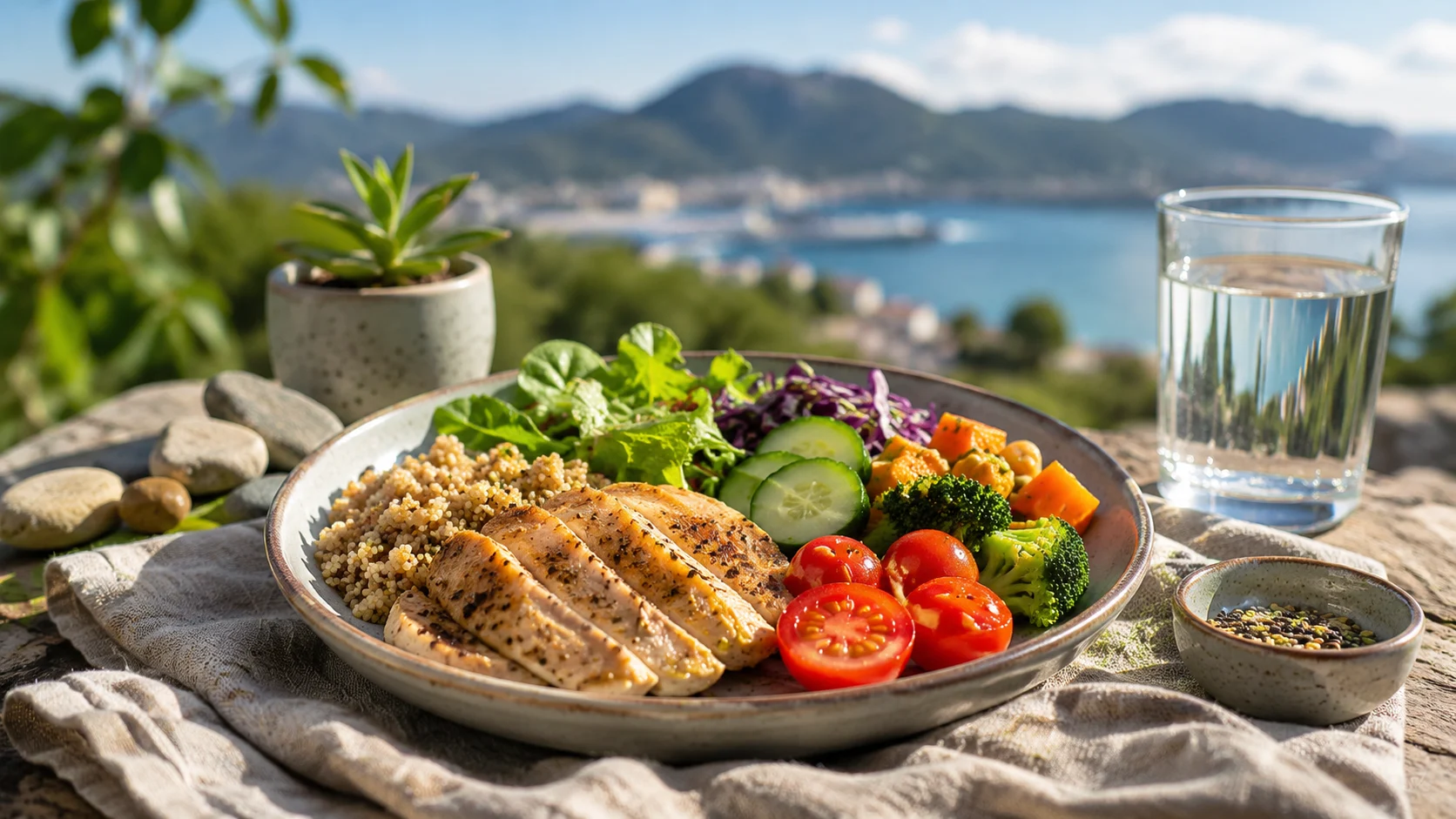
For many readers, the mediterranean diet lands gently because it supports balanced meals without demanding perfection. A plate of salmon, roasted potatoes, and green beans drizzled with olive oil can belong. So can pasta with chickpeas, parmesan, and a salad. So can a turkey sandwich with fruit and soup on a long workday.
The paleo diet may still inspire helpful ideas—like building meals around satisfying protein and adding more vegetables—but those ideas do not have to arrive with rigid elimination. A woman can borrow what supports her and leave the rest.
You Might Also Wonder
If I feel better when I eat fewer processed foods, do I need to follow the paleo diet strictly?
Not necessarily. Many people feel better with more consistent meals made from familiar, minimally processed foods. That benefit can happen without strict rules. She might keep the helpful part—more satisfying meals—without turning every ingredient into a test.
Is the mediterranean diet good for steady energy?
It often can be, especially because it tends to combine fiber, fat, protein, and satisfying carbohydrates. That combination can feel more grounding than meals built from quick energy alone.
What if grains or beans do not feel great in my body?
That matters. Gentle nutrition is not about forcing foods in the name of wellness. A flexible Mediterranean-style pattern can still work with personal preferences or sensitivities, adjusting texture, portion, or food choices with support from a qualified professional if needed.
Can comparing diets trigger old food guilt?
Yes, especially for someone who has spent years trying to “get it right.” If that happens, it may help to step back from labels and return to simpler questions: Am I nourished? Am I satisfied? Does this feel sustainable in real life?
Please note: Every body has its own rhythm. This article is for educational purposes and is not a substitute for personalized medical or nutrition advice. If someone has digestive concerns, a history of disordered eating, or a health condition that affects food choices, a registered dietitian or healthcare professional can offer more individualized support.
Leave a Reply