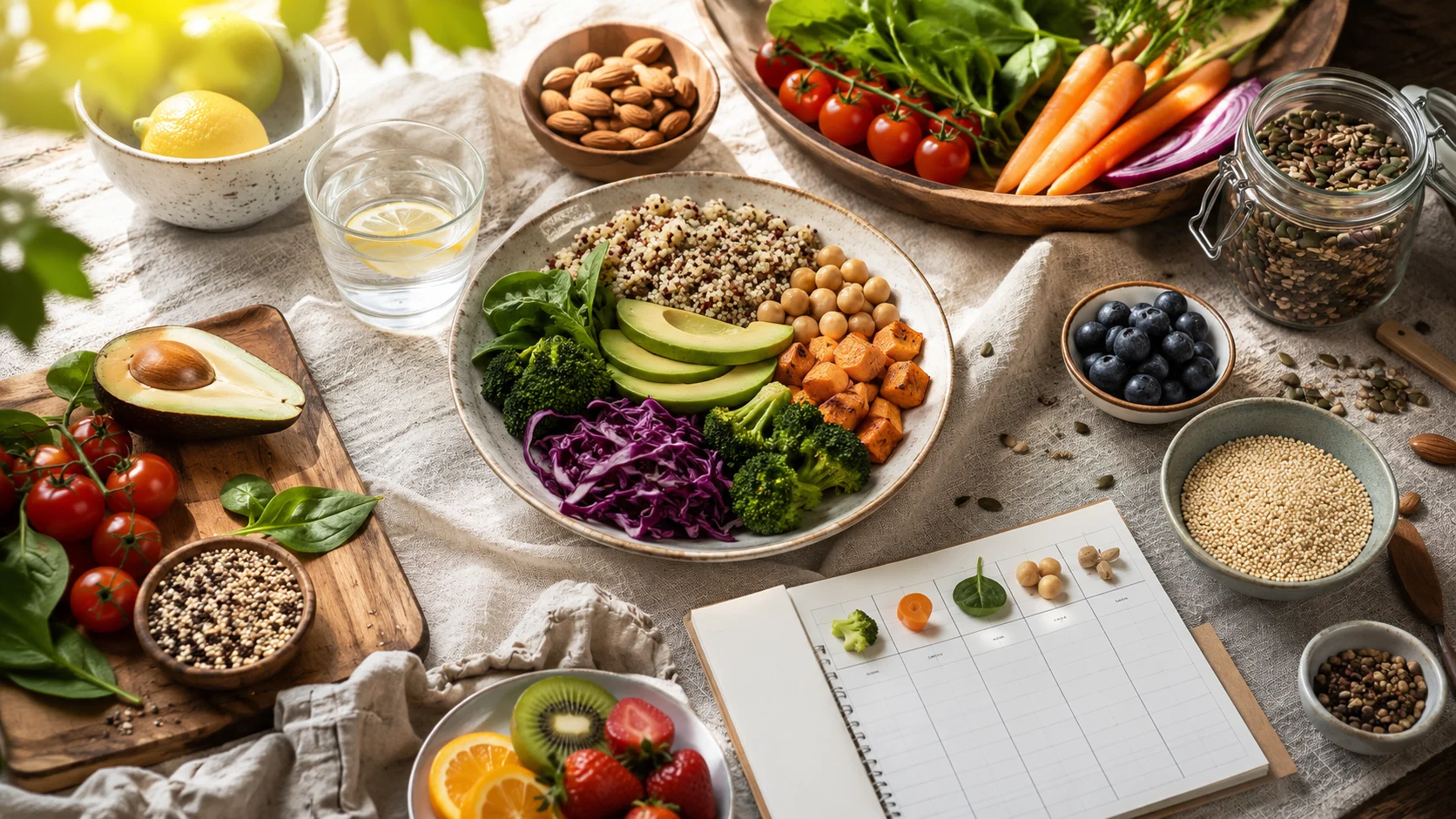

Many women are told that digestive discomfort means they need more discipline, more rules, or a “perfect” meal plan. Often, the opposite is closer to the truth. A healthy gut flora diet is usually less about restriction and more about steady nourishment: enough variety, enough comfort, and enough consistency for the body to feel safe again. And when life temporarily calls for something different—like a low fiber diet for colonoscopy prep or a gentle approach to low gi diet and diabetes—support still matters more than food fear.
When the Gut Feels Off, More Restriction Is Rarely the Love Language
She might be sitting at her desk at 3 p.m., sipping lukewarm coffee, wondering why her stomach feels bloated while her energy keeps dipping. It is easy to blame the body. But the gut is less like a machine that needs harsher control and more like a garden that responds to rhythm, diversity, and care. A healthy gut flora diet supports the microbes that help break down food, influence immunity, and even shape how steady a person feels through the day.
The common mistake: trying to “eat perfectly” by cutting too many foods at once. That can leave meals thin, unsatisfying, and stressful—three things the body rarely interprets as support.
“The body is not a project to conquer. It is a place to come back to, meal by meal.”
The Gentle Garden Method
One simple way to picture a healthy gut flora diet is through what Joyini might call the Gentle Garden Method: feed, soften, and vary.
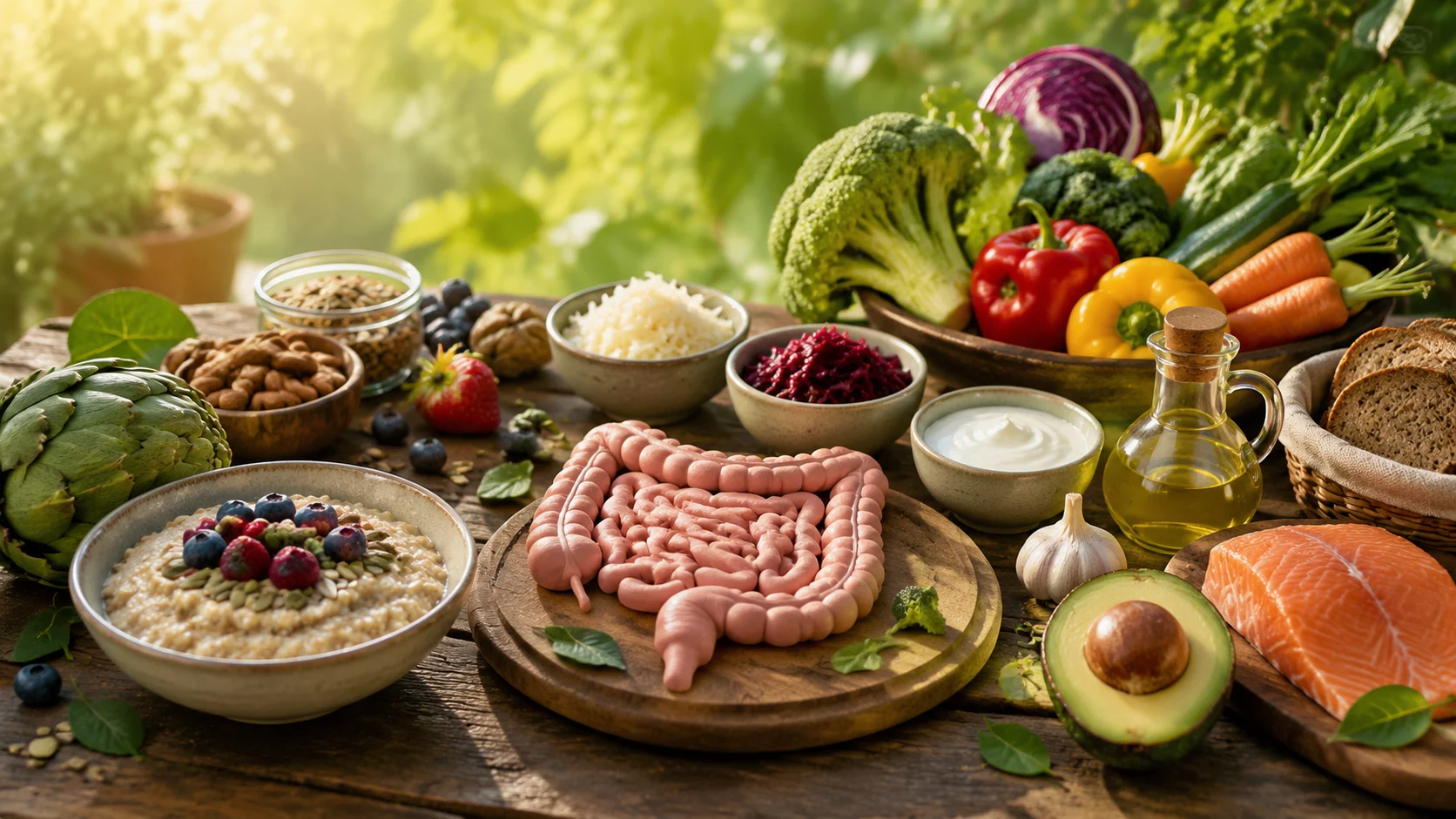
- Feed: Bring in foods that nourish gut microbes, like oats warmed with cinnamon, lentils folded into soup, or yogurt with berries if tolerated. These foods offer fiber or fermented support without turning the plate into homework.
- Soften: Choose preparation methods that feel easier on the body—roasted carrots instead of a giant raw salad, stewed apples instead of crunchy snacks, warm rice bowls instead of random grazing. Gentle cooking can make fiber feel friendlier.
- Vary: The gut often appreciates diversity over intensity. Different plants across the week—spinach one day, sweet potato the next, black beans later on—can create a steadier kind of support than chasing a single “superfood.”
Research has observed that people who eat a wider variety of plant foods tend to have a more diverse gut microbiome, and diversity is generally associated with resilience in the gut ecosystem. In one widely cited microbiome project, eating 30 or more different plant foods per week was linked with greater microbial diversity.
“A nourished gut usually grows from repetition with variety, not perfection with pressure.”
What This Can Look Like on an Ordinary Tuesday
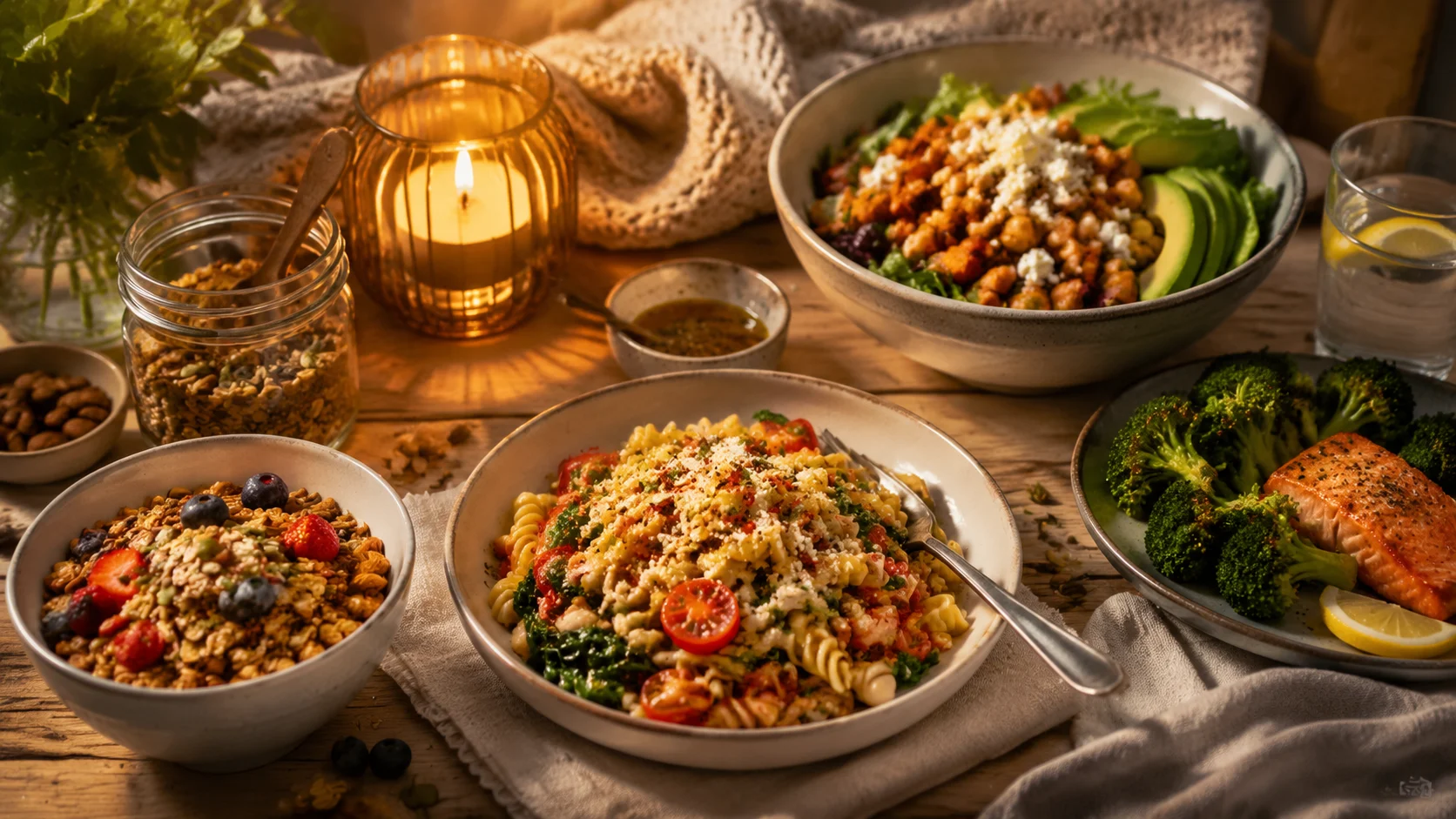
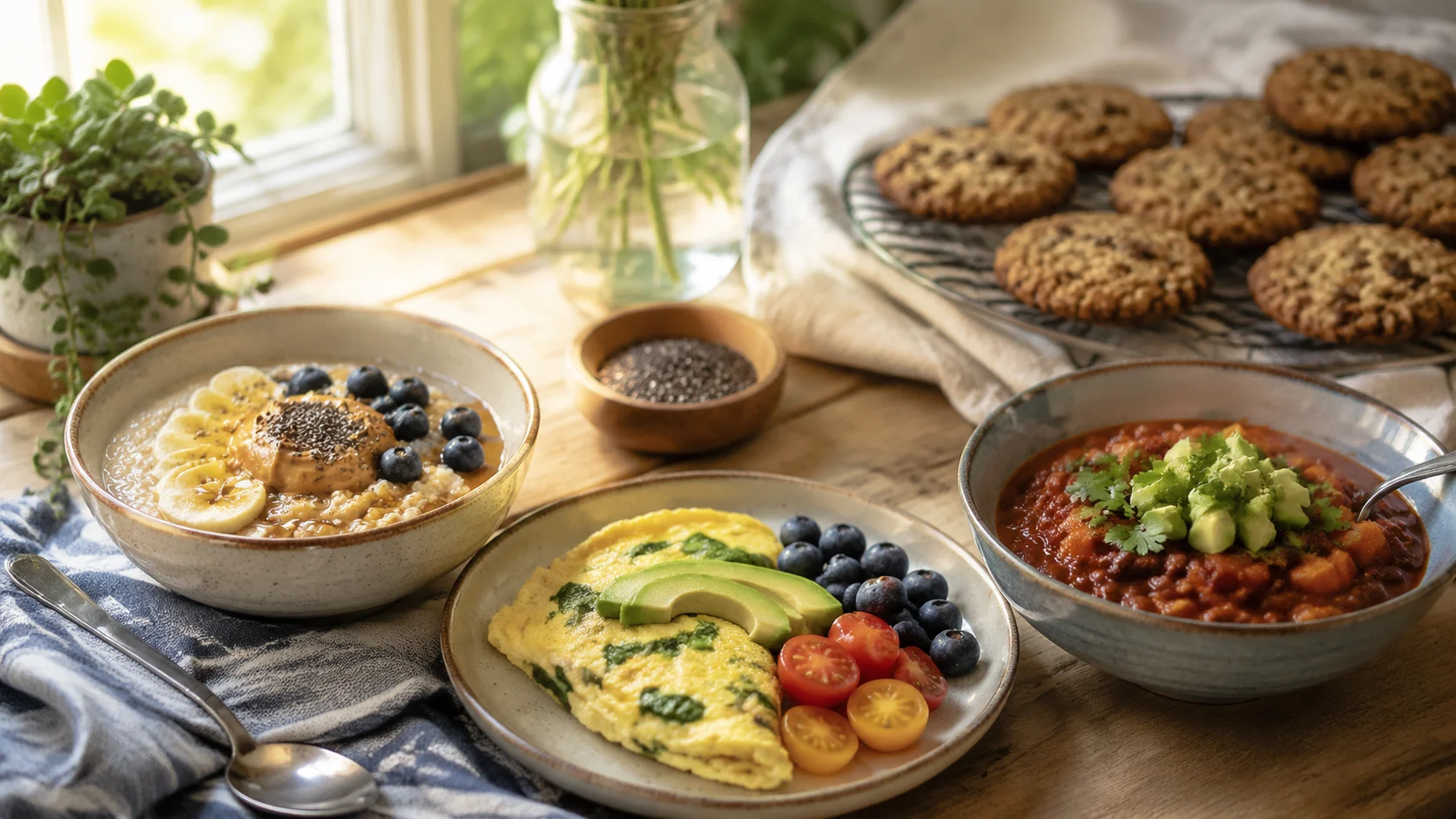
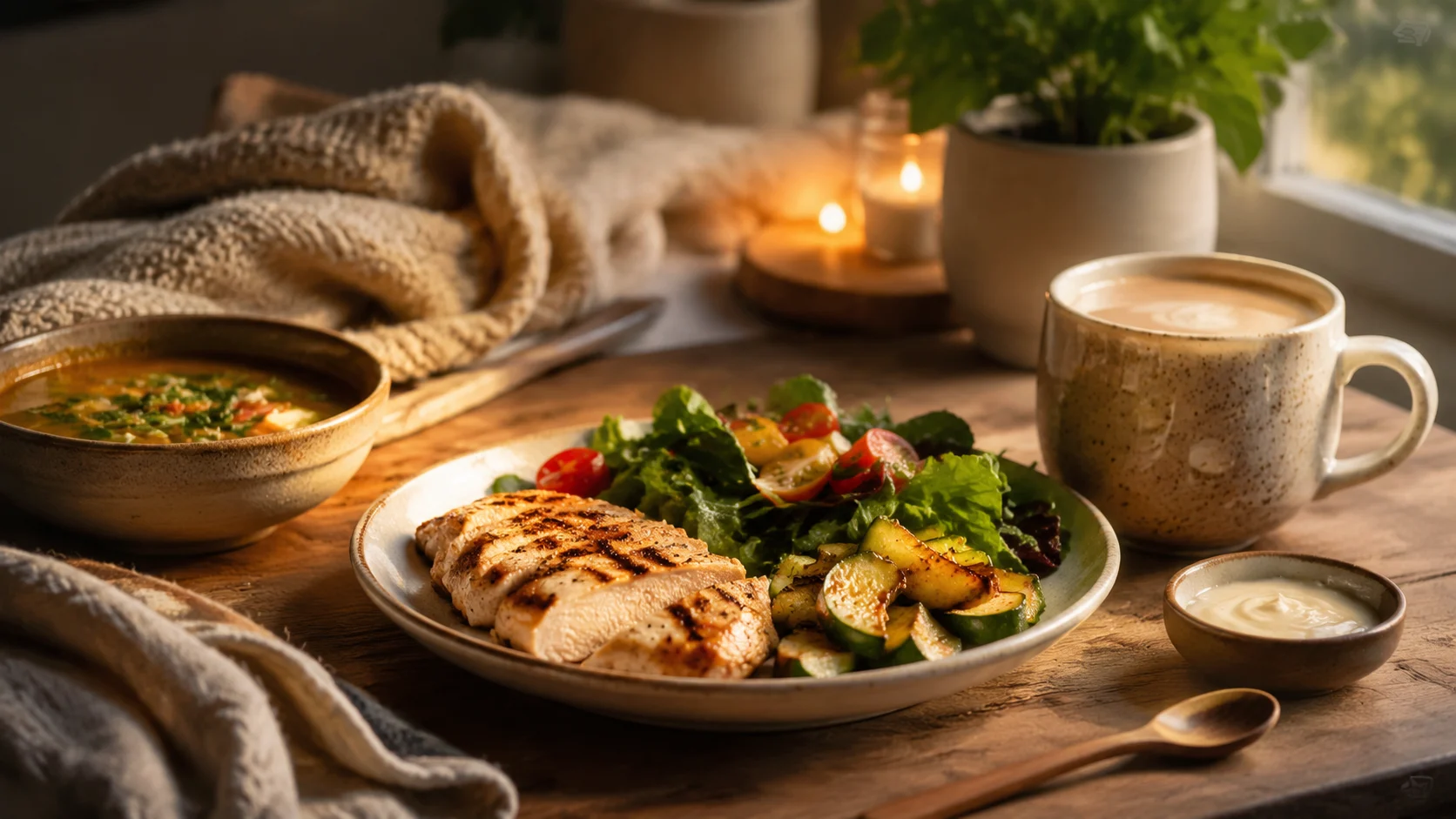
A healthy gut flora diet does not need to be expensive or elaborate. It can look like a bowl of oatmeal in the morning, made comforting with chia seeds and sliced pear. It can look like a turkey and avocado wrap at lunch with a side of fruit. It can look like rice, salmon, and roasted zucchini at dinner when the day has already asked too much.
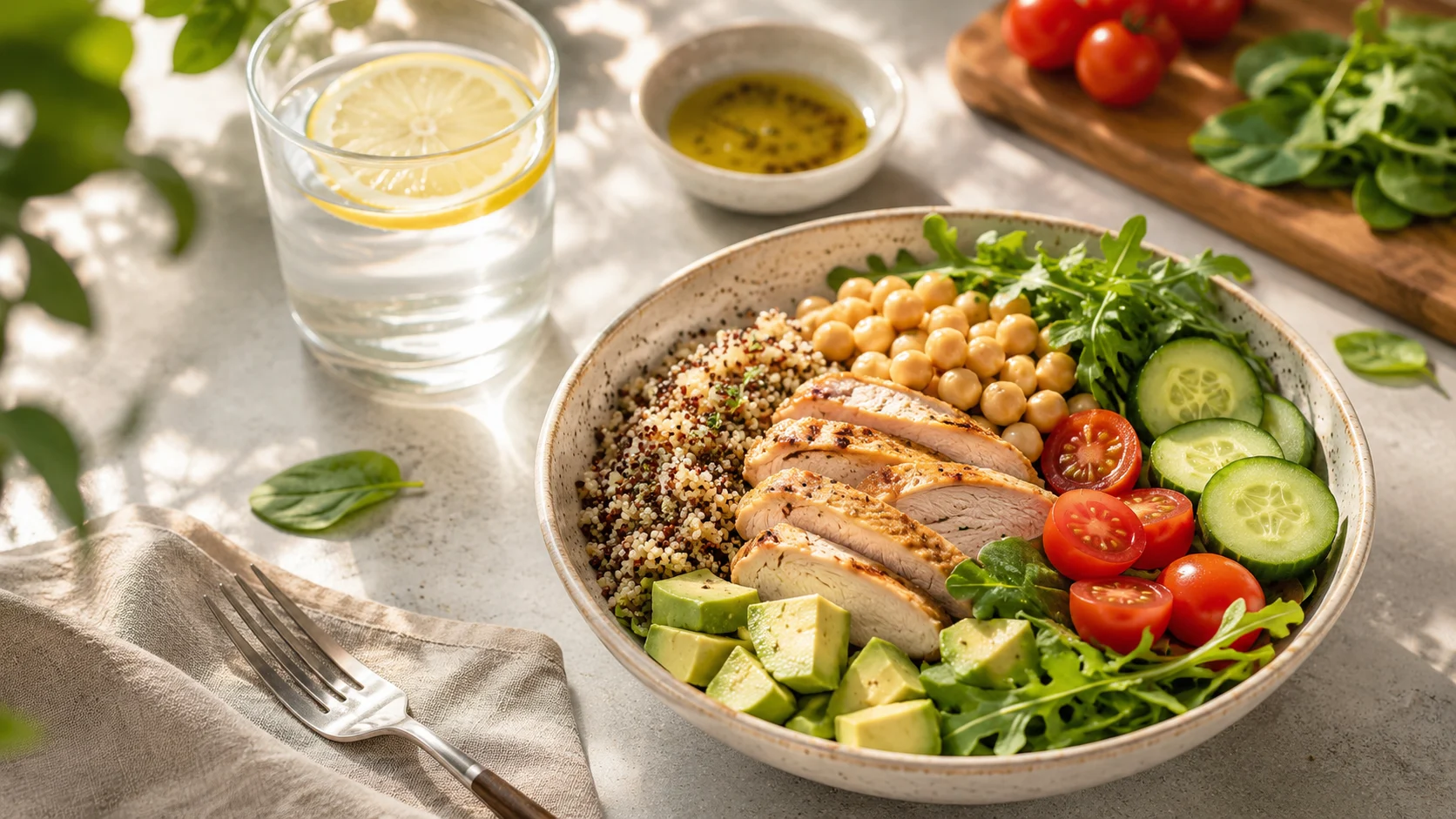
For women also thinking about a low gi diet and diabetes, there is a helpful overlap here: meals that pair fiber-rich carbohydrates with protein and fat often support both steadier energy and a calmer digestive rhythm. Imagine brown rice with tofu and sesame greens, or plain Greek yogurt with walnuts and berries. A gentle blood sugar pattern often helps the body feel less chaotic between meals.
That said, context matters. There are moments when a low fiber diet for colonoscopy is medically requested for a short window. That temporary shift does not cancel the bigger picture. It is simply a brief pause, like clearing a path before returning to the garden. White rice, applesauce, plain toast, eggs, or smooth soups may make sense during prep, and then a gradual return to a healthy gut flora diet can come afterward with more ease.
Three Quiet Habits That Often Help More Than a Perfect Food List
- Eat with enough regularity. Long stretches without food can leave the body playing catch-up later, which may show up as overeating, bloating, or intense cravings.
- Let fiber rise slowly. If someone has been eating very little produce or whole grains, suddenly piling on beans, bran, and raw vegetables can feel like too much. Gentle increases are often kinder.
- Notice the texture of stress. Digestion is not only about ingredients. It is also influenced by pace, sleep, and tension. A rushed salad eaten in panic may feel harder than a warm balanced meal eaten with one full breath before the first bite.
*Please note: Every body has its own rhythm. This gentle guide is for educational purposes and does not replace personalized advice from a healthcare professional, especially if someone is managing digestive symptoms, preparing for a procedure, or making nutrition changes related to diabetes.*
You Might Also Wonder
What if healthy eating for gut health makes me feel more bloated at first?
That can happen, especially if fiber increases quickly. Often the kinder path is to add small amounts, choose cooked forms, and give the body time to adjust rather than assuming you did something wrong.
Can a healthy gut flora diet include comfort foods?
Yes. Supportive eating is not about removing comfort. It is about building meals that feel satisfying and steady. A warm pasta dish can absolutely fit, especially when paired with protein and a gentle vegetable.
How does this connect with a low gi diet and diabetes?
There is overlap in the idea of steadiness. Many foods that support gut health—like oats, beans, berries, and yogurt—can also be useful within a low GI pattern, depending on the person’s needs and tolerance.
What should I do after a low fiber diet for colonoscopy prep?
Most people do best easing back in. Starting with simple balanced meals and gradually bringing back fiber-rich foods can feel more comfortable than jumping straight into very heavy or highly fibrous eating.