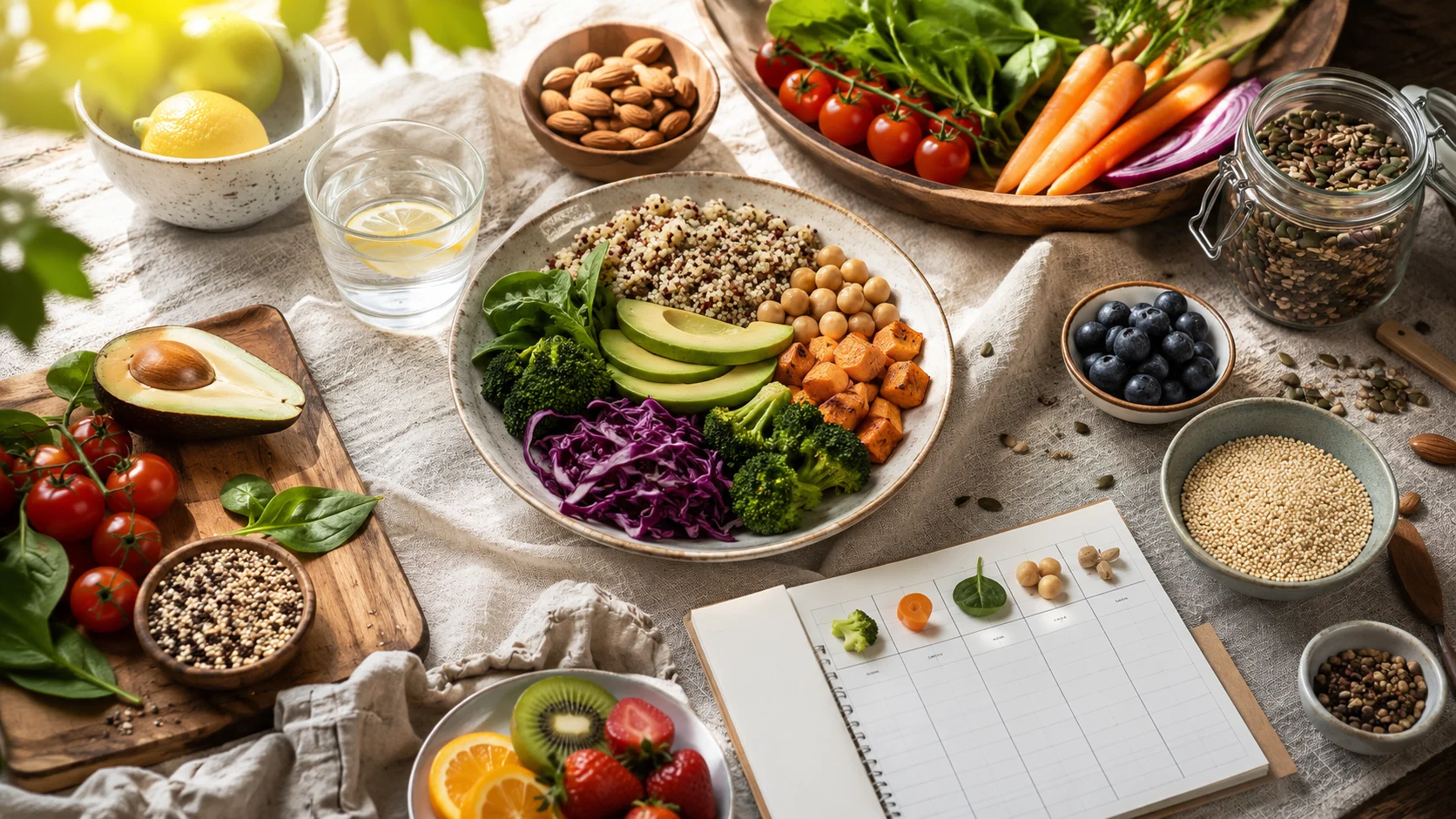

When the Craving Isn’t About Discipline
Many women searching for how to manage emotional eating without dieting have already tried being stricter, eating less, or making more rules. Yet the urge often grows louder, not quieter. The gentle truth is this: emotional eating is rarely a character flaw. More often, it is the body and mind asking for comfort, steadier energy, rest, or relief from pressure.
When she stands in the kitchen after a long day, reaching for something sweet before dinner is even ready, the moment may look impulsive from the outside. But inside, it often carries a whole day’s worth of unmet needs—skipped meals, back-to-back meetings, loneliness, PMS, poor sleep, or the silent exhaustion of always holding it together.
Body signals are not bad behavior. They are messages that become louder when they have been ignored for too long.
That is why learning how to manage emotional eating without dieting begins not with tighter control, but with better support.
The Pause–Plate–Permission Method
A simple way to approach emotional eating with more ease is a gentle micro-framework: Pause–Plate–Permission.
- Pause — Not to stop yourself by force, but to notice what is happening. Is she stressed, underfed, overstimulated, or simply needing comfort? Even ten quiet seconds can soften the automatic rush.
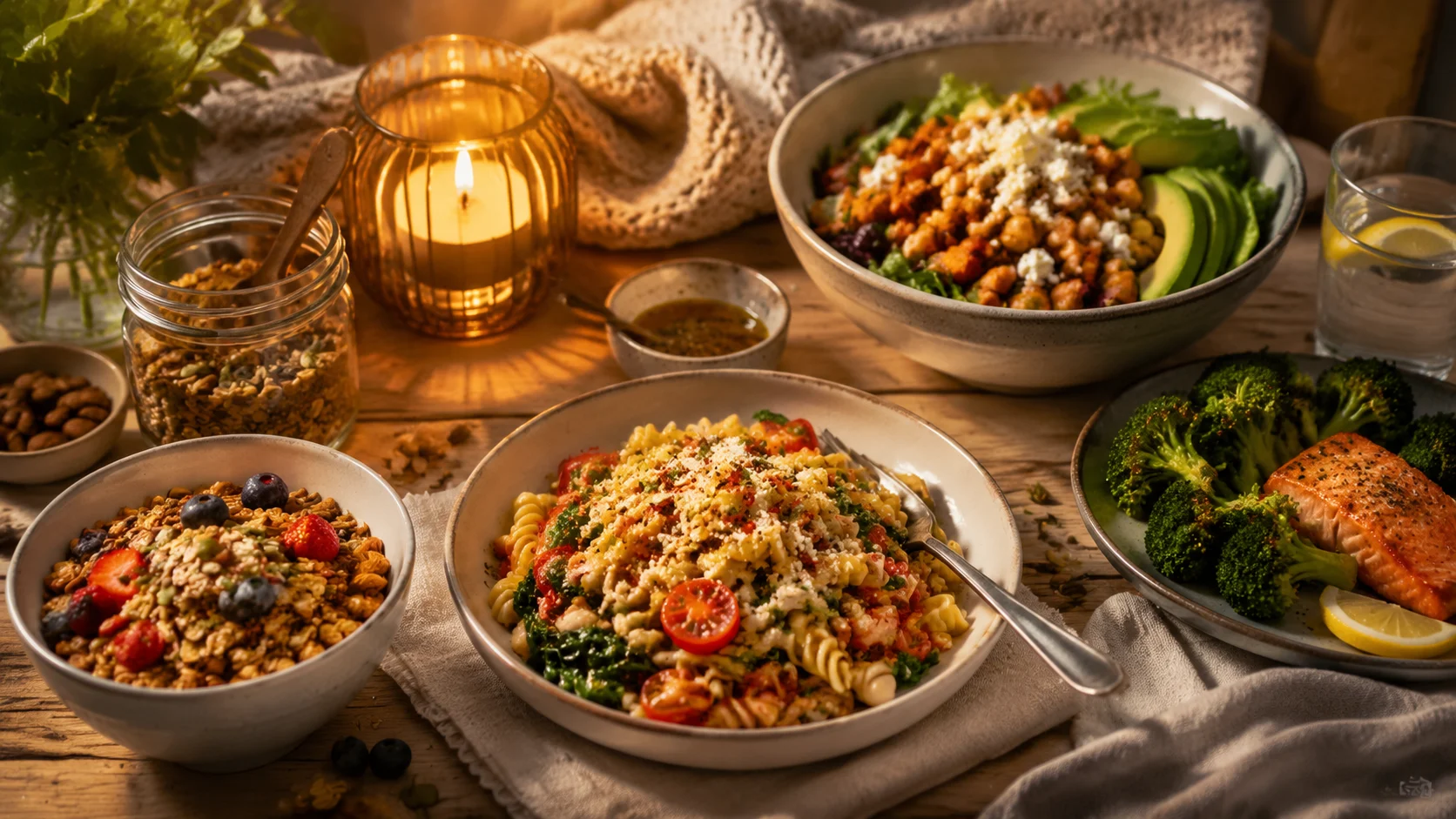
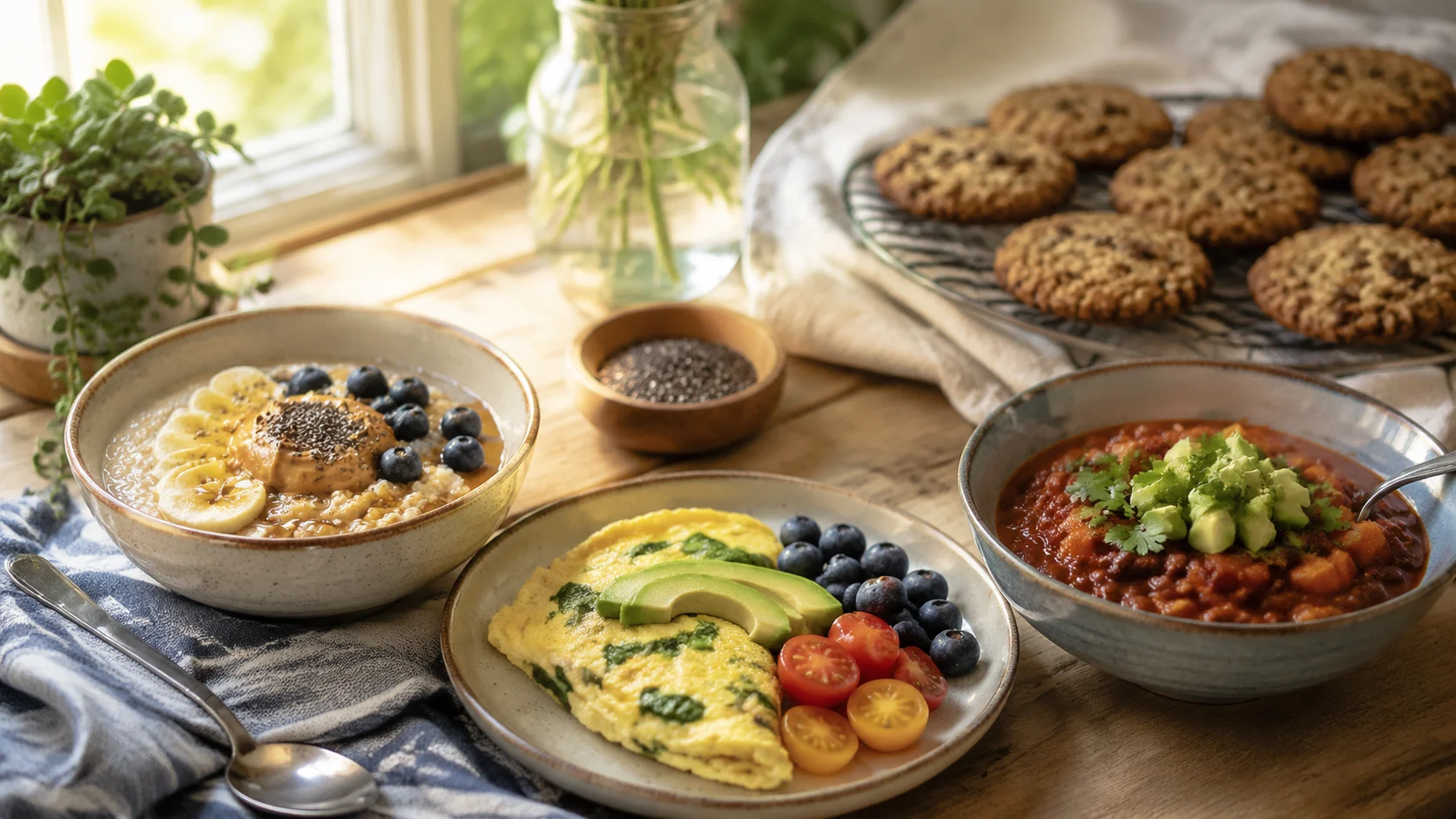
- Plate — If food is what the moment needs, making it more grounding helps. A plated snack or meal often feels steadier than eating in fragments from a bag or standing at the counter. Think of sliced apple with peanut butter, or warm toast with eggs and berries, something that feels both comforting and supportive.
- Permission — This matters more than many people realize. When food is wrapped in shame, cravings often intensify. Giving permission to eat, without turning the moment into a moral test, helps break the restrict-and-rebound cycle.
Research has found that dietary restraint is linked with overeating in some people, especially under stress. In other words, restriction can make emotional eating more likely, not less. That is one reason anti-diet approaches often feel gentler and more sustainable.
What Emotional Eating May Actually Be Asking For
Sometimes food is part of the answer. Sometimes it is only the first clue.
A late-night pull toward cereal, cookies, or takeout may be the body trying to repair a day that never contained enough nourishment. An afternoon chocolate craving may arrive when lunch was too light to carry her through. A desire to keep eating after dinner may not mean she lacks control at all; it may mean her nervous system is still buzzing long after the workday ended.
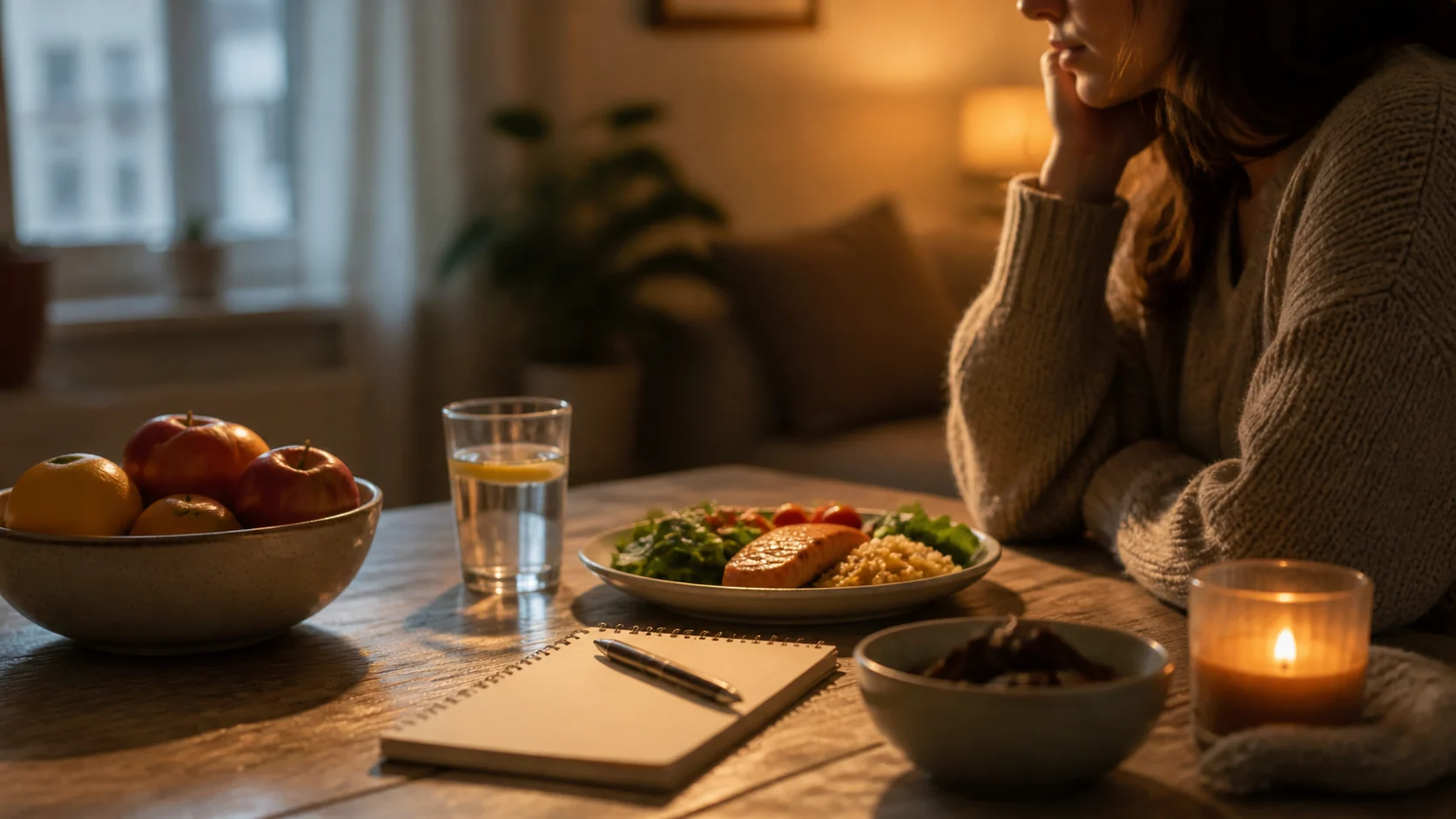
For anyone wondering how to manage emotional eating without dieting, it helps to look beneath the behavior:
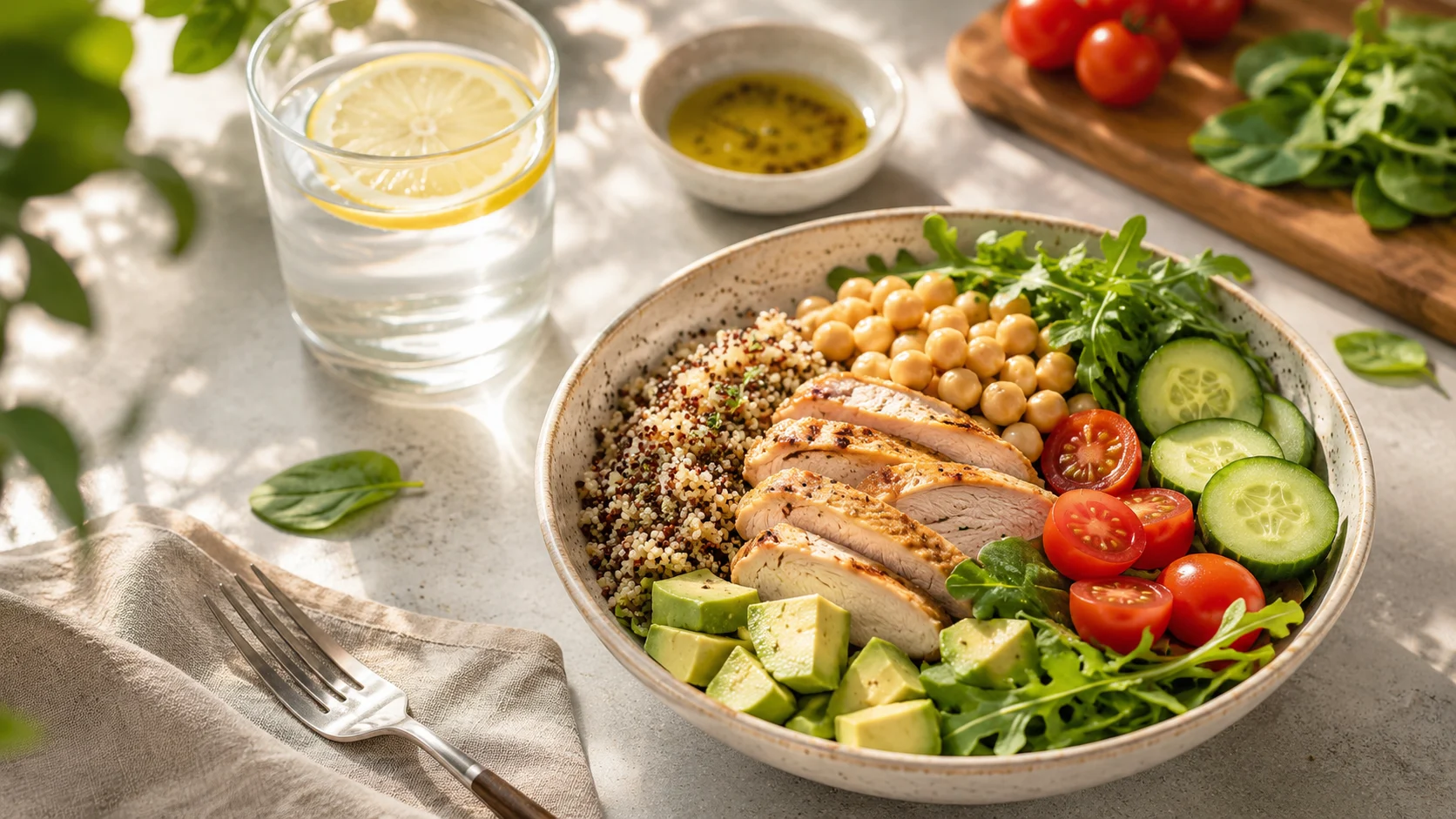
- Undereating earlier in the day — A salad that looked “healthy” at noon may leave her prowling the pantry by four.
- Stress and overstimulation — Food can become the fastest available comfort when the brain is tired and the day feels sharp around the edges.
- Loneliness or emotional emptiness — Eating can briefly create warmth, ritual, and company.
- PMS or hormonal shifts — Appetite and cravings often change across the cycle, and that is a body rhythm, not a failure.
- Food rules — The more forbidden a food feels, the more emotionally charged it can become.
The goal is not to become a woman who never eats emotionally. The goal is to become a woman who understands what the moment is asking for.
Small Real-Life Shifts That Make Evenings Feel Less Chaotic
One of the kindest answers to how to manage emotional eating without dieting is to make the day less biologically demanding. This is not about perfection. It is about reducing the conditions that make cravings feel urgent.
- Build more steady meals — A bowl of Greek yogurt with granola and fruit in the morning, or rice with salmon and roasted vegetables at lunch, can create steadier energy than grazing through the day.
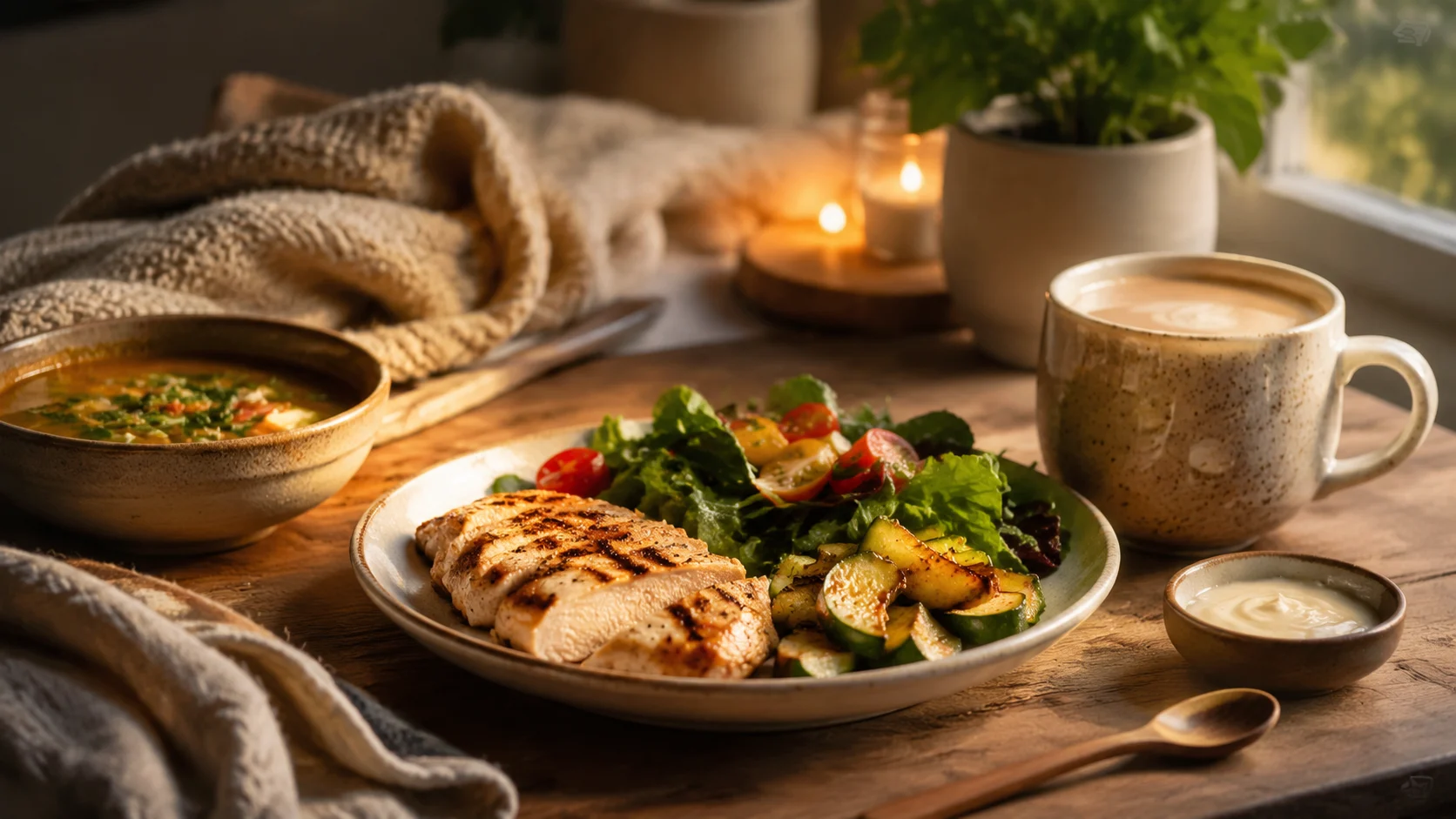
- Plan a bridge snack — When the gap between lunch and dinner stretches too long, a small snack can change the whole evening. A warm latte with a handful of nuts, or crackers with hummus, can soften that edge-of-collapse feeling.
- Create non-food comfort options — Not as a replacement rule, but as an added layer of care. A shower, a short walk at dusk, five minutes under a blanket, music in the kitchen—these can help the nervous system come down enough to hear what it really needs.
- Remove the shame spiral — If emotional eating happens, the next step is not compensation. It is curiosity. Restricting the next morning often keeps the cycle alive.
There is also evidence that chronic stress can raise cravings for highly palatable foods. When life feels relentless, the brain often seeks quick relief. That response is human. Gentle structure, regular nourishment, and emotional support usually help more than stricter rules do.
A Softer Way Forward With Food
For many women, learning how to manage emotional eating without dieting means giving up the fantasy that one perfect rule will fix everything. What helps instead is a quieter practice: noticing patterns, eating enough during the day, allowing comfort, and treating each episode as information rather than proof of failure.
The relationship with food often changes when she stops asking, “How do I control this?” and starts asking, “What would support me here?” That question opens a different kind of door—one built on understanding, nourishment, and food freedom.
Please note: Every body has its own rhythm, history, and needs. This article is for educational purposes only and does not replace personalized advice from a registered dietitian, therapist, or healthcare professional—especially if emotional eating feels distressing, frequent, or tied to a history of disordered eating.
You Might Also Wonder
What if emotional eating happens every night?
Night eating can be a sign that the day did not offer enough food, rest, or emotional decompression. Looking at dinner timing, afternoon snacks, and stress levels often reveals more than self-criticism ever will.
Should she distract herself when a craving hits?
Sometimes a short pause helps, but distraction alone is not always enough. If the body is hungry or depleted, food may still be the caring response. The pause is meant to clarify, not deny.
Is it still emotional eating if she is physically hungry too?
Very often, yes. Hunger and emotion can arrive together. Many eating experiences are mixed, which is why a balanced snack or meal can be both physically satisfying and emotionally comforting.
What if she feels guilty after eating for comfort?
That guilt usually comes from learned food rules, not from the food itself. A helpful next step is to name what happened gently, then return to regular meals instead of trying to make up for it.