
The Real Reason She Keeps Crashing by Midafternoon
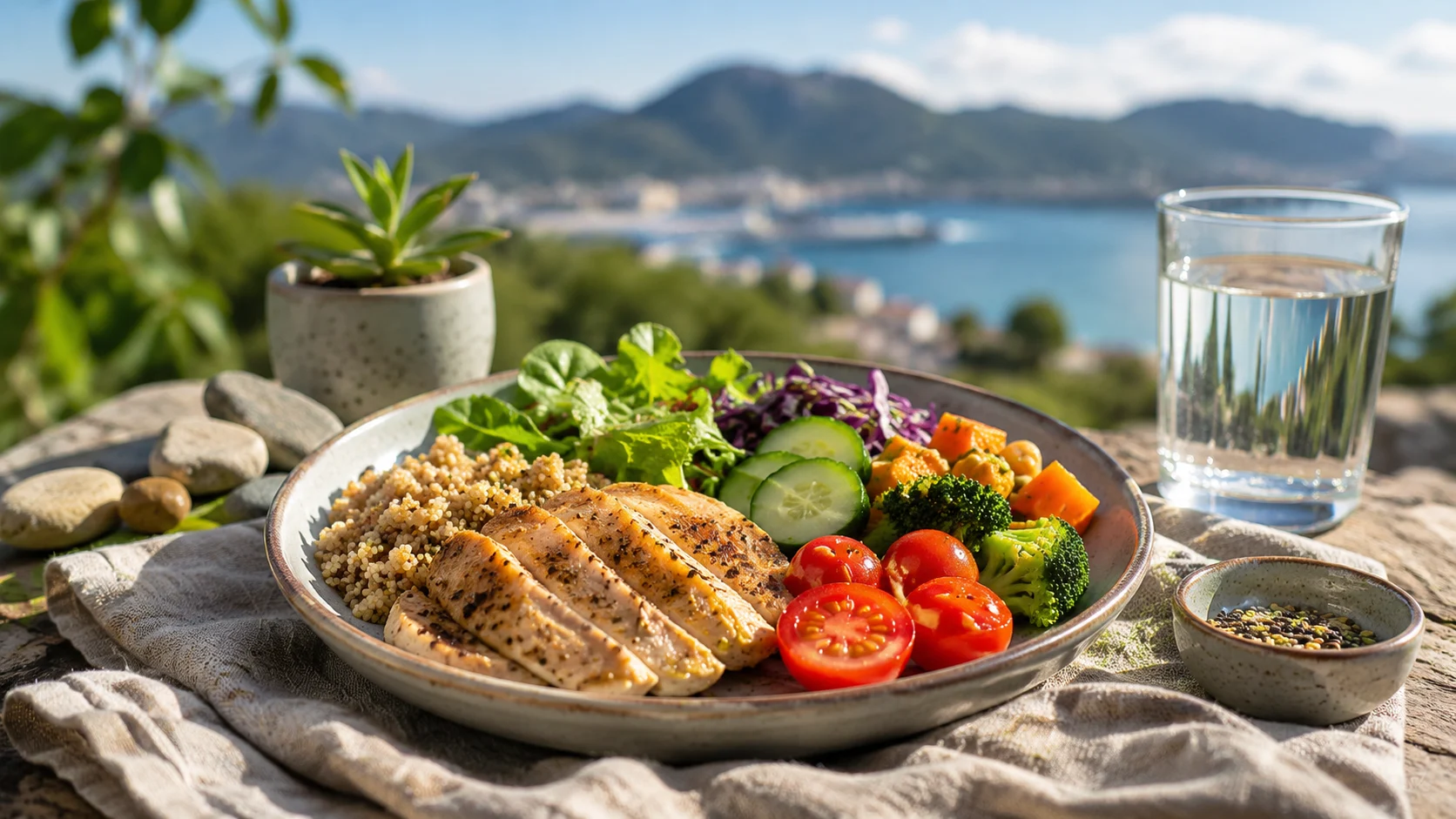
Meals for energy not weight loss are often less about eating “perfectly” and more about eating consistently, generously, and in a balanced way. Many women assume low energy means they need more discipline, but very often the body is simply asking for steadier support: enough carbohydrates, satisfying protein, gentle fiber, and fats that help a meal last.
When she sits at her desk at 3 p.m., eyes blurry and patience gone, the problem is not always stress alone. Sometimes breakfast was too light. Sometimes lunch was built around rules instead of nourishment. Sometimes a body that has been underfed in small, socially acceptable ways begins to whisper through cravings, brain fog, and that urgent search for something sweet.
“The body is not a project to control. It is a place to care for.”
That is why meals for energy not weight loss matter. They shift the question from “How little can she eat?” to “What would help her feel more steady?”
The Soft Plate Method: A Gentler Way to Build Staying Power
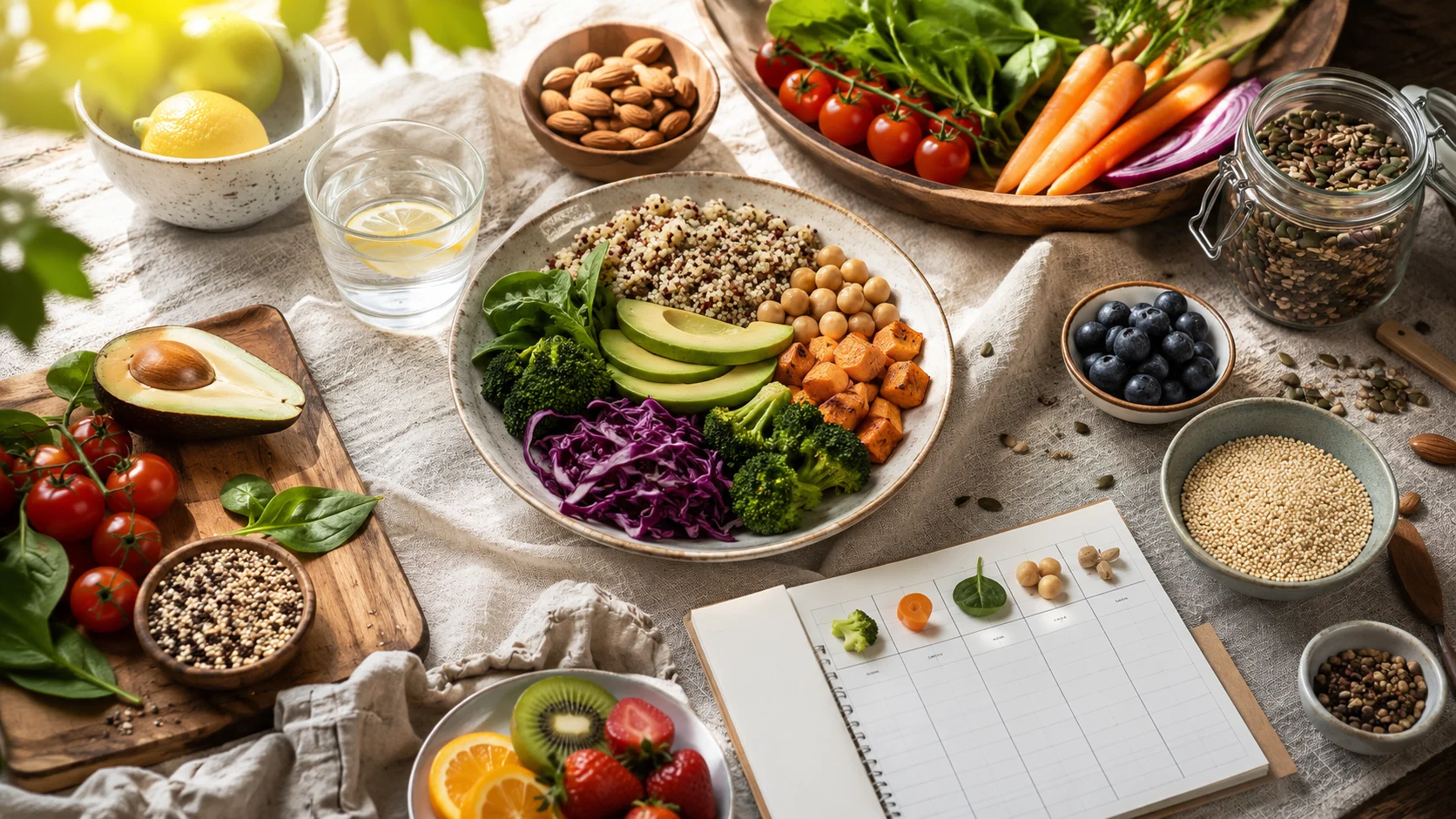
One simple framework can help: the Soft Plate Method. Think of it as a meal built to feel kind in the body, not performative on paper. Instead of counting every number, she can picture three forms of support on the plate:
- An energy anchor — something like warm rice, buttered toast, roasted potatoes, or oats. Carbohydrates are not the enemy here; they are often the quickest language the body understands when energy is low.
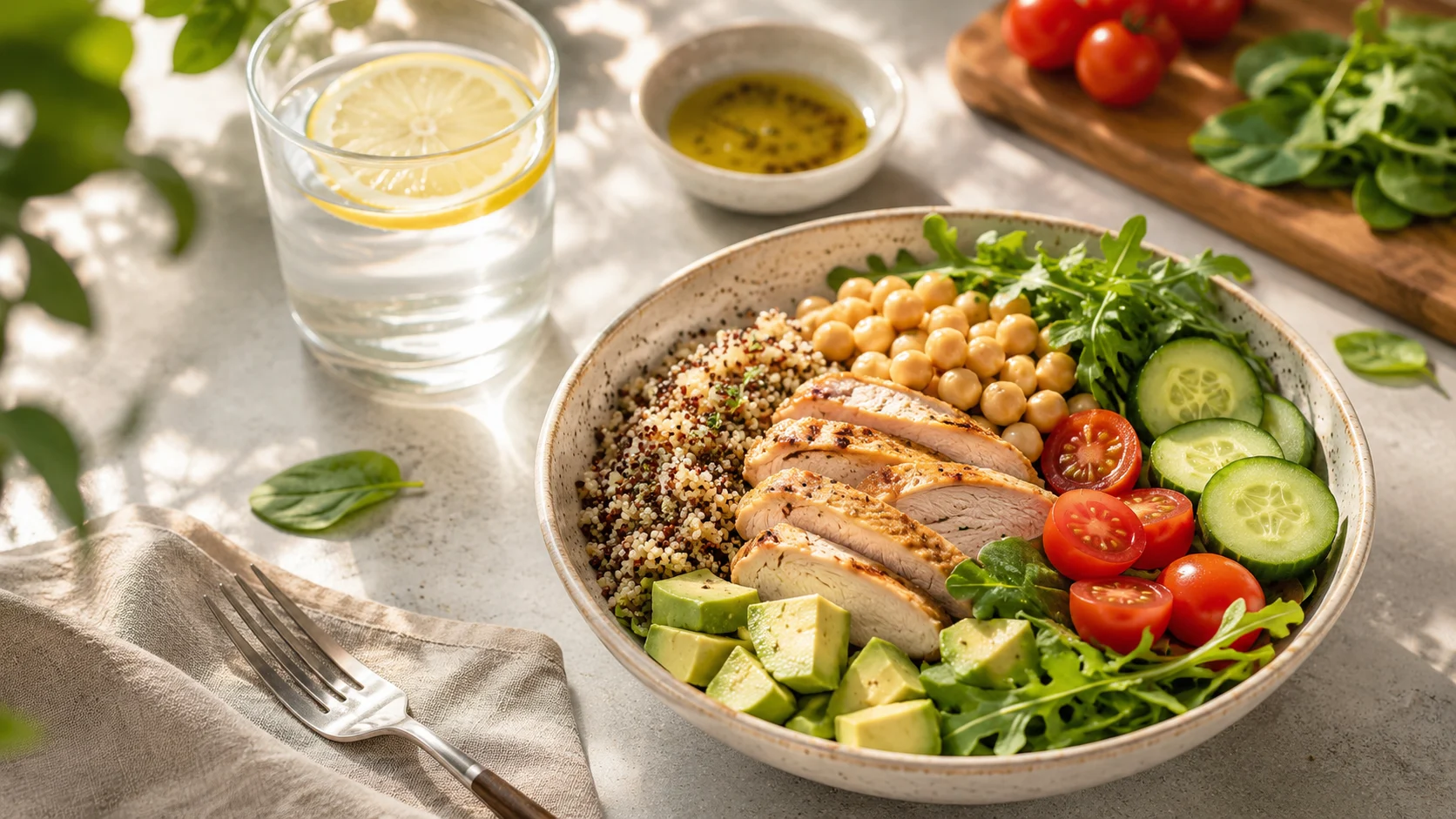
- A staying-power layer — Greek yogurt, eggs, beans, salmon, tofu, chicken, cottage cheese. Protein helps a meal last longer and can soften the sharp rise-and-fall feeling after eating.
- A comfort finish — avocado, olive oil, nuts, cheese, tahini, or even a creamy dressing. Fat brings satisfaction, which is often the missing piece in meals that look healthy but do not actually hold her.
Fiber-rich foods like berries, vegetables, lentils, or chia can join the plate too, but the heart of the method is this: energy comes from enough food, not from eating with fear.
“A balanced meal does not have to look disciplined. It has to feel supportive.”
What Meals for Energy Not Weight Loss Can Look Like on an Ordinary Day
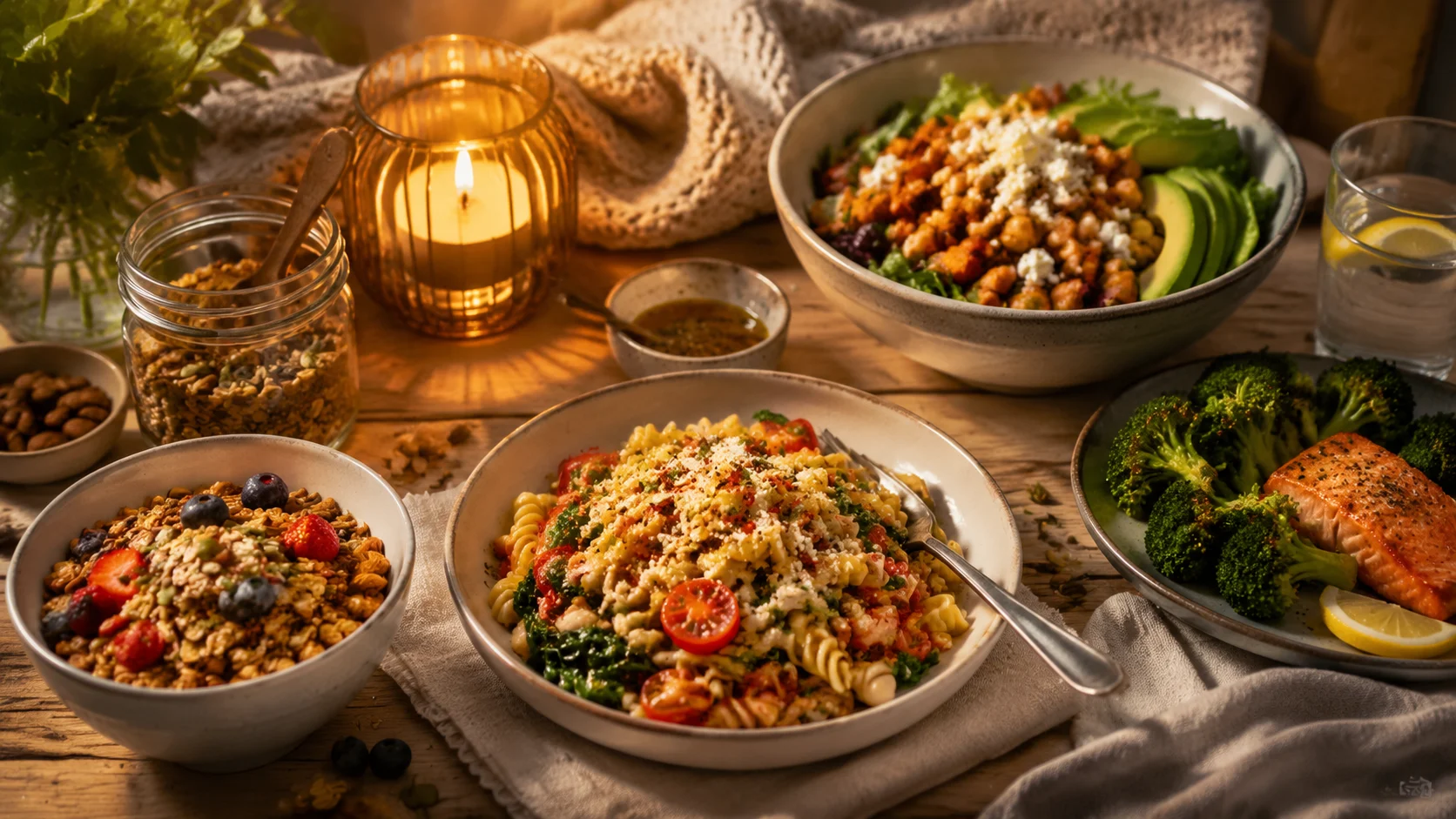
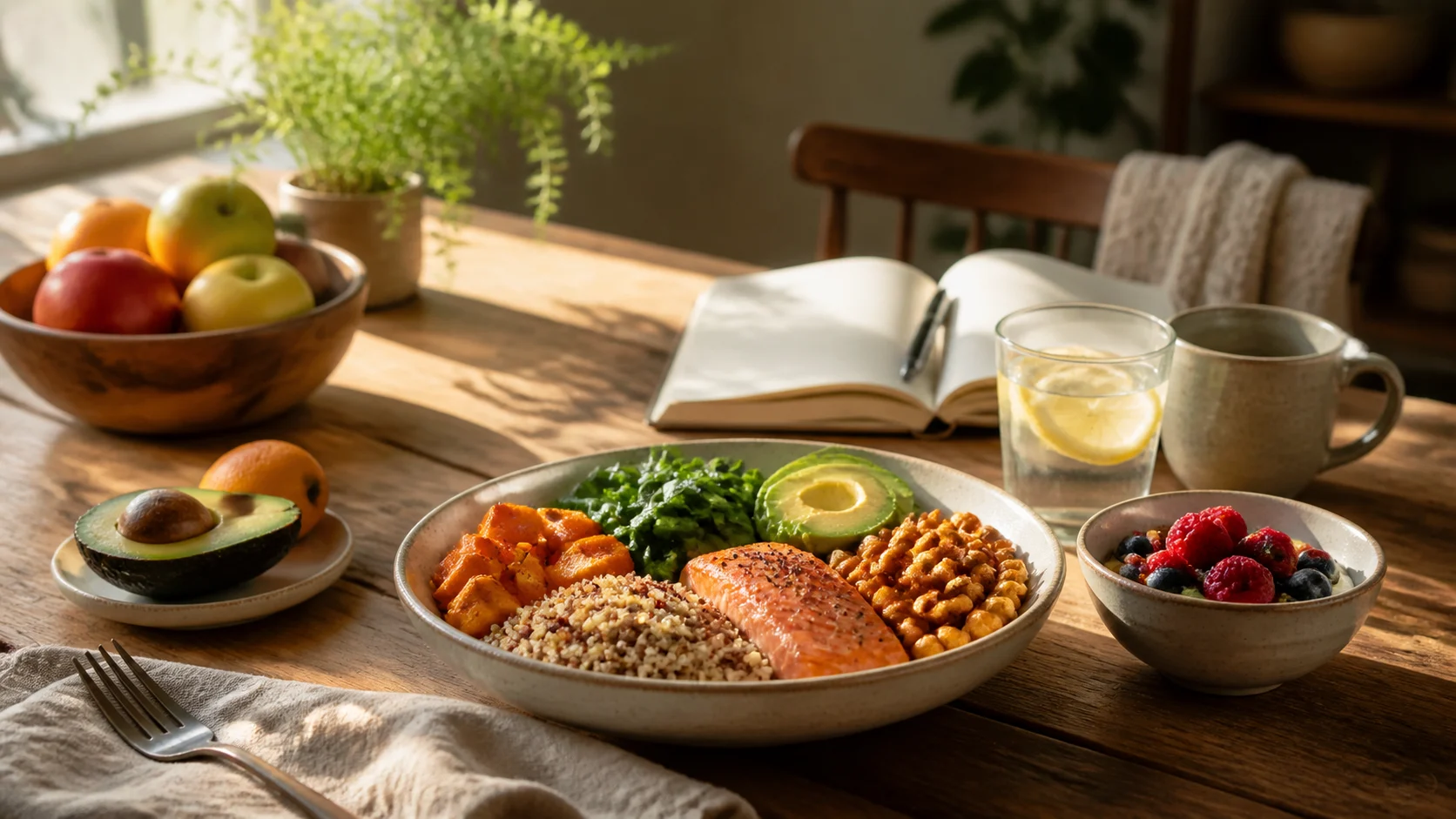
Real-life nutrition is rarely glamorous. It is the bowl assembled between meetings, the quiet lunch eaten in the car, the dinner made while a child asks for water again. Still, meals for energy not weight loss can be beautifully ordinary.
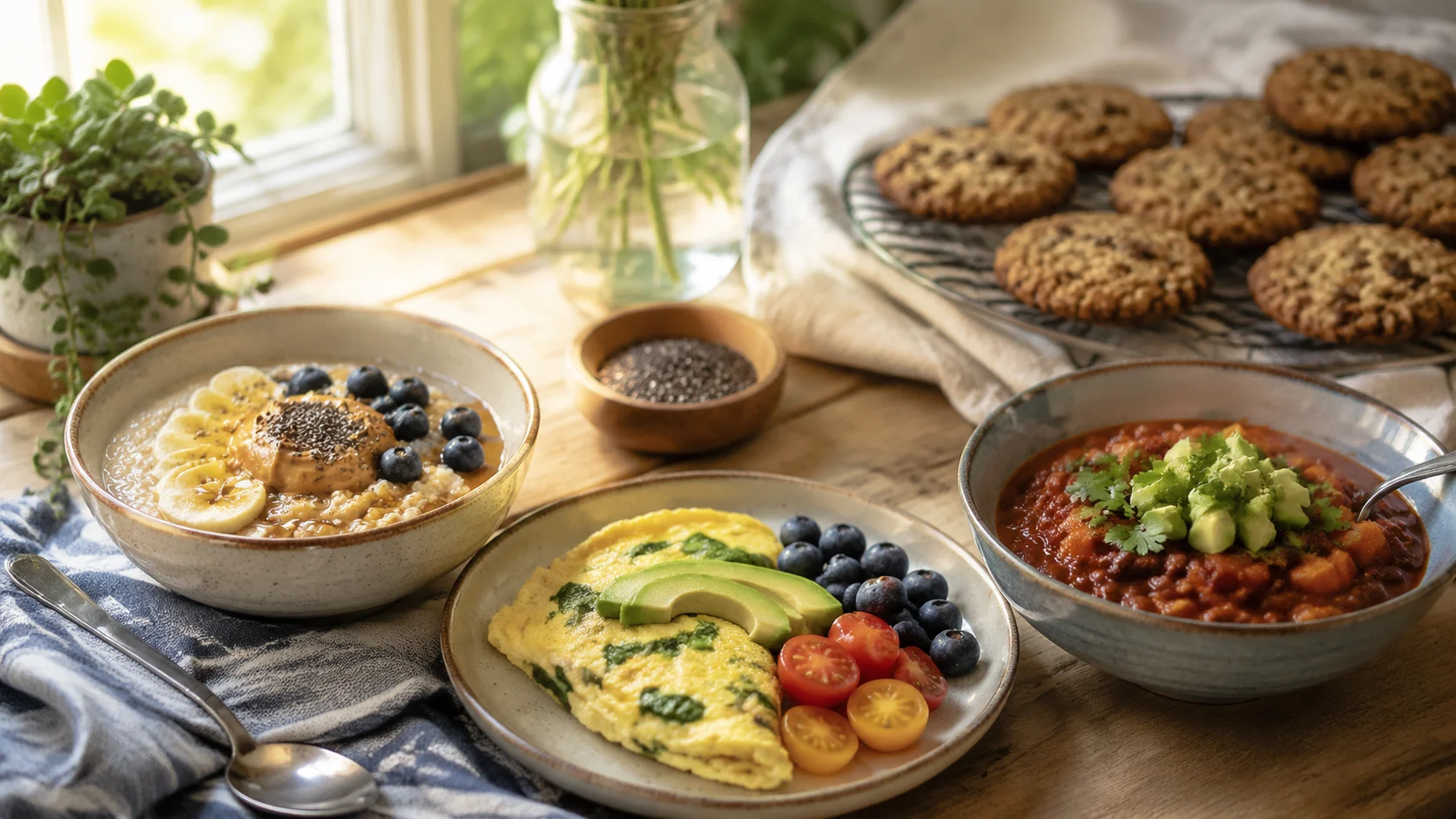
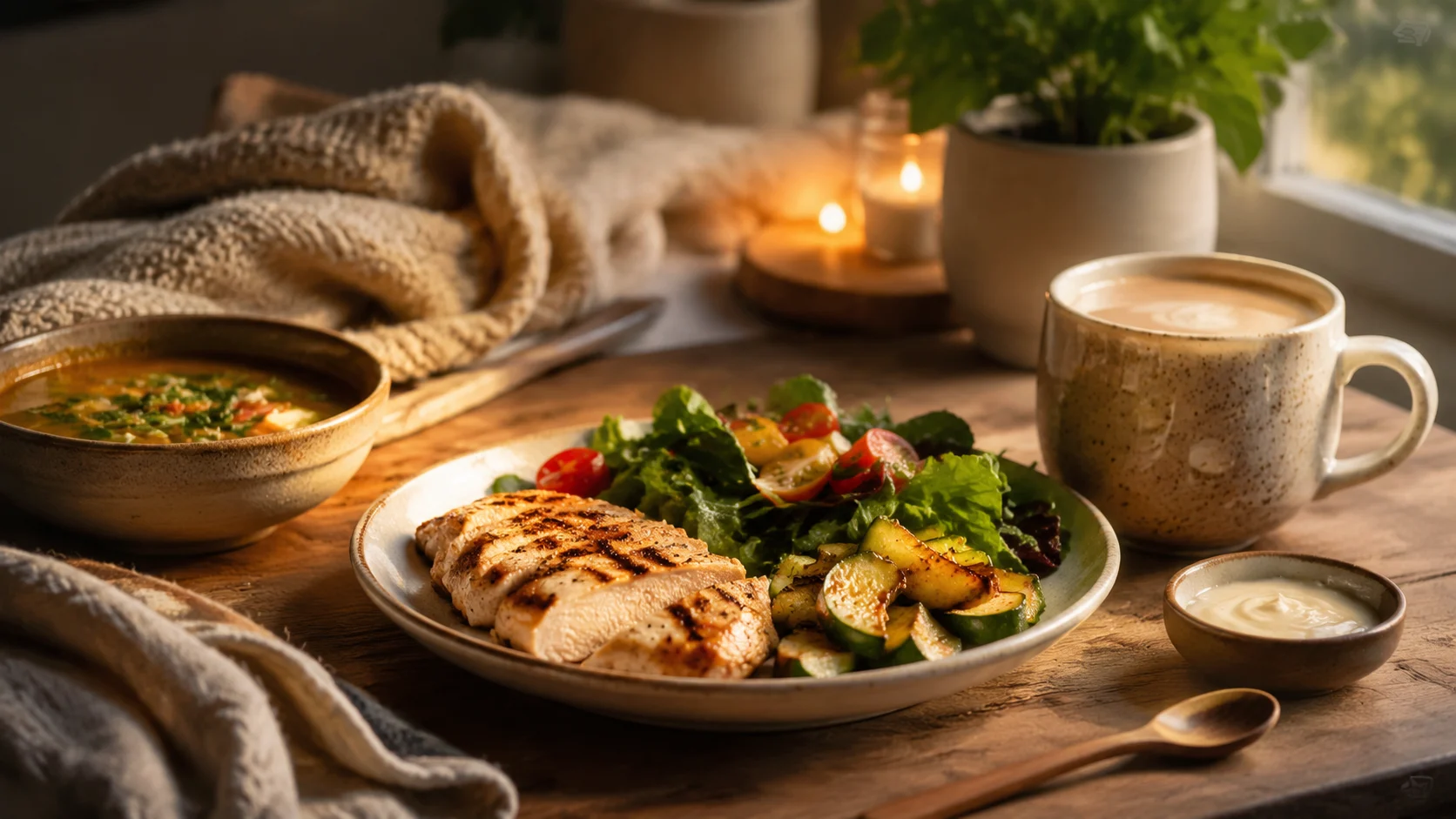
A bowl of oatmeal becomes steadier with crushed walnuts, chia seeds, and sliced banana. A turkey sandwich feels more grounding with a side of fruit and a handful of pretzels instead of trying to be overly virtuous. A tired-evening dinner might be rotisserie chicken tucked beside microwave rice and a bagged salad made softer with olive oil and shredded cheese.
Research has long observed that balanced meals containing protein, fiber, and healthy fats can support more stable blood sugar patterns and help with satiety, which often translates into steadier energy across the day. One review in Advances in Nutrition noted that meal composition can meaningfully affect glycemic response and fullness. That matters for women who are not trying to shrink themselves, but simply trying to stay present through work, parenting, commuting, and life.
When “Healthy Eating” Quietly Becomes Too Little
Sometimes the most draining meals are the ones praised online. A plain salad with a few chickpeas. A smoothie that tastes fresh but disappears in an hour. Rice cakes and coffee standing in for lunch. These choices are not wrong, but they may be too light for the life she is actually living.
This is where many women get confused. They believe they are eating well, yet they feel shaky, distracted, or ravenous by evening. Often, the body is not broken. It is responding intelligently to inconsistent fuel.
If she keeps thinking about snacks all night, the answer may not be more restraint. It may be a lunch with actual heft: pasta with tuna and olive oil, a burrito bowl with beans and rice, or sourdough toast with eggs and avocado plus fruit on the side. Meals for energy not weight loss ask her to trust that enoughness is part of wellness.
A More Tender Question to Ask at Mealtime
Maybe the gentlest shift is this one: instead of asking what a meal will take away, she asks what it will offer back. Will it bring warmth? Focus? Comfort? A steadier mood? A softer landing between one demand and the next?
That question changes the whole room. It makes space for meals for energy not weight loss to become less about nutrition performance and more about relationship — with hunger, with routine, with a body that is always sending signals.
Steady energy is not earned through rigid eating. More often, it grows from regular meals, enough food, and a little less suspicion toward the body’s needs.
Please note: Every body has its own rhythm, appetite, and health context. This gentle guide is for educational purposes only and does not replace personalized advice from a doctor or registered dietitian, especially if someone is dealing with ongoing fatigue, blood sugar concerns, or a medical condition.
You Might Also Wonder
What if she gets hungry again only two hours after eating?
That does not automatically mean she ate “too much” or did something wrong. It may simply mean the meal needed more staying power — often protein, fat, or a larger portion of carbohydrates.
Are snacks still helpful if the goal is steady energy?
Yes. A snack can act like a small bridge between meals. Apple slices with peanut butter, yogurt with granola, or crackers with cheese can help keep energy from dipping too sharply.
What if she is too tired to cook balanced meals every day?
Then gentle shortcuts count. Pre-cooked rice, canned soup with toast, frozen dumplings with edamame, or a sandwich with fruit are all real meals. Support matters more than perfection.
Can meals for energy not weight loss include comfort foods?
Absolutely. In fact, comfort is part of satisfaction. A meal that includes both nourishment and pleasure often feels more settling than one built only around rules.