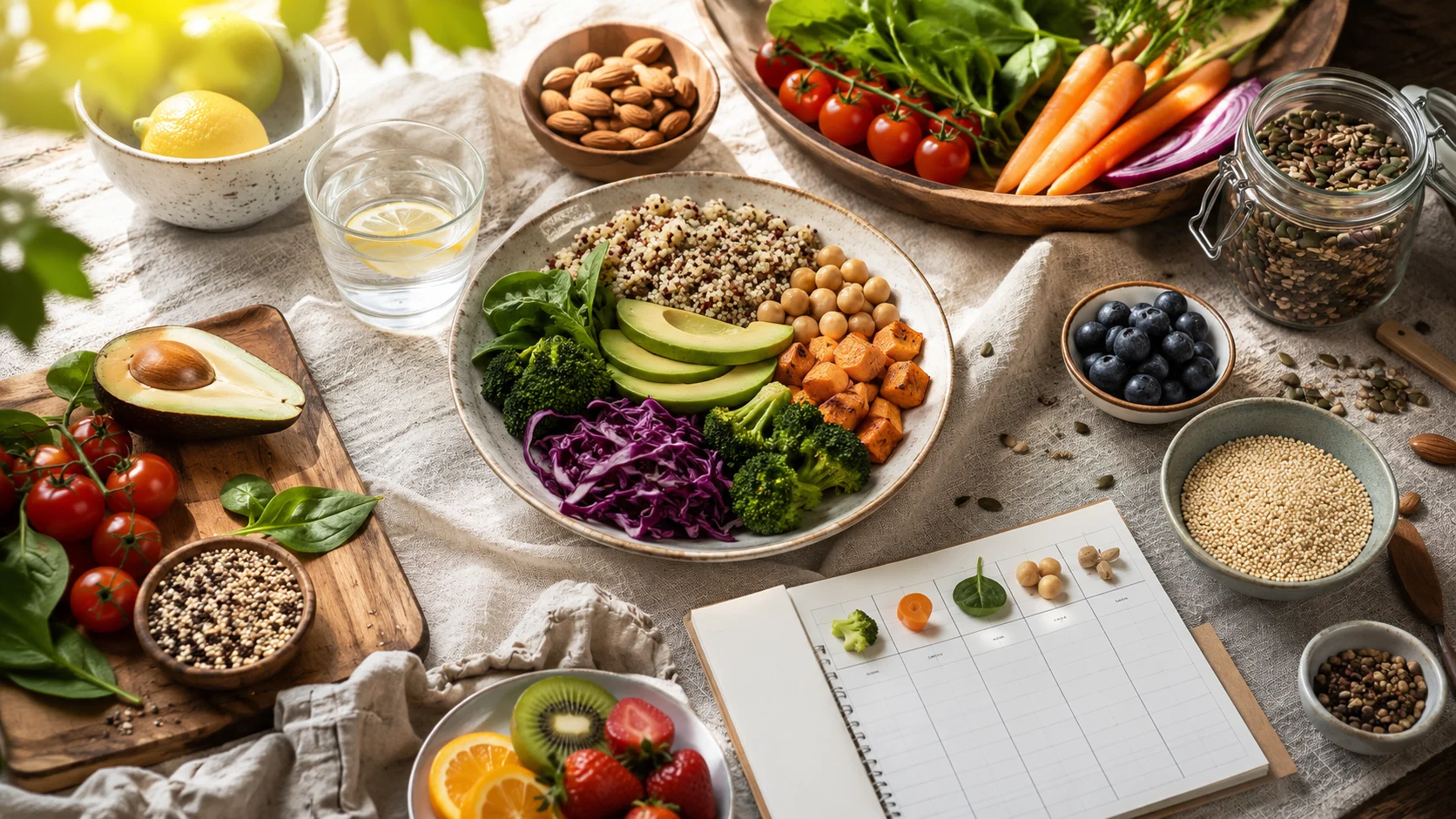

When Fear Around Food Looks Like “Being Good”
Learning how to stop fearing certain foods often begins with a surprising truth: food fear is usually not a sign of health awareness. More often, it is a sign that stress, old diet rules, or guilt have become louder than body trust. For many women, the feared food is not really the problem. The fear is what turns one cookie into a moral crisis, one bowl of pasta into a debate, one restaurant meal into a long night of overthinking.
When she stands in her kitchen after a tiring day, staring at bread or ice cream as if it carries a warning label only she can see, what she needs is not more discipline. She needs a gentler way back to safety. That is how to stop fearing certain foods in real life: by making them less emotionally loaded, not more controlled.
Body trust rarely grows through fear. It grows through repeated moments of safety.
Many feared foods become powerful precisely because they have been placed on a pedestal of danger. Research on restrained eating has long observed that restriction can increase cravings and make eating feel more chaotic, especially under stress. In other words, the harder a person tries to tightly control a food, the more emotionally charged it can become.
The “Safety Plate” Shift
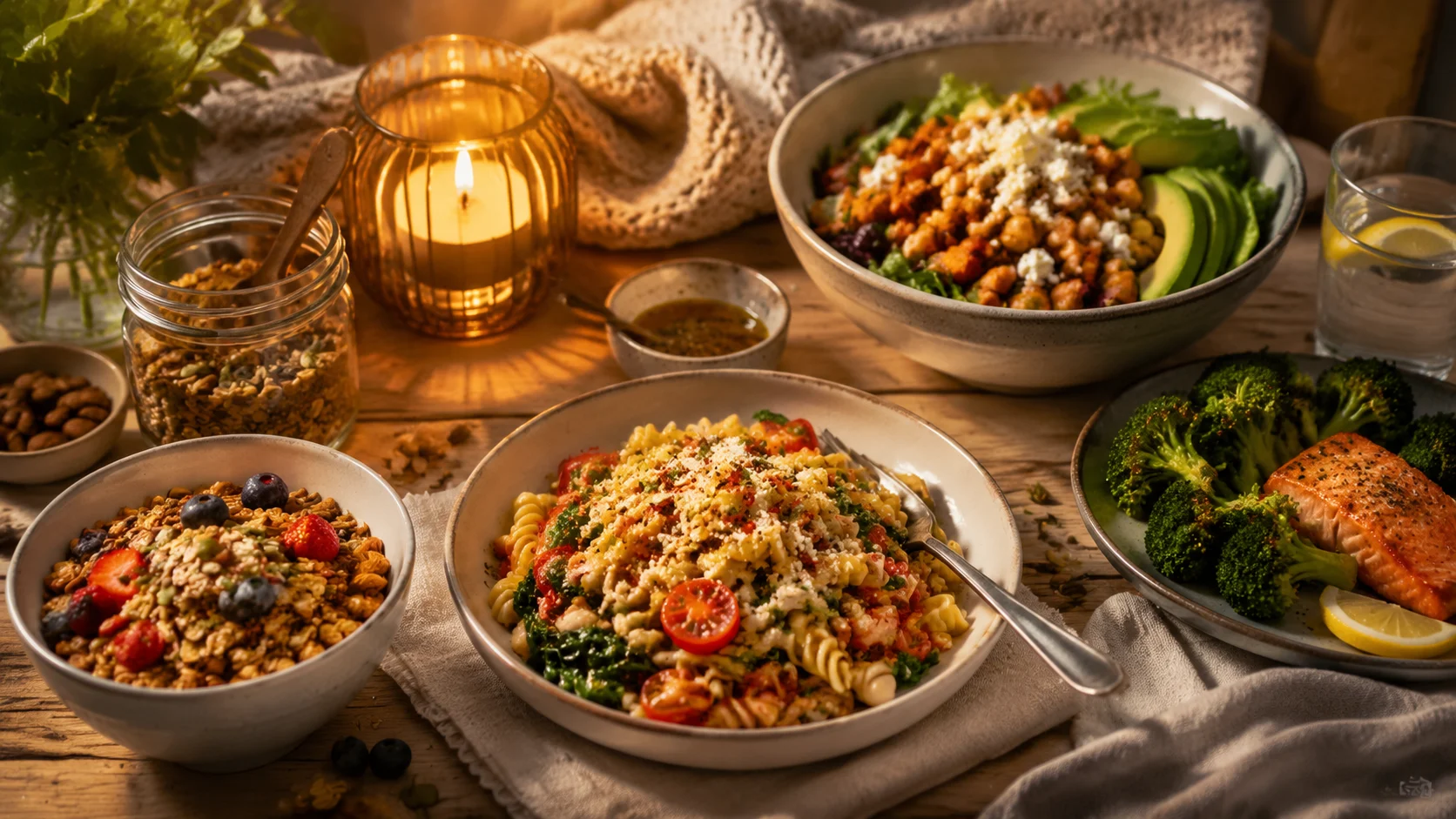
A helpful micro-framework for how to stop fearing certain foods is the Safety Plate Shift. Instead of facing a feared food alone, as if it were a test of control, she places it inside a meal or snack that feels grounding and balanced.
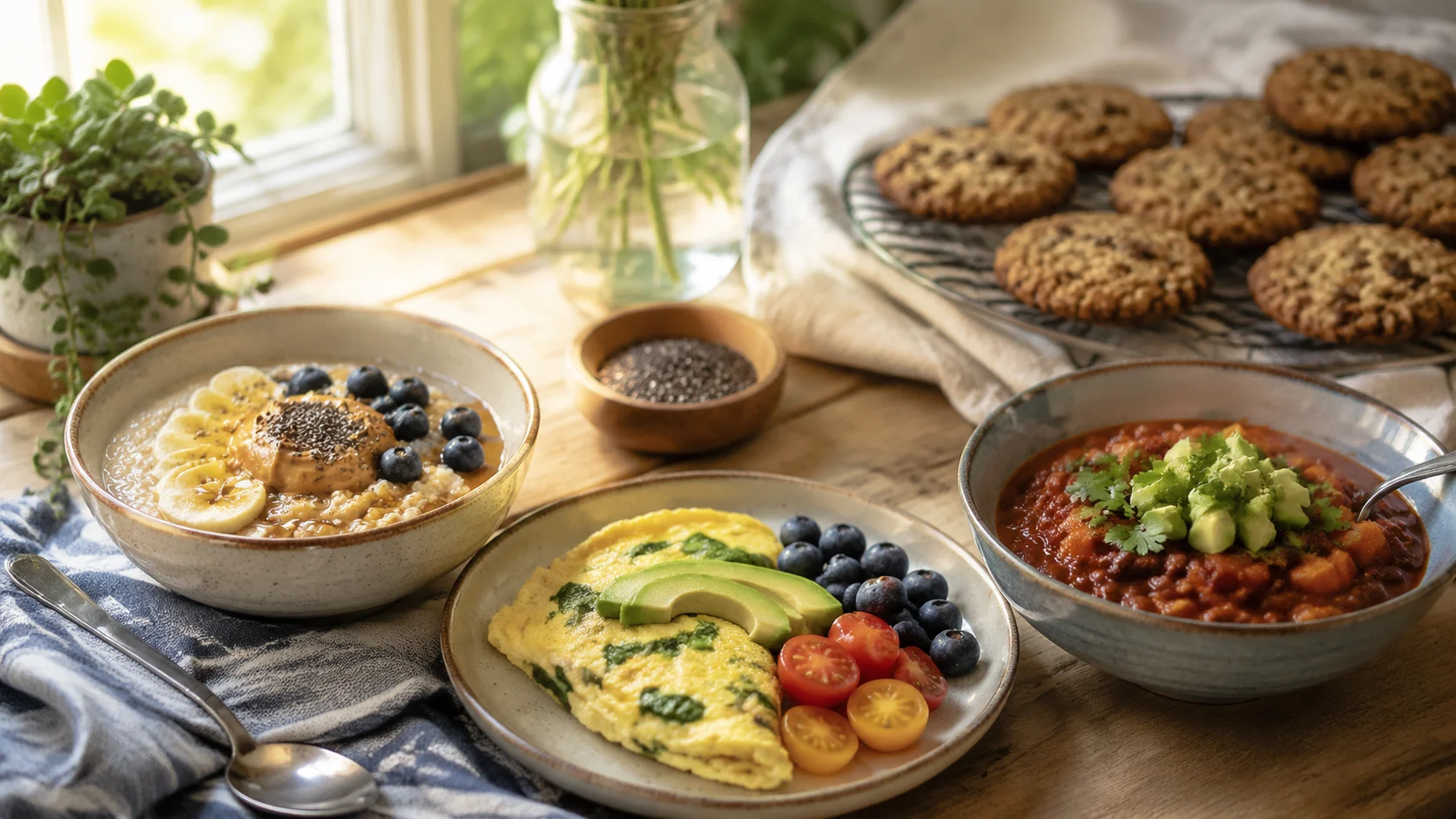
- Pair, don’t isolate. A feared pastry may feel less intense beside a cup of Greek yogurt and berries, or alongside a real breakfast on a slow Saturday morning.
- Sit, don’t hover. Eating while standing at the counter often keeps the nervous system alert. A plate, a chair, and a few quiet minutes can soften urgency.
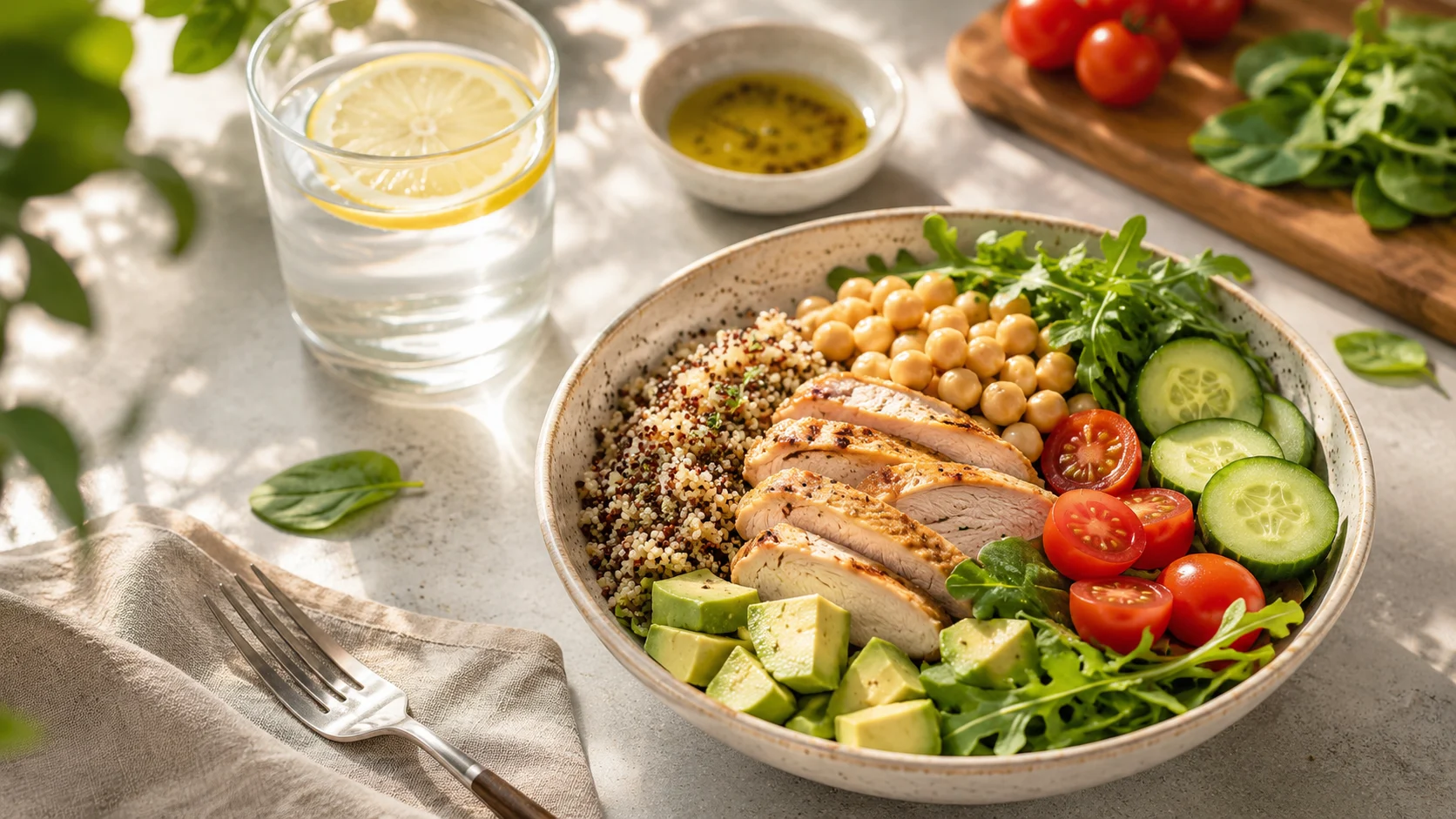
- Add support, not punishment. A bowl of pasta becomes less scary when joined by roasted vegetables, olive oil, and chicken or white beans. The goal is not to “cancel out” the food. The goal is to help the body feel steady.
This is one of the gentlest answers to how to stop fearing certain foods, because it teaches the brain that the food can exist in a calm, nourished setting.
Why Forbidden Foods Get Louder in a Tired Life
Food fear often gets stronger when life gets harder. A woman who is underfed at lunch, overstimulated by work, and running on little sleep will not experience food the same way as someone who feels rested and supported. Low energy, skipped meals, and emotional strain can make feared foods feel louder, not because she is failing, but because her body is asking for relief.
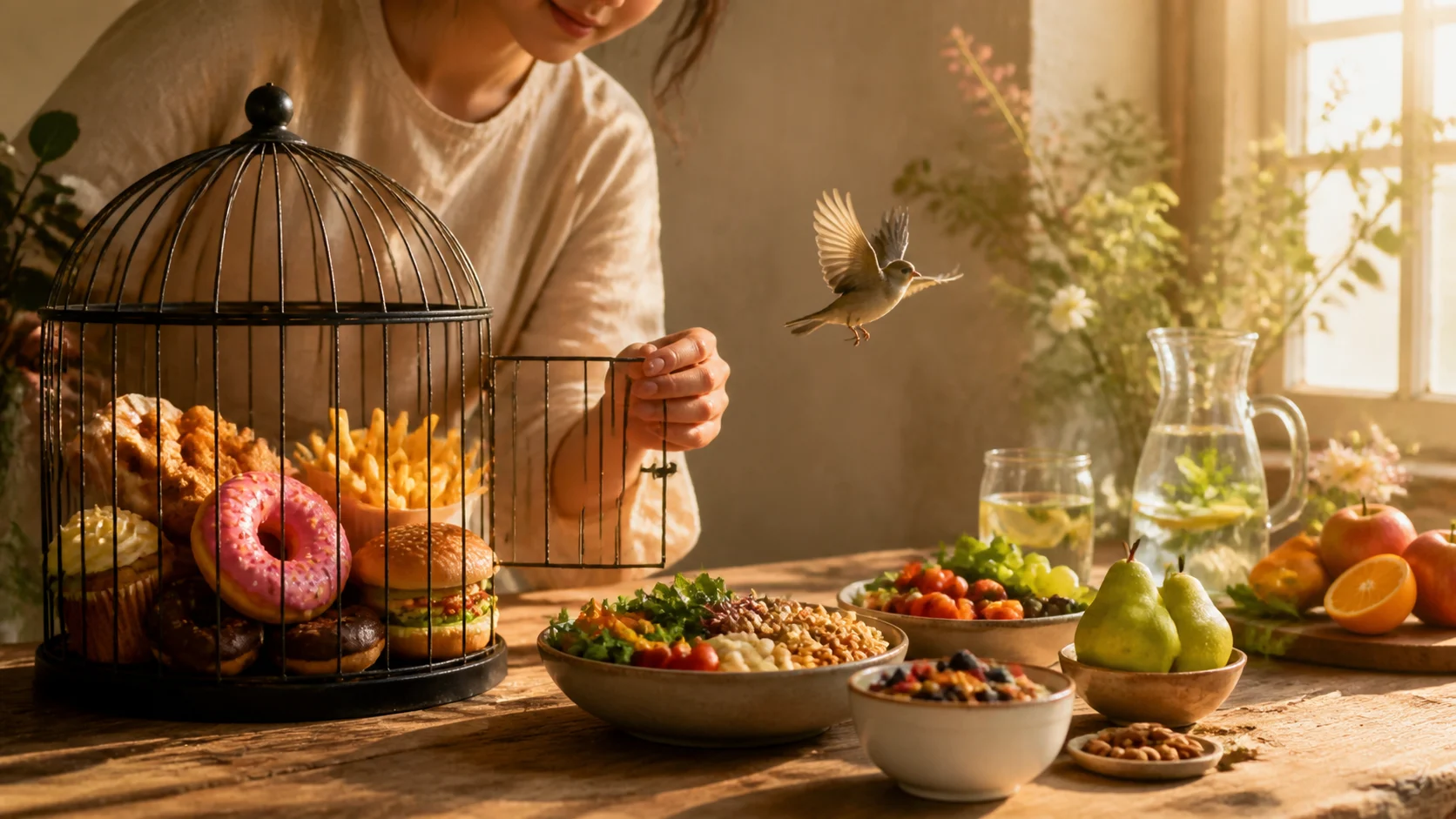
One study published in Appetite found that stress can shape both what people crave and how much control they feel around food. That helps explain why chips, chocolate, or bread can seem almost magnetic at the end of a long day. The issue is not simply the food. It is the exhausted context around it.
The body is not a project to defeat. It is a place to care for.
So if she wants to know how to stop fearing certain foods, it helps to ask a softer question first: What makes this food feel unsafe to me? Sometimes the answer is an old rule. Sometimes it is a memory of binge-restrict cycles. Sometimes it is the fear of losing control once she starts. Naming the fear often shrinks it.
Small Exposure, Deep Permission
Another gentle path for how to stop fearing certain foods is not dramatic bravery. It is small exposure with deep permission. She does not need to prove she can eat a large amount of the feared food. She only needs repeated experiences that teach her nervous system, “Nothing bad is happening here.”
- Choose one food at a time. Maybe it is pizza, cereal, or dessert.
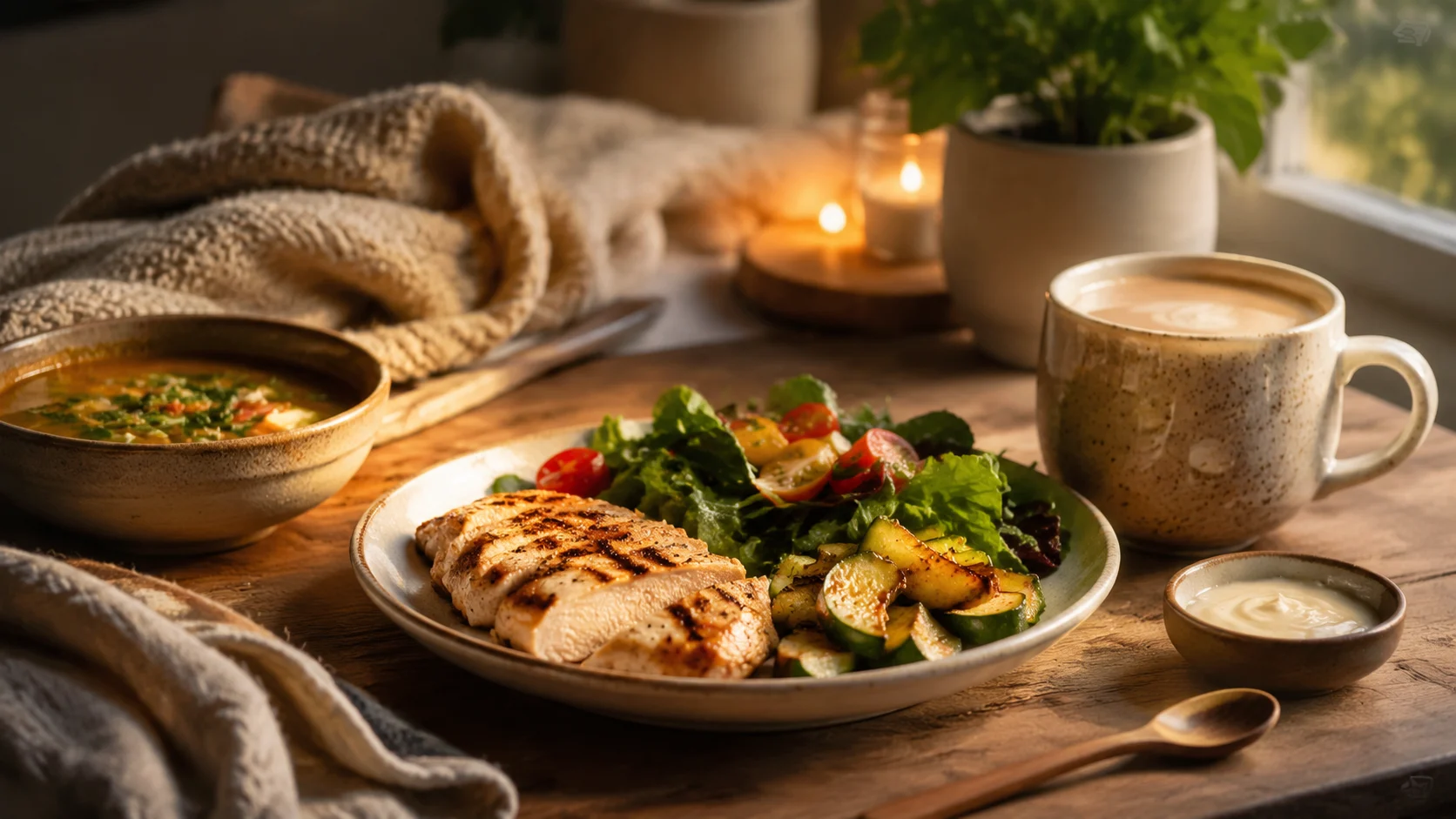
- Bring it into an ordinary moment. Not a “cheat” moment, not a last-supper moment. Just lunch with soup and pizza, or an evening snack with cookies and milk.
- Notice the story. If the mind says, “I shouldn’t,” “This is dangerous,” or “I’ll never stop,” she can answer with something steadier: “I am learning. I am allowed to eat.”
- Repeat before judging. Trust rarely appears after one try. It builds through familiarity.
For many women, how to stop fearing certain foods is less about nutrition facts and more about undoing old alarms.
A Softer Relationship Is Built in Ordinary Moments
There is no perfect finish line where food becomes emotionally silent forever. But there is a quieter place many women can reach, where bread is just bread, dessert is just dessert, and dinner no longer feels like a test. That softer relationship is built in ordinary moments of eating enough, pairing foods gently, and refusing to turn one meal into a moral report card.
If a feared food still feels intense, it may help to begin even smaller: a few bites with company, a balanced snack in the afternoon so dinner feels less desperate, a written list of food rules that no longer deserve authority. These are not dramatic acts. They are steady ones. And steady is often what heals.
Please note: Every body has its own rhythm, history, and level of support needed. This gentle guide is for educational purposes and does not replace personalized advice from a healthcare professional or eating disorder specialist, especially if food fear feels severe, distressing, or tied to ongoing restriction.
You Might Also Wonder
If I’m scared of eating sweets because I feel I’ll lose control, where should I start?
Start with a small, planned portion in a calm setting, ideally after or alongside a satisfying meal. Sweets often feel more intense when eaten while overly hungry or emotionally flooded.
What if I eat the feared food and then want more?
That can happen, especially if the food has been restricted for a long time. Wanting more does not mean something is wrong. It often means the body and mind are still learning that the food is not being taken away again.
Can balanced meals really help with food fear?
Very often, yes. When meals include enough substance and steadier energy support, the nervous system is less likely to swing between deprivation and urgency.
How long does it take to stop fearing certain foods?
It varies. For some, a few weeks of repeated safe exposure helps. For others, especially after years of dieting, it can take longer. The pace matters less than the pattern of gentle consistency.