
The quieter truth about protein
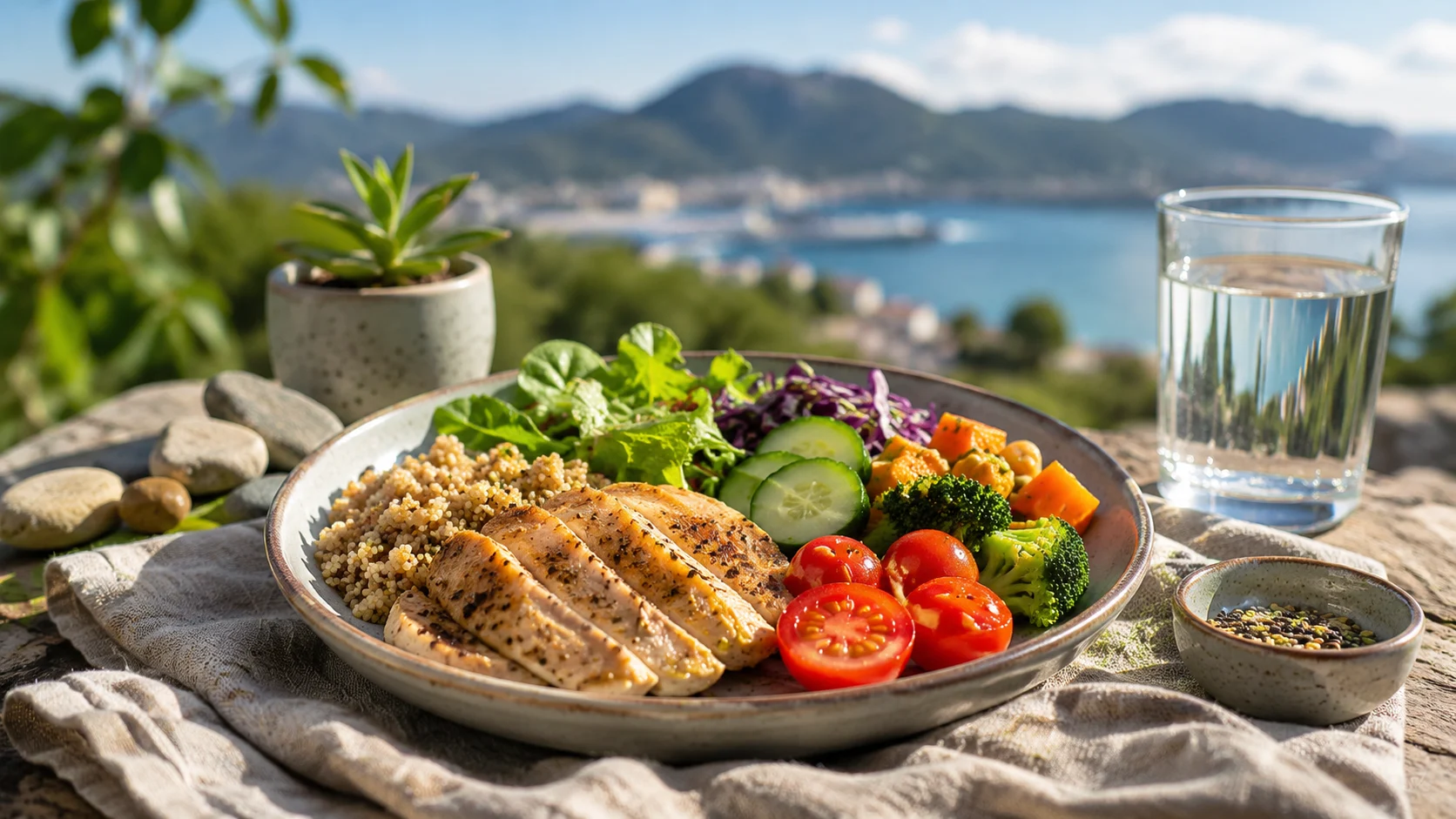
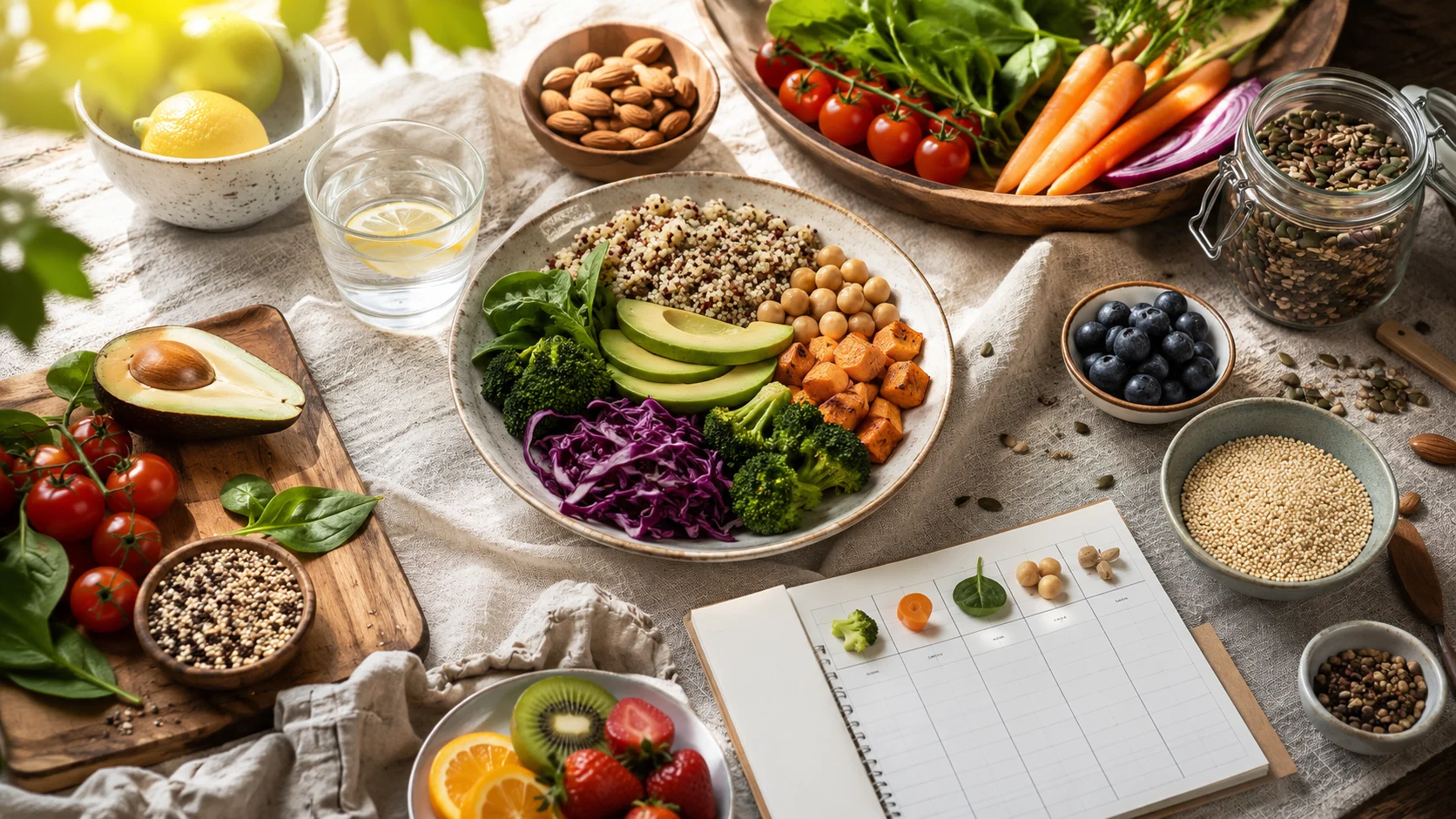
Most women do not struggle with protein because they are lazy or “bad at healthy eating.” More often, they are simply tired, distracted, and trying to feed themselves inside a real life that moves fast. How to eat more protein without overthinking starts with making food feel easier, not stricter. It is less about chasing perfect numbers and more about gently adding steady support to meals that already exist.
When she is answering emails at noon with a half-finished coffee nearby, or standing in the kitchen at 6:40 p.m. wondering what can be made in ten minutes, protein does not need to become a math problem. It can become a soft anchor. A spoonful of Greek yogurt beside fruit. Eggs folded into toast and avocado. Rotisserie chicken tucked into a warm bowl of rice.
Food does not need to be impressive to be nourishing. It only needs to meet the moment with a little more support.
Research has observed that protein can help with satiety and meal satisfaction, and many adult women benefit from spreading protein across the day rather than saving it all for dinner. That means breakfast and snacks matter more than many people realize.
The “anchor and add” method
If there is one simple micro-framework to remember, let it be this: the Anchor and Add method. Instead of rebuilding an entire diet, she keeps the meal she already likes and adds one protein anchor to it.
- Toast becomes breakfast with staying power — Instead of plain toast, add cottage cheese, scrambled eggs, or smoked salmon. The meal still feels familiar, just steadier.
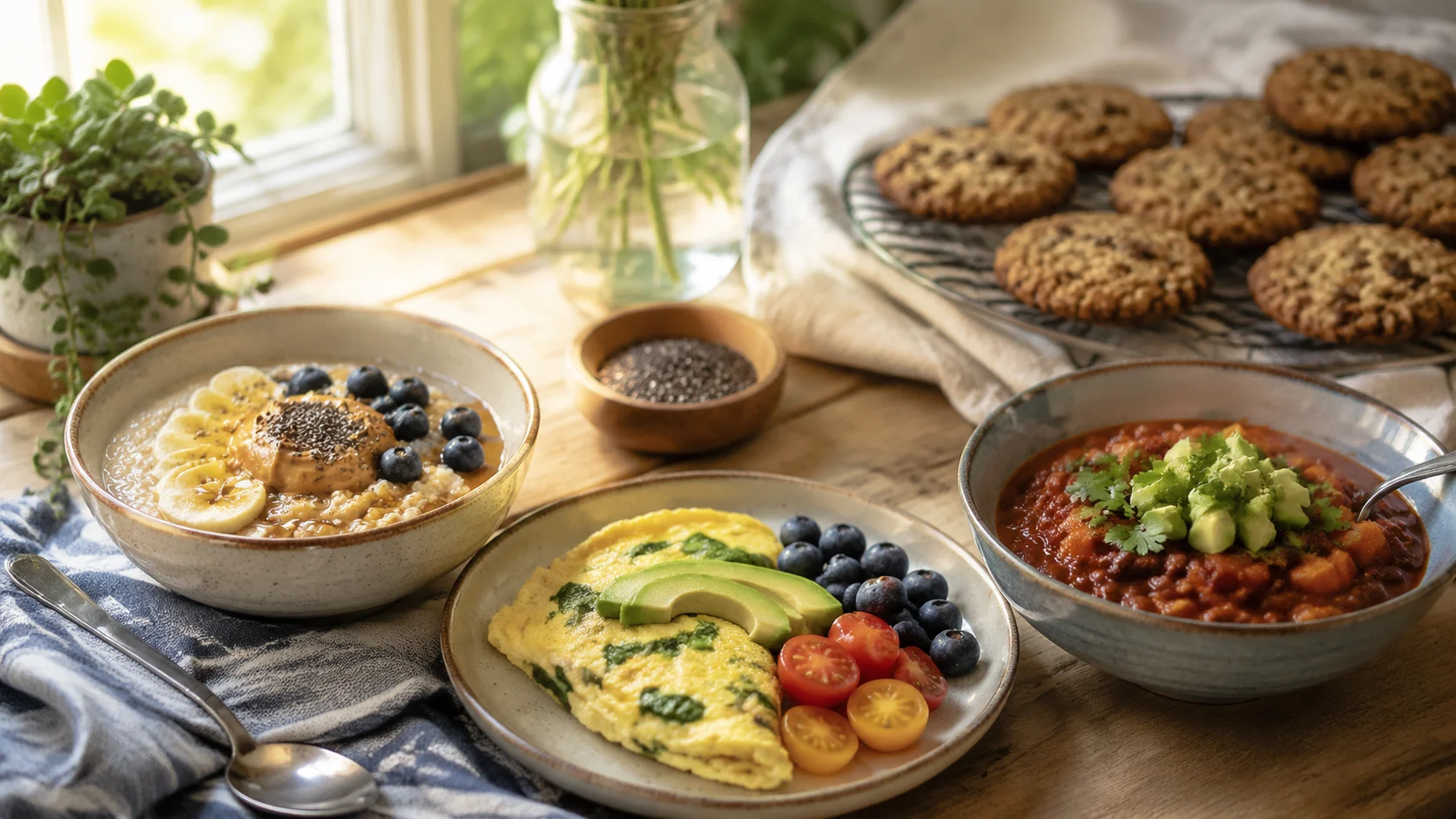
- Oatmeal becomes more comforting and complete — Stir in Greek yogurt after cooking, sprinkle hemp hearts on top, or pair it with two boiled eggs on the side.
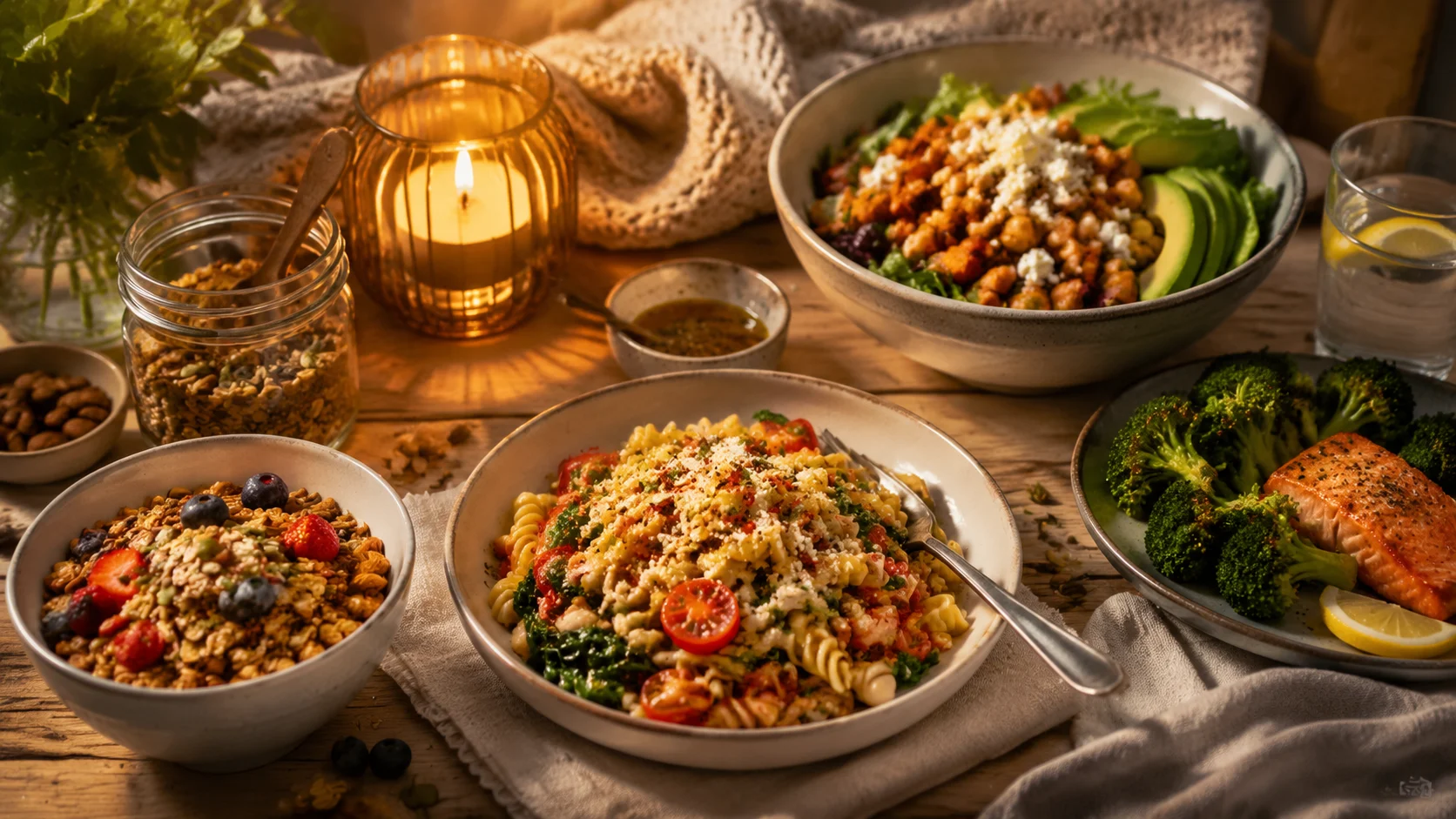
- Pasta becomes a softer landing after a long day — Add white beans, shredded chicken, or turkey meatballs to the bowl she already wanted.
- A snack becomes more satisfying — Apples with peanut butter, crackers with cheese, or a cup of yogurt with granola can carry energy further than fruit alone.
This is often the most realistic answer to how to eat more protein without overthinking: do not start from zero; start from what is already on the plate.
Where busy women quietly miss it
Protein is often lowest in the meals that are eaten in a rush. A quick breakfast of cereal alone. A lunch made of snack bits that never quite land. An afternoon pick-me-up that is sweet but disappears in an hour. Then the body asks for more by evening, and that request can sound like cravings, irritability, or the feeling of never being fully satisfied.
Some gentle places to look first:
- Breakfast — If mornings feel chaotic, think grab-and-go: hard-boiled eggs, a drinkable yogurt, or toast layered with nut butter and hemp seeds.
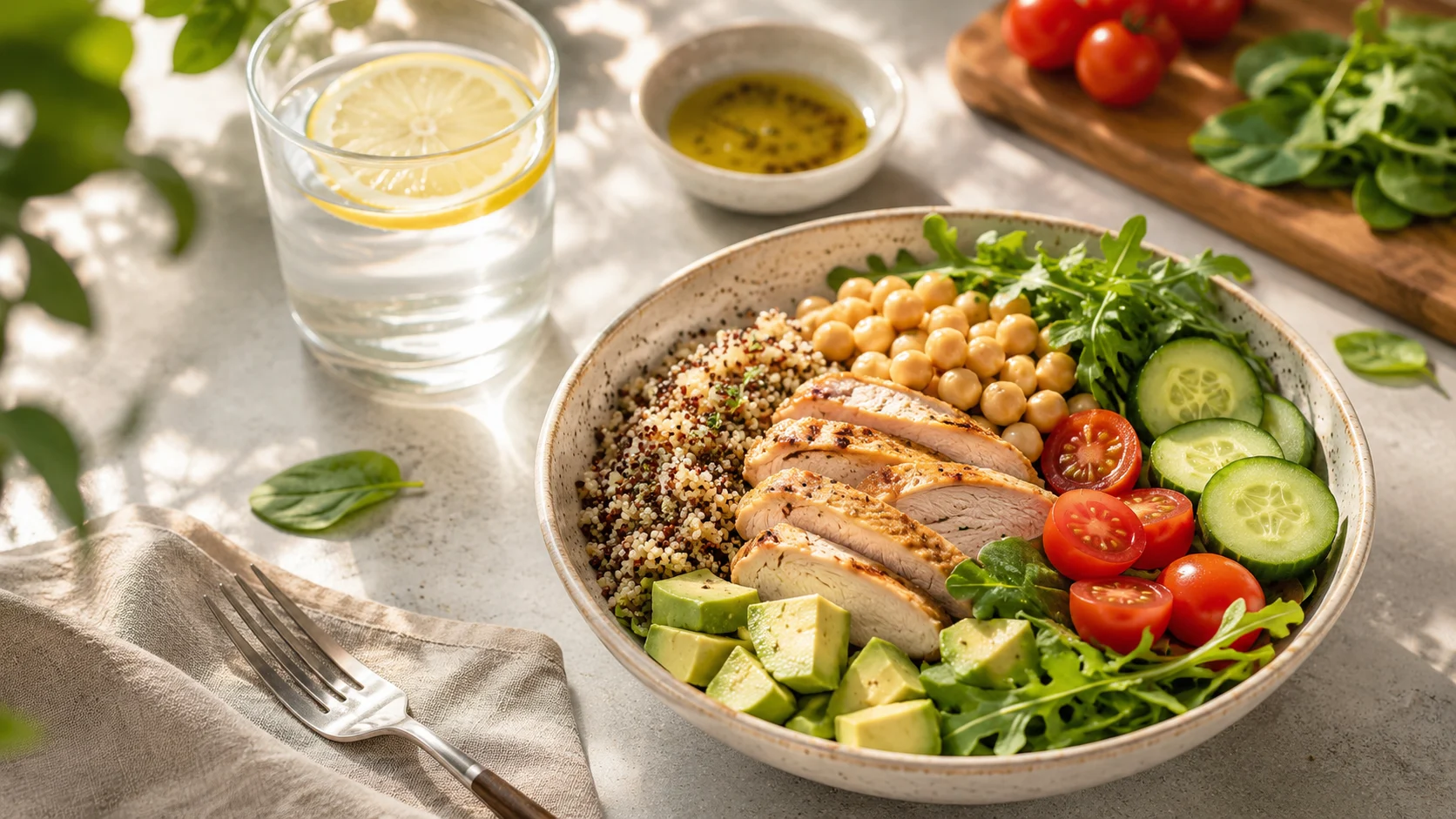
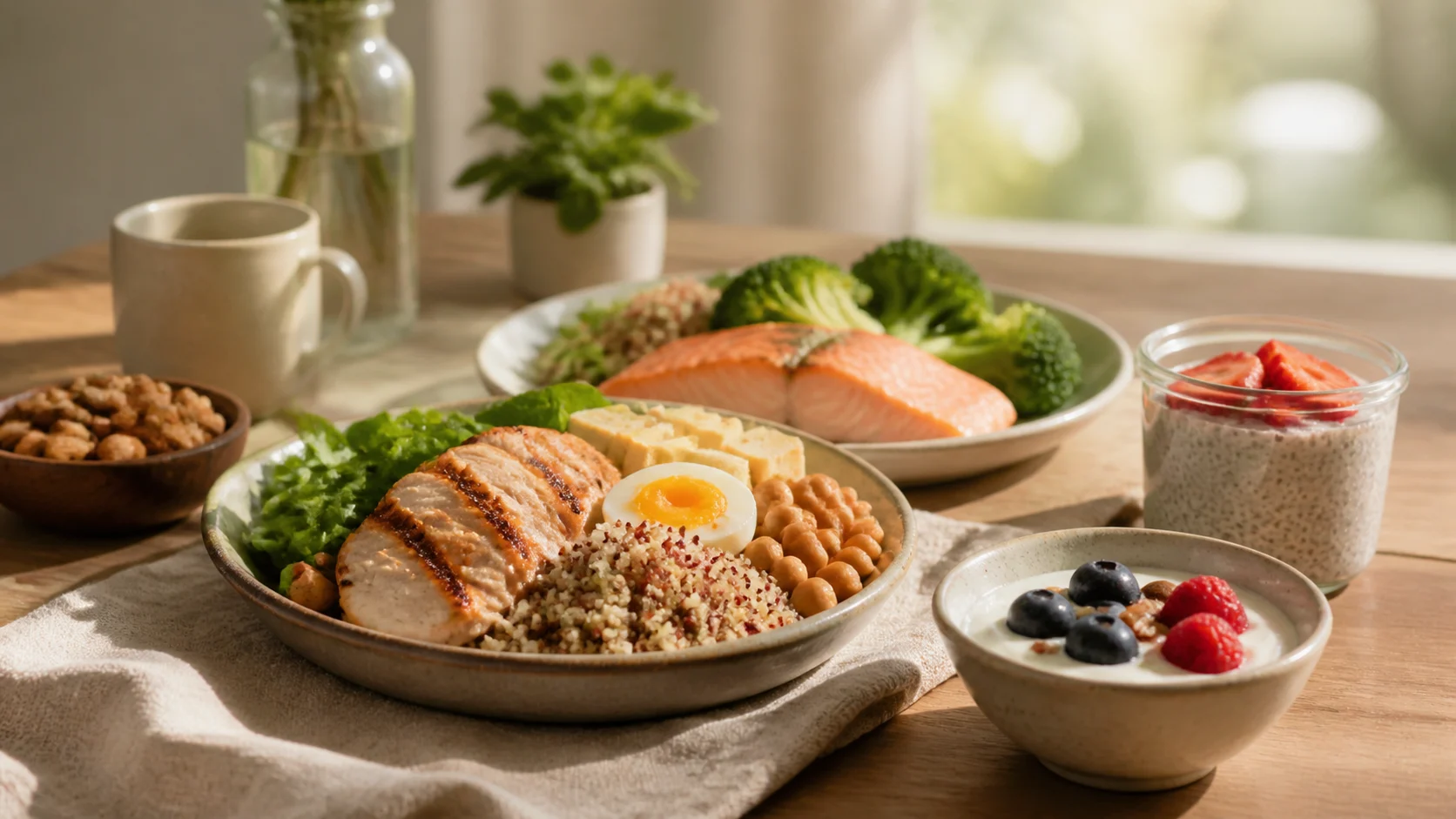
- Lunch — A salad is not very supportive if it leaves her cold and hungry. Add chicken, tofu, tuna, beans, or lentils so it feels like an actual meal.
- Afternoon snacks — This is where steady energy is often won or lost. Pairing carbs with protein can help the body feel less jolted and less desperate later.
The body is not asking for perfection. It is asking to be included in the plan.
Gentle protein ideas that fit real life
For the woman who wants simple answers, here are a few low-drama ways to bring in more protein without turning every meal into a project:
- Keep one easy protein in sight — A carton of eggs, a tub of Greek yogurt, or edamame in the freezer can quietly solve many meals.
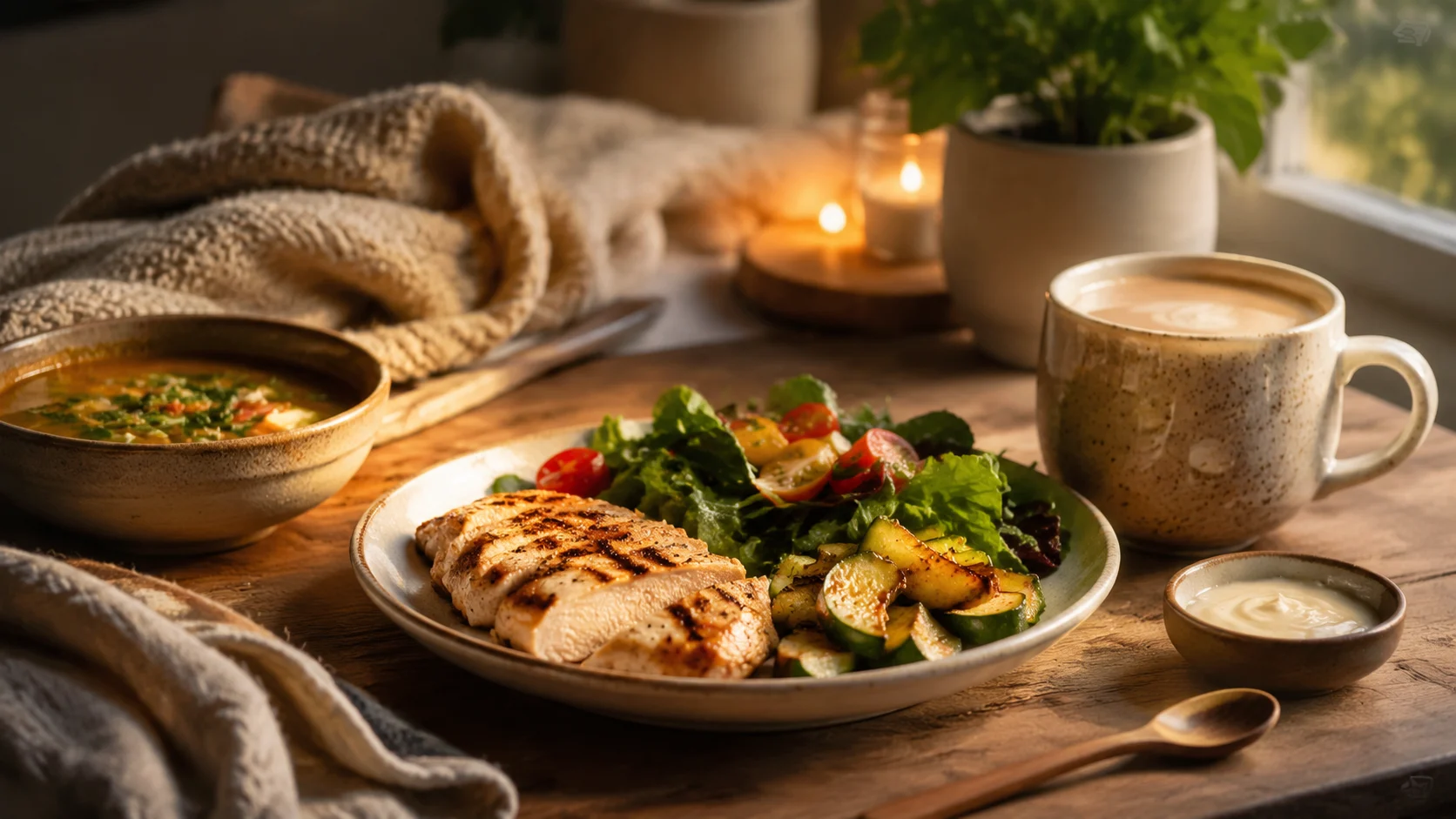
- Let dinner work twice — If salmon, chicken, or lentil soup appears at night, save a portion for tomorrow’s lunch before the evening gets away.
- Build snacks with a “pairing instinct” — Think banana with peanut butter, toast with ricotta, or a handful of nuts beside dried fruit.
- Use comfort foods as a base, not a failure — Mac and cheese can hold tuna or white beans. Soup can welcome shredded chicken. Even a frozen waffle can be softened with yogurt on the side.
That is how to eat more protein without overthinking in a way that feels kind: not by forcing ideal meals, but by creating small supports inside ordinary ones.
When simple is enough
There is a certain relief in realizing that protein does not need to look like meal prep containers lined up in a perfect refrigerator. Sometimes it looks like a warm breakfast sandwich eaten in the carpool line, or cottage cheese with peaches at a desk between meetings. Simple counts. Repeatedly simple often works better than occasionally perfect.
For many women, the most sustainable shift is not intensity. It is repetition with ease. One more egg. One more scoop. One more balanced pairing. That is often enough to support steadier energy and a calmer relationship with food.
Please note: Every body has its own rhythm, appetite, and nutrition needs. This gentle guide is for educational purposes and does not replace personalized advice from a doctor or registered dietitian, especially if someone is pregnant, managing a medical condition, or unsure how much protein is right for her.
You Might Also Wonder
What if she does not like high-protein foods?
She does not need to force the obvious choices. Protein can come in quieter forms: yogurt in a smoothie, lentils in soup, cheese with crackers, tofu in a stir-fry, or nut butter spread onto toast.
Does every meal need a large amount of protein?
Not necessarily. A gentler goal is simply to include some protein more consistently across the day, especially at breakfast and snacks, where it is often forgotten.
What if cooking feels impossible after work?
Then convenience is support, not failure. Rotisserie chicken, frozen edamame, canned beans, cottage cheese, and pre-boiled eggs exist for tired evenings exactly like that.
Can she eat more protein without tracking grams?
Yes. Many women do well by using visual anchors instead of numbers: eggs at breakfast, beans or chicken at lunch, yogurt or nuts at snack time, and a protein source at dinner.