
When the Snack Isn’t the Problem
How to respond to stress eating begins with a quieter truth than most women have been taught: stress eating is often not a failure of discipline. It can be the body’s fast, practical way of asking for comfort, steadier energy, or a pause in a day that has asked too much. When she reaches for something crunchy after a hard meeting or something sweet late at night, the food is not always the problem. Often, it is the signal.
Many women have learned to answer stress with control. Eat less tomorrow. Be stricter next time. But that response usually deepens the cycle. A more supportive path is to meet the moment with curiosity: What is this eating trying to do for me right now?
Stress eating is rarely a character flaw. More often, it is a body signal wrapped in pantry language.
That shift matters. If she wants to know how to respond to stress eating, the first step is not punishment. It is understanding whether the body needs food, rest, comfort, stimulation, or simply relief.
The Pause-Plate-Pattern Method
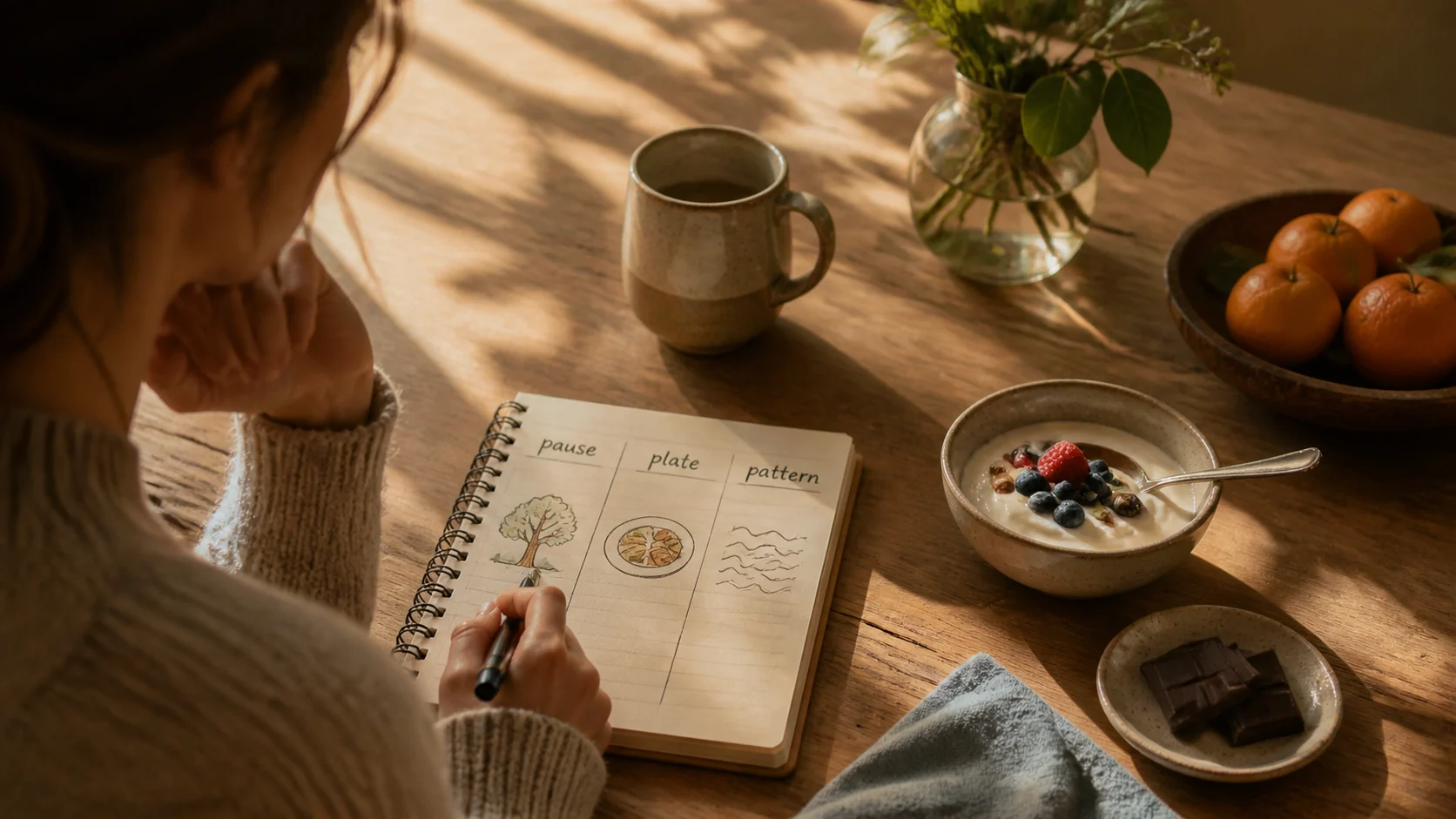
A gentle way to remember how to respond to stress eating is the Pause-Plate-Pattern Method. It is not a rule system. It is a way to slow the moment down just enough to hear what the body is saying.
- Pause: Before eating, take one full breath and notice the scene. Is she shaky, tired, overwhelmed, lonely, or mentally fried? A pause does not mean stopping the eating. It means adding information.
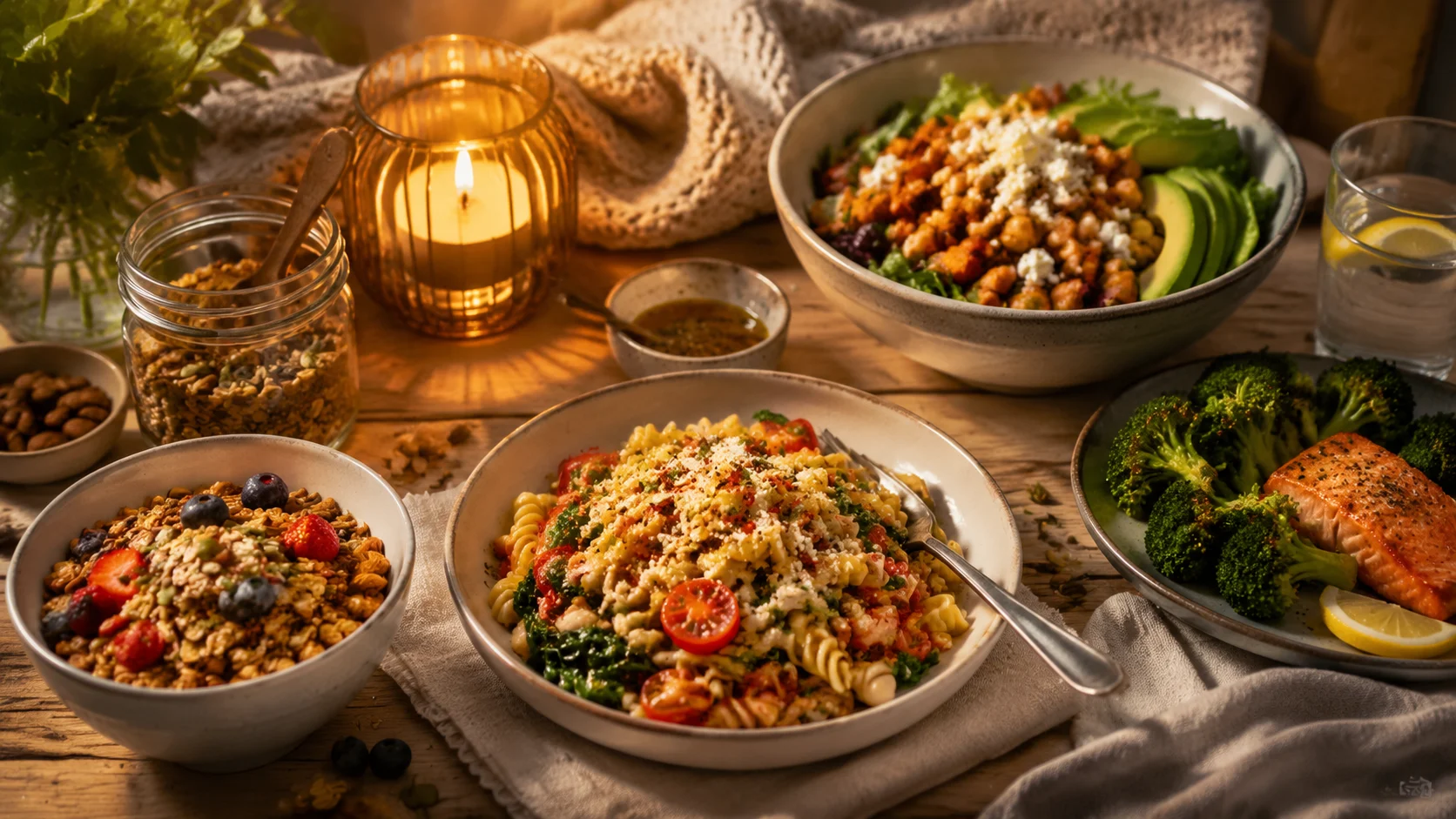
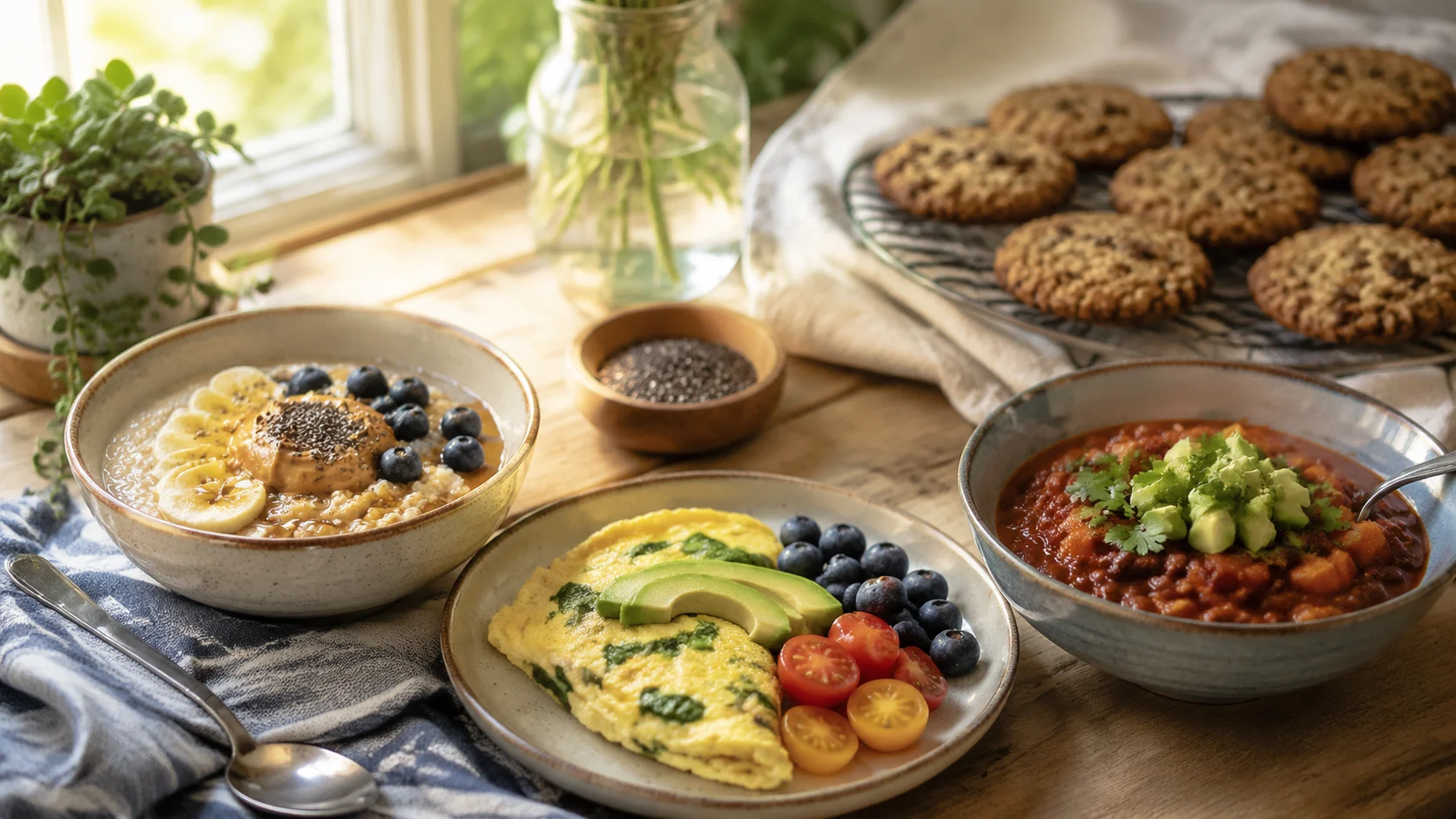
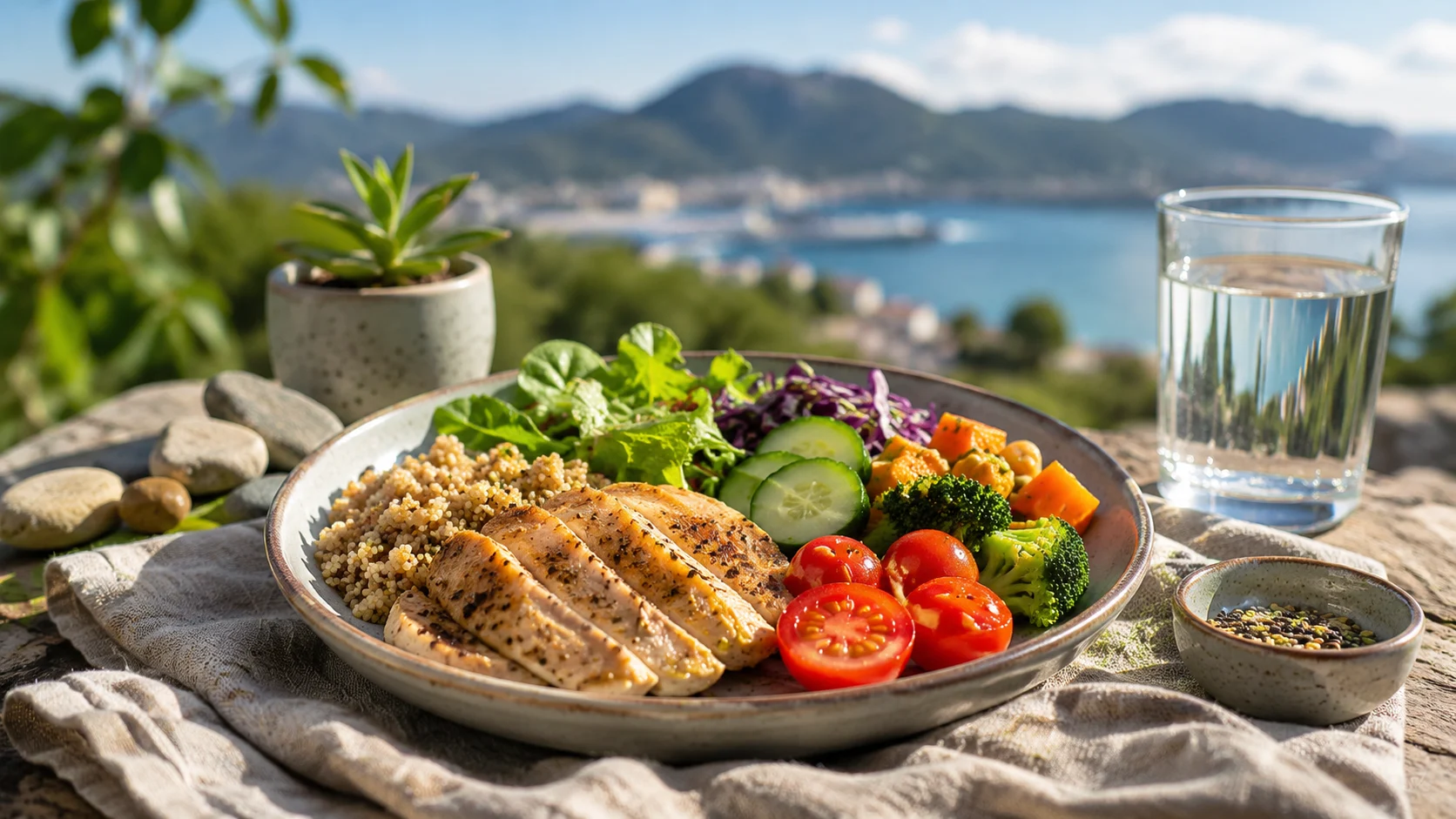
- Plate: If there is physical hunger or she has not eaten enough earlier, make the food a little more grounding. Instead of standing by the counter with crackers, she might sit down with toast spread with peanut butter and sliced banana, or a warm bowl of yogurt, berries, and granola. Balanced comfort often calms the body faster than random grazing.
- Pattern: If the same moment keeps returning—3 p.m. sweets, post-bedtime chips, takeout after stressful calls—look gently at the pattern. The goal is not to judge it. The goal is to support it earlier.
This is often the heart of how to respond to stress eating: not asking, “How do I stop myself?” but asking, “What support was missing before this moment arrived?”
What the Body May Be Asking For
Sometimes stress eating appears when lunch was too small, when protein and fiber were missing, or when the day ran on caffeine and urgency alone. Sometimes it shows up after emotional strain, when chewing and tasting become a brief way to come back to earth. Research has found that chronic stress can influence appetite and increase preference for highly palatable foods, partly through cortisol and reward pathways. In other words, this response is human, not unusual.
If she is trying to learn how to respond to stress eating, it helps to sort the urge into one of a few soft categories:
- Low fuel: She skipped breakfast, worked through lunch, and now wants everything in sight. The answer may be more regular nourishment.
- Emotional overload: Food is acting like a blanket. The answer may be comfort plus food, not comfort instead of food.
- Restriction rebound: She has been trying to be “good” all day, and the evening swings hard in the other direction. The answer may be more food freedom and fewer rigid rules.
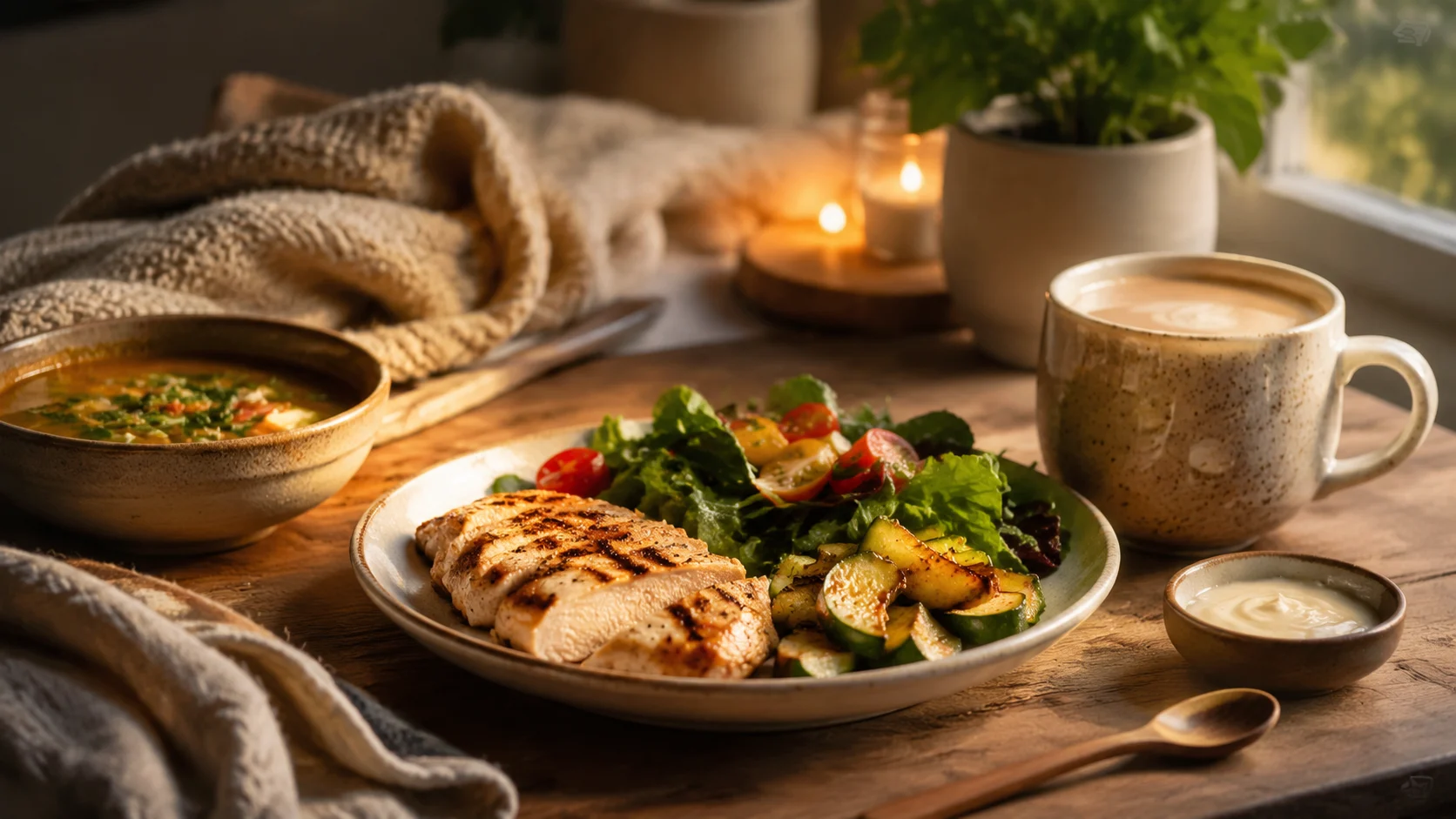
- Sensory decompression: After a loud, demanding day, crunchy, creamy, or cold foods offer ease. The answer may include a soothing ritual, like tea, music, dim lights, and a satisfying snack.
The body is not a project to conquer. It is a place to listen more closely.
Small Responses That Actually Help
Knowing how to respond to stress eating does not require a perfect routine. It usually begins with a few gentle interventions repeated often enough to create safety.
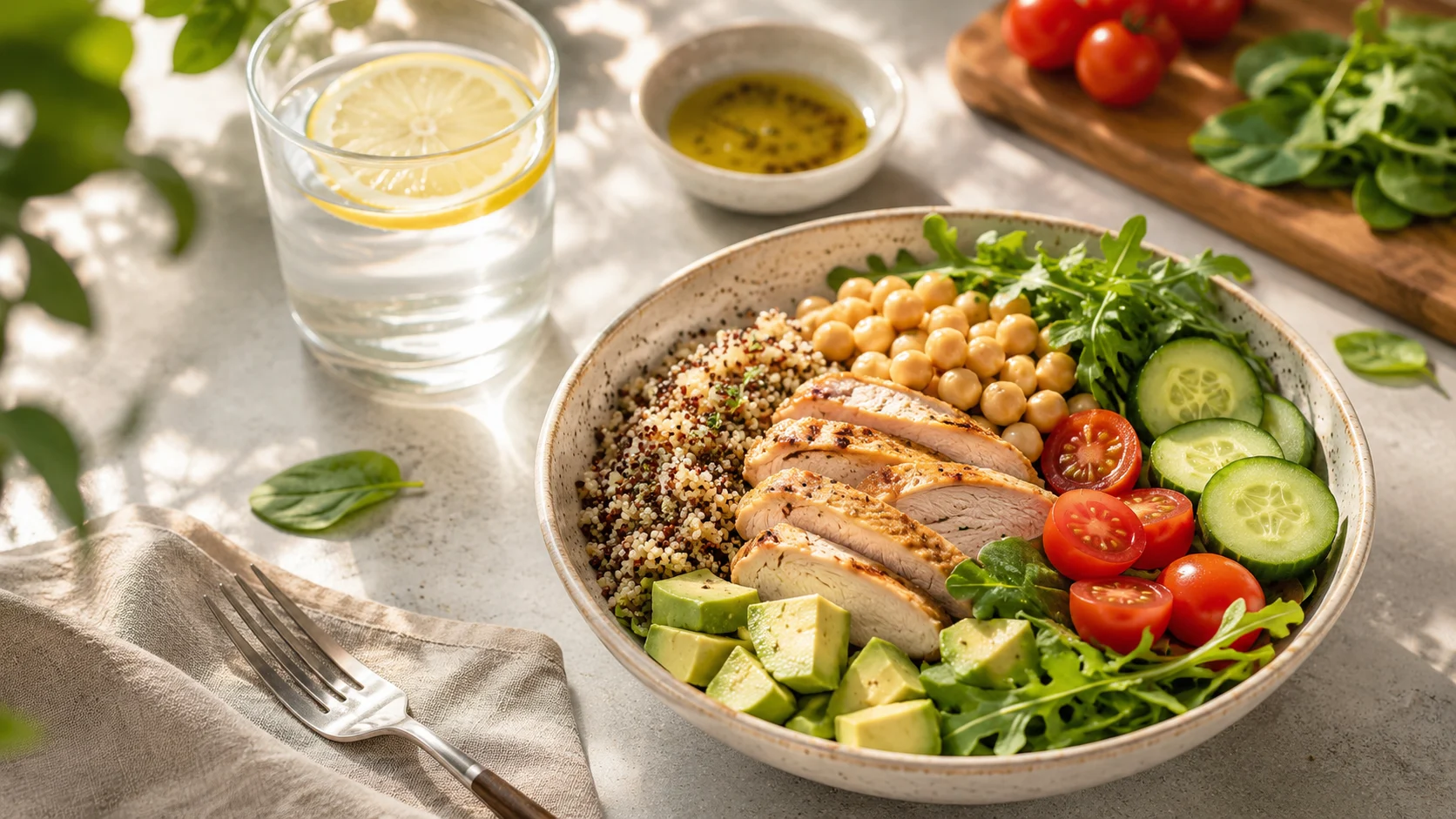
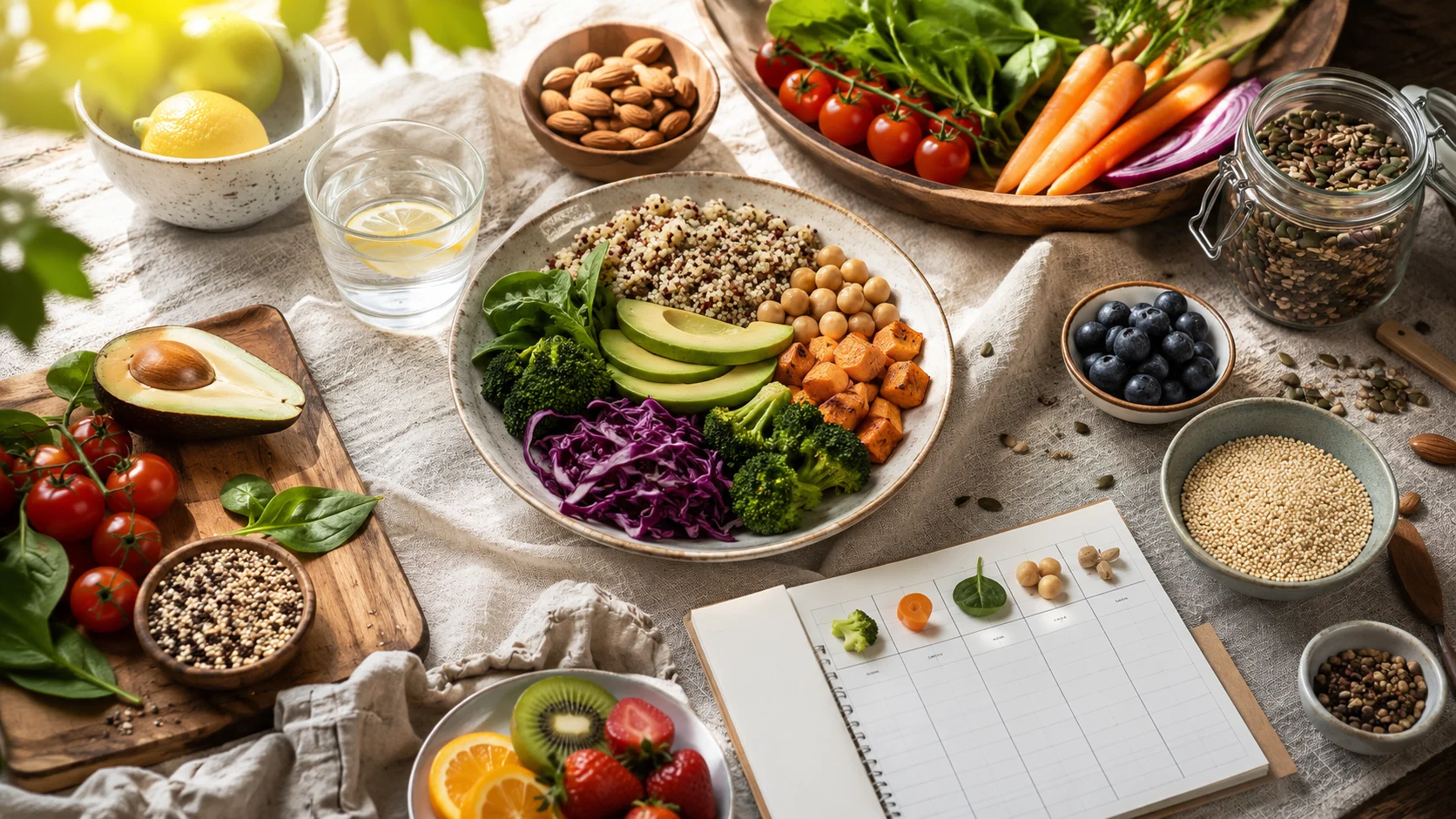
- Make earlier meals more steady. A lunch that actually holds her—perhaps rice, salmon, avocado, and something crisp on the side—can soften the late-afternoon crash.
- Pair comfort with nourishment. If she wants chocolate, she can have chocolate. She might enjoy it after a real snack or alongside a handful of nuts and a cup of tea, so comfort lasts longer.
- Create a five-minute landing space. Before wandering into the kitchen, she can sit at the edge of the bed, stretch her shoulders, or step outside. The nervous system often needs a transition as much as the stomach needs food.
- Remove the moral story. Food is not evidence that she has been good or bad. Shame tends to intensify the cycle, while neutrality creates room for wiser choices.
For many women, how to respond to stress eating becomes easier when they stop trying to win a battle and start building a relationship with their own body signals.
Questions That Often Come Up
If I know I’m stressed and not physically hungry, should I still eat?
Sometimes yes. Emotional comfort is still a real need. If food sounds soothing, she might choose a satisfying portion and also add another form of care, like calling a friend, taking a shower, or sitting somewhere quiet.
What if stress eating happens mostly at night?
Night eating often reflects an underfed or overextended day. Looking back at breakfast, lunch, and afternoon snacks can be more helpful than focusing only on evening behavior.
How do I tell the difference between hunger and stress?
Hunger often feels physical—an empty, fading, or slightly shaky sensation. Stress urges can feel more urgent or specific. But they can overlap, and that is okay. The body does not always speak in neat categories.
Will trying to be more flexible make me eat more?
At first, gentler eating can feel unfamiliar. Yet many women find that when food is no longer emotionally charged, urgency softens. Consistency often brings more steadiness than strictness.
Please note: Every body has its own rhythm. This gentle guide is for educational purposes and doesn’t replace personalized advice from a healthcare professional or registered dietitian, especially if stress eating feels frequent, distressing, or tied to a history of disordered eating.