
When the Urge to “Make Up” for Food Shows Up
Many women searching for how to stop compensating after eating think the answer is more control. Usually, it is the opposite. The urge to skip meals, exercise harder, or “be extra good tomorrow” after eating often grows from restriction, stress, and food guilt—not from a lack of discipline. When she stands in the kitchen after dessert, already bargaining with tomorrow’s breakfast, her body is not asking for punishment. It is asking to be understood.
Compensating can look polished on the outside. It may sound like “I’ll just eat lighter later,” “I need to earn that meal back,” or “I was bad this weekend, so Monday has to be perfect.” But underneath, it often keeps the same painful loop alive: eat, panic, restrict, crave, repeat.
Body trust is not built by correcting every bite. It is built by meeting food with steadiness, again and again.
The Quiet Cycle Beneath Food Guilt
For many women, compensation is not really about food. It is about the uncomfortable feeling that arrives after food: fear, regret, loss of control, or the old echo of diet rules. A 2022 review in Nutrients noted that restrictive eating patterns are associated with more binge-like eating and a more distressed relationship with food. That helps explain why compensation can feel helpful in the moment but often makes eating feel harder later.
This is why learning how to stop compensating after eating starts with seeing the full pattern. Joyini might call it the Pause–Feed–Release method:
- Pause — Before reacting, notice the story in the mind. Is it saying food must now be fixed?
- Feed — Offer the body steadiness instead of a backlash. That may mean eating the next meal normally, with protein, fiber, and enough satisfaction.
- Release — Let the meal be over. No emotional courtroom. No sentencing.
It sounds simple, but simple is not the same as easy. When a woman has spent years tying worth to eating “well,” the nervous system may read normal eating as danger.

A Gentler Response the Next Time It Happens
One of the kindest ways to practice how to stop compensating after eating is to decide in advance what “normal” looks like after a meal that triggered guilt. Not perfect. Just normal.
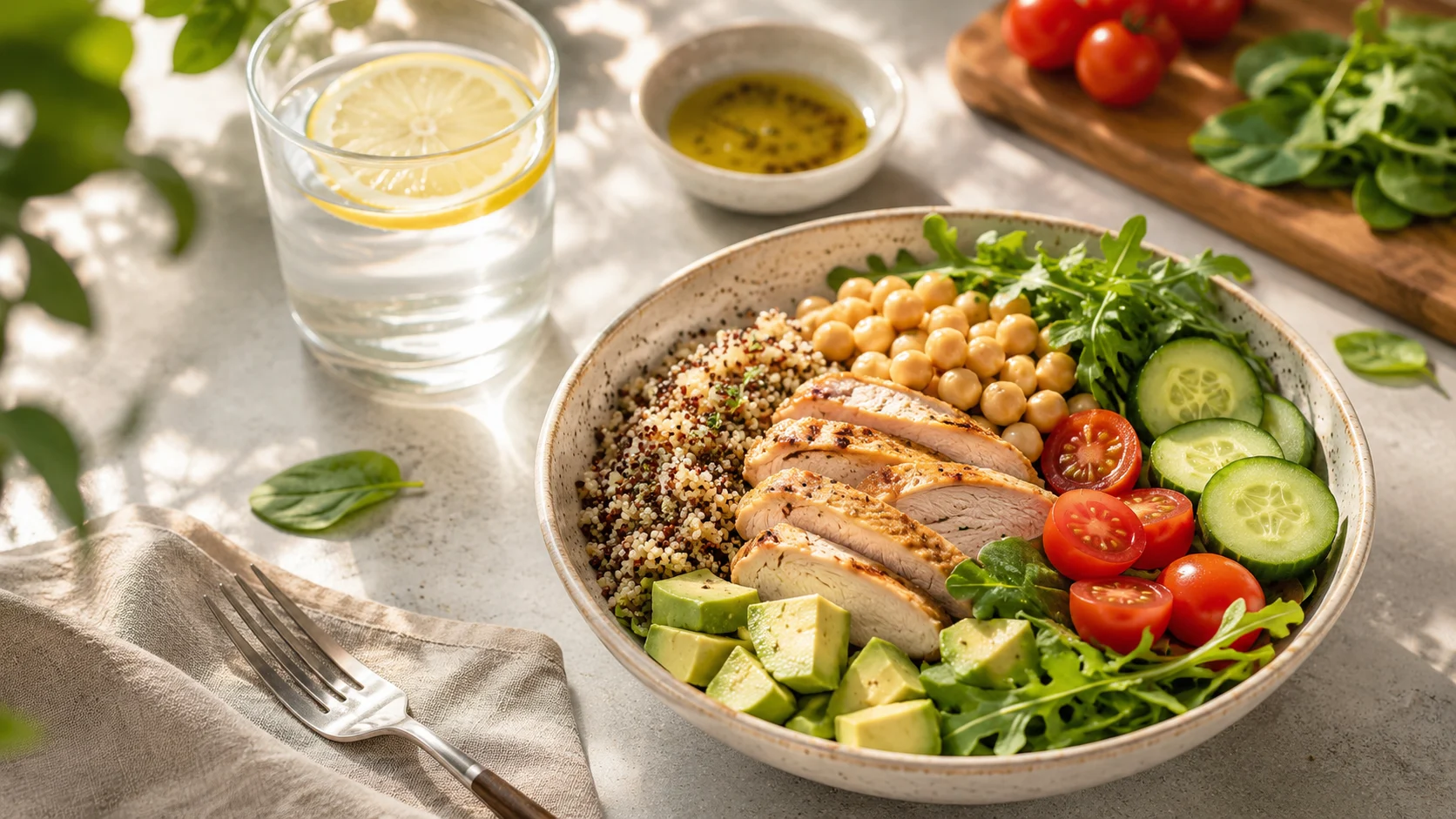
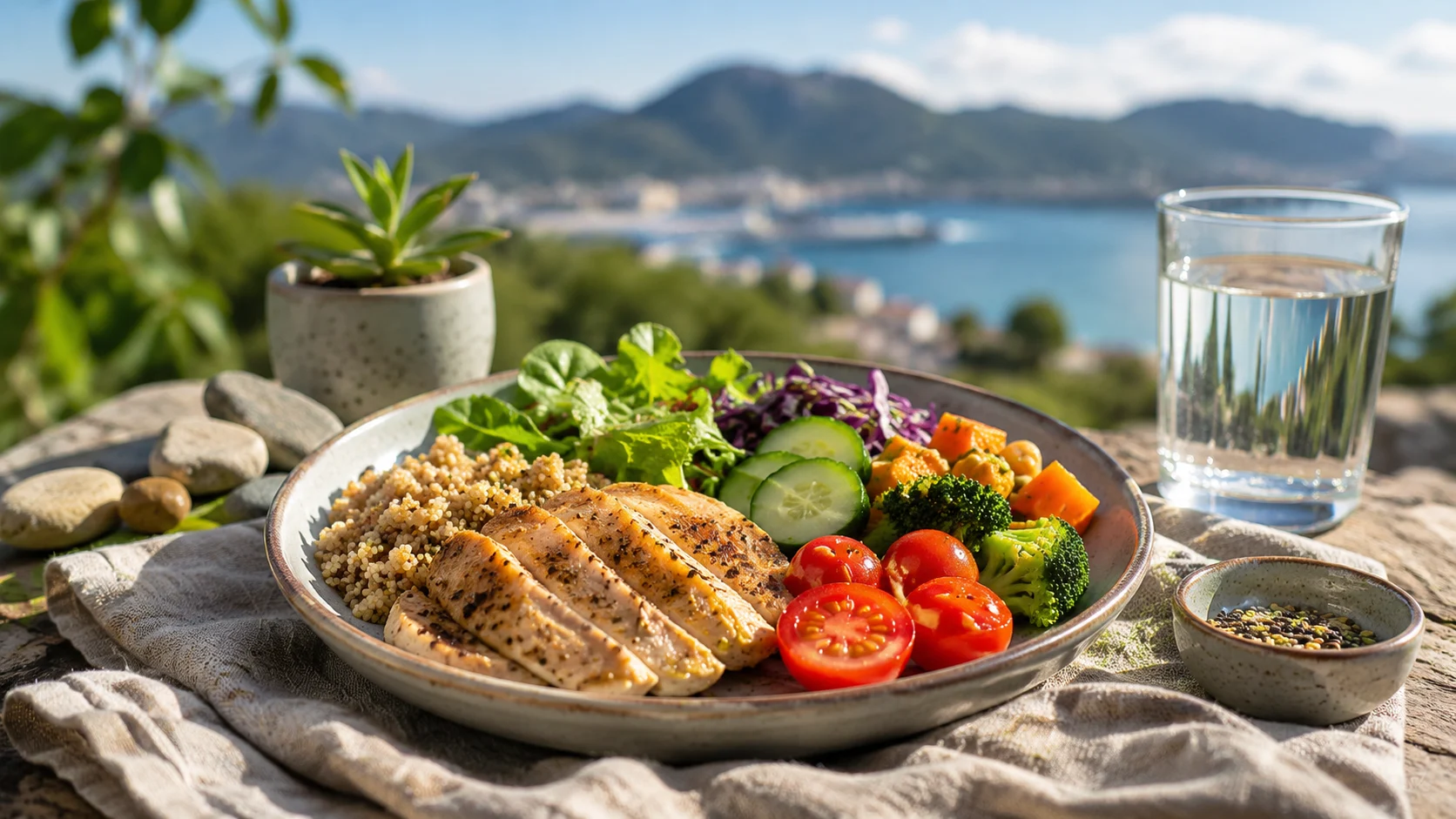
- Eat the next meal on time. If lunch felt bigger than expected, dinner does not need to disappear. A warm rice bowl with salmon, cucumber, and avocado, or toast with eggs and fruit, tells the body that nourishment is still coming.
- Drop the clean-slate fantasy. There is no magical purity waiting on Monday morning. There is only the next ordinary chance to nourish yourself.
- Name the feeling, not the flaw. “I feel anxious after eating” is very different from “I have no self-control.” The first opens care; the second deepens shame.
- Keep movement separate from repayment. A walk after dinner can support digestion and mood. It does not need to become a payment plan for what was eaten.
The body is not a project to manage after every meal. It is a place to come home to with more honesty and less fear.
What Makes Compensation Stronger
If she keeps asking how to stop compensating after eating but the urge returns every night, it helps to look upstream. Compensation often grows stronger when daily life is already running on too little.
- Too little food earlier in the day. A coffee-only morning can make evening eating feel chaotic, even when the body is simply catching up.
- Stress and emotional overload. After a long workday, food can become comfort, pause, or relief. That does not mean something is wrong.
- Food rules that still live in the background. Labeling foods as “good” and “off-limits” gives them extra emotional charge.
- Poor sleep. Sleep shifts appetite hormones and can increase cravings, especially for quick comfort foods.
Sometimes the most helpful question is not “How do I undo what I ate?” but “What was my body needing before this happened?”
Building a More Stable Relationship With Food
Real change often arrives quietly. She stops skipping breakfast to compensate for dinner. She lets one meal be one meal. She notices that balanced eating feels less dramatic, but far more peaceful.
If how to stop compensating after eating has felt confusing, a helpful place to begin is this: make the next choice supportive, not corrective. Drink water because it feels good, not because it erases anything. Eat breakfast because steady energy matters, not because yesterday needs redemption. Speak to yourself the way you would speak to a tired friend standing under the kitchen light, doing her best.
Please note: Every body has its own rhythm, history, and needs. This article is for educational purposes and does not replace personalized advice from a qualified healthcare professional or mental health provider, especially if eating feels compulsive, distressing, or hard to manage alone.
You Might Also Wonder
What if I already skipped a meal to make up for eating?
That happens. The gentlest next step is not more punishment. It is returning to a regular meal pattern as soon as you can, so the body does not slide deeper into restriction and rebound hunger.
Is exercising after eating always compensation?
Not at all. Movement becomes compensation when it is driven by fear, repayment, or shame. If it feels supportive, grounding, or enjoyable, the energy behind it is different.
Why do I want to compensate even after a normal meal?
Often, old food rules are still speaking in the background. If a meal included something once labeled “bad,” guilt may appear even when the amount was ordinary and satisfying.
Can planning balanced meals really help?
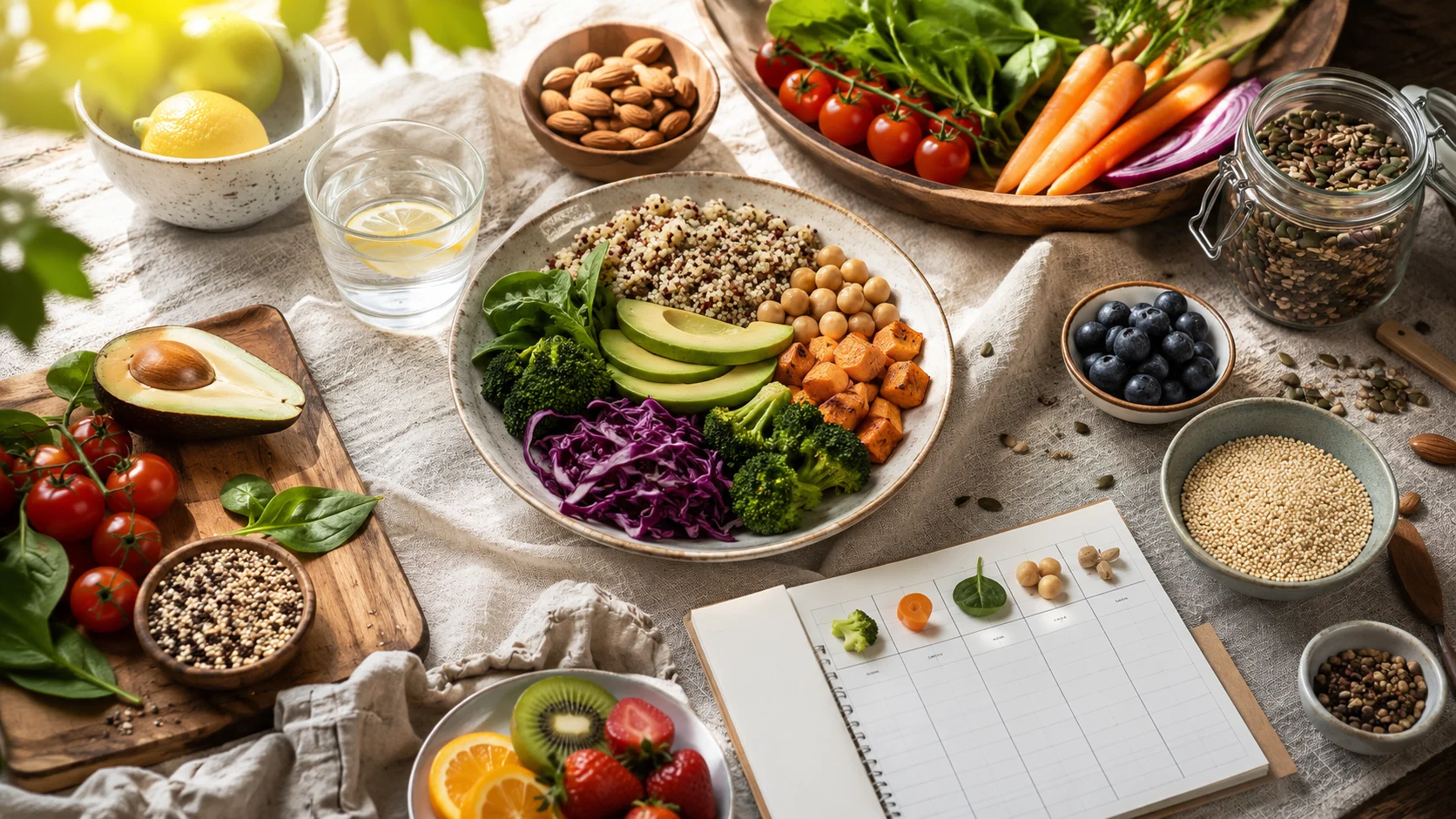
Yes. Regular meals with enough protein, fiber, carbs, and satisfaction can reduce the physical and emotional urgency that fuels compensation later.