
When Control Stops Working
Many women are told that if eating feels chaotic, they simply need more discipline. But food freedom for women often begins with the opposite truth: the body usually becomes louder when it has been ignored for too long. When she finds herself eating crackers over the sink at 9 p.m. or thinking about dessert all afternoon, it may not be a lack of character. It may be restriction, stress, unstable energy, or years of food rules asking to be seen.
For many busy women, food freedom does not mean eating without care. It means learning how to eat with more ease, more trust, and less fear. It is the slow shift away from labeling every bite as a success or failure. In its place comes a steadier question: What support does the body need right now?
“The body is not a project to conquer. It is a place to care for.”
Research has found that dietary restraint is associated with a higher risk of overeating and binge-like eating patterns, especially when stress is already high. That helps explain why tighter control so often leads to a stronger rebound. The issue is rarely that she “lacks willpower.” More often, her body has learned to push back against scarcity.
The Quiet Cost of Food Rules
Food rules can sound responsible on the surface. She might promise herself no bread during the week, no sweets after dinner, or a “perfect” reset every Monday morning. Yet those rules often create a low hum of tension that follows her into ordinary life: the office birthday cake, the late commute home, the premenstrual craving for something warm and sweet.
That is where food freedom for women becomes deeply practical, not abstract. It helps loosen the exhausting cycle of being “good” all day and feeling out of control later. Instead of moralizing food, it asks whether her meals are actually satisfying enough. Instead of judging a craving, it wonders whether she has had enough lunch, enough rest, enough emotional room to breathe.
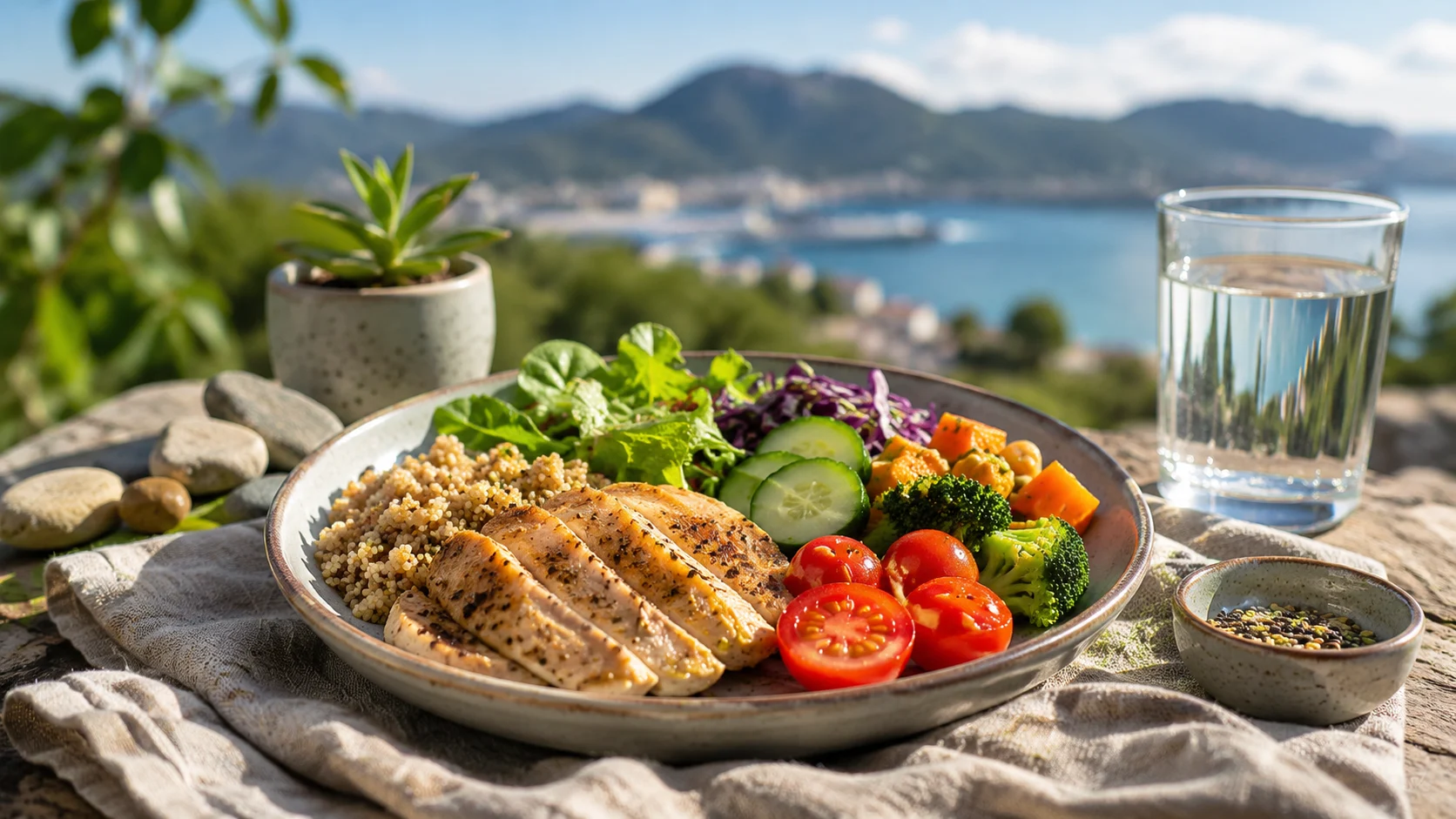
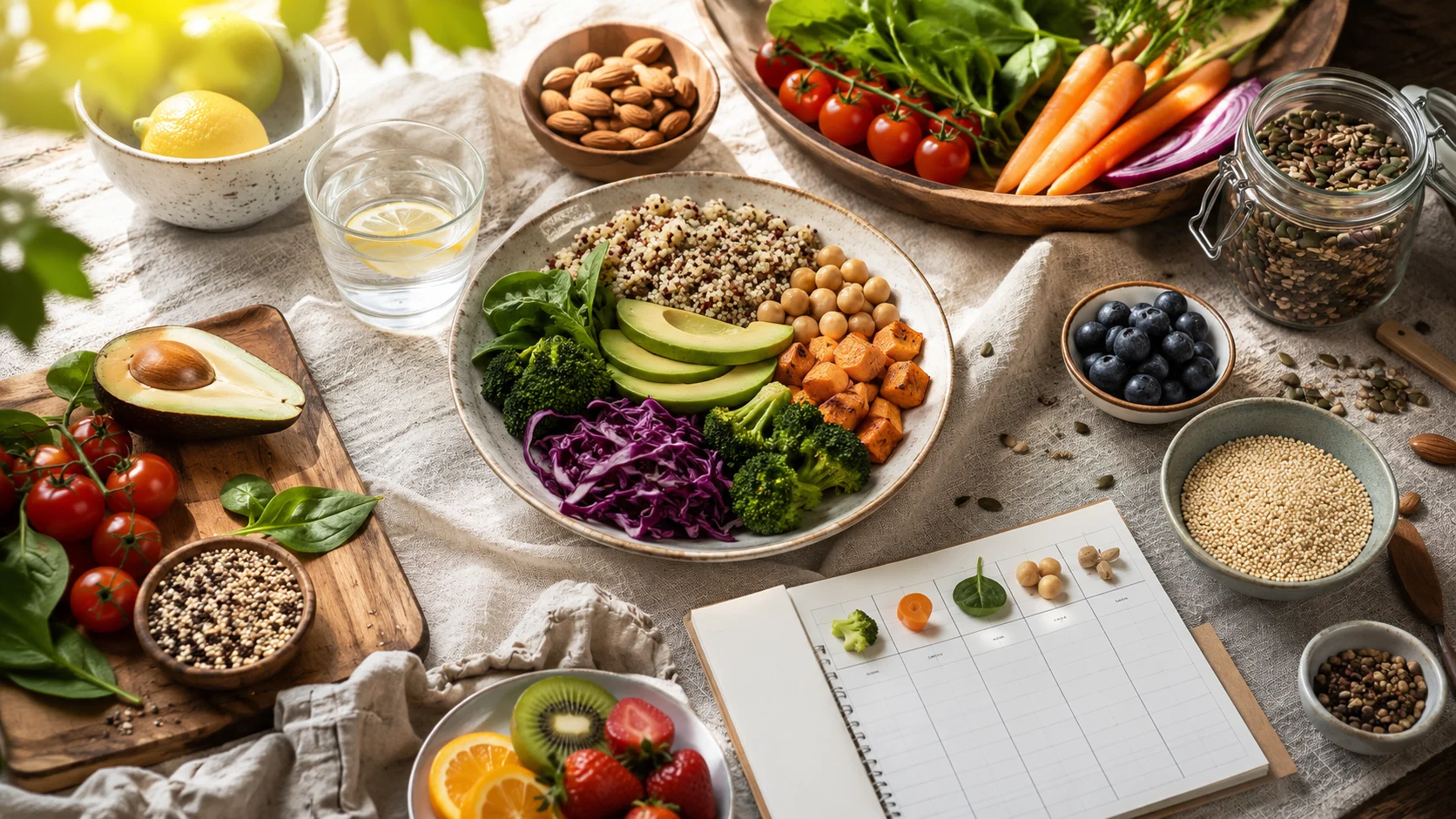
A useful way to picture this is the “Steady Plate, Soft Mind” approach. The plate matters because the body needs consistent nourishment. The mind matters because eating in fear often keeps the nervous system on edge. When both are supported, cravings may feel less sharp and meals less dramatic.
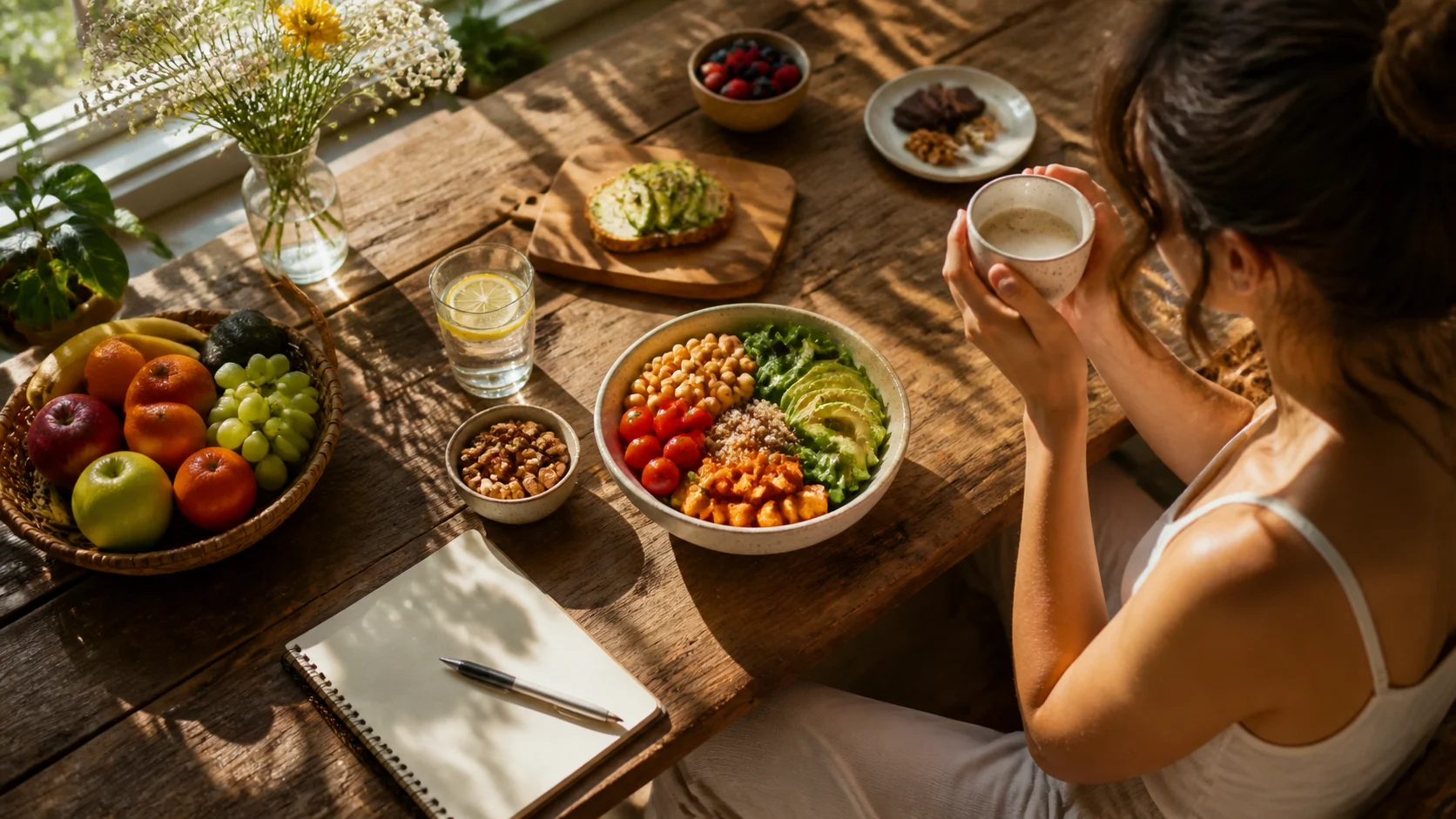
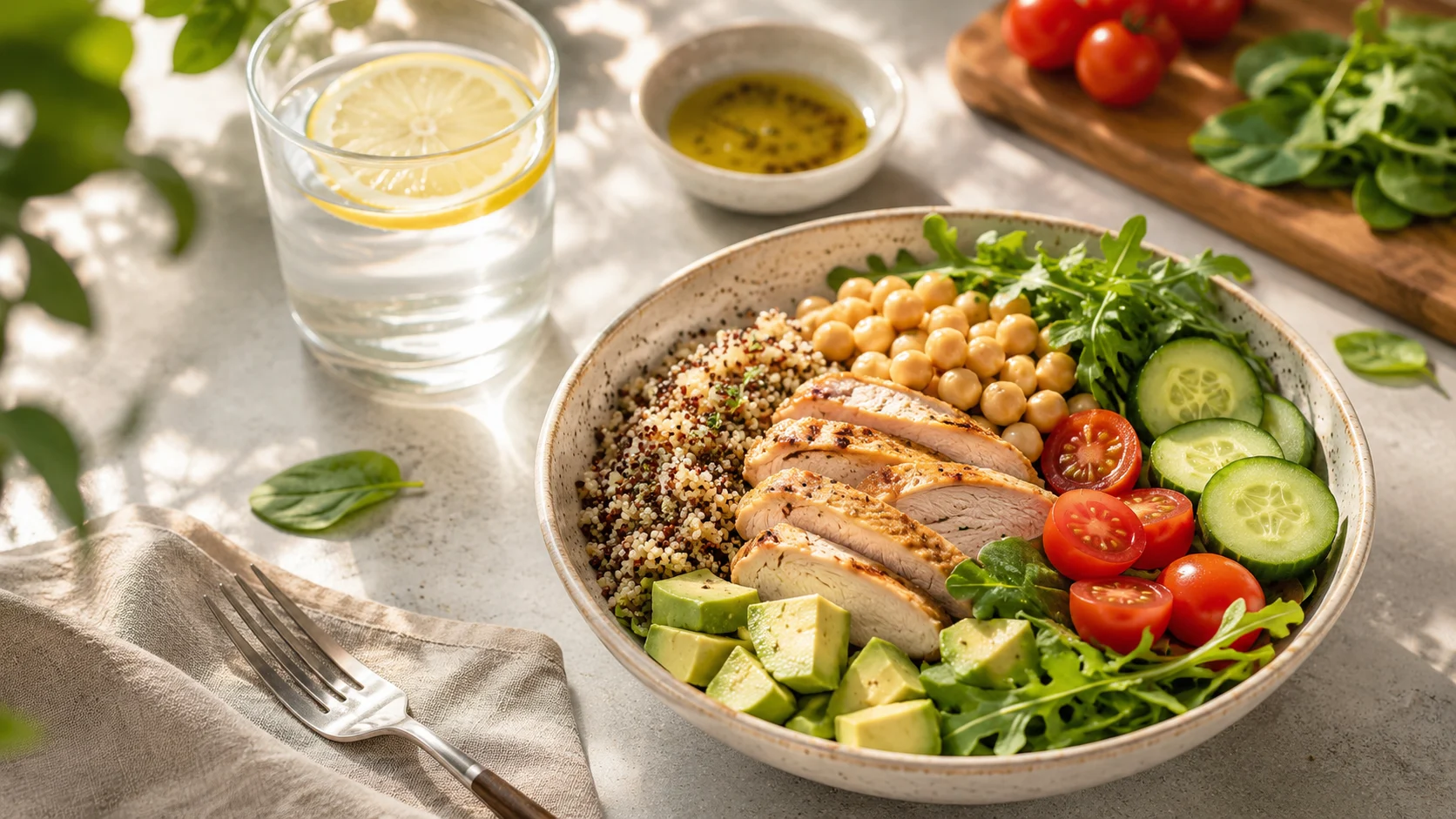
- Steady Plate: Build meals with staying power. A bowl of warm rice with salmon, cucumber, and avocado lands very differently than a rushed coffee and nothing else until 2 p.m.
- Soft Mind: Notice the story around food. If chocolate always arrives with panic, the panic may be intensifying the urge as much as the chocolate itself.
- Real Satisfaction: Include foods that feel emotionally and physically satisfying. A meal that checks nutrition boxes but leaves her mentally restless is often not finished in any meaningful way.
“Restriction shouts. Trust speaks softly, then changes everything.”
What Food Freedom Can Look Like on an Ordinary Tuesday
In real life, food freedom for women is rarely dramatic. It may look like keeping a real lunch on hand instead of trying to “be good” on yogurt alone. It may look like eating the cookie on purpose, at the table, rather than circling it for hours and ending the night feeling defeated. It may look like adding, not subtracting: more protein at breakfast, more gentleness after a stressful meeting, more permission during PMS when hunger naturally rises for some women.
One woman may notice that her evening cravings soften when breakfast includes toast, eggs, and fruit instead of just coffee. Another may realize that the nightly urge to snack begins not with hunger, but with the moment the house finally gets quiet and her feelings catch up to her. Both experiences deserve understanding. Neither requires shame.
This is where body signals become easier to hear. Hunger may feel less urgent. Fullness may feel less confusing. Comfort food may stop carrying the same charged energy once it is no longer treated like a forbidden reward.
A Softer Beginning, Not a Perfect One
If she wants to begin moving toward food freedom, the first step does not have to be dramatic. It can be small enough to fit inside a tired week.
- Pause before making a new rule. If the urge is to cut out a food after a hard eating day, it helps to ask whether that rule will truly support peace or simply restart the cycle.
- Make one meal more grounding. A comforting lunch with fiber, protein, and enough carbs can steady an entire afternoon.
- Name the feeling without fixing it immediately. Sometimes the sentence “She is lonely, not failing” changes the whole tone of the evening.
- Practice neutral permission. Allowing a food without turning it into a test can reduce the emotional charge around it over time.
Please note: Every body has its own rhythm, history, and needs. This gentle guide is for educational purposes only and does not replace personalized support from a physician, registered dietitian, or mental health professional, especially if eating feels distressing or out of control.
You Might Also Wonder
What if she feels more out of control when she stops restricting?
That can happen at first. When the body senses permission after a long season of scarcity, it may reach for more food. This often settles with consistency, regular meals, and repeated experiences of trust.
Does food freedom mean eating only cravings?
No. It means honoring cravings as information, not commands or enemies. There is room for nourishment, pleasure, comfort, and structure to exist together.
Can food freedom for women include balanced nutrition?
Absolutely. In fact, many women find that balanced meals become easier once fear and rigid rules loosen their grip. Gentle nutrition and food freedom can support each other.
What if guilt shows up every time she eats dessert?
Guilt often comes from old conditioning, not from the dessert itself. Repeating calm, ordinary exposure—eating it intentionally, without compensation—can slowly teach the brain that pleasure is not danger.