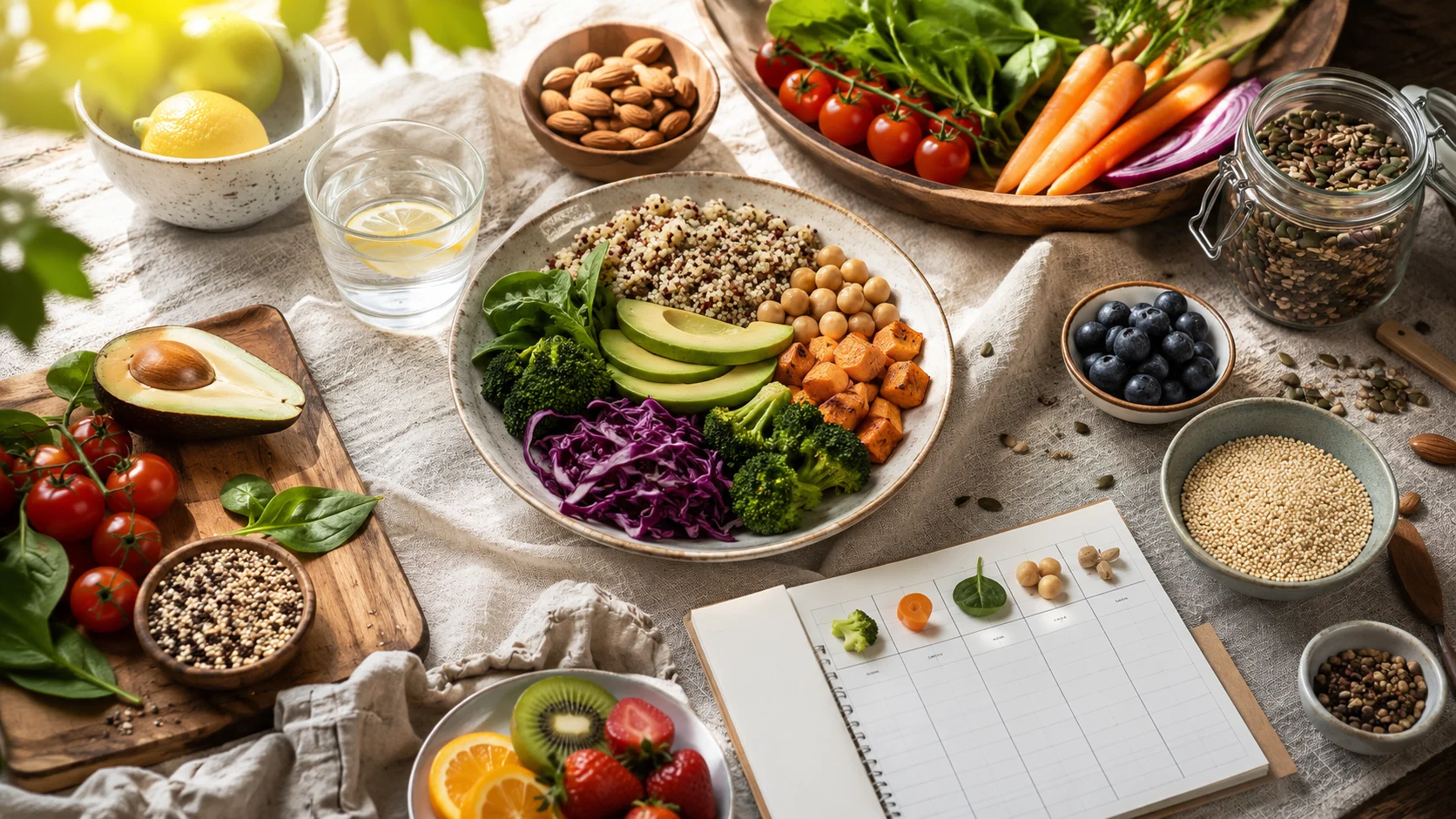

The Quiet Harm Hidden Inside “Good” and “Bad”
Learning how to stop labeling food as good or bad begins with one gentle shift: food is not a moral test, and eating is not a measure of character. For many women, the moment a cookie becomes “bad,” eating it can trigger guilt, secrecy, or the familiar feeling of having already “messed up.” What looks like discipline on the surface often creates more food noise underneath.
It sounds backwards, but the problem is rarely the brownie, the pasta, or the late-night cereal. The problem is the meaning attached to it. When food carries a moral label, the body often stops being heard clearly. Hunger becomes suspicious. Satisfaction feels undeserved. A simple snack can turn into a private argument.
“When food becomes a test of goodness, eating stops feeling like care and starts feeling like judgment.”
Many readers arrive here believing they need more control. Often, what they actually need is more trust, more steadiness, and less inner policing. That is the softer path in learning how to stop labeling food as good or bad.
The Velvet Ladder: A Gentler Way Back to Food Neutrality
Instead of trying to force perfect thoughts around food, it can help to picture a small internal framework: The Velvet Ladder. Not a dramatic leap into total ease, but a soft climb back toward neutrality.
- Step 1: Notice the label. When she reaches for fries and hears “bad choice” in her mind, that sentence is worth noticing before it is worth obeying. Awareness is the first loosening.
- Step 2: Name the fear underneath. Sometimes the label is really fear wearing different clothes: fear of losing control, fear of body change, fear of doing food “wrong.”
- Step 3: Return to body signals. Hunger, fullness, satisfaction, energy, and comfort are quieter than diet rules, but they are often more reliable.
- Step 4: Practice food neutrality. Neutrality does not mean every food feels the same in the body. It means a croissant is not a character flaw, and a salad is not a badge of virtue.
This is often how to stop labeling food as good or bad in real life: not through one brave declaration, but through repeated, ordinary moments of noticing and choosing a different story.
What Food Labels Often Create Instead of Peace
For the woman eating standing at the kitchen counter after a long workday, food labels can quietly shape the whole evening. If dinner felt “healthy,” she may feel briefly safe. If dessert felt “bad,” she may spiral into guilt and keep eating past comfort because the day already feels ruined.

Research around dietary restraint has long observed that rigid food rules are linked with overeating and binge-like eating patterns in some people. One review published in Appetite found that stricter restraint was often associated with a more difficult relationship with food rather than greater ease. That does not mean every structure is harmful. It means harsh rules are not the same thing as nourishment.
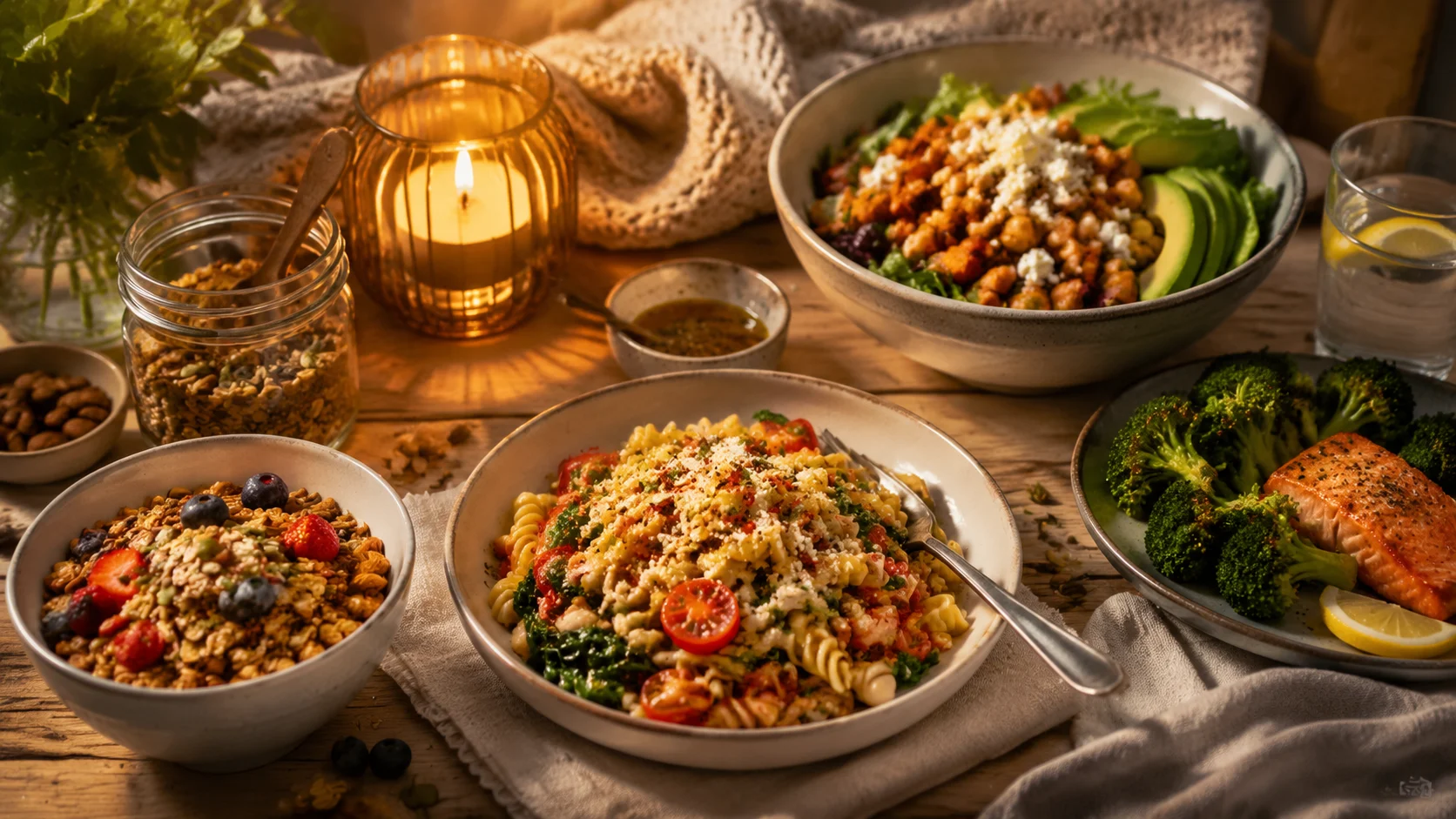
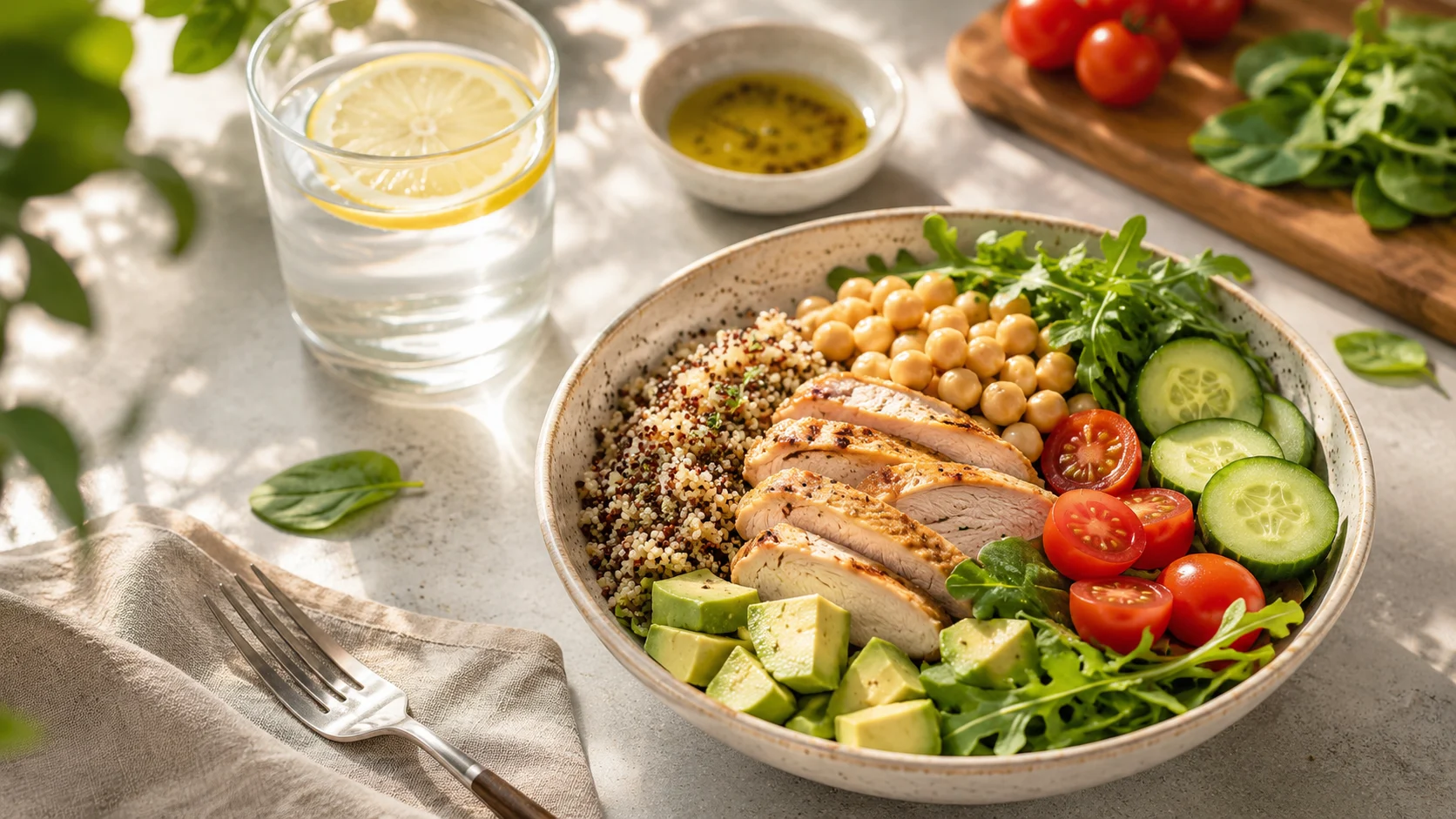
Food labels can also blur practical nutrition. A bowl of buttery pasta might offer comfort, energy, and satisfaction. A large raw salad might look virtuous yet leave her hungry an hour later. The body does not read morality; it reads energy, consistency, fiber, protein, fat, pleasure, and adequacy.
“The body is not a project to be conquered. It is a home asking to be supported.”
How to Practice This on an Ordinary Tuesday
If she wants a more peaceful relationship with food, the work usually happens in unremarkable places: the office desk at 3 p.m., the drive home, the few quiet minutes before bed. Learning how to stop labeling food as good or bad is less about saying the perfect thing and more about repeating a few grounding actions.
- Use descriptive words instead of moral ones. Rather than “good” or “bad,” try “satisfying,” “light,” “comforting,” “filling,” or “not enough for me today.” These words create information, not shame.
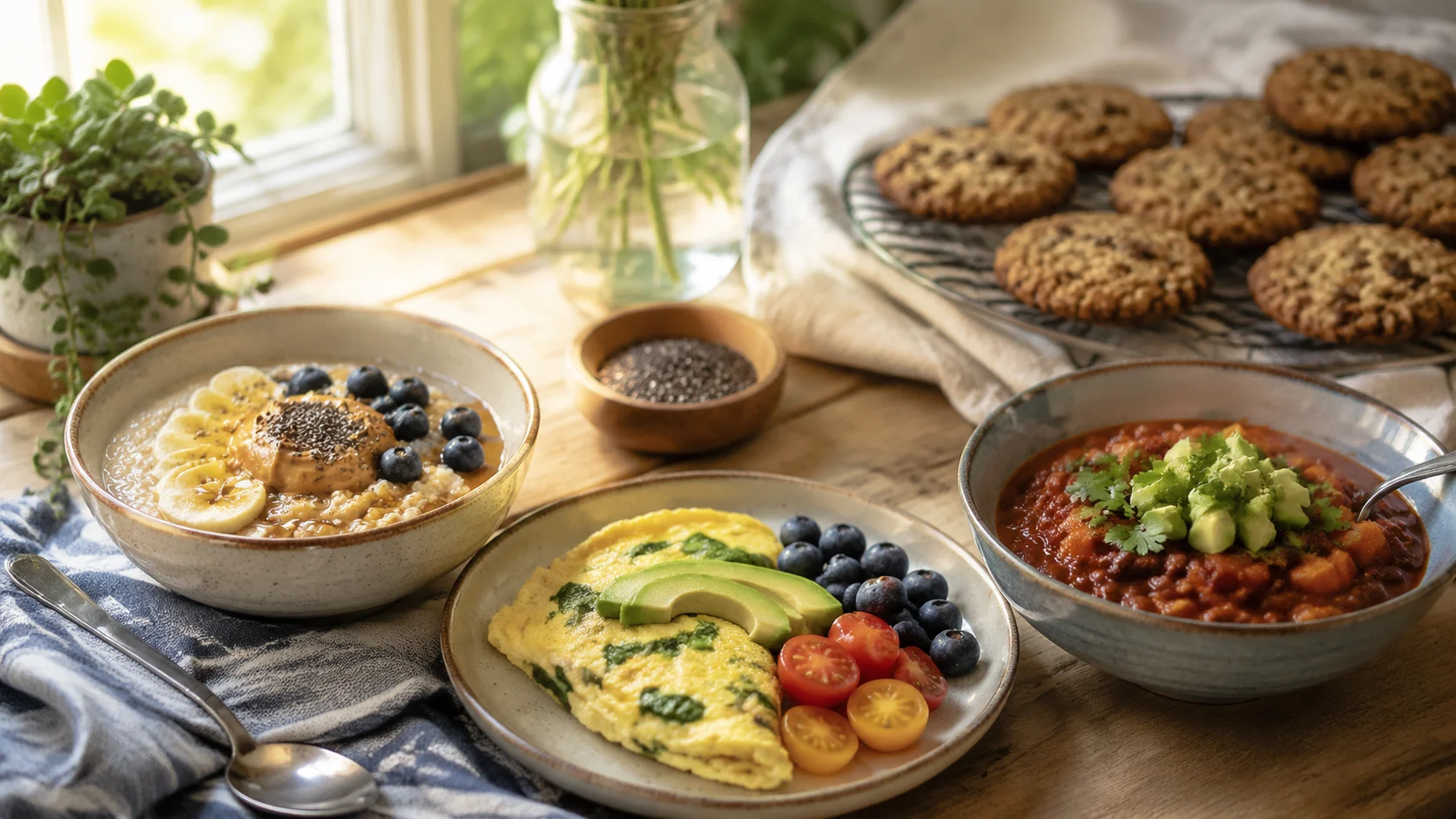
- Build gentle balance. If lunch was only a quick granola bar, the afternoon craving for something sweet may not be emotional failure at all. It may be a body asking for more support. Picture a turkey sandwich with avocado, or warm oatmeal with peanut butter and berries settling into the afternoon with more steadiness.
- Pause after eating, not before permission. Instead of interrogating the food first, she can ask afterward: “How did that feel in my body? Did it give me ease, energy, comfort, satisfaction?”
- Expect discomfort at first. When someone has spent years sorting food into safe and unsafe piles, neutrality can feel strangely exposed. That discomfort does not mean it is wrong. It often means an old rule is losing power.
Questions That Often Come Up
What if I know some foods don’t make me feel physically great?
That is different from calling them morally bad. A food can leave someone bloated, sleepy, or unsatisfied, and she can still respond with curiosity instead of shame. The goal is body feedback, not body punishment.
Will I eat sweets all day if I stop labeling them?
Sometimes there is a temporary pull toward foods that once felt restricted. For many people, that intensity softens when permission becomes real and consistent. What is forbidden often becomes louder than what is simply available.
How do I handle family or friends who still talk about “being good” with food?
It may help to quietly translate those comments in the mind rather than absorb them. Their language reflects their relationship with food, not a rule your body has to live under.
What if I still feel guilty after eating something I used to avoid?
Guilt often lingers after the rule has been questioned. That does not mean the rule was true. It just means the old script is familiar. Repetition, compassion, and enough nourishment help rewrite it.
Please note: Every body has its own rhythm, history, and needs. This article is for educational purposes and offers gentle support, not personalized medical or mental health care. If food rules, binge eating, or distress around eating feel overwhelming, a registered dietitian or qualified healthcare professional can offer more tailored guidance.