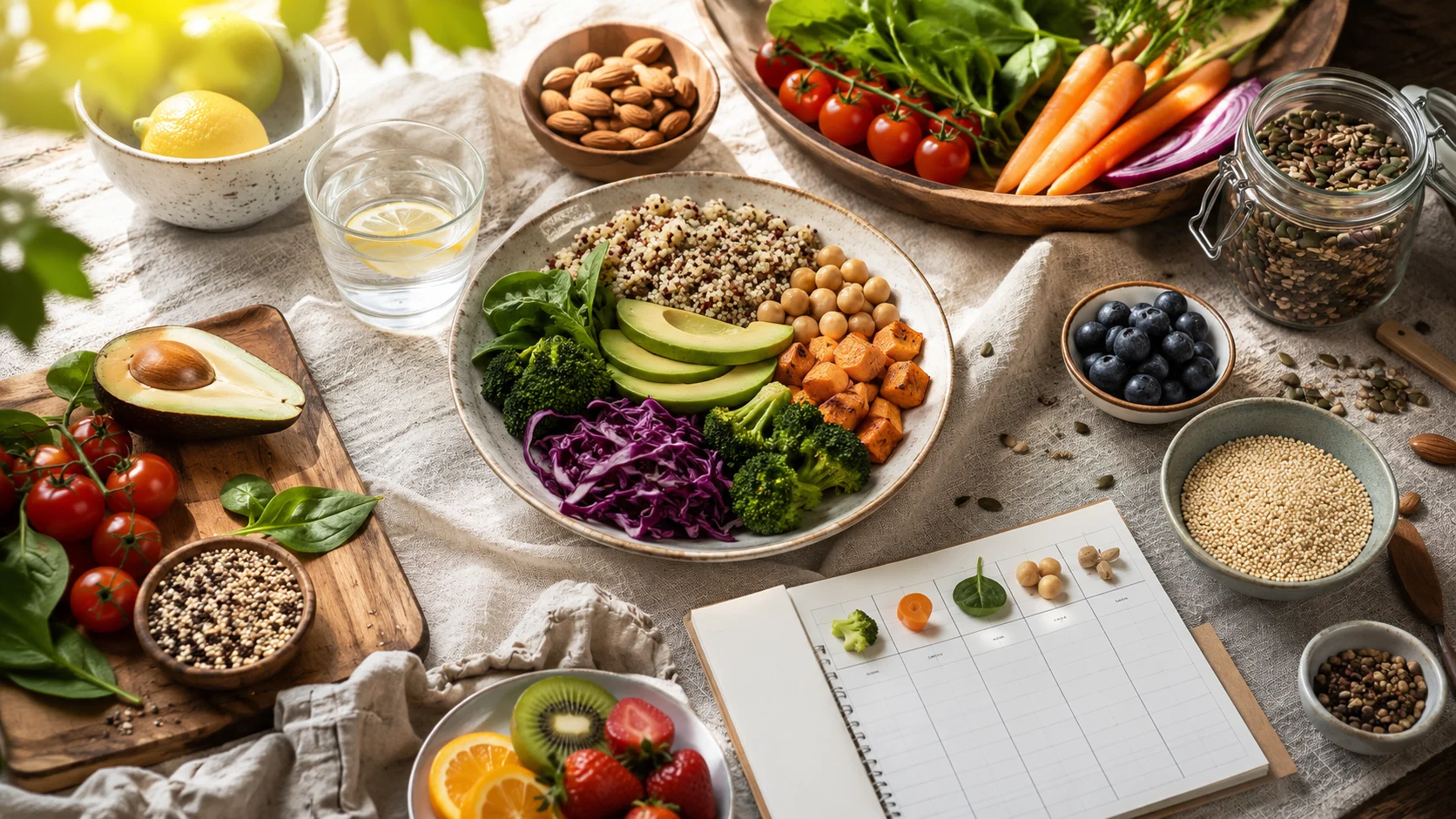

Evening emotional eating often has less to do with self-control and more to do with an under-supported body asking for comfort, energy, or pause. When a woman reaches for snacks after dinner, it may be the first quiet moment her stress catches up with her. The answer is rarely more rules. More often, it begins with understanding what the evening is trying to say.
When the Kitchen Becomes the Softest Place to Land
There is a familiar hour, usually after the dishes are done and the messages stop coming in, when the day finally exhales. She may not feel physically hungry, yet the pull toward something crunchy, sweet, or soothing grows louder. Evening emotional eating can be a form of relief-seeking, not failure.
Many women have spent years being told that if they just had more discipline, night eating would disappear. But the body does not work like a stern spreadsheet. It responds to missed meals, mental load, poor sleep, stress hormones, and the ache of never quite getting enough rest.
“The body is not a project to conquer. It is a place to care for.”
That is why evening cravings can feel so emotional. Food is quick, available, and beautifully reliable. It offers texture, warmth, distraction, and sometimes the tiny comfort that the day forgot to give.
The Dusk Gap: A Gentle Way to Understand What’s Happening
One helpful way to think about evening emotional eating is through a small framework: the Dusk Gap. This is the space between what a person needed during the day and what she actually received.
- Physical gap: Lunch was rushed, protein was light, or afternoon fuel never happened. By night, the body is trying to catch up.
- Emotional gap: She held everything together for everyone else and never had a moment to soften.
- Sensory gap: The day felt sterile, digital, and demanding. A warm cookie or salty popcorn feels grounding in a way emails never could.
Research often points in this direction. Some studies have observed that sleep restriction can increase appetite-regulating disruptions and raise desire for more energy-dense foods, especially later in the day. In real life, that means fatigue can make evening eating feel far more urgent, even before emotion enters the room.

So when evening emotional eating shows up, the gentler question is not “What is wrong with me?” but “What gap am I trying to close?”
“What looks like a lack of control is often a lack of support.”
What Helps Before the Craving Turns Into a Spiral
This is not about preventing comfort. It is about building enough steadiness that comfort does not have to arrive in panic.
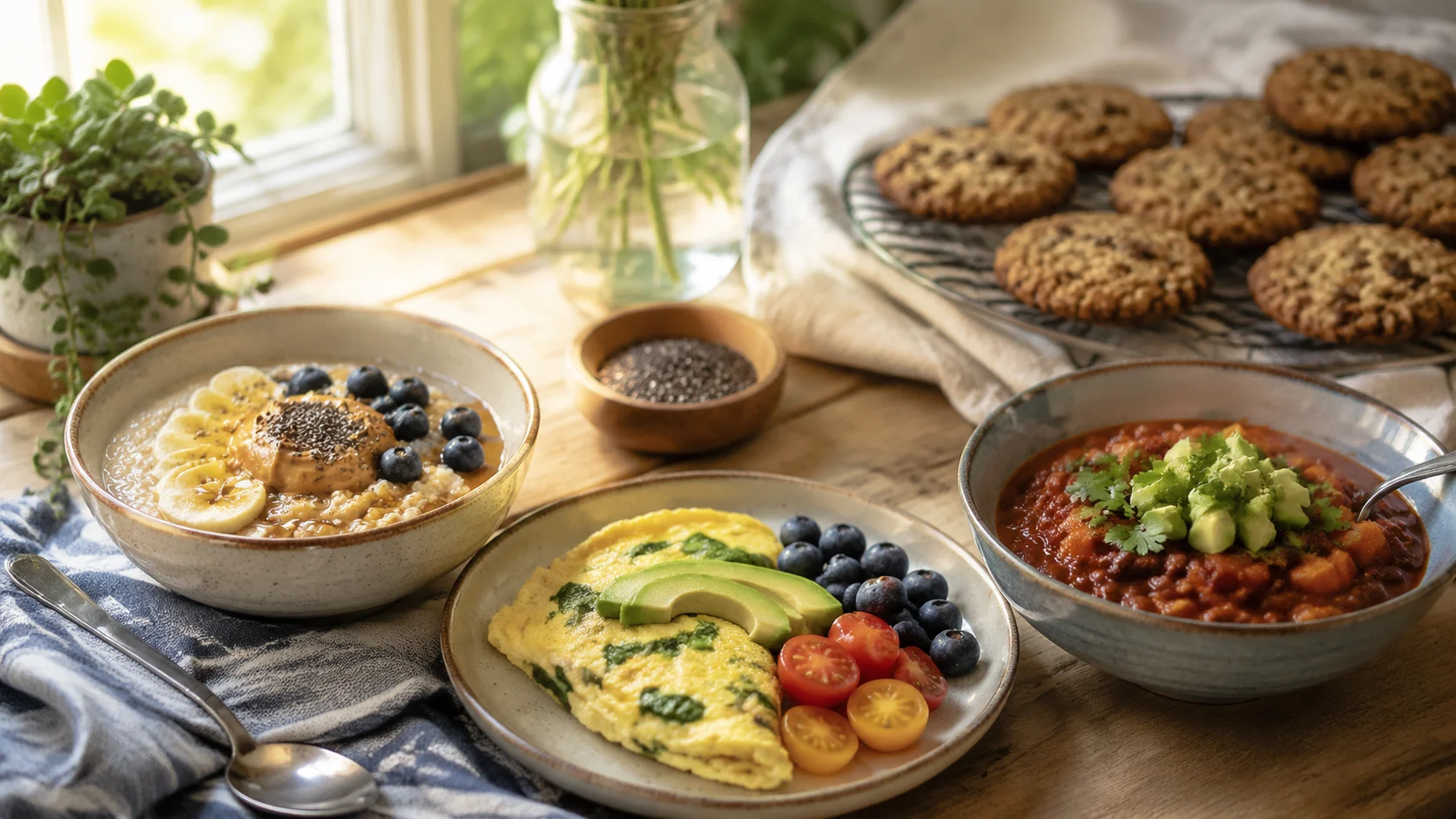
- Bring more nourishment into the afternoon. A yogurt with berries, a slice of toast with peanut butter, or a warm latte alongside a small snack can create steadier energy before night arrives.
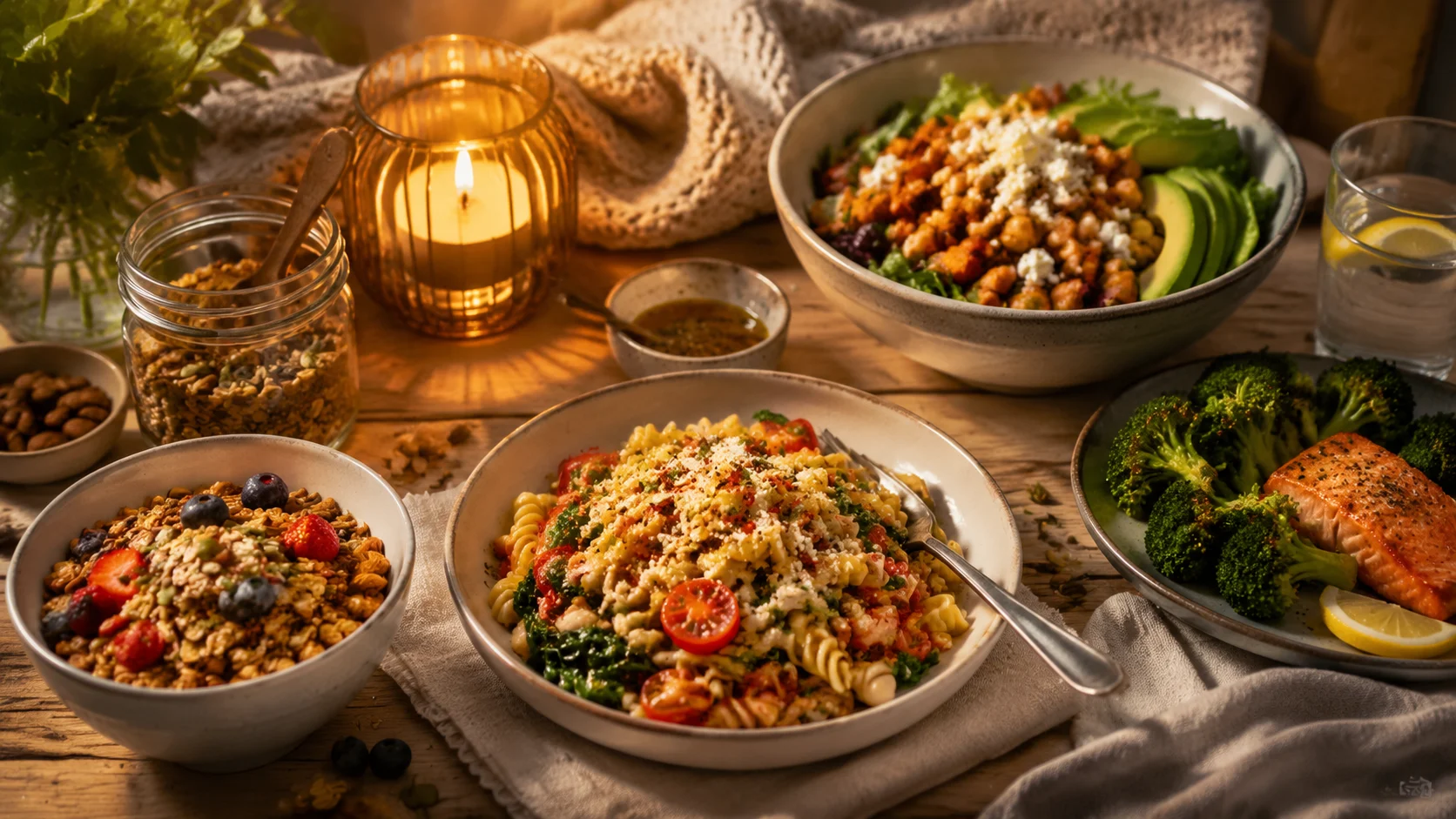
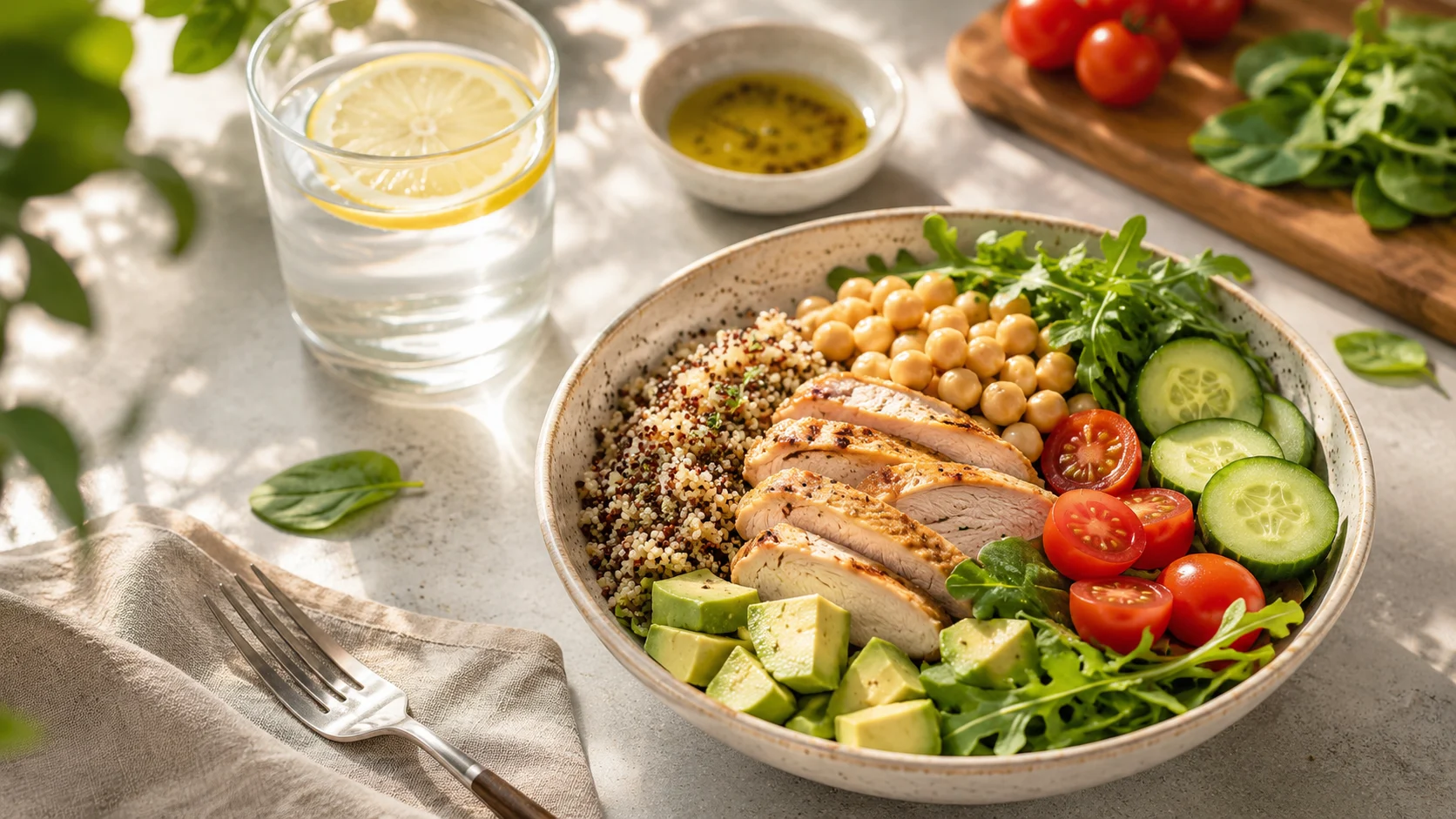
- Make dinner feel complete, not performative. A real plate matters. Think of roasted rice from last night warmed in a bowl, topped with salmon, avocado, and something crisp on the side. Satisfaction reduces the frantic feeling that often fuels evening emotional eating.
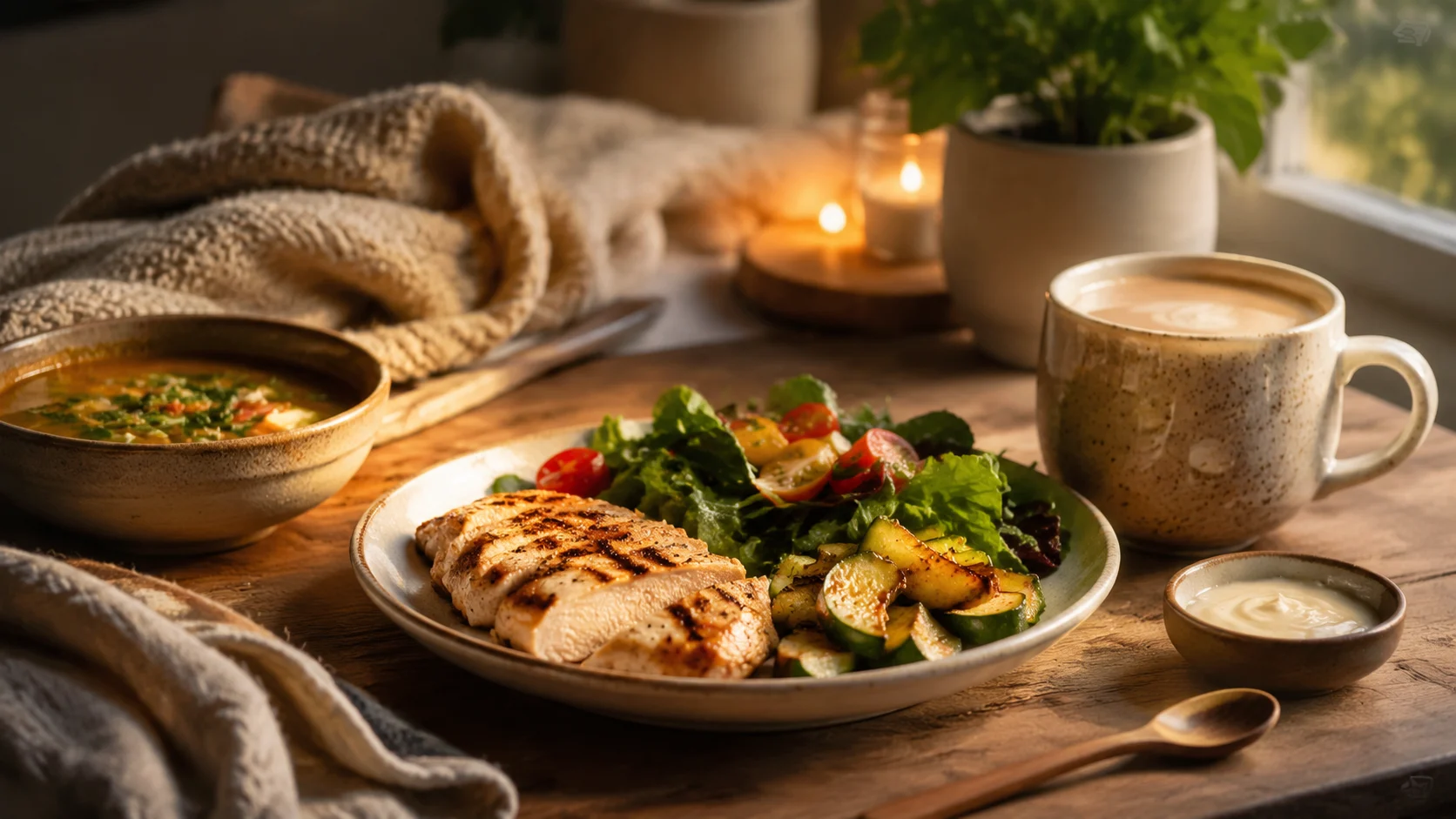
- Create a pause that is not punishment. Before opening the pantry, she might light a lamp, drink water, or sit for two minutes. Not to “talk herself out of it,” but to hear herself more clearly.
- Let comfort be intentional. If what she wants is chocolate, it can help to place it on a plate, sit down, and actually enjoy it. Food freedom often softens urgency more than food rules do.
Balanced eating earlier in the day does not erase emotions, but it can lower the volume of survival-driven cravings. That difference matters.
A Softer Evening Can Start Earlier Than Dinner
Sometimes the most supportive response to evening emotional eating begins at 2 p.m., not 9 p.m. It begins when she notices that coffee was breakfast, stress was lunch, and nibbling through exhaustion became dinner’s prelude. The body remembers these small abandonments, even when the mind calls them productivity.
A softer evening might look like more lunch, a steadier afternoon snack, less food judgment, and one quiet ritual that belongs only to her. It might also mean accepting that some nights, eating for comfort is still part of being human. The goal is not perfection. The goal is a relationship with food that holds more ease, more understanding, and far less shame.
Please note: Every body has its own rhythm. This gentle guide is for educational purposes and does not replace personalized advice from a healthcare professional, especially if night eating feels distressing, compulsive, or connected to a medical or mental health concern.
A Few Practical Questions
What if evening emotional eating happens even after a balanced dinner?
That can happen. Sometimes the hunger is for decompression, reward, or comfort rather than more physical fullness. It may help to ask whether the evening needs softness, stimulation, or rest alongside food.
Should she avoid keeping snack foods at home?
Not always. For many people, making food more forbidden can intensify its pull. A calmer approach is to keep satisfying foods visible, allowed, and paired with regular meals so they feel less charged.
How can someone tell the difference between physical hunger and emotional hunger at night?
The line is not always sharp. Physical hunger often builds gradually and welcomes many foods. Emotional hunger can feel sudden and specific. But both deserve care, and neither calls for shame.
What if she feels guilty after eating at night?
Guilt often grows from old food rules, not from the food itself. It can help to speak to the moment gently: “Something in me needed support.” That shift creates room for understanding instead of spiraling.
Does evening emotional eating mean something is wrong with her relationship with food?
No. It usually means her body or emotional world is asking to be noticed. With steadier nourishment and more compassion, the pattern often becomes easier to understand and respond to.