
When low energy is not a motivation problem
She reaches for another coffee at 3 p.m. and quietly assumes she should have “managed her day better.” But often, fatigue is not a character flaw at all. One of the gentlest ways to support energy is to eat in a way that helps the body feel steady, fed, and safe—not perfectly, not rigidly, just consistently enough. For anyone wondering how to support energy with food, the answer usually begins with balanced meals, enough carbohydrates, regular eating, and a little more compassion than control.
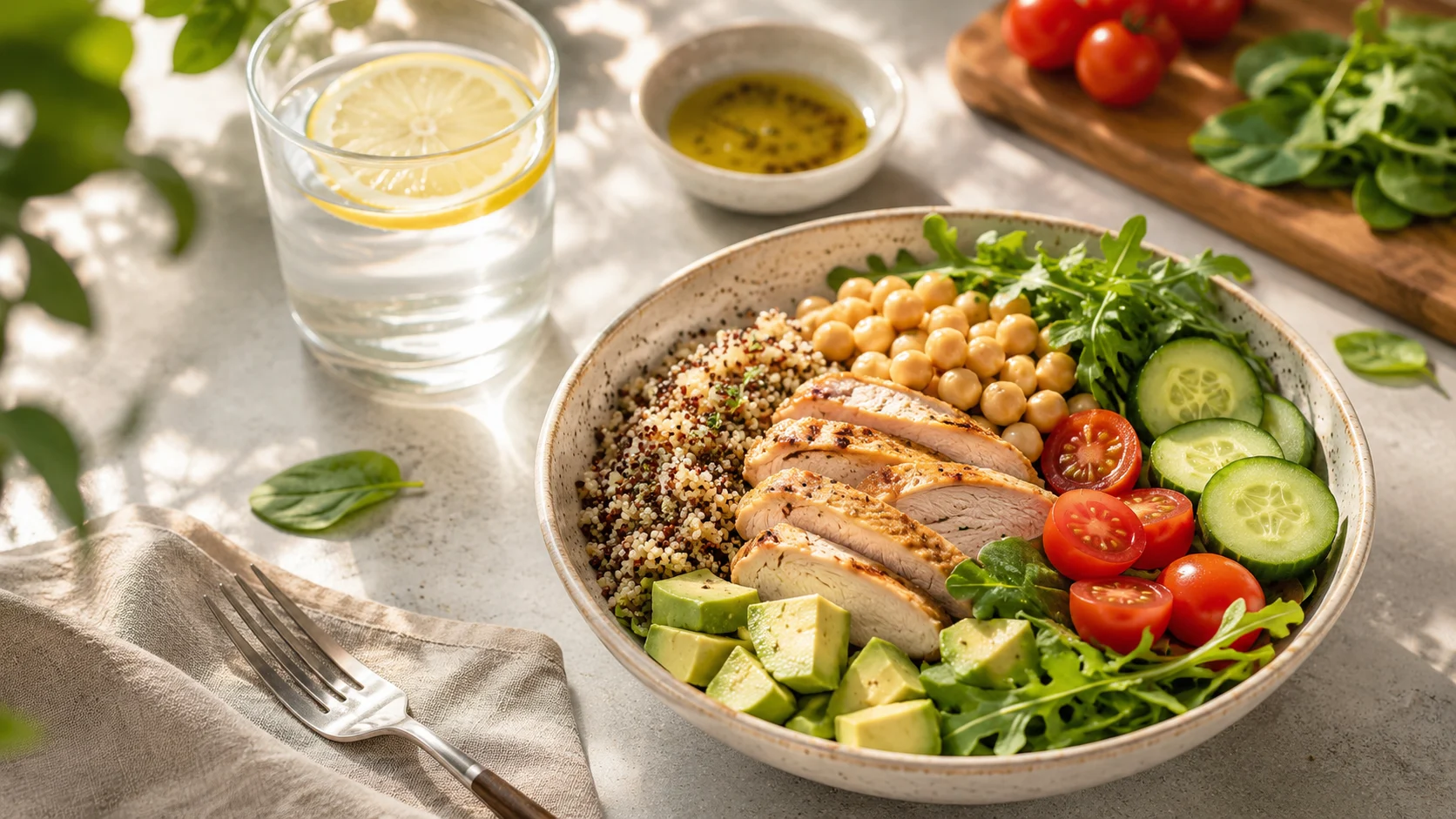
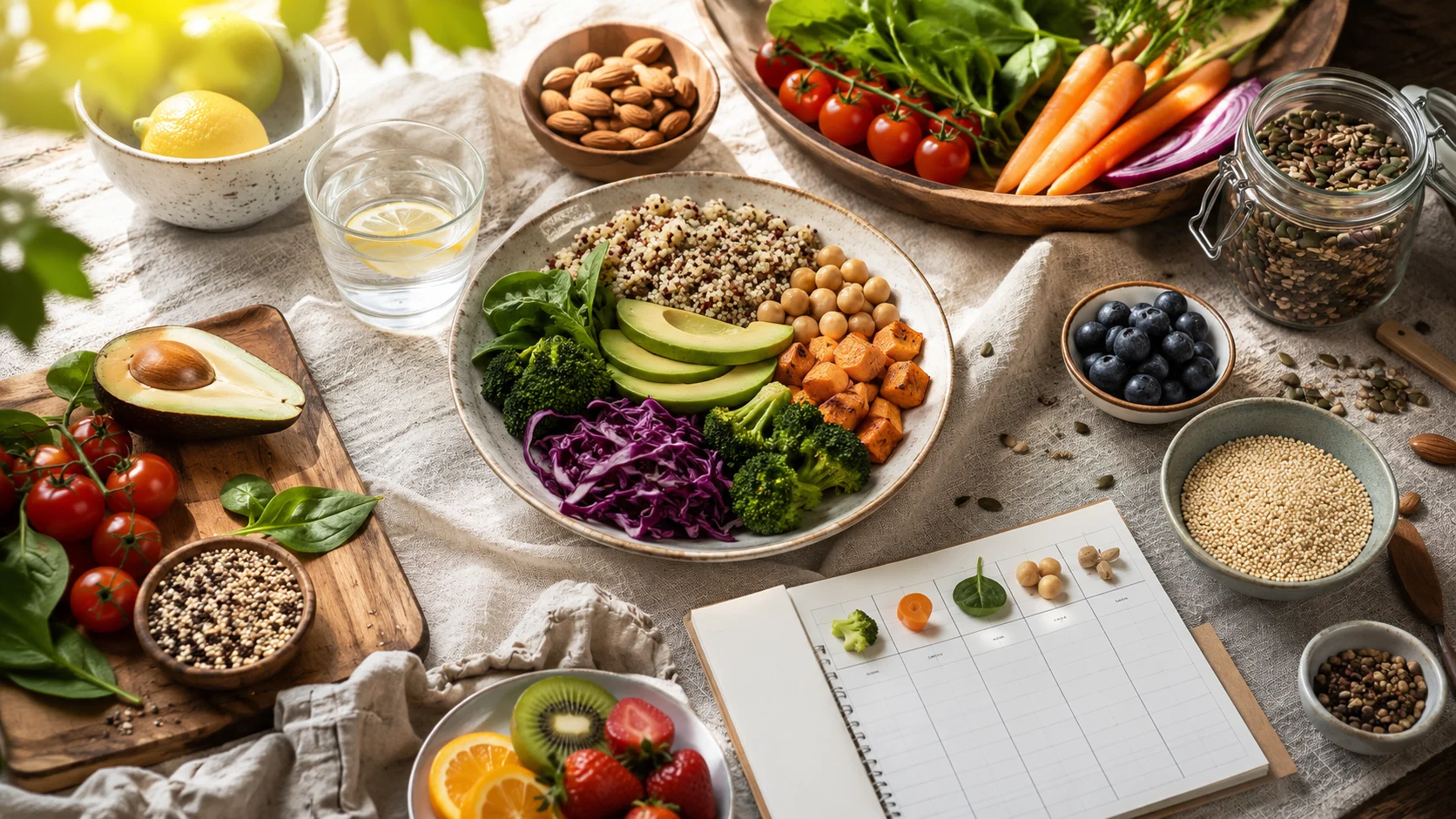
The common mistake is thinking energy comes from stimulation alone. It rarely does. Energy is built more like a small fire than a light switch: it needs fuel, oxygen, and tending. At Joyini, that idea can live inside a simple micro-framework: the Steady Flame Plate. Each meal or snack becomes a quiet way to layer carbohydrates for quick fuel, protein for staying power, fat for satisfaction, and fiber for steadier release.
Body signals are not an inconvenience to outsmart; they are messages asking to be understood.
Research has long observed that the brain relies heavily on glucose as a primary fuel source, which helps explain why skipping meals or under-eating can leave concentration, mood, and stamina feeling fragile. And when meals are too light, especially earlier in the day, the body often asks for that energy back later through intense cravings, irritability, or the kind of exhaustion that feels oddly emotional.
The quiet power of the Steady Flame Plate
If she is trying to learn how to support energy with food, it helps to stop asking whether a meal is “good” and start asking whether it is supportive. The Steady Flame Plate is less about rules and more about rhythm:
- Start with a grounding carbohydrate. A bowl of warm oatmeal, toasted sourdough, roasted potatoes, or rice can give the body accessible fuel instead of leaving it to run on fumes.
- Add protein that stays with her. Greek yogurt folded with berries, eggs beside buttered toast, salmon over rice, or beans tucked into a soup can help energy last longer through the afternoon.
- Include fat for comfort and staying satisfied. Peanut butter melting into oatmeal, avocado on a sandwich, or olive oil over warm vegetables can make a meal feel complete rather than fleeting.
- Bring in fiber where it naturally fits. Fruit, beans, chia seeds, or a handful of greens can help meals feel steadier without turning lunch into homework.
This is often how to support energy with food in real life: not through perfect planning, but through enough balance that the body no longer has to shout.
What steadier energy can look like on an ordinary day
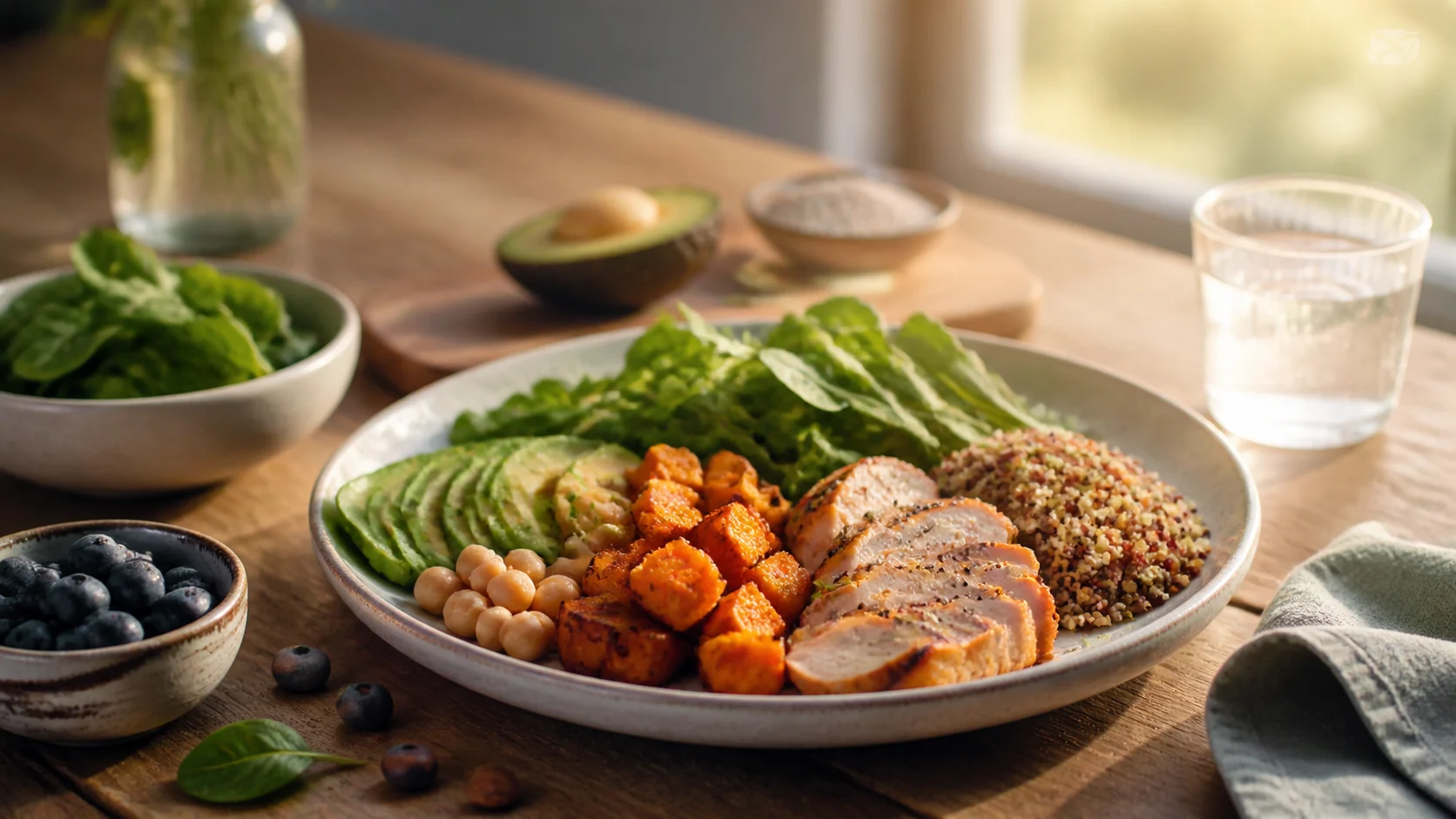
It does not have to be elaborate. A morning might begin with oatmeal made with milk, topped with banana slices and crushed walnuts. Lunch could be a turkey and avocado sandwich with fruit on the side. Later, when the afternoon dip starts to arrive, a snack might look like apple slices with peanut butter or crackers with cheese. Dinner may be as humble as rice, rotisserie chicken, and a bag of roasted vegetables glossed with olive oil.
There is a reason this works better than nibbling randomly or relying on caffeine alone. Meals that combine carbs, protein, fat, and fiber tend to feel more stable than meals built from only one element. Some studies also suggest that regularly eating breakfast may support alertness and cognitive performance in many people, especially when that breakfast includes both carbohydrates and protein.
Steady energy is rarely built by eating less; it is more often built by eating with more consistency and more care.
Small signs the body may need more support, not more discipline
Sometimes the question is not just how to support energy with food, but how to notice when the body has been under-supported for a while. A few familiar signs can include:
- Feeling shaky, foggy, or irritable between meals. This can happen when meals are too small or too far apart.
- Strong late-night cravings. Often, they are not random; they can be the body’s clever way of asking for missed energy.
- Living on coffee until noon. Caffeine may help briefly, but it cannot replace nourishment.
- Thinking about food all day. Sometimes that is not lack of willpower at all. It is the body trying to solve an energy gap.
For many busy women, regular eating every 3 to 5 hours can feel more supportive than waiting until they are completely depleted. That rhythm will look different for each person, but the principle is gentle and practical: feed the body before the crash, not only after it.
A softer way to begin tonight
If dinner feels like too much, the starting point can be almost laughably simple: add one missing piece. If the meal is mostly carbohydrates, add protein. If it is protein-heavy but unsatisfying, add a comforting carbohydrate. If it leaves her hungry an hour later, add fat or fiber next time. This is a kinder and often more sustainable answer to how to support energy with food than chasing perfect meal plans.
The body does not need to be impressed. It needs to be nourished. A frozen meal with fruit on the side, a sandwich with chips and yogurt, or takeout made a little more balanced can all count. Real-life nutrition is still nutrition.
Please note: Every body has its own rhythm, appetite, and health history. This gentle guide is for educational purposes only and does not replace personalized advice from a registered dietitian, physician, or other qualified healthcare professional.
You Might Also Wonder
If I crash every afternoon, does that always mean I need sugar?
Not always. Sometimes the body is asking for a more balanced lunch or a snack with both carbs and protein, not just something sweet on its own.
What if I am too tired to cook but still want to support my energy?
Convenience can still be supportive. A rotisserie chicken with microwave rice, toast with eggs, or yogurt with granola and fruit can all help without asking too much of the evening.
Can skipping breakfast affect energy later in the day?
For many people, yes. It can leave the morning running on stress hormones and caffeine, then make cravings or fatigue hit harder later on.
How do I know if my meals are too light?
If she feels hungry again very quickly, thinks about food constantly, or gets foggy and irritable between meals, that can be a clue that the body may need more fuel or more balance.