
When Thinking About Food All Day Is Not a Lack of Discipline
Food obsession after dieting often happens because the body and mind respond to restriction by becoming more alert to food, hunger, and the fear of not getting enough. For many women, this does not mean they are broken. It often means the body has been pushed into survival mode, and the mind has learned to scan for what once felt limited.
She may be answering emails at 2:47 p.m., yet part of her mind is already at dinner. She may open the pantry not because she is careless, but because her body has spent too long being negotiated with. The common mistake is believing food obsession after dieting is a personal failure, when it is often a predictable response to deprivation.
“A body that feels deprived does not become peaceful. It becomes preoccupied.”
This is one reason many people notice that the harder they try to control food, the louder food seems to become. In the famous Minnesota Starvation Experiment, even healthy men placed on semi-starvation became intensely focused on recipes, meals, and eating. Restriction changed what occupied their minds. That detail still matters today, even in more subtle modern dieting patterns.
The Echo Bowl: A Gentle Way to Understand the Aftermath
One helpful way to picture food obsession after dieting is to imagine an Echo Bowl. When someone restricts food, skips satisfying meals, or labels eating as dangerous, the body sends out a signal. Then the mind sends it back louder: think about snacks, count the hours until dinner, promise to be “good,” then break. The bowl echoes hunger, fear, and scarcity until food feels much bigger than food.
The Echo Bowl has three common layers:

- Physical restriction — not eating enough overall, delaying meals, or avoiding satisfying foods. Even if it looks “healthy” from the outside, the body may still read it as not enough.
- Mental restriction — eating while carrying rules in the background: only this much, not after this hour, not that food. The plate may be full, but the mind still feels fenced in.
- Emotional rebound — once food is finally eaten, relief and urgency can arrive together, followed by guilt, which often restarts the cycle.
“The goal is not to conquer appetite. The goal is to understand what appetite has been trying to say.”
Why the Brain Gets So Loud Around Food
After repeated dieting, food can start to feel like a bright, flashing signal. This is not just about habit. When energy intake feels uncertain, the brain becomes more attentive to food cues. That can show up as scrolling restaurant menus at night, eating past fullness because tomorrow feels restrictive, or feeling unable to focus until something sweet is found.
Stress can make the picture even blurrier. A woman who has slept poorly, rushed through lunch, and carried herself through the day on coffee may believe she lacks self-control by evening. In reality, low energy, emotional depletion, and old food rules can all stack together. What looks like “obsession” is often the nervous system asking for safety, steadiness, and enough nourishment.
Food obsession after dieting also tends to grow in secrecy. The more a person believes she should not feel this way, the more alone she feels in it. Shame rarely quiets the noise. Regular nourishment often does more than self-criticism ever could.
Small Ways to Soften Food Obsession After Dieting
Healing usually does not begin with more control. It often begins with more consistency, more permission, and more honest noticing.
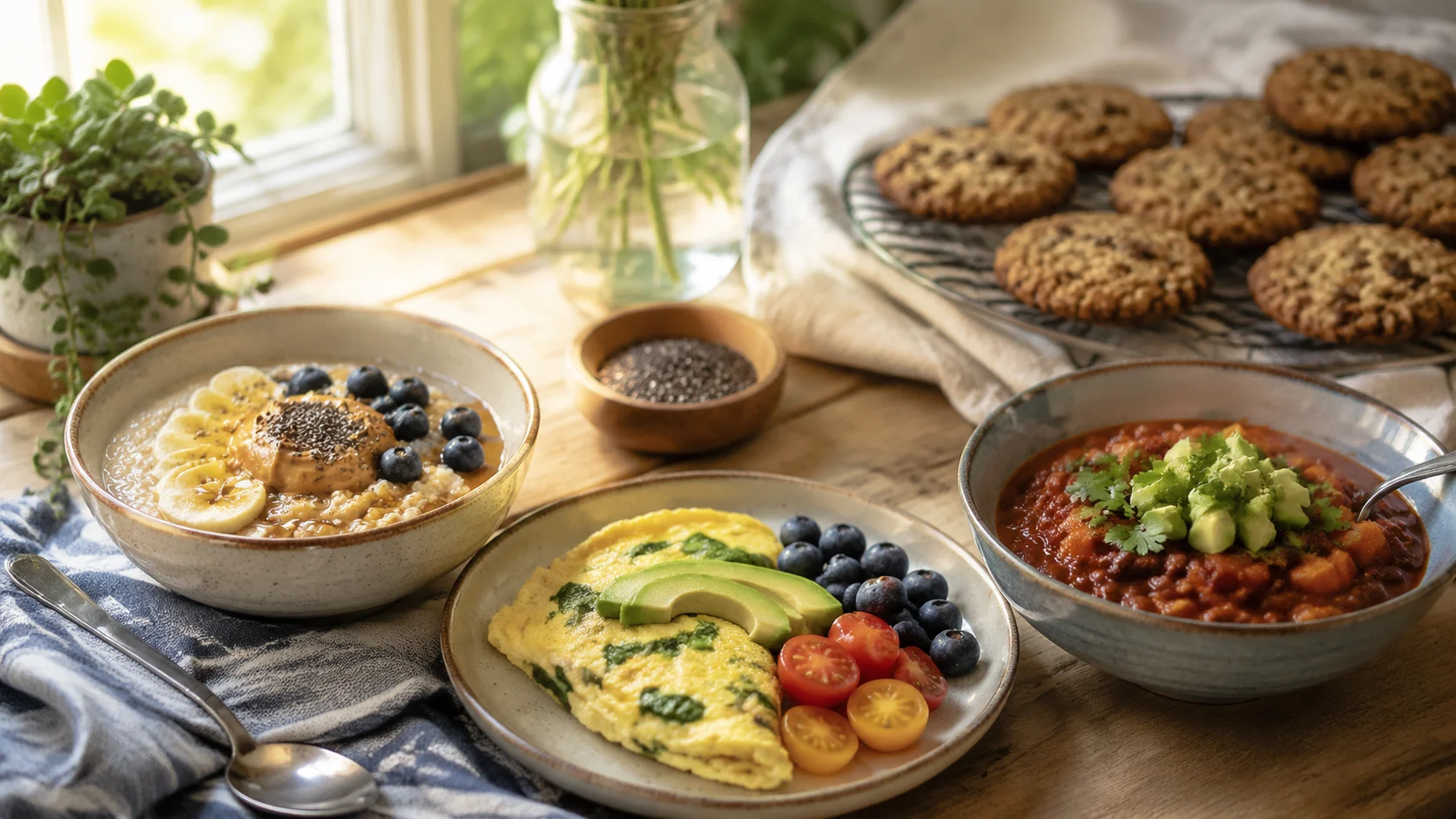
- Let meals become reliable again. A breakfast with warm toast, eggs, and fruit, or a lunch bowl with rice, salmon, and something crisp and green, can teach the body that food is not disappearing. Predictability lowers alarm.
- Add satisfaction, not just nutrients. A salad that leaves someone prowling the kitchen an hour later may not be enough. A drizzle of dressing, a scoop of grains, or a buttery piece of bread can change the whole conversation inside the body.
- Notice rule language. Words like “earned,” “shouldn’t,” or “make up for it tomorrow” often reveal mental restriction still running in the background.
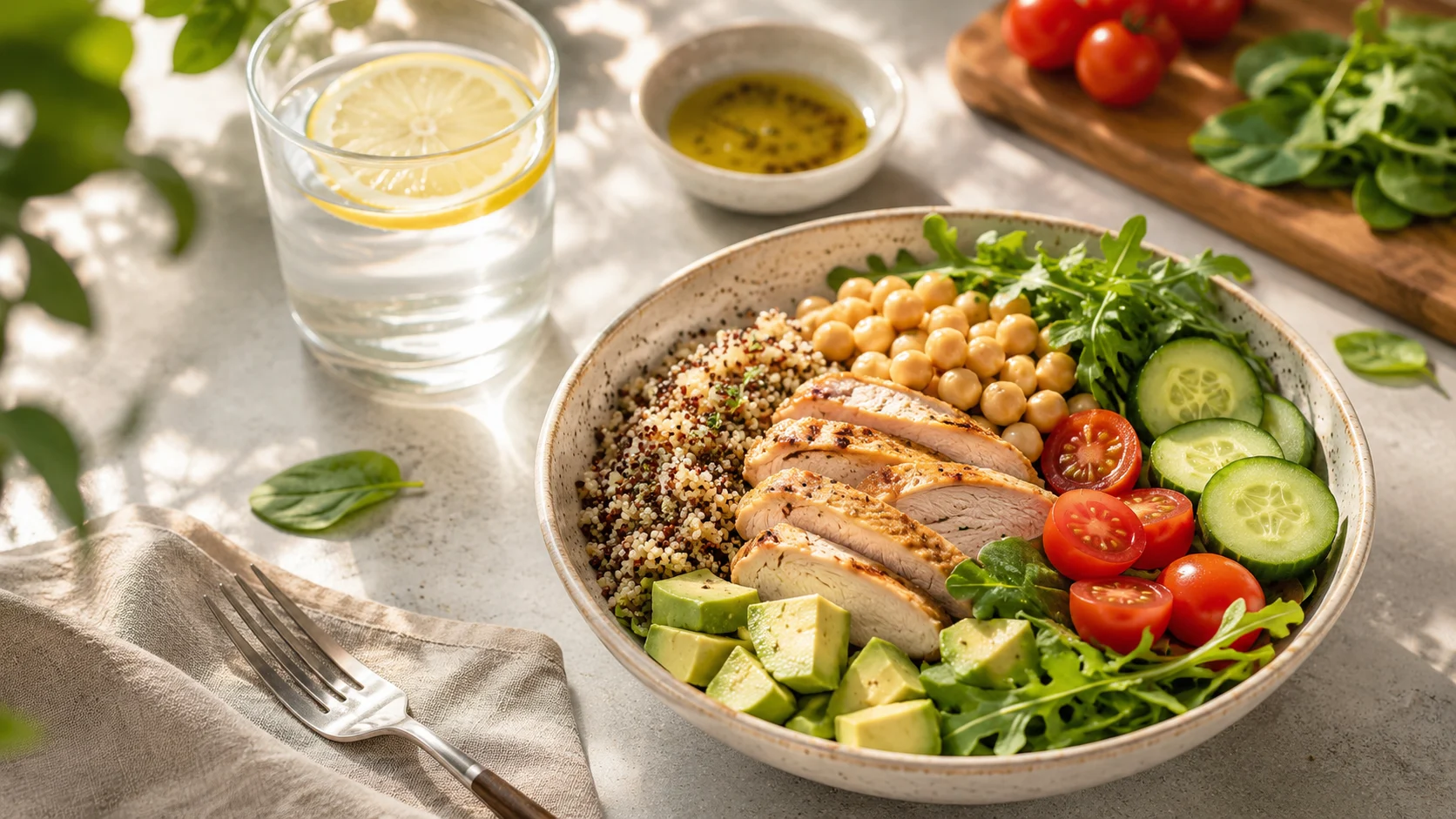
- Build what Joyini might call a Steady Plate. Think of a meal as a soft landing place: something filling, something comforting, and something with color or freshness. Not perfect. Just supportive.
- Make room for enough. Many women trying to stop food obsession after dieting still underestimate how much food their body needs, especially during stressful weeks, active days, or the premenstrual phase.
This process can feel strangely tender. When someone has spent years mistrusting hunger, eating enough may feel unfamiliar before it feels peaceful. That does not mean it is wrong.
What Readers Usually Ask Next
What if I keep thinking about dessert even after dinner?
That may be a sign dinner was not satisfying enough, or that dessert still carries a “forbidden” glow. Sometimes adding more fullness to dinner helps. Sometimes allowing dessert with less drama helps even more.
How long does food obsession after dieting last?
It varies. For some, the intensity softens as meals become more regular and less rule-based. For others, especially after years of restriction, it can take longer. Gentle consistency matters more than rushing the process.
Does this mean I should stop trying to eat balanced meals?
Not at all. Balanced meals can be deeply supportive. The difference is that balance should feel like care, not punishment. A meal can support steady energy without becoming another set of rigid rules.
Why do I feel out of control around foods I avoided for months?
Because avoidance often increases intensity. When a food has been put on a pedestal or behind glass, finally eating it can bring urgency. Repeated, ordinary permission can slowly make that food feel less emotionally charged.
Please note: Every body has its own rhythm. This article is for educational purposes and offers gentle support, not personalized medical care. If food thoughts feel overwhelming or eating feels distressing, a registered dietitian or qualified healthcare professional can offer more tailored guidance.