
The Surprise Behind Cravings
Many women are told that cravings mean they need more discipline. But the quieter truth is often the opposite: why restricting food leads to cravings has less to do with a lack of self-control and more to do with a body that feels deprived, stressed, or unheard. When food becomes tightly controlled, the mind starts circling it, the body starts asking louder, and eating can begin to feel emotionally charged instead of simple.
For the woman standing in her kitchen at 9 p.m., reaching for crackers after a long day, this pattern rarely begins with “weakness.” It often begins earlier—with skipped meals, rigid food rules, or the steady pressure to be “good” all day.
Body signals tend to whisper before they shout. Restriction is often what turns the whisper into a craving.
When the Body Feels a Door Closing
One helpful way to understand why restricting food leads to cravings is to imagine the body as a careful protector. The moment it senses scarcity—whether that is not eating enough, cutting out satisfying foods, or labeling certain foods as off-limits—it begins to compensate. Hunger cues can grow stronger. Thoughts about food can become louder. A once-neutral cookie can suddenly take on the glow of something urgent.
This is not imaginary. In the well-known Minnesota Starvation Experiment, researchers observed that food restriction changed how people thought, felt, and behaved around food. Participants became more preoccupied with eating, more emotionally reactive around food, and more likely to feel intense desire for it. While everyday dieting is not the same as that study, it reflects a similar principle: deprivation tends to heighten fixation.
There is also a practical layer. When someone under-eats during the day—perhaps just coffee in the morning, a small lunch between meetings, and a “light” dinner—blood sugar and energy can dip. By evening, cravings often arrive wearing the disguise of impatience, restlessness, or a sudden need for something sweet and comforting.
The Scarcity Echo Framework
To make sense of this pattern, Joyini might call it the Scarcity Echo Framework:

- Restriction creates the first echo. This can look like skipping meals, avoiding carbs, or telling herself she has “already eaten enough.”
- The body answers with louder signals. Hunger, low energy, and mental preoccupation with food begin to build in the background.
- Cravings arrive as a form of protection. Especially for quick energy foods, comfort foods, or the very foods that have been forbidden.
- Guilt deepens the cycle. After eating, she may promise to “be better tomorrow,” which quietly starts the echo again.
This is often why restricting food leads to cravings that feel bigger than the food itself. The craving is not just about taste. It may be about energy, safety, pleasure, emotional relief, or finally getting enough.
The body is not a project to overpower. It is a relationship to rebuild.
What Gentle Eating Looks Like in Real Life
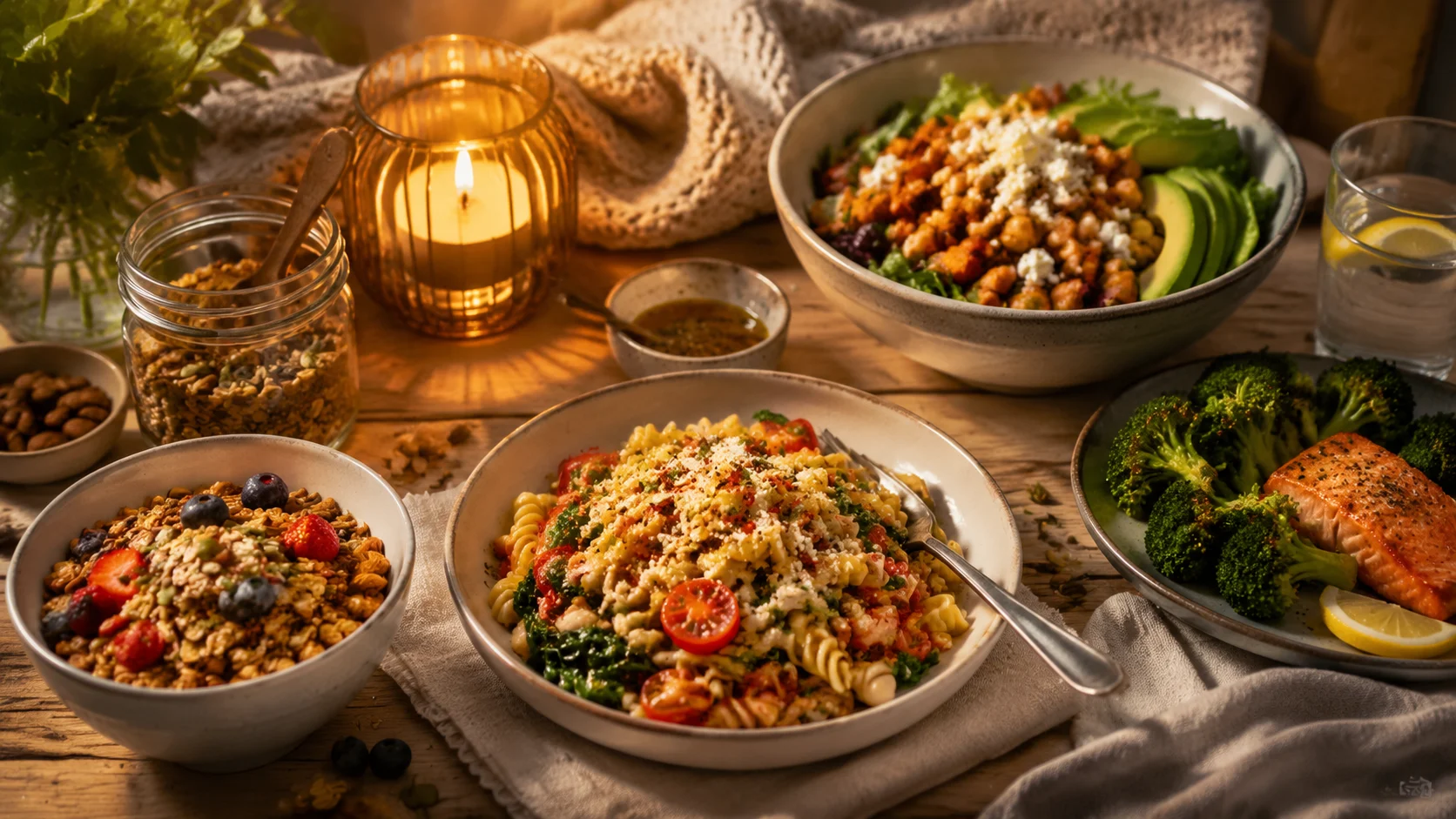
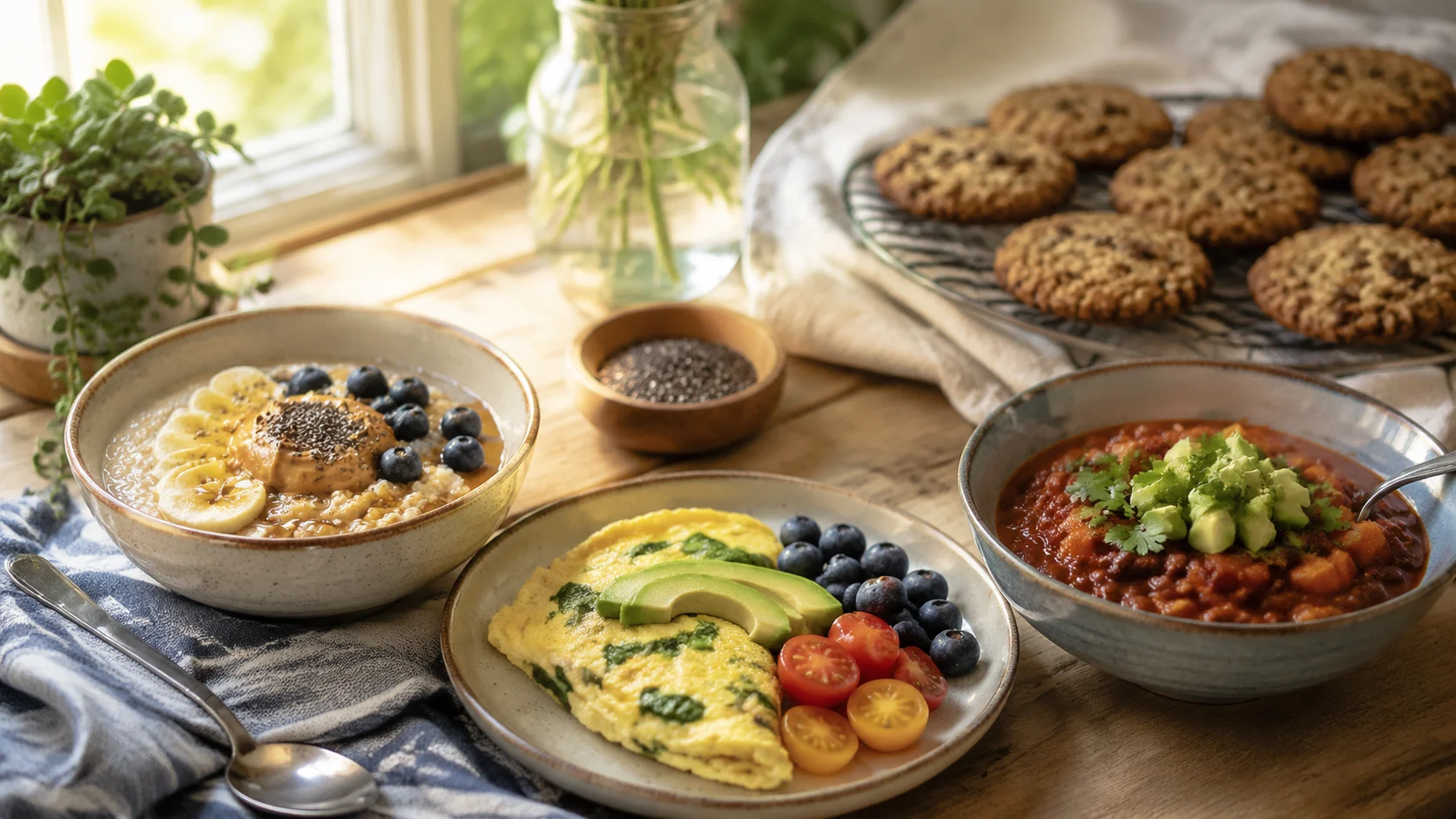
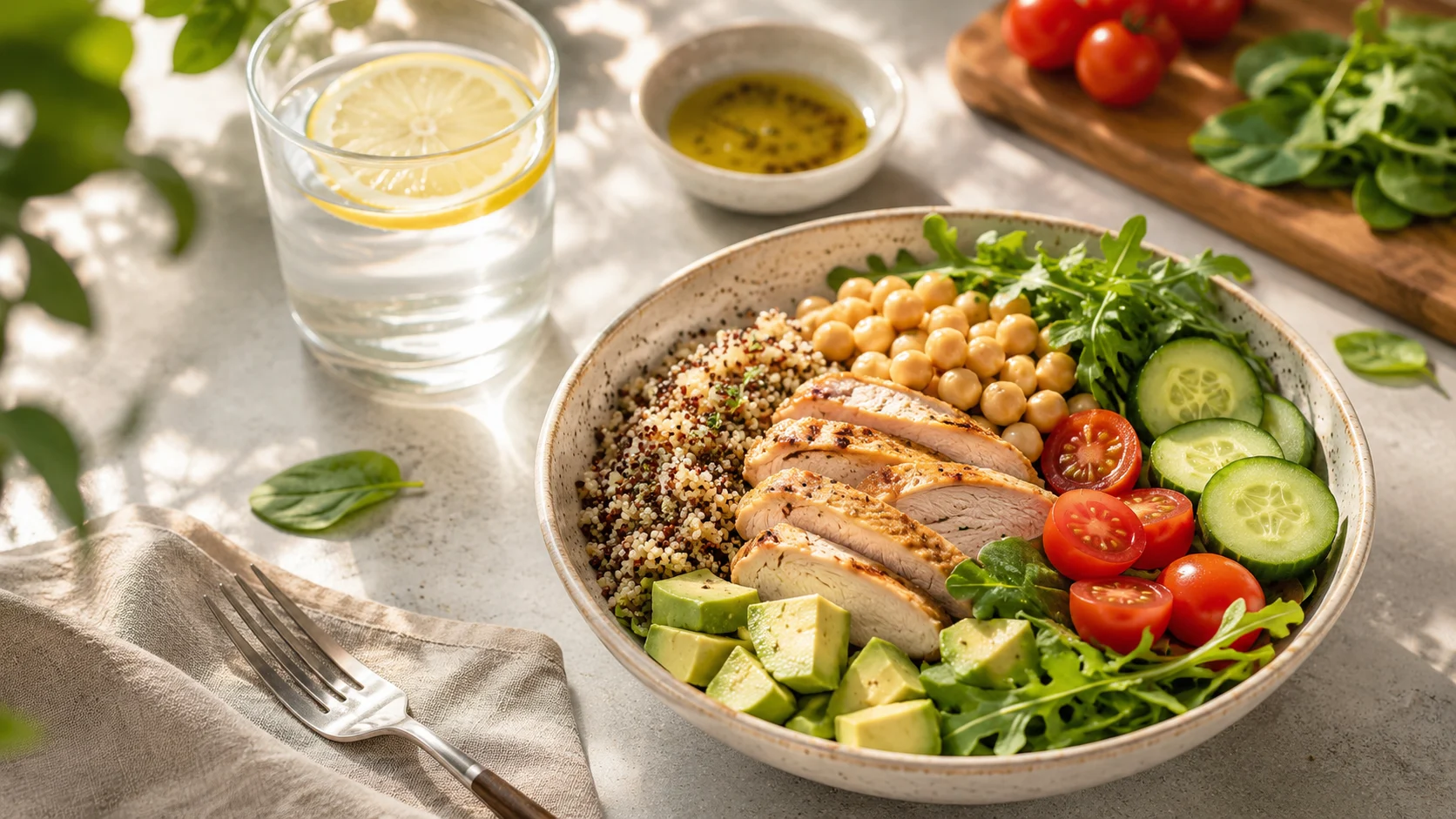
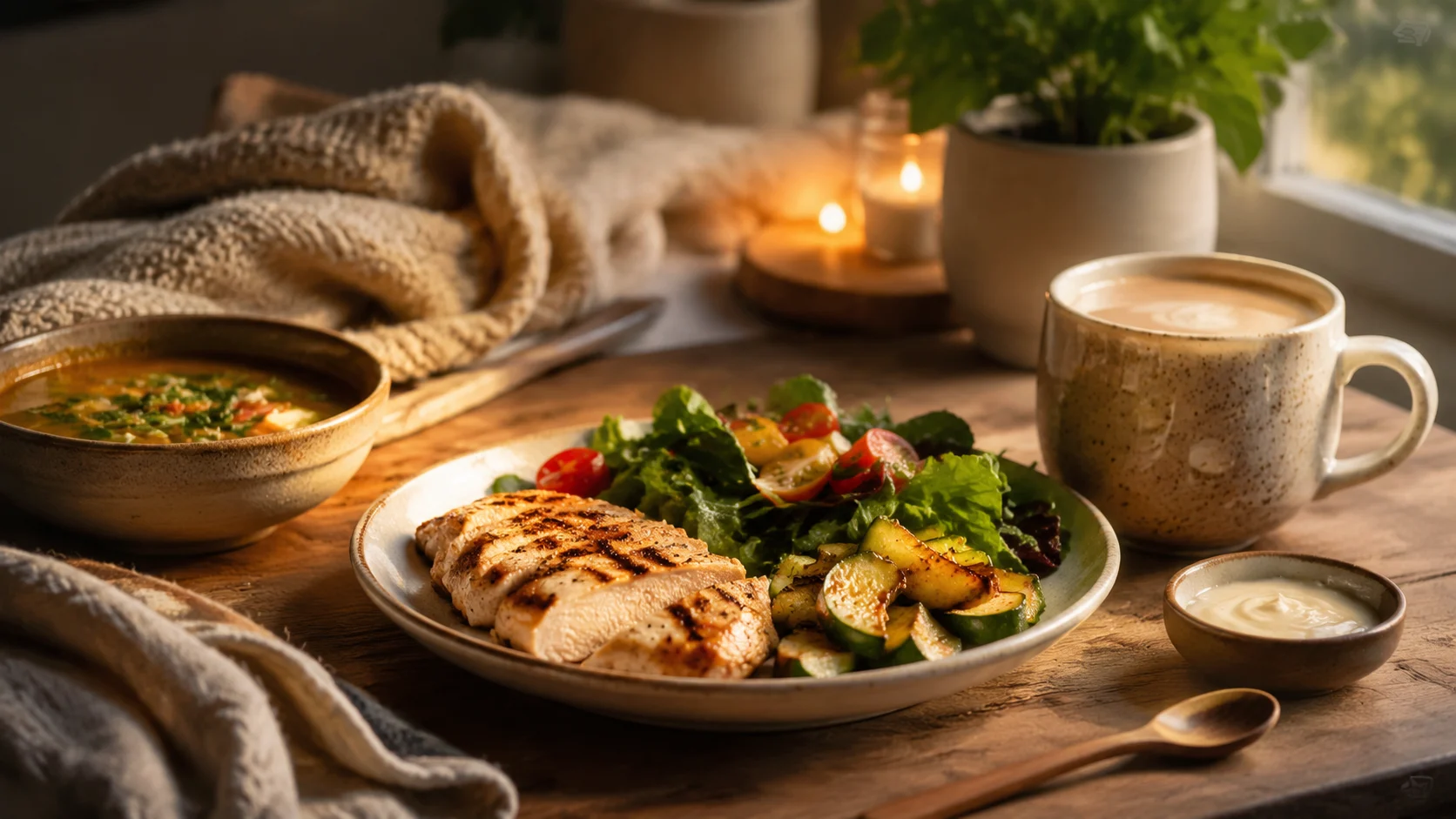
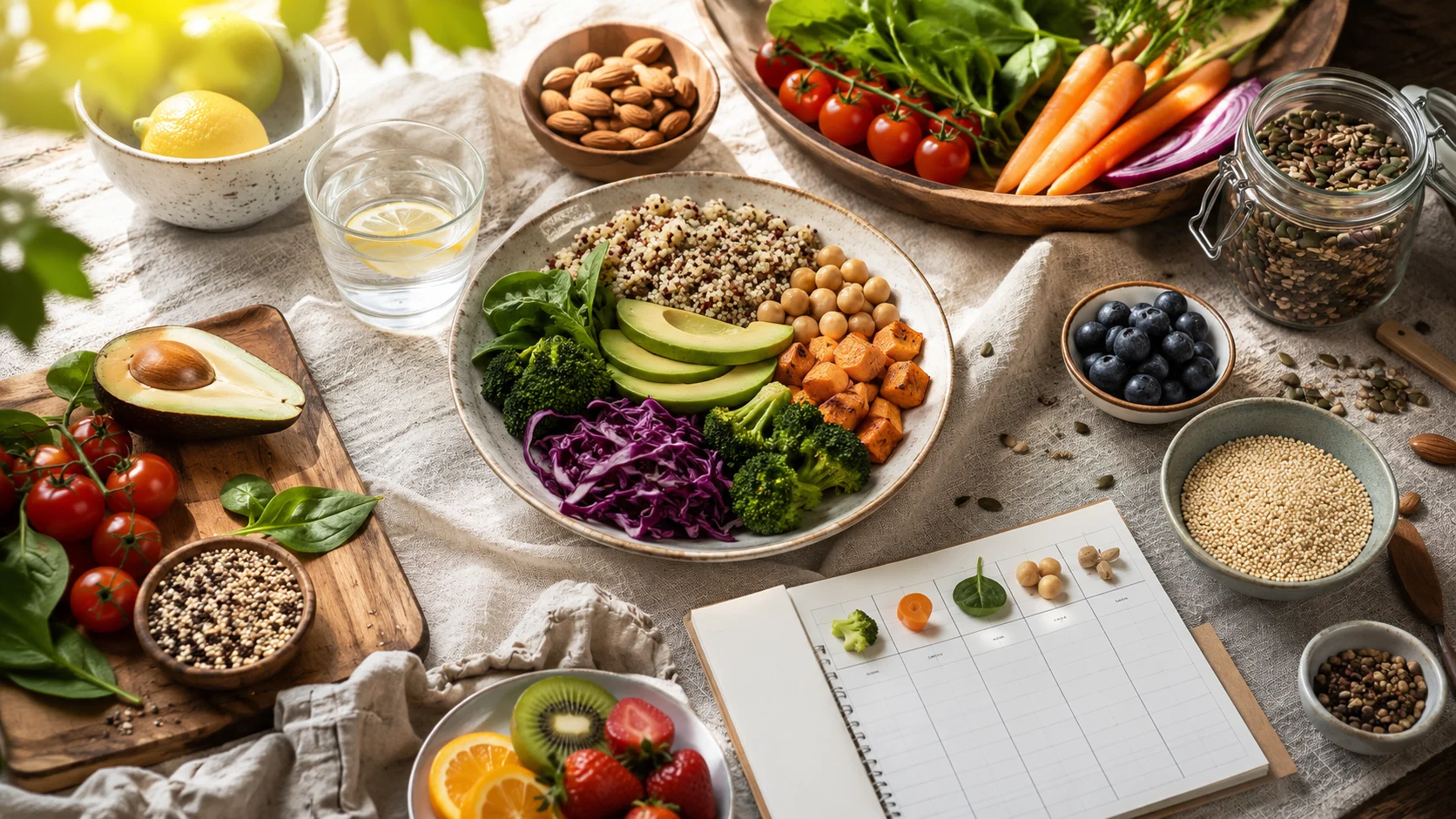
Breaking the cycle does not require perfect eating. It usually begins with more steadiness, not more rules. For a busy woman, that might mean a real breakfast instead of postponing food until noon. It might mean adding substance to lunch—something warm, filling, and calming, like rice with salmon and roasted vegetables, or a turkey sandwich with fruit and a handful of nuts. It might mean letting dessert exist without turning it into a moral event.
Gentle nutrition supports cravings best when meals are balanced enough to feel satisfying. In real life, satisfaction matters. A lunch that includes carbohydrates, protein, fat, and fiber often creates steadier energy than a small “healthy” meal that leaves her prowling the pantry two hours later.
It also helps to bring curiosity to cravings. Is the body asking for quick energy? More comfort? More consistency? More pleasure? The answer is often softer and more useful than another food rule.
A Softer Response to the Next Craving
If someone has been wondering why restricting food leads to cravings, the next step is rarely to tighten control. A gentler response might look like this:
- Pause before judging. Instead of “Why am I like this?” try “What might my body be asking for right now?”
- Look backward, not just at the craving. The story often began hours earlier with too little food, too much stress, or too little rest.
- Add before subtracting. More balanced meals, more consistency, more permission to eat satisfying foods.
- Remove the drama around one food. When a food is no longer forbidden, it often becomes less magnetic over time.
Cravings do not always disappear overnight, especially after years of dieting or food anxiety. But they often soften when the body begins to trust that nourishment is coming regularly, and that comfort does not need to be earned.
Please note: Every body has its own rhythm, history, and needs. This gentle guide is for educational purposes only and does not replace personalized advice from a healthcare professional or registered dietitian, especially if cravings, binge eating, or low energy feel persistent or distressing.
You Might Also Wonder
If I crave dessert every night, does that mean I am addicted to sugar?
Not necessarily. Night cravings can reflect habit, emotional decompression, under-eating earlier in the day, or simply wanting comfort after holding everything together. The pattern matters more than the label.
What if I eat enough and still crave certain foods?
That can happen too. Cravings are not always about physical hunger. Sometimes they are about pleasure, stress relief, familiarity, or a need for something emotionally soothing. That does not make them wrong.
Can restricting even “just a little” trigger stronger cravings?
For many people, yes. Even subtle restriction—mentally rehearsing what should not be eaten, delaying meals, or trying to be overly “good”—can make food feel more charged and urgent.
How long does it take for cravings to calm down after dieting?
There is no single timeline. For some women, more regular and balanced eating helps within days or weeks. For others, especially after years of food rules, rebuilding trust with the body takes longer and deserves patience.