
When Hunger Gets Louder, It Is Not a Personal Failure
Eating more before period is common, body-led, and often completely normal. For many women, the days before menstruation bring a sharper appetite, stronger cravings, and a deeper pull toward comfort foods. That shift is not proof that she is “out of control.” More often, it is the body asking for more support as hormones change and energy needs rise.
The usual advice tells her to resist. But resistance is often the part that makes things louder. In the luteal phase, after ovulation and before bleeding begins, progesterone rises and the body tends to work a little harder. Some research suggests energy intake and metabolic rate can increase slightly during this phase, with resting energy expenditure rising by roughly 2.5% to 11.5% in some women. That may not sound dramatic on paper, but in daily life it can feel like an extra snack, a larger dinner, or a strong desire for something warm, sweet, and grounding.
“The body is not a problem to outsmart. It is a home asking to be cared for.”
So if she notices herself eating more before period, the gentler question is not, “How do I stop this?” It is, “What kind of nourishment would help me feel steadier?”
The Quiet Biology Behind Bigger Cravings
In those premenstrual days, appetite can feel less like a polite suggestion and more like a knock at the door that keeps returning. Hormonal shifts can affect hunger, mood, blood sugar patterns, and even how satisfying food feels. If she is also sleeping poorly, carrying stress, or trying to eat “perfectly,” the effect can feel even stronger.
There is also the emotional texture of this week. A woman may be answering emails at 4 p.m., already mentally cooking tomorrow’s lunch, while her body whispers for chocolate and something salty. That desire is not random. Cravings often grow where biology and exhaustion meet.
This is where Joyini’s gentle micro-framework can help: the Comfort + Steady Pairing. Instead of choosing between “healthy” food and comfort food, she pairs them.
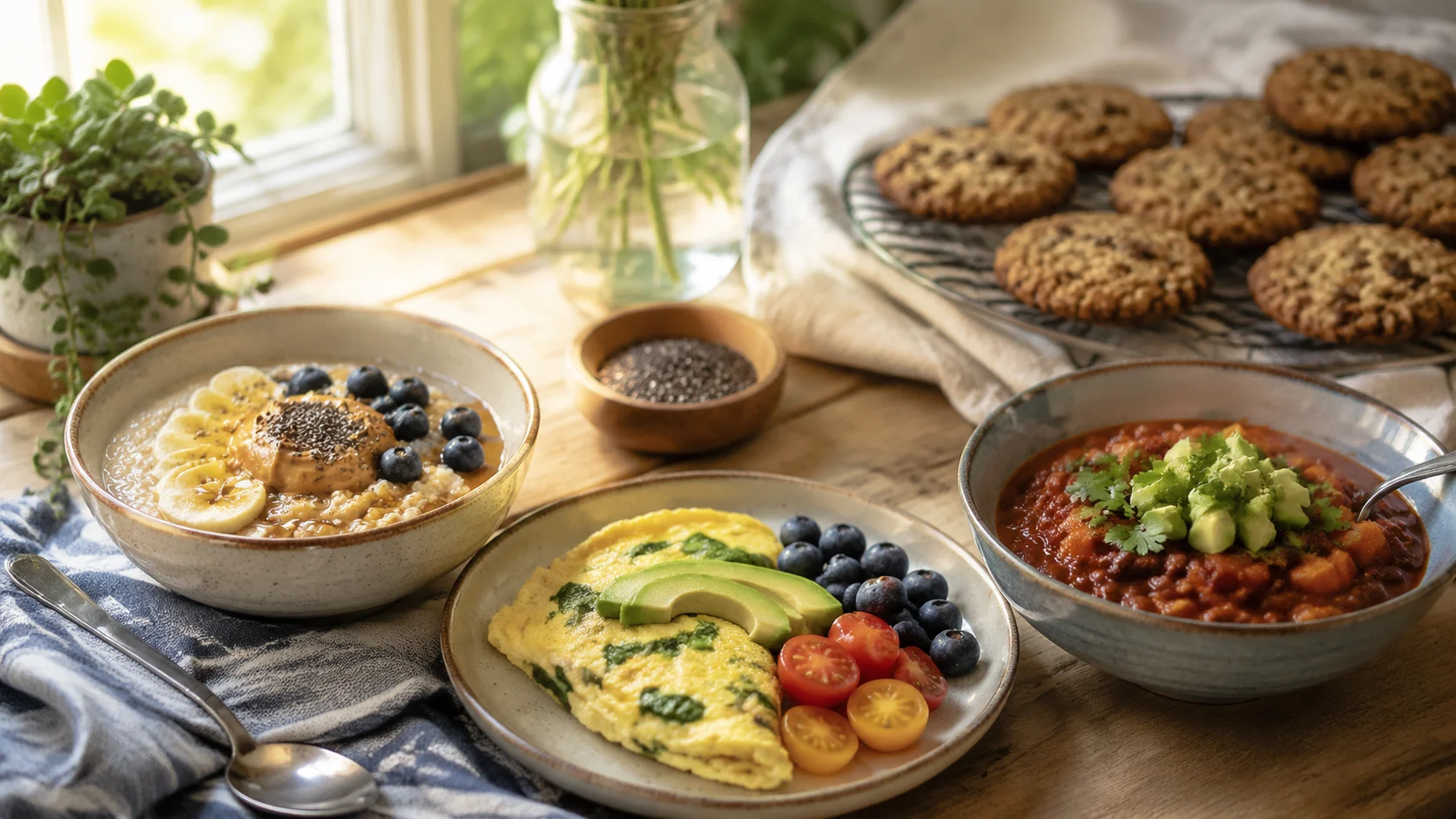
- A buttery piece of toast with eggs — the toast answers comfort, the eggs help support steadier energy.
- A bowl of warm oatmeal with crushed walnuts and a spoonful of peanut butter — soft, sweet, and more grounding than a pastry eaten in a rush.
- Chocolate with Greek yogurt and berries — not a rule, just a way to make satisfaction last longer.
The goal is not to cancel hunger. The goal is to meet it in a way that feels supportive.

What Helps When Eating More Before Period Feels Unsettling
When eating more before period brings guilt, the nervous system often gets tangled up with hunger itself. She may try to “be good” all day, only to find herself standing in the kitchen at night, eating quickly and feeling disconnected. That pattern usually says less about discipline and more about unmet needs.
A few gentle anchors can help:
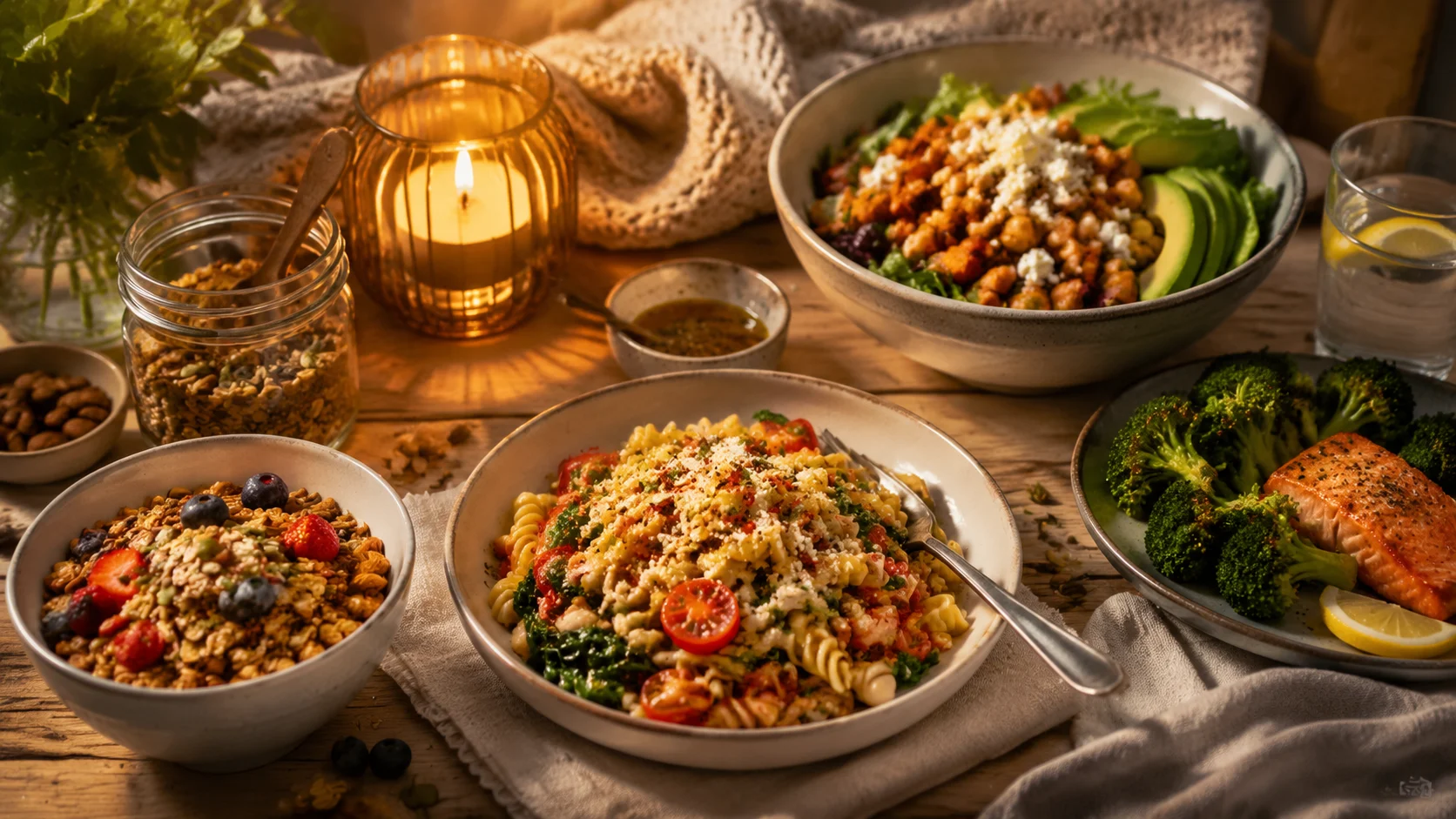
- Eat enough earlier in the day. A skimpy lunch often turns premenstrual hunger into an evening avalanche. A real meal — like rice, salmon, and roasted vegetables with olive oil — can soften the intensity later.
- Build in satisfaction on purpose. If she truly wants the cookie, eating apple slices while trying to “be good” may only prolong the chase. Sometimes the more balanced choice is the one that includes what she actually wants.
- Leave room for extra hunger. Some days before a period simply call for more food. That does not need to be moralized.
- Notice the setup, not just the snack. Poor sleep, long gaps between meals, and high stress often make cravings feel louder.
“Hunger becomes chaotic when it has been ignored for too long.”
A Softer Way to Plate Comfort
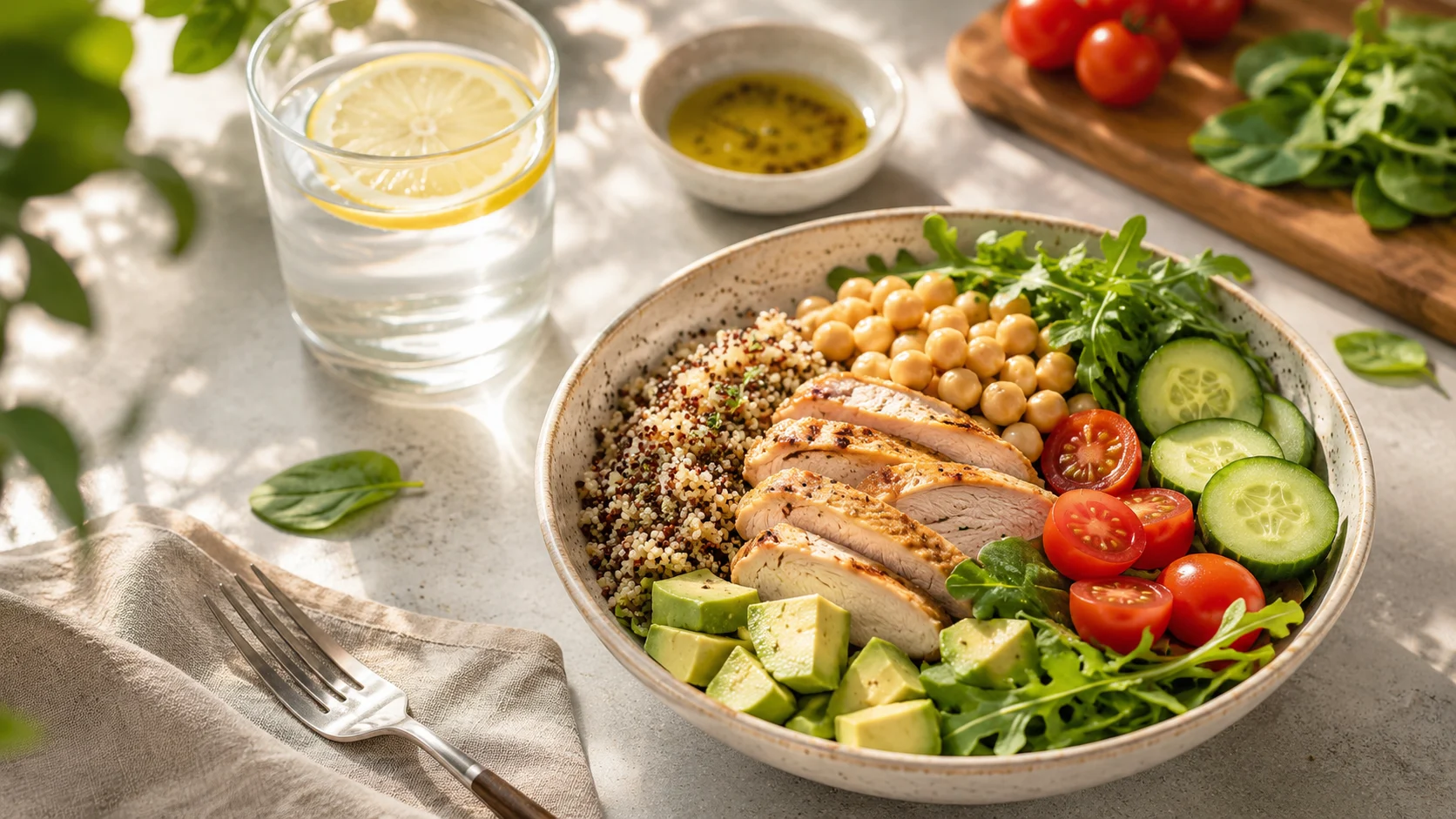
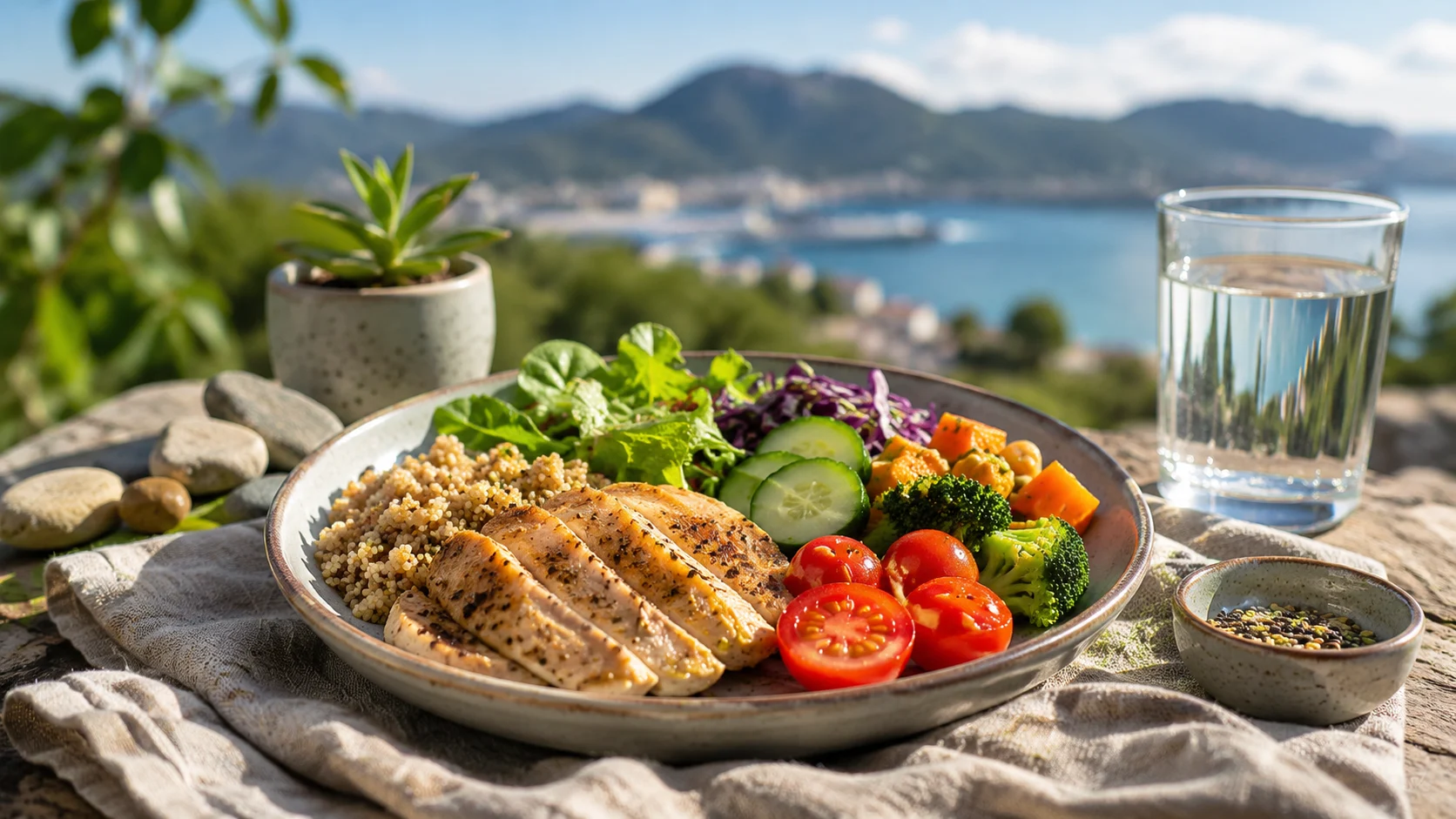
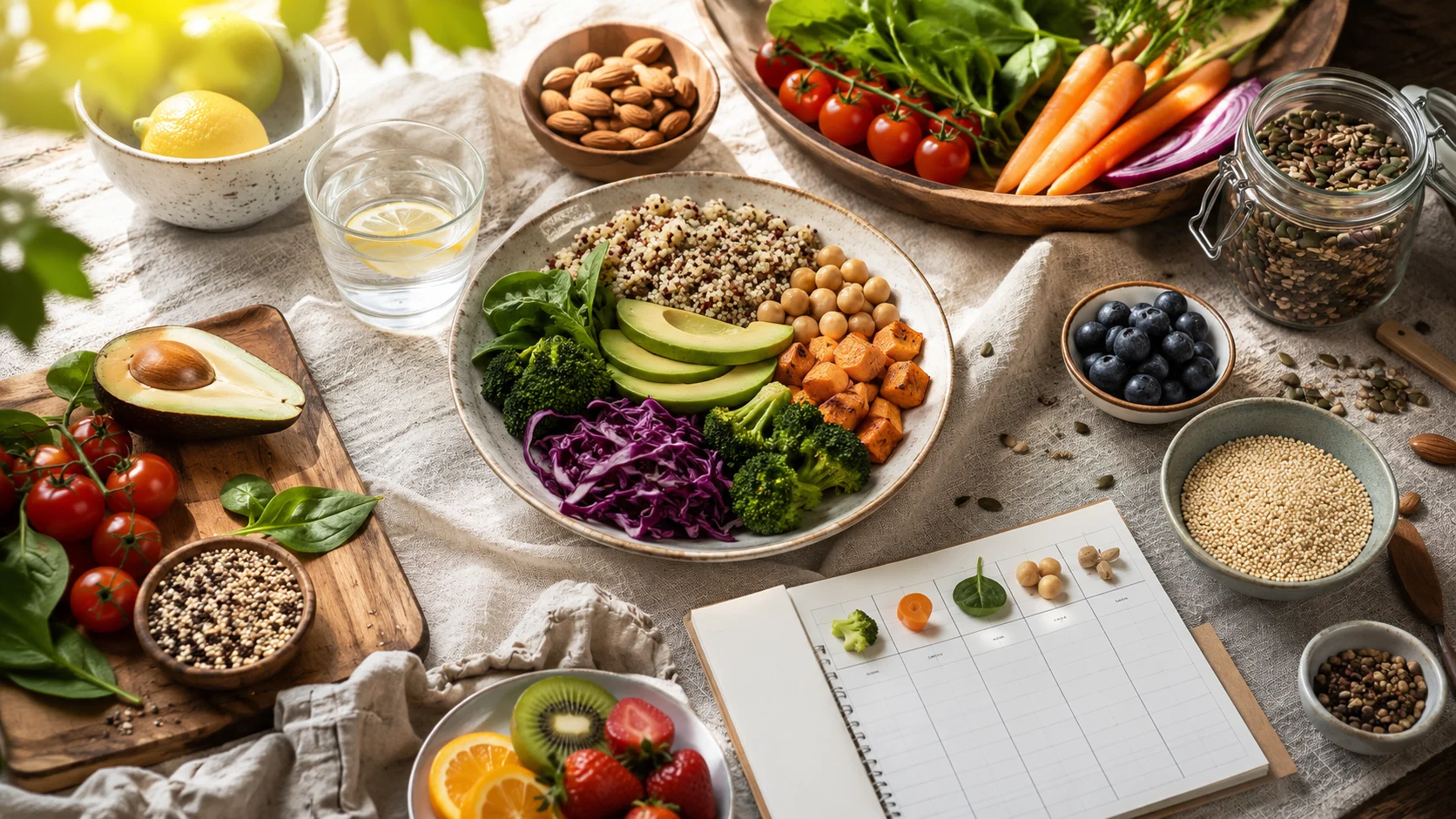
Many women do best not with stricter food rules, but with meals that feel emotionally and physically complete. That might look like a baked potato split open with melted cheese and a side of chili, or a turkey sandwich with avocado, fruit, and something crunchy alongside it. Balanced meals do not need to look virtuous to be supportive.
If sweet cravings are especially strong, it may help to think in layers: something comforting, something filling, something steadying. A square of dark chocolate after dinner may land differently when dinner itself was adequate. Ice cream may feel calmer in the body when it follows a meal rather than replacing one.
Eating more before period can also be a quiet invitation to slow down enough to notice patterns. Not to monitor every bite, but to understand body signals with more kindness. A woman who sees the pattern can prepare for it: keeping easy snacks nearby, planning fuller meals, and giving herself permission to need more.
You Might Also Wonder
Is it normal to feel much hungrier a week before my period?
Yes, for many women that is a very real pattern. Appetite often increases in the luteal phase, especially when stress, poor sleep, or under-eating are also present.
Does eating more before period mean I am losing control?
No. In many cases, it means the body needs more energy, more comfort, or more consistency. The feeling of “losing control” often gets stronger when hunger has been judged or delayed.
What if all I want is sugar?
Start by allowing the craving some honesty. Then see whether pairing that sweet food with something more grounding helps you feel better for longer — like a brownie with milk, or chocolate with nuts.
Should I try to ignore premenstrual hunger?
Ignoring it usually makes it louder. A gentler approach is to respond earlier and more steadily, instead of waiting until the craving feels urgent.
When should someone talk to a healthcare professional?
If premenstrual hunger, mood changes, or cravings feel extreme, disruptive, or suddenly different, it can help to check in with a qualified professional for personalized support.
Please note: Every body has its own rhythm. This article is for educational purposes and offers gentle nutrition support, not medical diagnosis or individualized care. If your symptoms feel severe or confusing, a healthcare professional can help you sort through what your body may need.