
When Anxiety Sounds Like Hunger
If she keeps wondering, “why do i crave food when anxious,” the short answer is this: anxiety can stir up food cravings because the body often reads stress as a need for quick comfort, fast energy, or emotional grounding. It is rarely a sign of weakness. More often, it is a body signal asking for support.
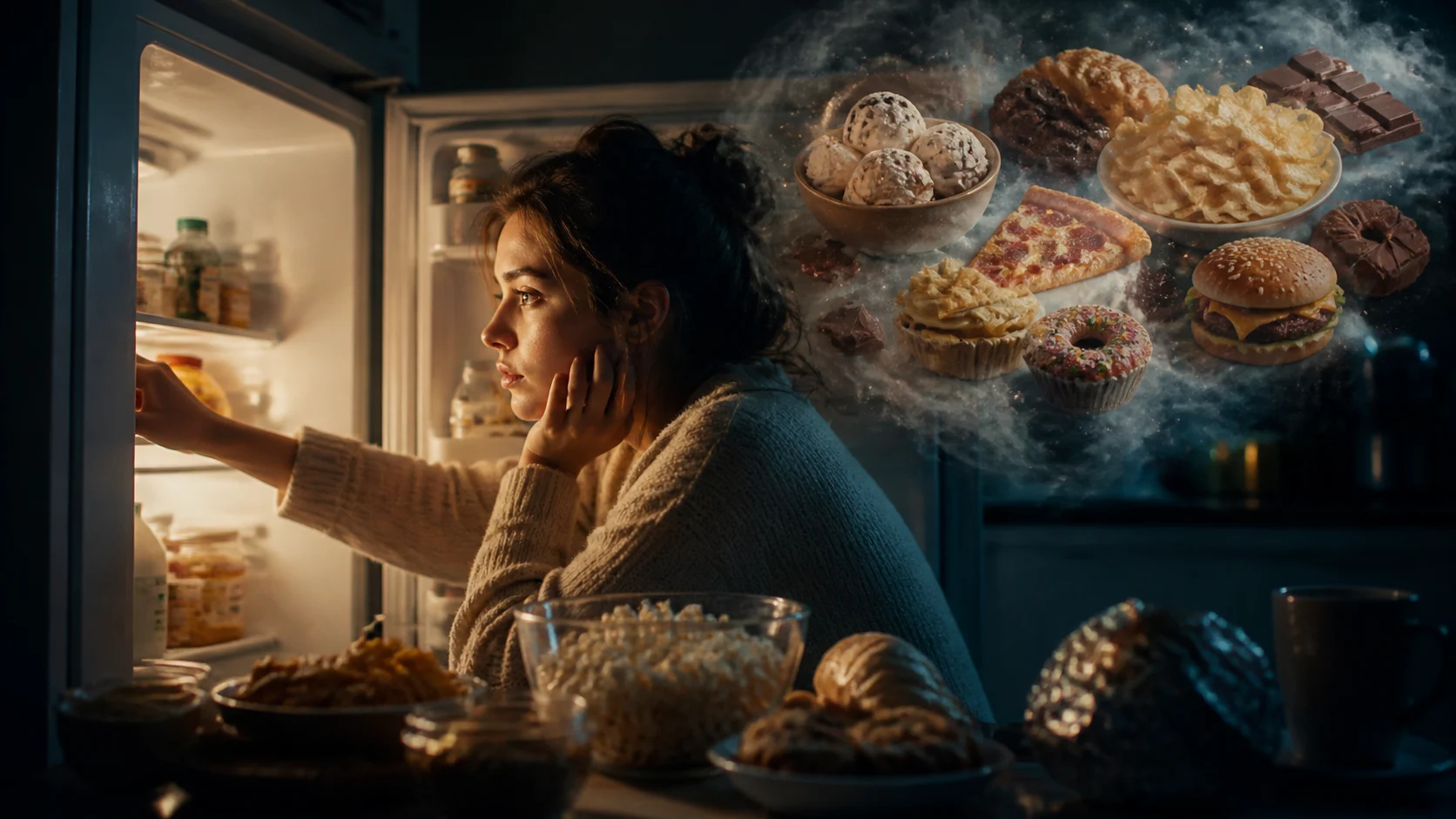
Many women know this moment intimately: the laptop is still open, the chest feels tight, the mind is racing, and suddenly the pantry seems brighter than it did ten minutes ago. She may not feel classic stomach hunger, yet something in her reaches for crackers, chocolate, toast, or anything warm and familiar. That urge is not random. It is the nervous system trying to create relief in the fastest language it knows.
“The body is not a project to be controlled. It is a place asking to feel safe again.”
A common myth says anxious eating happens because someone “lacks discipline.” In real life, the opposite is often true: the more stressed and undernourished she has been, the louder cravings can become.
The Comfort Loop: Why Food Can Feel So Magnetic
To understand why do i crave food when anxious, it helps to picture what stress does behind the scenes. Anxiety can raise cortisol and shift attention toward fast, soothing rewards. Sweet or starchy foods may feel especially compelling because they are gentle, familiar, and quick for the brain to process as comfort.
There is also the simple fact of modern life: many busy women are not only anxious, they are also tired, overstimulated, and underfed. When lunch was rushed and dinner is delayed, anxiety and physical hunger can blur together until the craving feels almost urgent.
This is where Joyini’s “Comfort Loop” can help:
- Stress rises. Her body shifts into alert mode, and food starts to look like relief.
- Energy dips. If she has not eaten enough, the craving grows sharper and more specific.
- Comfort calls. Crunchy, sweet, creamy, or warm foods promise a brief sense of being held.
- Guilt follows. If she judges the craving, the nervous system often gets even louder next time.
Research has observed that chronic stress is linked with a stronger preference for highly palatable foods, especially those rich in sugar or fat. That does not mean something is “wrong” with her. It means stress changes appetite patterns in very human ways.
What the Craving May Actually Be Pointing To
Sometimes the question is not only why do i crave food when anxious, but what is this craving trying to say? Like a lamp flickering in the hallway, it may be signaling several needs at once.
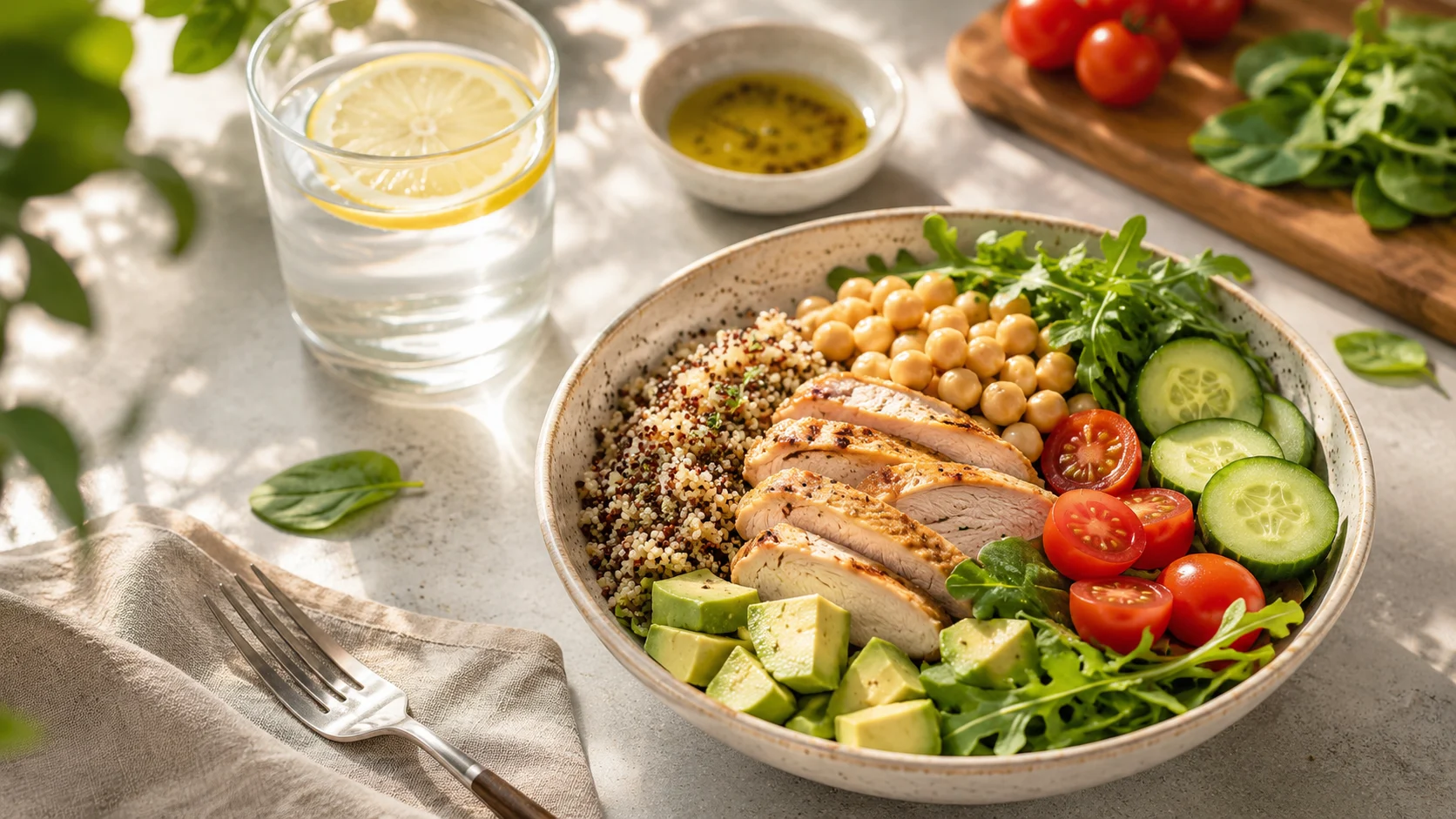
It may be asking for steadier energy. A breakfast that disappeared too quickly, an afternoon built on coffee, or a long stretch without enough protein, fiber, and carbohydrates can leave the body primed to chase quick relief by evening.
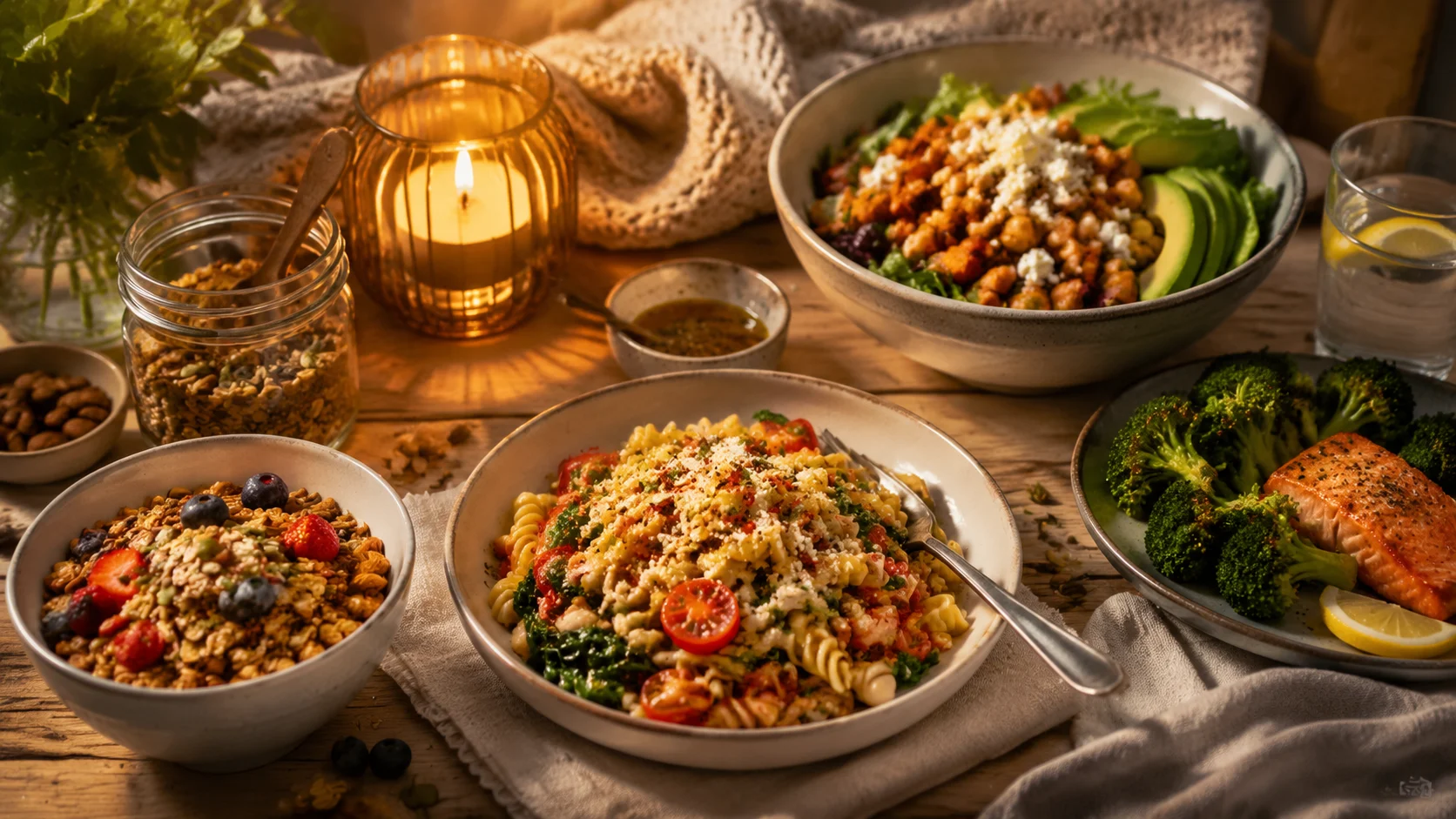
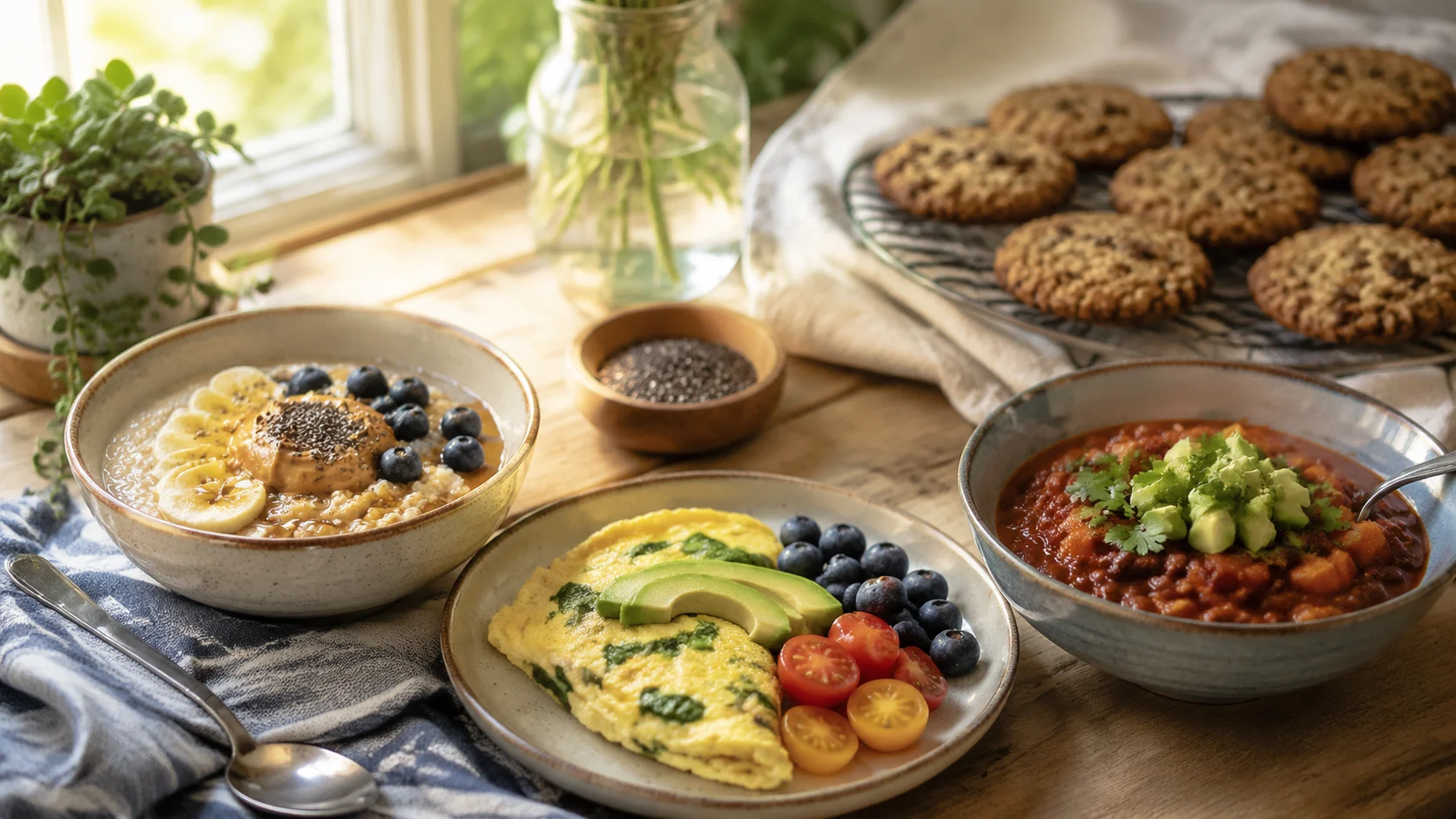
It may be asking for sensory comfort. Food is not just fuel. A bowl of warm oatmeal with cinnamon, a piece of buttered toast, or a handful of chocolate chips melting slowly on the tongue can feel grounding when emotions are sharp around the edges.
It may be asking for permission. Women who have spent years labeling foods or trying to ignore hunger often find that anxiety makes those suppressed desires louder. Restriction has an echo.
“What feels like a lack of control is often a lack of care, rest, nourishment, or softness.”
A Gentler Response in the Moment
When that anxious pull toward food shows up, it helps to meet it with a small pause instead of a courtroom. The goal is not to shut the craving down. The goal is to understand what kind of support would actually help.
- Name the state. She might quietly say, “I feel activated, and food sounds comforting right now.” That simple sentence can lower shame.
- Check for practical hunger. If the last meal was light or many hours ago, a balanced snack may be exactly what the body needs. Think of apple slices with peanut butter, or yogurt with berries and a spoonful of granola.
- Add comfort on purpose. If she wants something soothing, pairing comfort with nourishment can help. A warm muffin beside Greek yogurt, or a few squares of chocolate after a real dinner, often lands more gently than trying to resist everything.
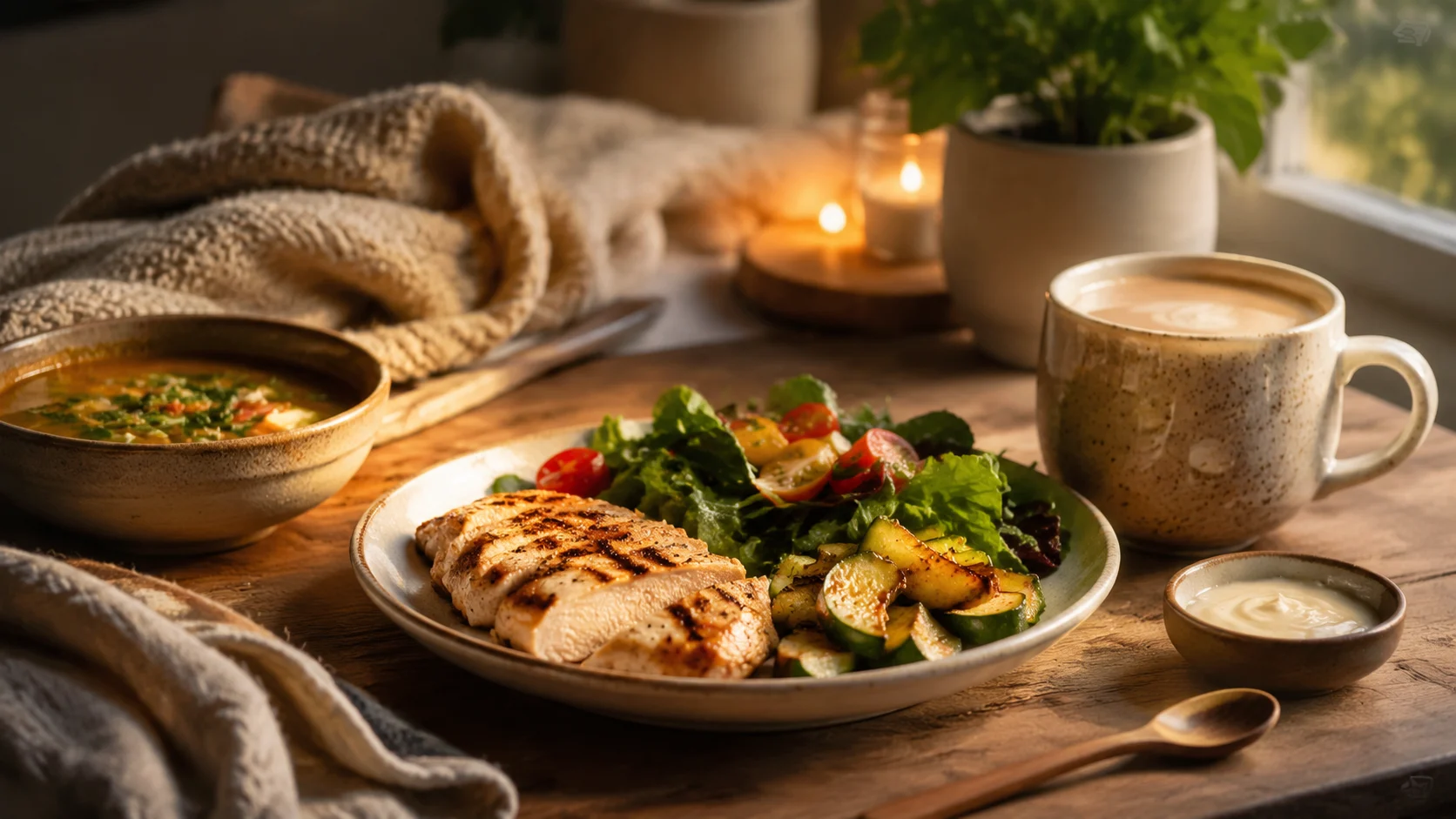
- Support the nervous system too. Sometimes the craving softens after a glass of water, a few deep breaths, stepping outside, or wrapping up in a blanket for five minutes.
This is not about perfection. It is about building a kinder conversation between anxiety, appetite, and care.
When the Pattern Keeps Returning
If she keeps asking why do i crave food when anxious, and the pattern shows up often, it may help to look beyond the individual snack. Regular meals, more stable energy, better sleep, and less food judgment can all reduce the intensity of anxious cravings over time. Not erase them completely, but soften them.
It can also help to notice patterns: Does the urge appear after long meetings, conflict, poor sleep, or skipped lunches? Does it spike in the late afternoon when the body is running on fumes? These details matter because cravings are rarely random. They usually follow a rhythm.
Please note: Every body has its own rhythm. This gentle guide is for educational purposes and does not replace personalized advice from a healthcare professional or mental health provider. If anxiety or eating patterns feel overwhelming or distressing, extra support can be a caring next step.
You Might Also Wonder
Is it normal to want carbs when anxious?
Yes. Many people reach for bread, crackers, pasta, or sweets under stress because these foods can feel quick, familiar, and comforting. That does not make the craving wrong; it may simply mean the body wants ease and energy.
How can she tell the difference between anxiety hunger and physical hunger?
Physical hunger often builds gradually and can be satisfied by a range of foods. Anxiety-driven cravings may feel sudden, emotionally charged, and focused on a very specific comfort food. Sometimes both happen together, which is also normal.
Should she avoid comfort foods if anxiety triggers cravings?
Usually, harsh avoidance makes cravings louder. A gentler approach is to include comfort foods with enough overall nourishment, so eating feels supportive instead of chaotic.
Why does this happen more at night?
Evening is often when exhaustion, loneliness, under-eating, and unprocessed stress finally catch up. The house gets quieter, and the body begins asking for what it did not receive earlier.