
A craving is not a character flaw
Late luteal phase cravings are common, deeply human, and often tied to real shifts in hormones, appetite, and energy rather than a lack of discipline. In the days before a period, many women notice a louder pull toward chocolate, bread, chips, or comfort food. The body is not being dramatic. It is often asking for steadier fuel, more satisfaction, and a little more care.
There is a quiet myth that cravings mean someone has “fallen off track.” But in real life, the week before a period can feel like walking through the day with the volume turned up: hunger is louder, emotions are closer to the surface, and food can seem to glow from across the room. For many women, late luteal phase cravings are a body signal, not a personal failure.
Body signals are not a test to pass. They are a language to understand.
Research has observed that energy intake often rises in the luteal phase, with some studies finding women may eat around 90 to 500 more calories per day compared with the follicular phase. That range is wide because bodies are different, but the pattern itself is familiar: the body may simply need more.
When hormones turn up the volume on hunger
In the late luteal phase, progesterone has been elevated, estrogen shifts, and serotonin-related changes may leave comfort foods feeling especially appealing. It can feel a little like the body is reaching for softness and quick reassurance. Add poor sleep, stress, or a long history of food rules, and cravings often grow sharper.
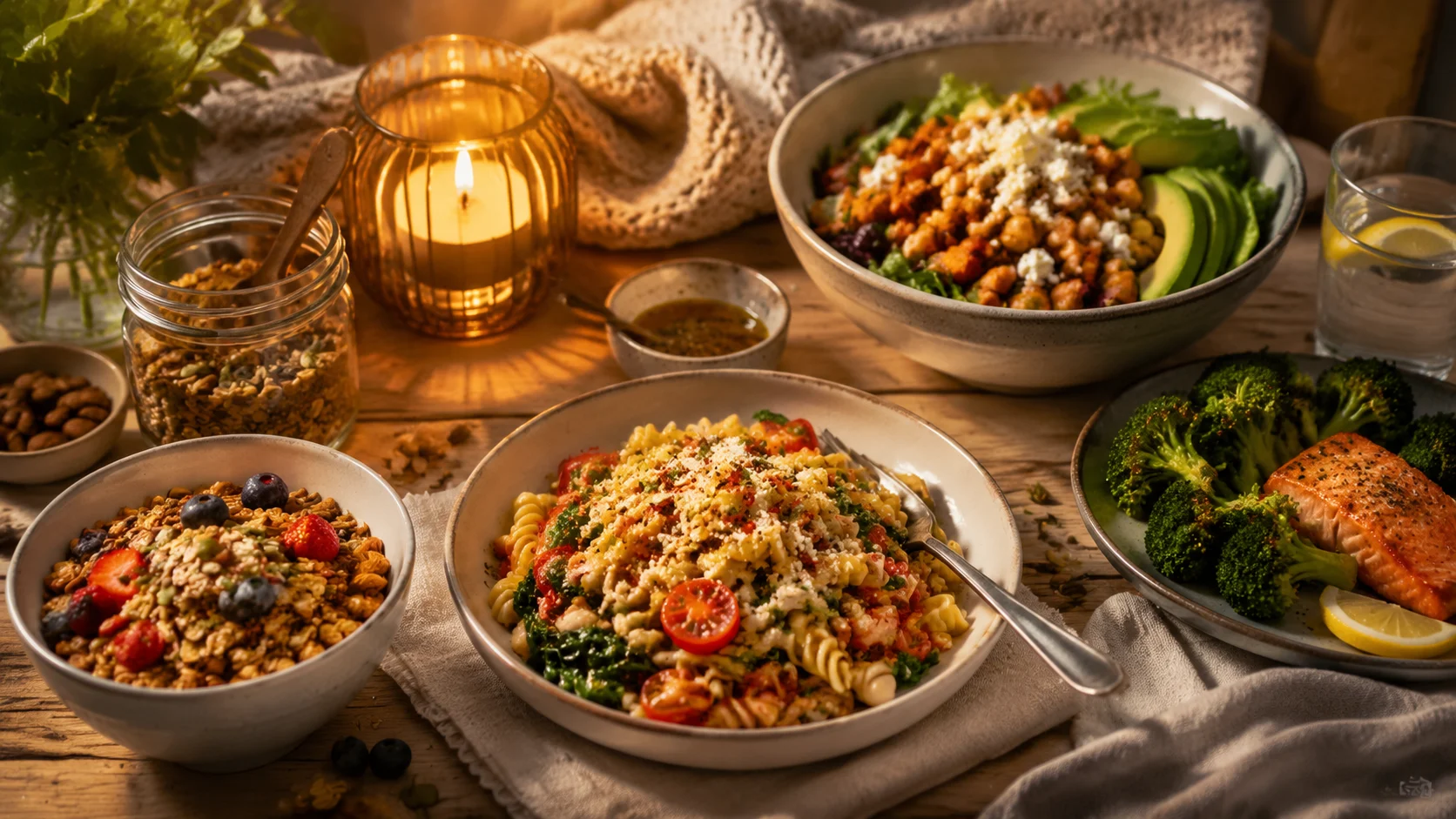
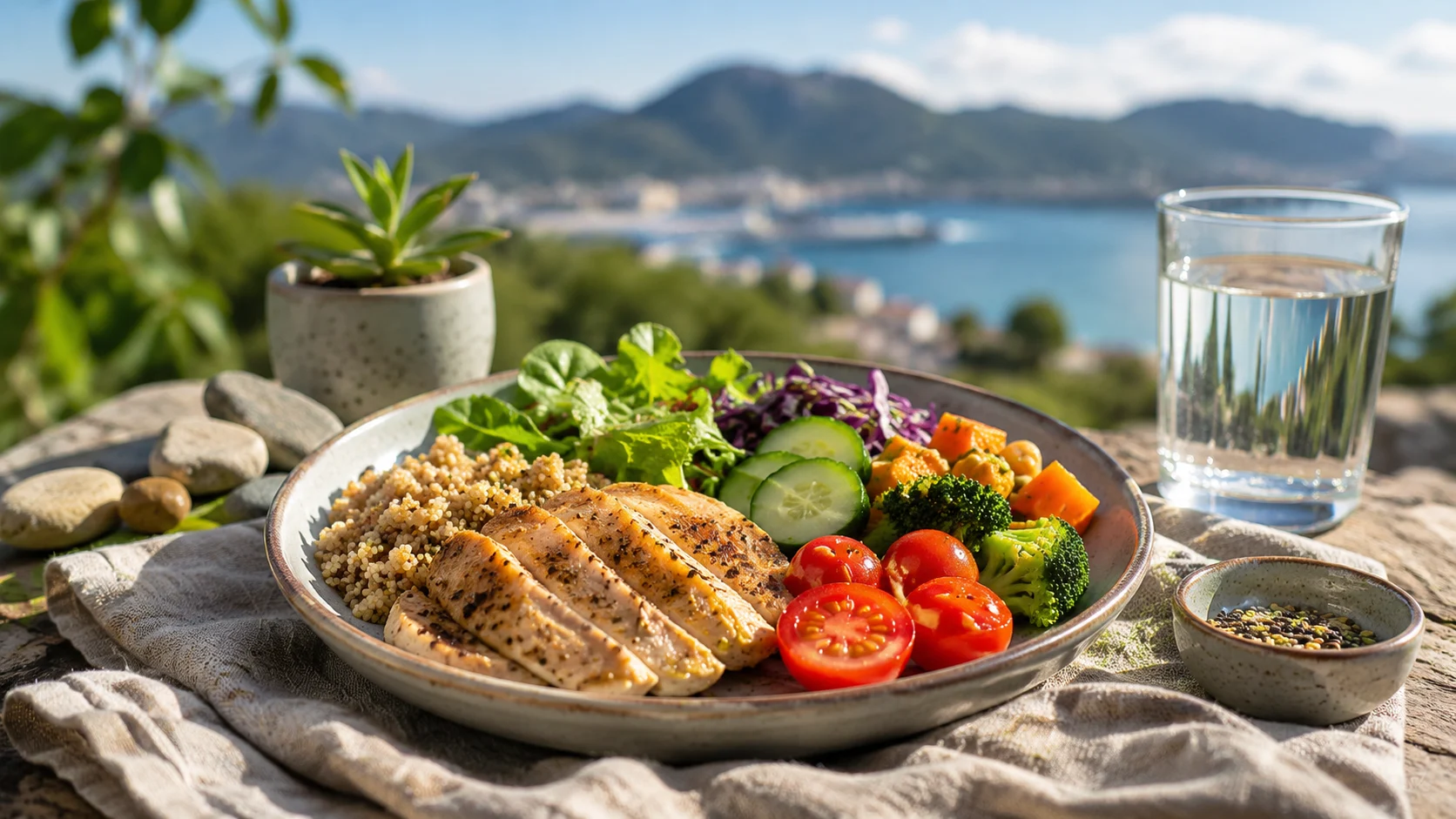
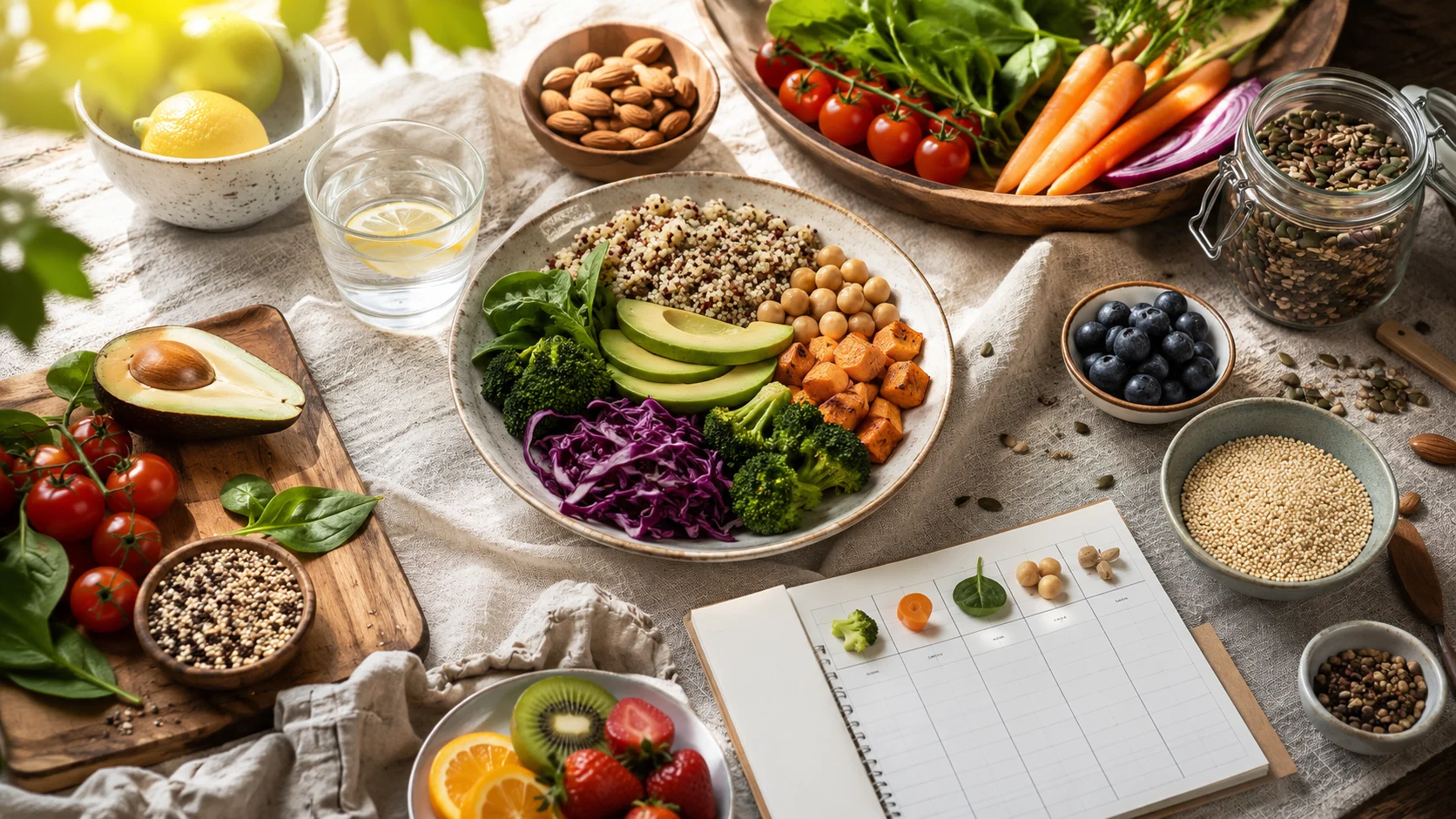
This is where the “Steady Comfort Plate” can help. It is a simple Joyini-style micro-framework: instead of trying to silence cravings, the goal is to pair comfort with support.
- Start with grounding carbs. Think warm rice beside salmon, toast with peanut butter, or a baked potato with a generous spoon of Greek yogurt. Carbs can feel emotionally comforting, and they also support steady energy.
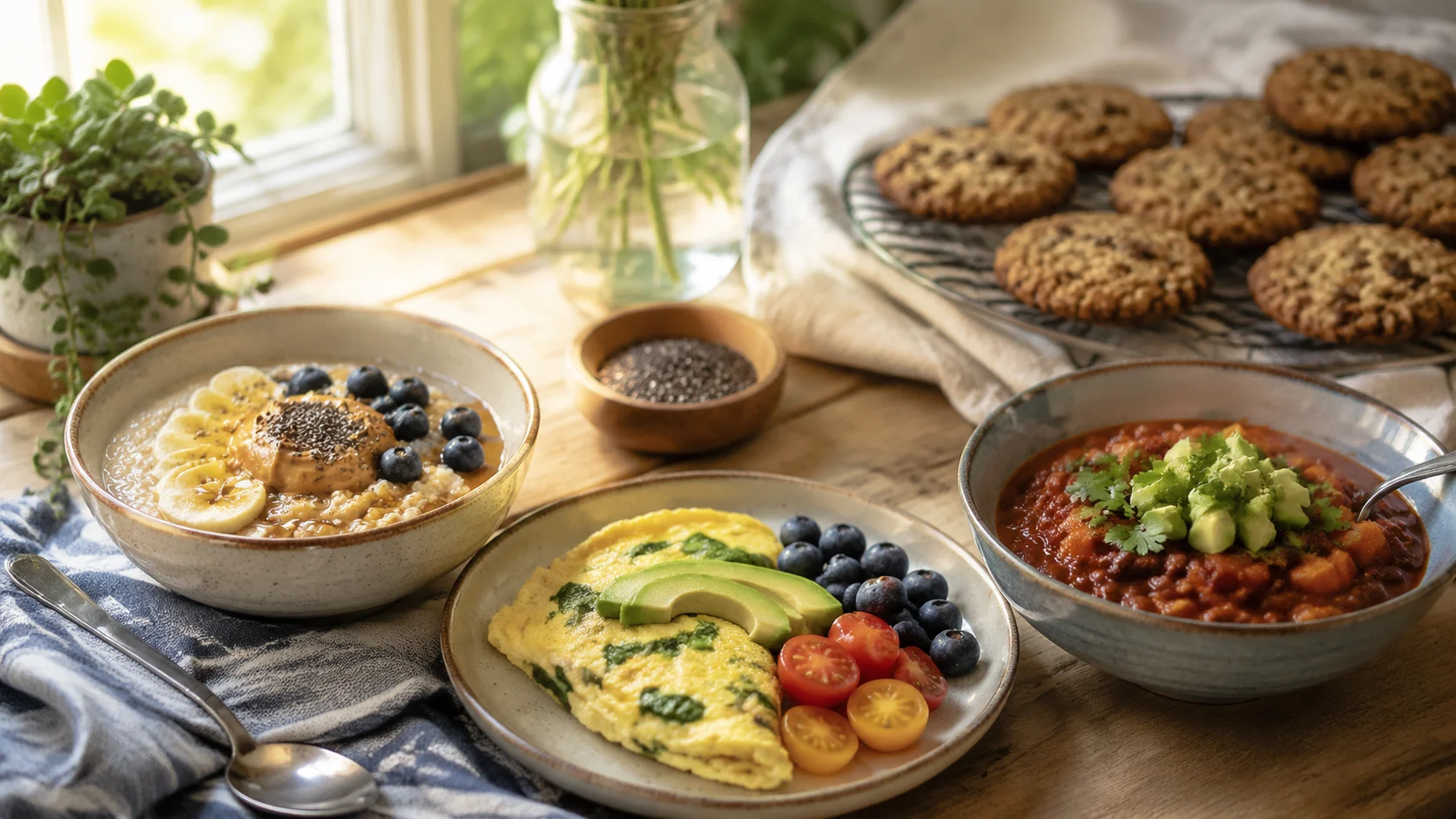
- Add staying power. Protein and fat help the meal linger kindly. A bowl of oatmeal becomes more supportive with crushed walnuts and a swirl of almond butter.
- Leave room for pleasure. If she wants chocolate, the answer does not have to be no. It may look like chocolate after dinner, or melted dark chocolate over strawberries with a pinch of sea salt.
Very often, late luteal phase cravings feel more intense when a woman has been under-eating earlier in the day. A small lunch, a skipped afternoon snack, and then a long commute can turn an ordinary craving into a full-body emergency.

The hidden amplifier: restriction earlier, overeating later
Sometimes the craving is not only hormonal. Sometimes it is also history. A woman who has spent years trying to be “good” with food may reach the late luteal phase already depleted. By evening, the body does what bodies do: it pushes back.
The body is not a project to conquer. It is a place to come home to.
Late luteal phase cravings often become stronger when food has been too tightly controlled. If breakfast was coffee, lunch was something tiny, and dinner was delayed, the craving for cookies or cereal at 9 p.m. makes practical sense. The body is not sabotaging her. It is trying to protect her from running on empty.
A gentler response can sound like this: “Of course food feels urgent right now. What would make me feel fed?” That question shifts the moment from blame to understanding.
Small supports that make this week feel softer
There is no perfect routine, only useful anchors. The late luteal phase often responds well to a little more structure and a little less pressure.
- Eat earlier than guilt would suggest. An afternoon snack, like apple slices with cheddar or a soft granola bar with yogurt, can soften the evening crash.
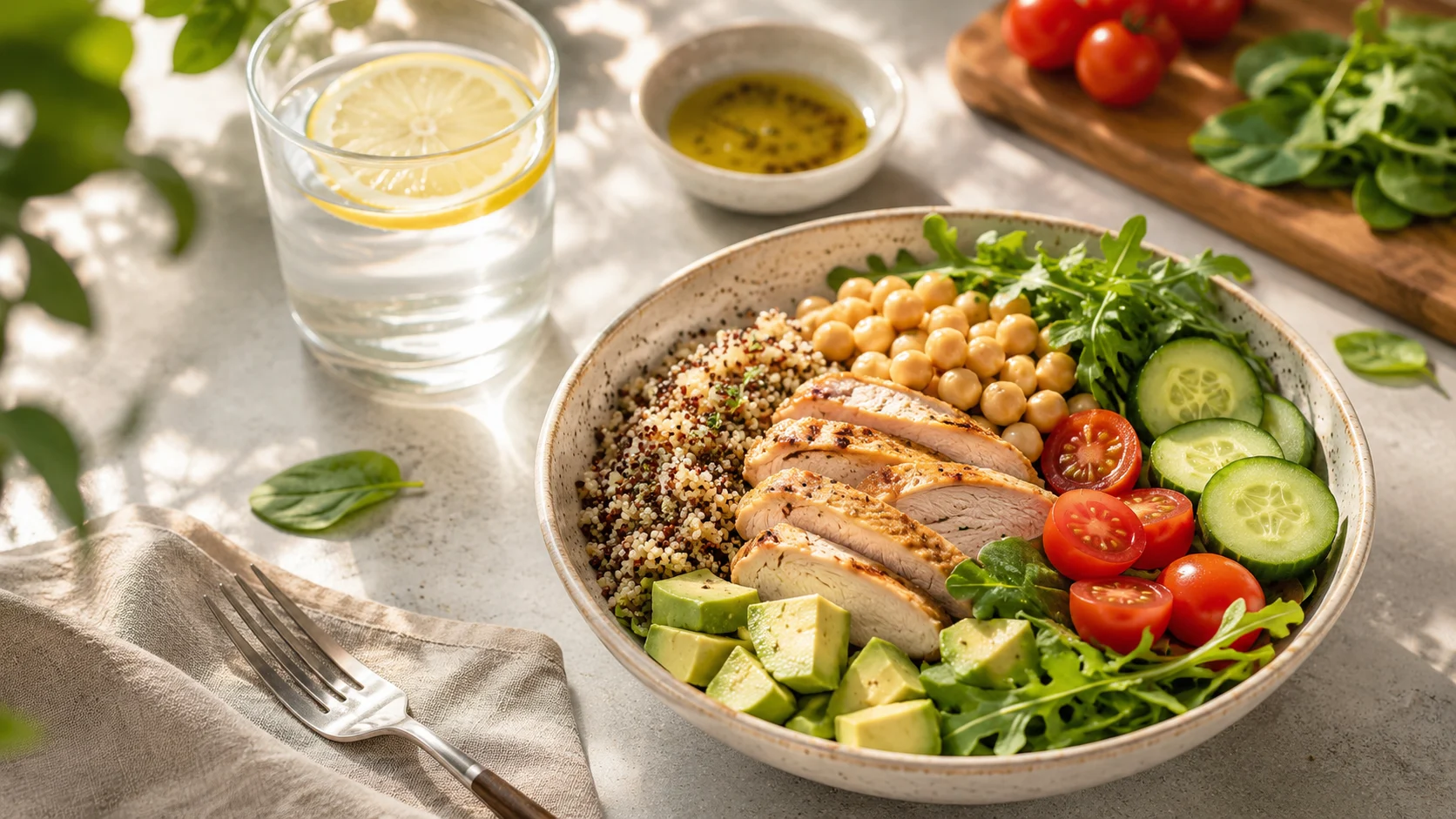
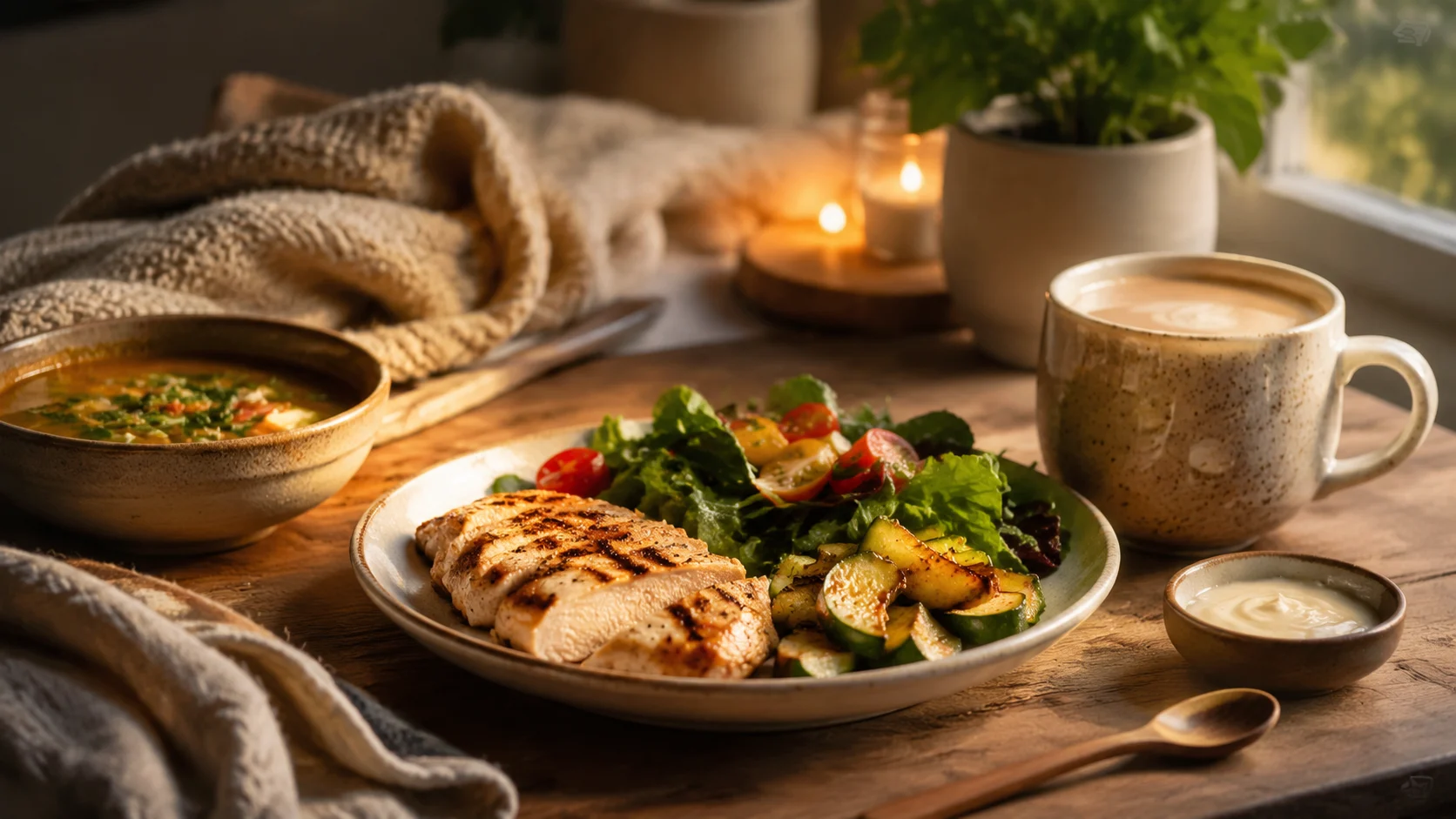
- Build meals that feel warm and reassuring. Soup with bread, pasta with chicken and greens, or a rice bowl with avocado can feel more regulating than a meal that looks “healthy” but leaves her unsatisfied.
- Expect hunger to change. Hunger is not supposed to be identical every day of the month. A changing appetite can be part of a healthy cycle rhythm.
- Make comfort food more supportive, not forbidden. If she wants something sweet, pairing it with a real meal or snack often feels calmer than trying to resist for hours and then eating in a blur.
Sometimes what helps most is permission: permission to need more, permission to eat a fuller dinner, permission to stop reading cravings as a moral issue.
Questions that often come up
Is it normal to want sweets every night before my period?
Yes. For many women, sweet cravings rise in the late luteal phase. That does not automatically mean anything is wrong. Looking at overall meals, stress, and sleep can help the pattern make more sense.
Should I fight late luteal phase cravings or give in?
Neither extreme tends to feel good. A more supportive middle path is to respond with a balanced meal or snack first, then include the food you want with more ease and less urgency.
Why do my cravings feel out of control after dinner?
Evening cravings often get louder when the day did not include enough food. Skipping meals, eating lightly, or working through lunch can all amplify late luteal phase cravings at night.
Can chocolate actually fit into a balanced approach?
Absolutely. Chocolate can be part of real-life nutrition. When it is allowed and enjoyed without shame, it often loses some of its emotional charge.
When should someone talk to a healthcare professional?
If cravings come with very intense mood changes, severe PMS symptoms, or eating patterns that feel distressing and hard to manage, extra support can be helpful. She does not have to figure it out alone.
Please note: Every body has its own rhythm. This gentle guide is for educational purposes and does not replace personalized advice from a healthcare professional, especially if PMS symptoms, mood changes, or eating concerns are significantly affecting daily life.