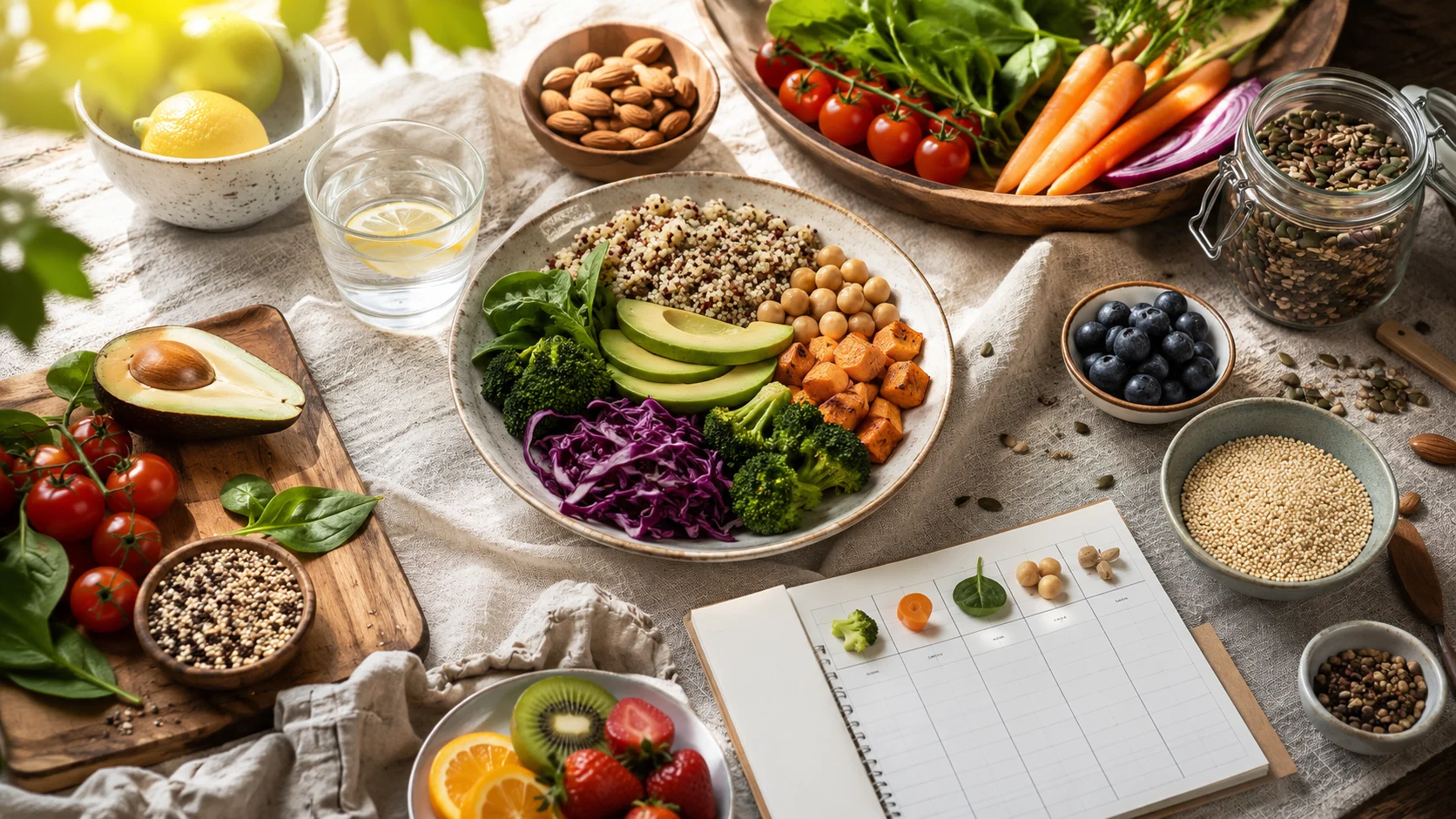

When Healthy Eating Stops Feeling Like Real Life
Real life nutrition is not about eating perfectly. It is about eating in a way that supports steady energy, emotional ease, and daily life as it actually is—messy calendar, reheated coffee, late meetings, family needs, and all. For many women, the problem is not a lack of discipline. It is that most nutrition advice was never built for a life already carrying too much.
At 3 p.m., when she is staring at her screen and thinking about something sweet for the second time that day, it may look like a motivation problem from the outside. But often, her body is simply asking for more support: more fuel, more satisfaction, more steadiness. Real life nutrition begins when food is allowed to be practical, comforting, and balanced at the same time.
Body signals are not character flaws. They are messages asking to be understood.
This is where many women feel a quiet kind of relief. They do not need a stricter plan. They need a kinder framework.
The “Steady Enough” Method
Instead of chasing the perfect plate, Joyini’s gentler lens can be pictured as the “Steady Enough” Method: a simple way of eating that asks only whether a meal helps her feel more supported than she did before.
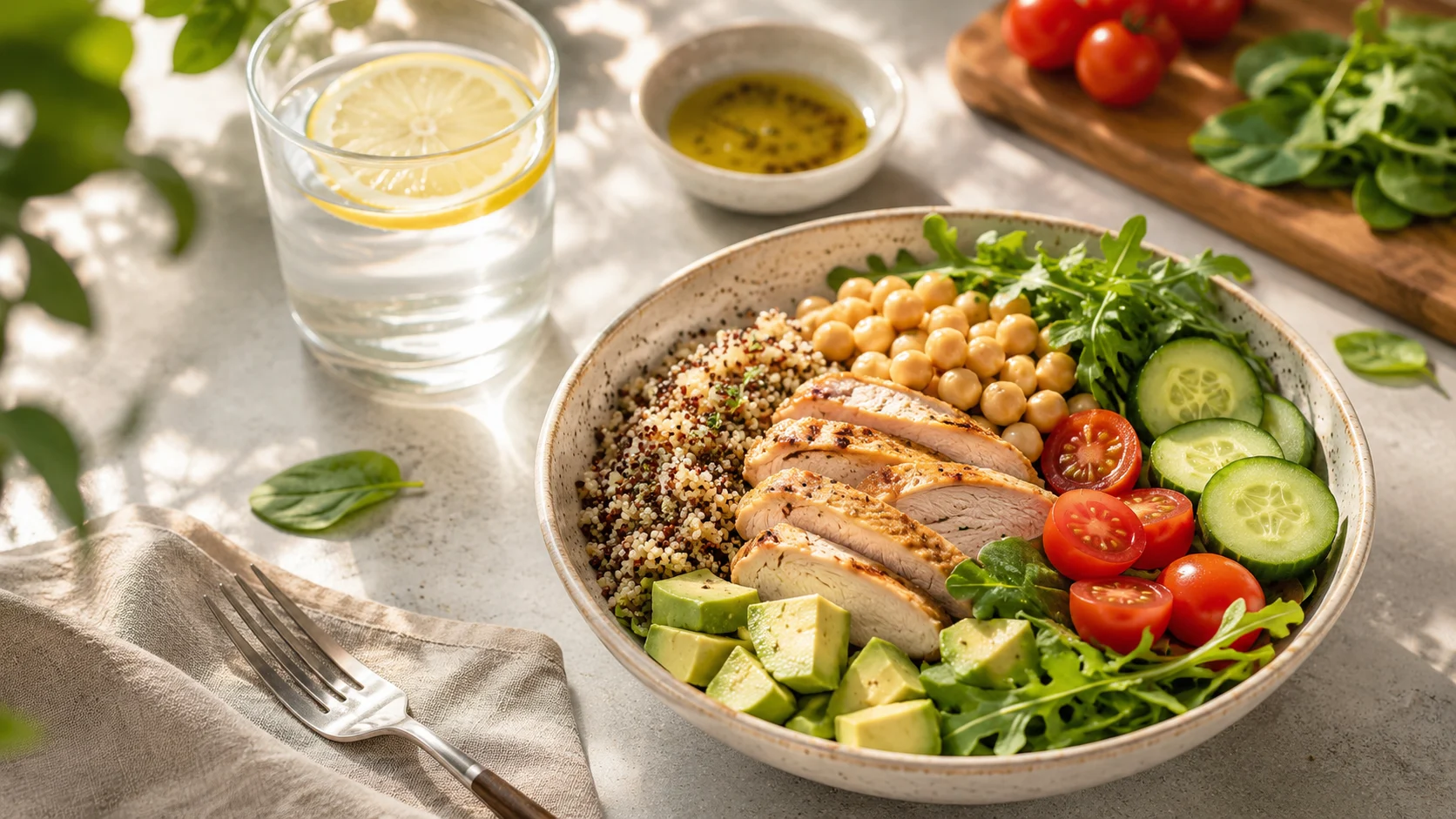
- Anchor the meal. A real-life meal usually feels more grounding when it includes something filling—like Greek yogurt with berries, toast with eggs, or a warm rice bowl with salmon and avocado. The goal is not nutritional perfection; it is staying power.
- Add a comfort note. Real life nutrition leaves room for pleasure. A square of chocolate after lunch, butter on toast, or a creamy dressing on a grain bowl can make food feel emotionally complete, which often softens later cravings.
- Make it easy to repeat. If a meal takes too much effort, it may not survive a hard week. Rotisserie chicken tucked into tortillas, frozen vegetables stirred into noodles, or oatmeal with peanut butter are not shortcuts to judge. They are supports worth respecting.
Research has long observed that meals combining protein, fiber, and fat can help with satiety and steadier energy after eating. That does not mean every meal needs to be engineered. It simply means the body often feels calmer when it is fed with enough substance.
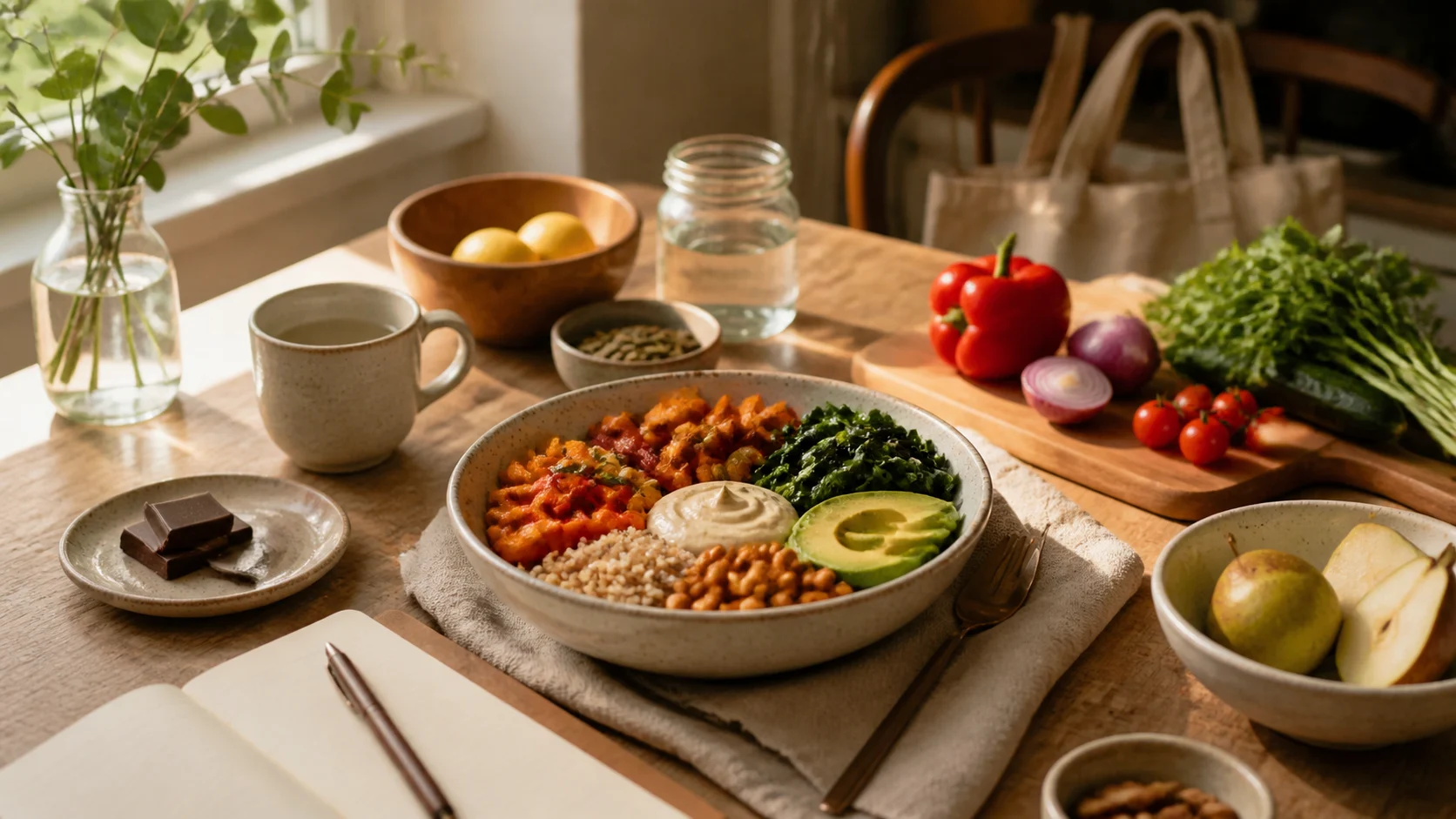
Why Restriction Often Disguises Itself as “Being Good”
Many women have learned to praise themselves for eating as little as possible during the day, only to feel confused when the evening turns loud with cravings. But the body keeps score in whispers before it ever speaks in a shout. When lunch is light, rushed, or skipped, the night often becomes the place where unmet needs arrive looking like a lack of control.
Real life nutrition does not ask a woman to earn dinner by under-eating earlier. It asks her to notice patterns with honesty and warmth. Maybe the afternoon slump is not a sugar problem. Maybe it is a too-small breakfast. Maybe night eating is not emotional weakness. Maybe it is the first quiet moment her body gets to ask for more.
The body is not a project to conquer. It is a place to care for.
What This Can Look Like on an Ordinary Tuesday
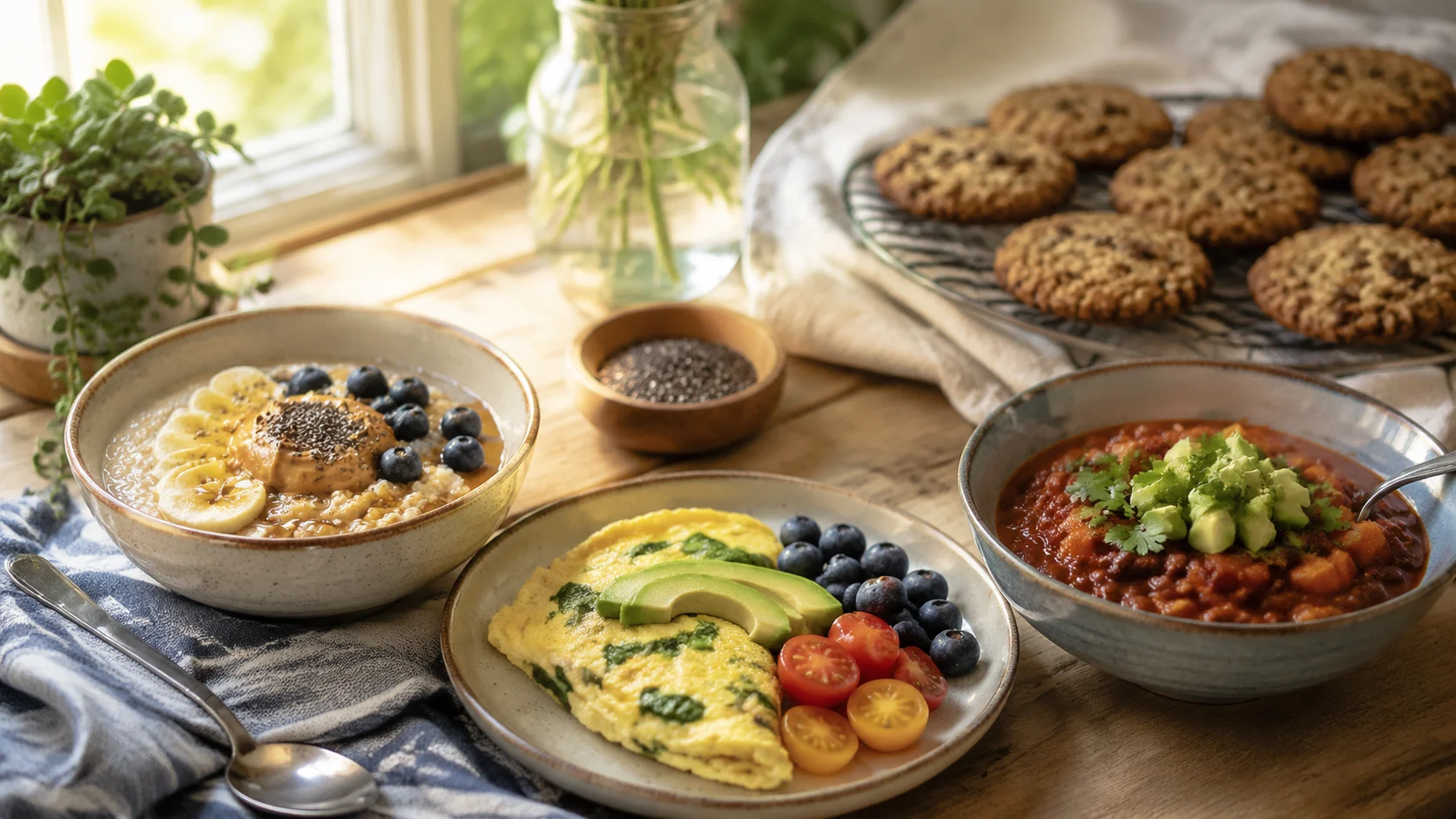
On a crowded morning, real life nutrition might look like a banana eaten in the car, followed later by a more grounding breakfast—something like thick yogurt, granola, and fruit once the day settles. At lunch, it may be a takeout rice bowl instead of a salad that leaves her hungry an hour later. In the afternoon, it could be crackers with cheese or an apple with peanut butter before the cravings become urgent.
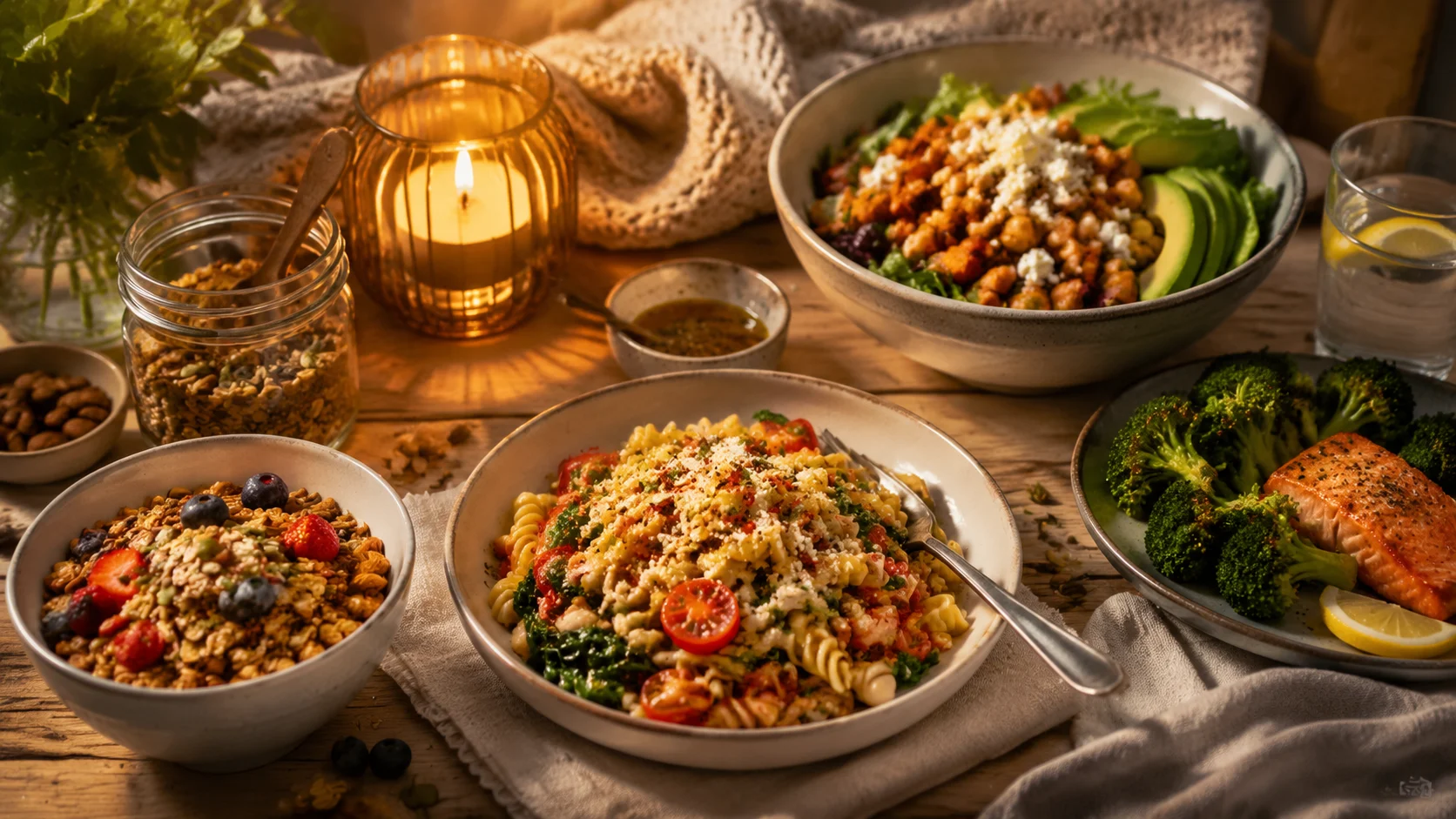
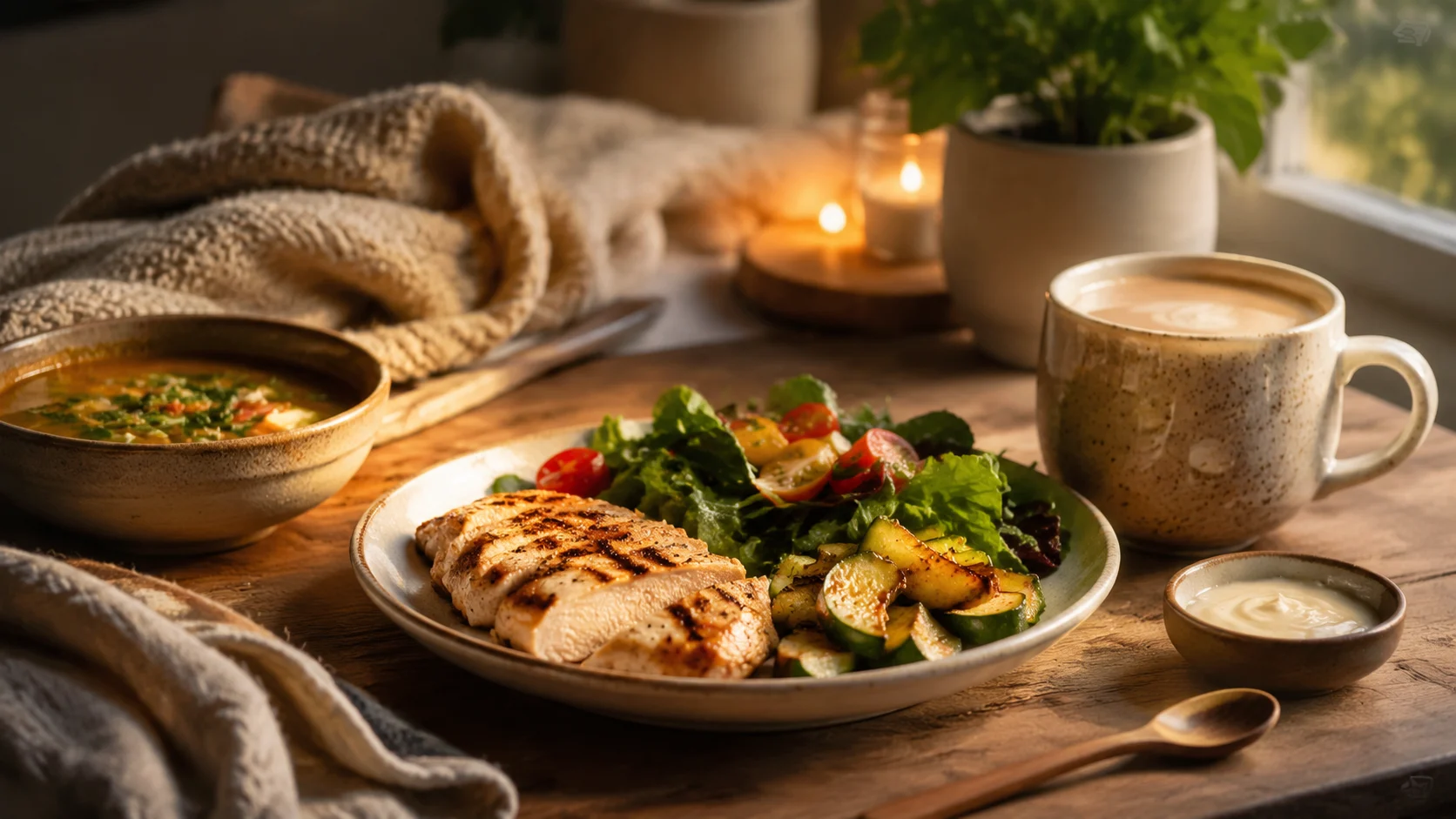
At dinner, it may be less about cooking from scratch and more about building enough comfort into the plate: pasta with chicken and spinach, soup with bread, or frozen dumplings paired with edamame and sliced cucumbers. Real life nutrition honors the meal that actually gets eaten.
This approach can also protect against the all-or-nothing spiral. One unplanned snack does not ruin anything. One takeout meal does not mean she has failed. Food choices do not need a moral scorecard to be useful.
A Few Practical Questions
What if she keeps craving sweets every afternoon?
It can help to look earlier in the day. A breakfast with more staying power, or a more satisfying lunch, often changes the texture of afternoon cravings. Sometimes sweets are also serving comfort, and that matters too.
What if she is too tired to cook most nights?
Then ease belongs in the plan. A real-life routine may lean on frozen meals, bagged salads, toast, eggs, canned soup, or takeout with a little balance added in. Supportive food does not have to be impressive.
What if eating “healthy” always turns into stress?
That is often a sign the rules are too tight. Real life nutrition works better when it feels flexible enough to live with. If food creates anxiety, softer structure usually helps more than stricter control.
Can comfort food still fit into a balanced way of eating?
Yes. In fact, allowing comfort can make eating feel more settled. A bowl of pasta becomes more supportive, not less, when it leaves her nourished and emotionally satisfied.
Please note: Every body has its own rhythm, needs, and history with food. This gentle guide is for educational purposes and is not a substitute for personalized care from a registered dietitian, physician, or mental health professional—especially if eating feels distressing or medically complicated.